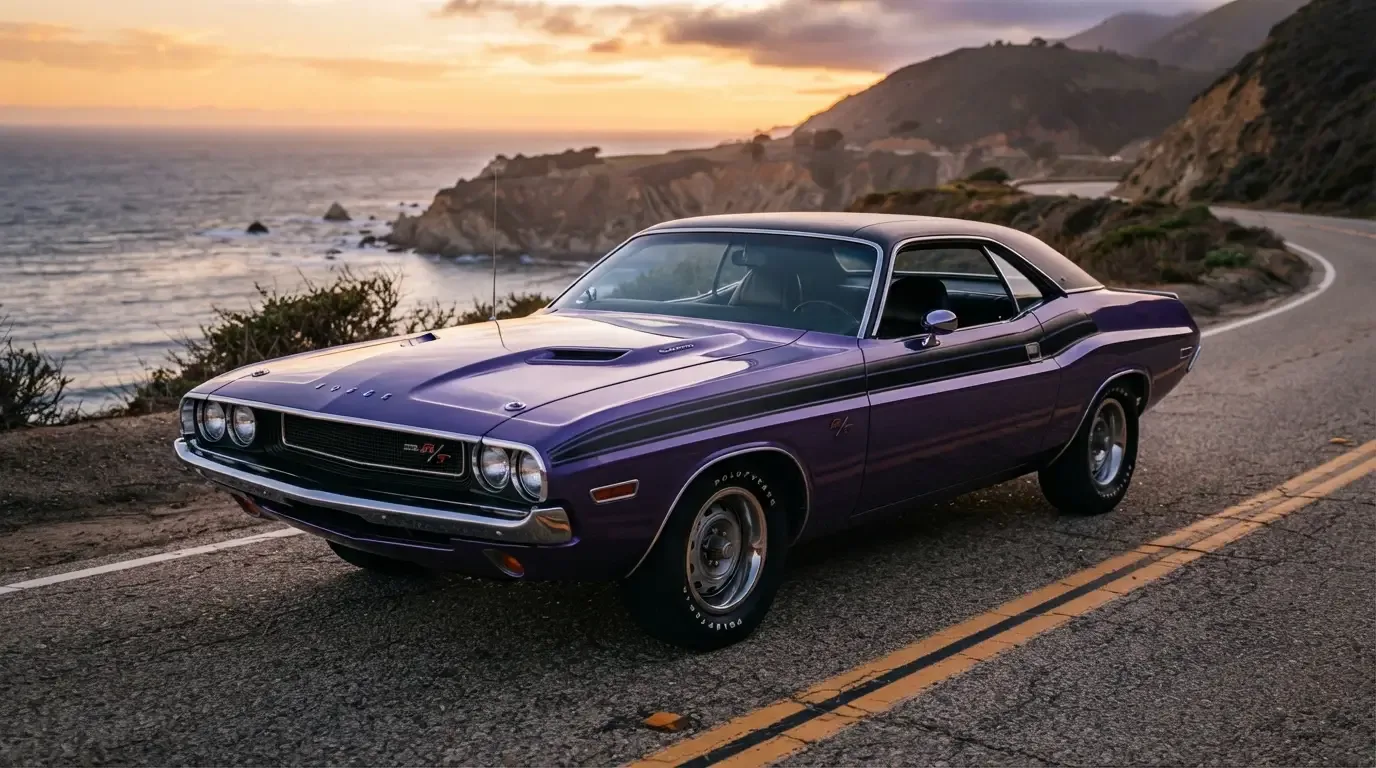
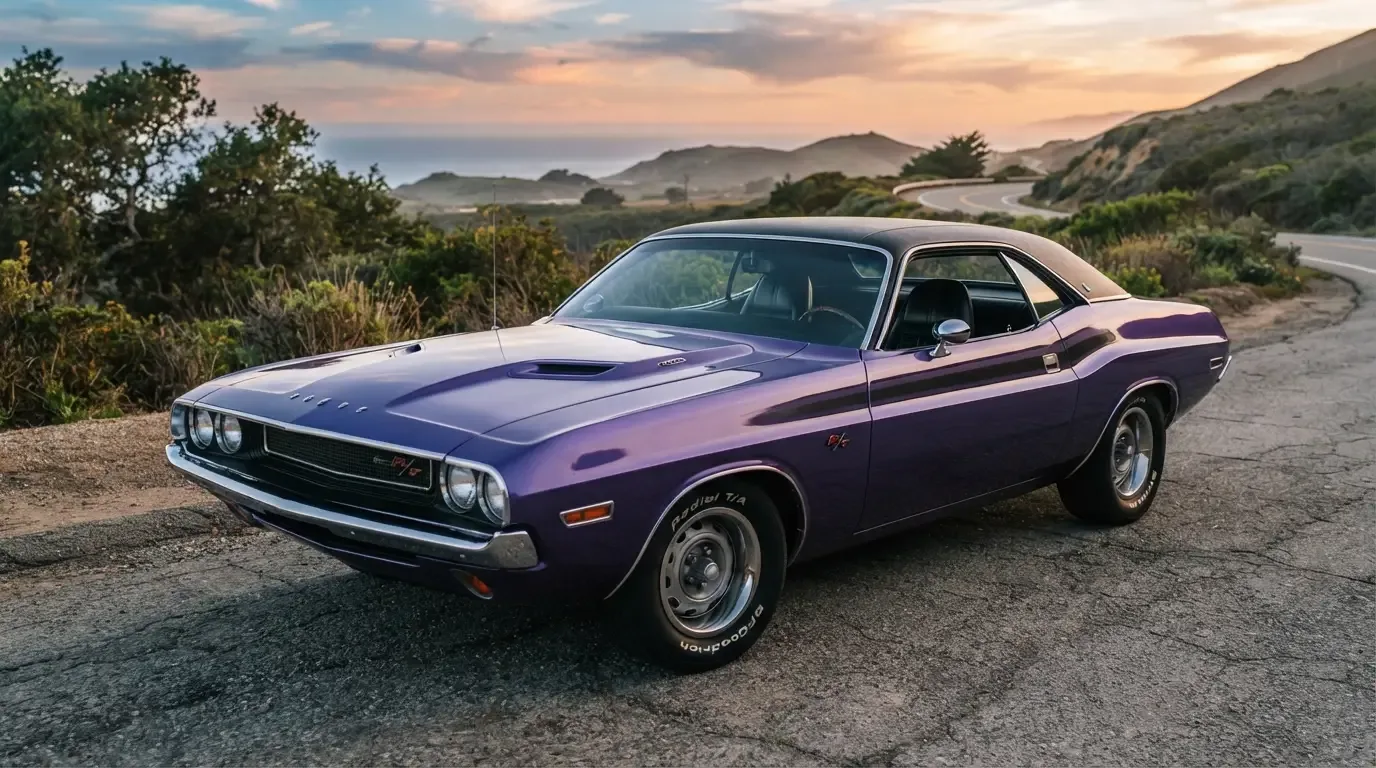
I know a guy in our club who bought a Challenger R/T SE thinking he was getting a plain muscle car with a vinyl roof, and it took him about a year of digging through old paperwork to realize what he actually owned. The R/T SE was Dodge's answer to a question nobody had quite asked out loud yet: what if the muscle car buyer also wanted leather seats and a padded roof instead of a bare-bones interior and a hood scoop? Turns out plenty of buyers wanted exactly that, and the Challenger R/T SE gave it to them without giving up the engine that mattered.
What SE actually meant on the fender tag
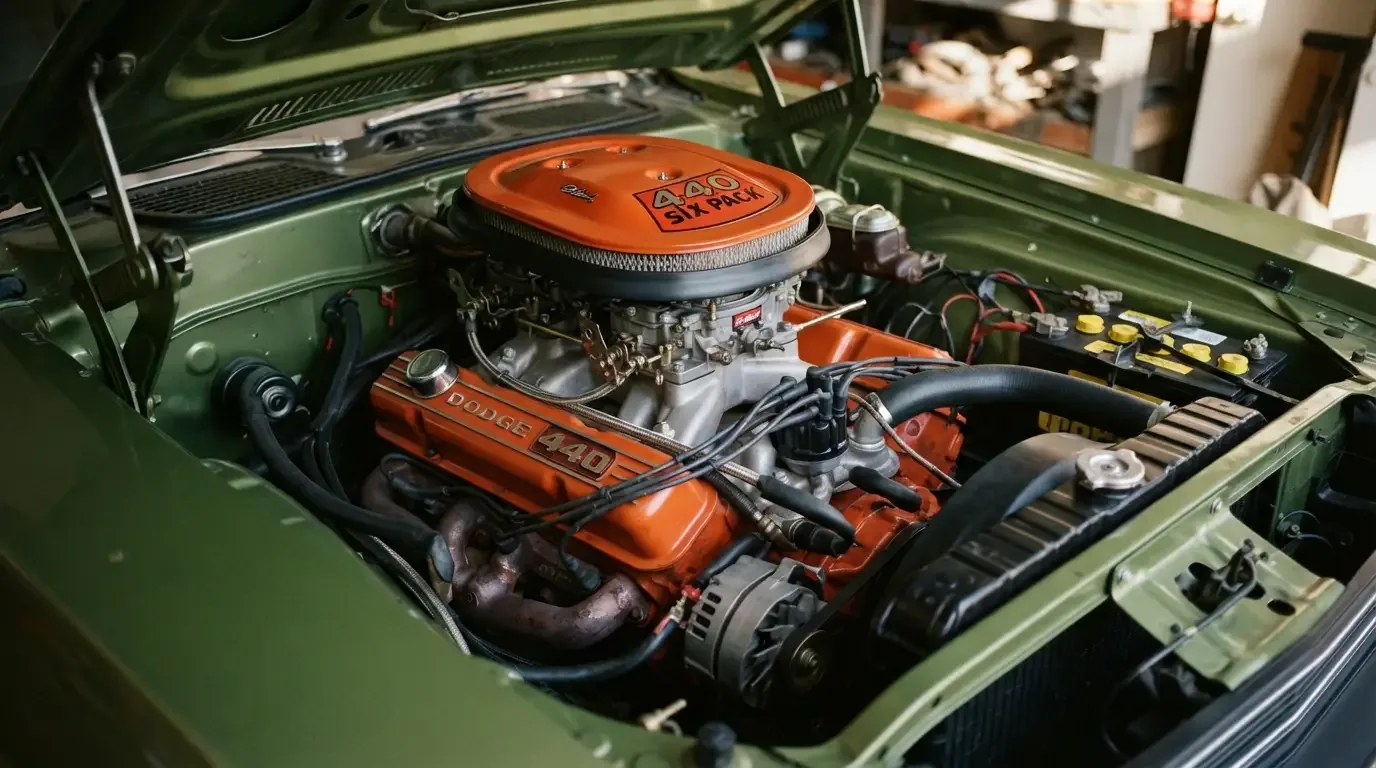
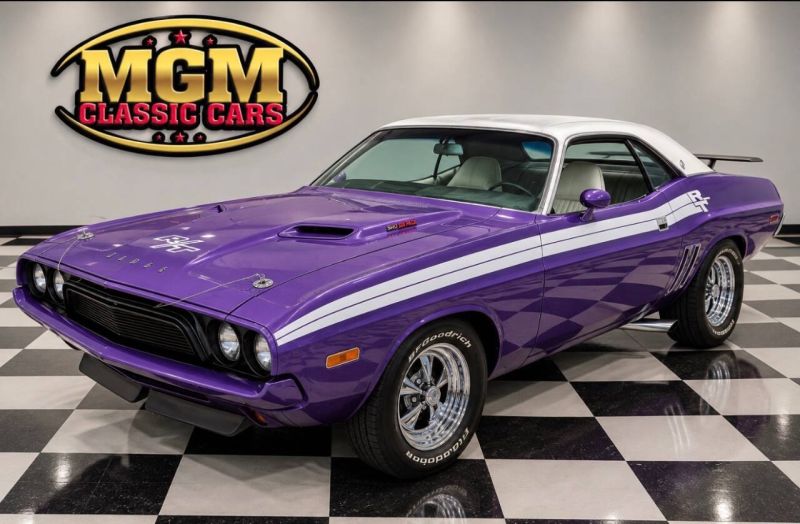
Special Edition, that is what the SE stood for, and Dodge did not water down the R/T performance credentials to add the comfort. Under the vinyl roof and the leather-option interior sat the same engine lineup as any other R/T, meaning a buyer could still order the 383 Magnum, the 440 Magnum, the 440 Six Pack, or the 426 Hemi. The SE package layered a smaller rear window with a formal-looking vinyl roof, upgraded interior trim, and available leather seating on top of whatever engine the buyer wanted.
That smaller rear window is the detail most club members spot first at a show. It gave the R/T SE a more formal roofline compared to the standard Challenger's fastback-adjacent greenhouse, closer in feel to a personal luxury coupe than a drag strip regular, at least until someone popped the hood and revealed a 440 or a Hemi sitting there waiting.
Why Dodge built a muscle car with a formal roof
By 1970, Detroit had figured out that muscle car buyers were not a single type of person. Some wanted a stripped-down street fighter, and some wanted the same drivetrain wrapped in a package that looked at home outside a nicer restaurant on a Friday night. The R/T SE targeted that second buyer directly, the one who wanted to be taken seriously at a stoplight and also arrive somewhere without looking like he just left a burnout contest.
Our club has members who bought their SE new, back when the option made sense as a practical choice for a young professional who still wanted performance. One member's father ordered his with the 440 Magnum specifically because he needed a car that worked for both the strip on Saturday and church on Sunday, and the SE package let him check both boxes without buying two cars.
The paperwork trail that separates real SEs from pretenders
Because the SE package added visual cues that are not hard to replicate, a fender tag confirming the correct SE-specific option codes matters more here than on most Challenger variants. The vinyl roof and small rear window can be faked or added later, and a broadcast sheet or build sheet is the only way to confirm a car left the factory as a genuine R/T SE rather than becoming one in someone's garage decades later.
That documentation question runs through the whole R/T story, not just the SE package, and readers chasing the bigger picture of how the model came together across its engine and trim options should start with where this started before diving into any single variant. The SE was one branch of a family tree that included the base R/T, the Trans Am homologation T/A, and every engine option in between.
| Feature | R/T SE |
|---|---|
| Roofline | Vinyl roof, formal small rear quarter window |
| Interior | Available leather seating, upgraded trim |
| Engine options | Same as standard R/T: 383, 440, 440 Six Pack, Hemi |
| Positioning | Muscle performance with a luxury-leaning package |
"Our club had a member whose SE fooled half the parking lot at a cruise night. They figured a car with a vinyl roof and leather seats had to be soft. Then he lit the tires up on the way out and everyone remembered what R/T actually stood for."
- Wayne Coburn
Why the SE package matters to collectors now
The R/T SE occupies an interesting spot in the current collector market. It is rarer than the standard R/T in most engine combinations, which should command a premium, but the softer visual presentation means some buyers underestimate what they are looking at and pass it over for a more aggressive-looking car with the same drivetrain underneath. Club members who know the model tend to see this as an opportunity rather than a drawback, since a documented SE with the right paperwork often trades for less than its rarity would suggest.
If you are hunting for one of these yourself, patience matters more than luck. The good ones tend to surface through club networks and estate sales before they ever hit a general listing site, though there are always classic Challenger for sale options worth checking regularly, SE and standard R/T alike, since inventory turns over often enough that a well-documented car can show up when you least expect it.
Living with an SE among a club full of standard R/Ts
Show up to a Mopar meet in an R/T SE and you get a different kind of conversation than the guy with the plain steel roof and dog dish hubcaps. People ask about the vinyl roof first, whether it is original or a later addition, before they ever ask what is under the hood. That question order tells you something about how the SE reads to a casual observer, and it is exactly the misdirection that made the package fun to own in period and still makes it fun now.
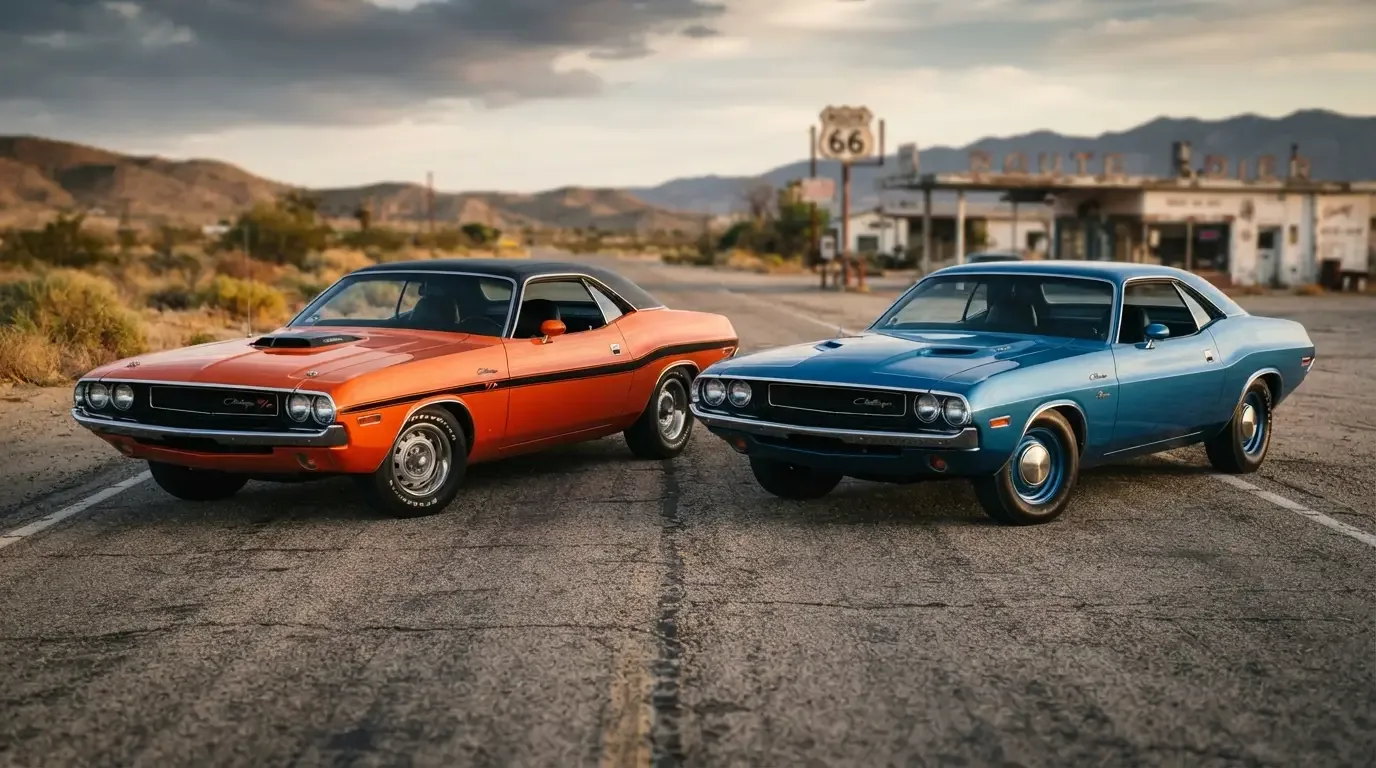
Our club runs an annual cruise where members line up by engine rather than by trim level, and the SE cars scatter across every line because the package never dictated what sat under the hood. You will find a 383 Magnum SE parked next to a Hemi SE, both wearing the same vinyl roof and formal window, and the only way to tell them apart from the outside is the badge on the fender and, if you know what to listen for, the sound at idle. That variety is part of what keeps the SE conversation going at every meet, because no two members' cars tell quite the same story even when the trim package looks identical.
The last word on the R/T SE
The Challenger R/T SE proved that a muscle car buyer did not have to choose between performance and presentation. It kept every engine option that made the R/T name mean something, wrapped it in a package that read as more grown-up, and gave Dodge a way to sell to a buyer who wanted both. Fifty years later, that combination still surprises people who assume soft trim means a soft car.