How a nickname stuck to a legend
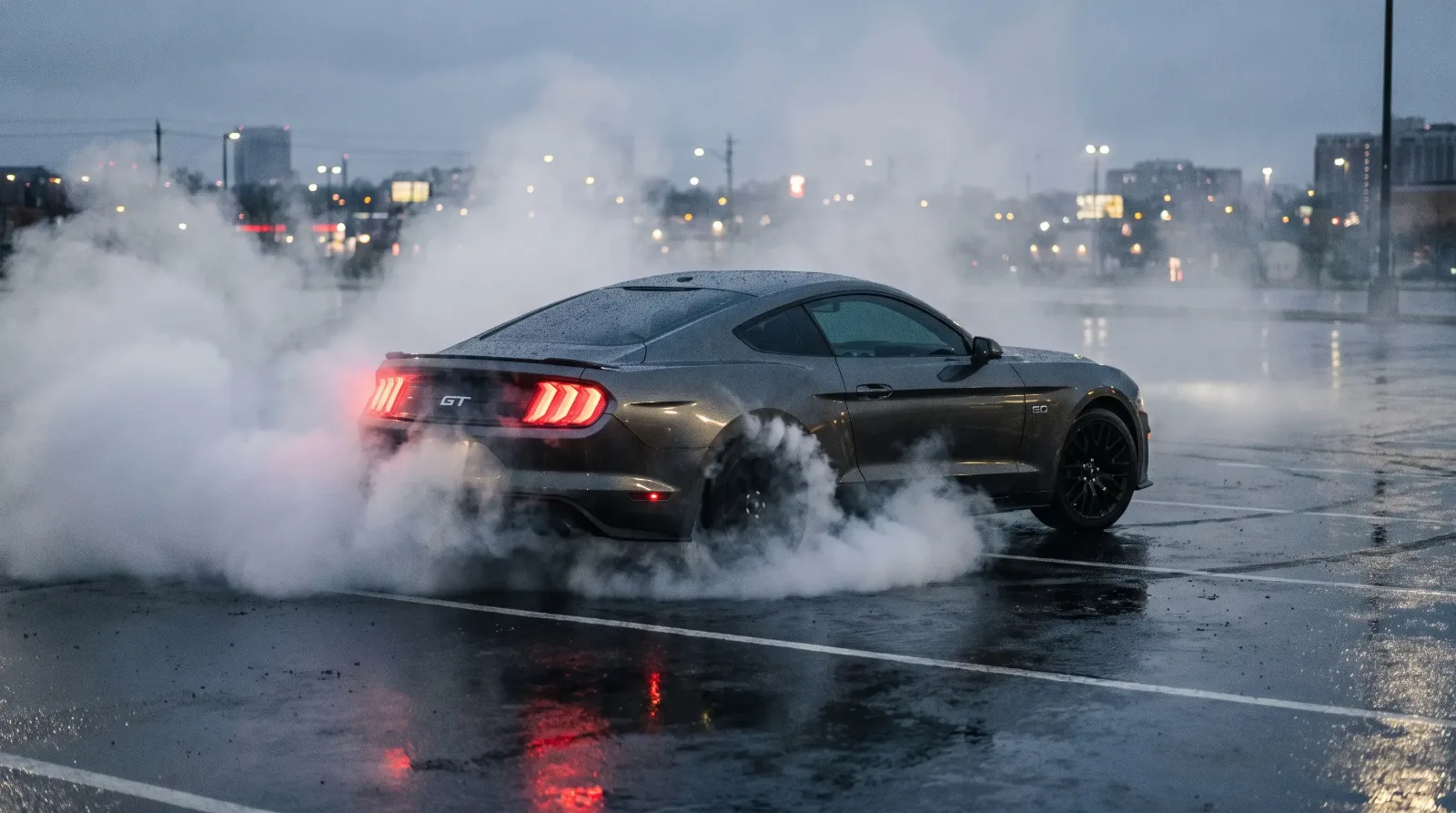
Every car culture has its running jokes, and few have aged as well as the one attached to the Ford Mustang. Search "Mustang crowd killer" on any automotive forum or social media platform and you will find an inexhaustible archive of footage: a pony car exiting a Cars and Coffee show, rear tires spinning, the back end snapping sideways, spectators diving for the grass. The clip format is so reliable it became a genre. The nickname followed naturally, equal parts affectionate and damning, and it has clung to the Mustang's reputation ever since.
What makes the meme interesting is not the crashes themselves but what they reveal about the car's relationship with the people who drive it. The Mustang has always sold on accessibility. It was designed to be owned by anyone, driven by anyone, and that democratic premise carries an unavoidable risk when the engine bay holds more horsepower than the driver's experience warrants.
Cars and Coffee: the perfect stage
Cars and Coffee events occupy a specific place in the modern car-show calendar. They are informal, early-morning gatherings, typically held in large parking lots, open to anything interesting on four wheels. No registration fees, no judging, no roped-off display areas. The atmosphere is casual and the crowds are large, which means the exit driveway becomes a temptation that a certain percentage of attendees simply cannot resist.
The S197 Mustang (2005-2014) and the S550 (2015-present) provided the raw material. The 5.0-liter Coyote V8, introduced for 2011, produced 412 horsepower in its first year and climbed steadily from there. The 2020 Shelby GT500 eventually reached 760 horsepower. These are serious numbers delivered in a car whose base price, relative to comparable European performance machines, remained genuinely affordable. A first-time performance-car buyer could finance a Mustang GT and collect the keys on a Saturday morning, then show up at Cars and Coffee that afternoon.
The physics of lift-off oversteer did the rest. A powerful rear-wheel-drive car, narrow exit lane, crowd lining both sides, a driver whose right foot outruns their skill level: the outcome became so predictable that enthusiasts began filming exits as a matter of course, and video aggregators began compiling the best of them into highlight reels. By the mid-2010s the Mustang crowd killer meme was established internet canon.
Why it was always the Mustang
The Camaro, the Challenger, and the Corvette all share the rear-wheel-drive, high-horsepower formula, yet none of them accumulated the same catalogue of parking-lot exits gone wrong. The reasons are worth examining, because they connect directly to what the Mustang is.
Volume is part of the answer. Ford consistently outsold its direct rivals in the muscle-car segment, which means more Mustangs at any given Cars and Coffee, which means more statistical chances for an exit to go badly. But volume alone does not explain the disparity. Culture plays a role. The Camaro and Challenger carry a slightly different demographic weight; the Mustang has always attracted first-time performance buyers in larger numbers, partly because of price, partly because of the badge's cultural reach across decades of films, television, and popular music.
There is also the matter of the independent rear suspension, or rather its absence on earlier S197 and Fox-Body cars. The solid rear axle that characterized Mustangs through the 2014 model year is a known quantity for experienced drivers but punishing for the inexperienced: when the rear steps out under power, the correction window is narrow. The S550's independent rear suspension improved predictability, but by then the meme was already self-sustaining. Each new video refreshed it regardless of which generation was featured.
"The Mustang crowd-killer joke is really a story about accessibility meeting ambition, and the gap between them has never been more entertaining to watch from a safe distance."
— Patrick Walsh
The classic era had a different reputation entirely
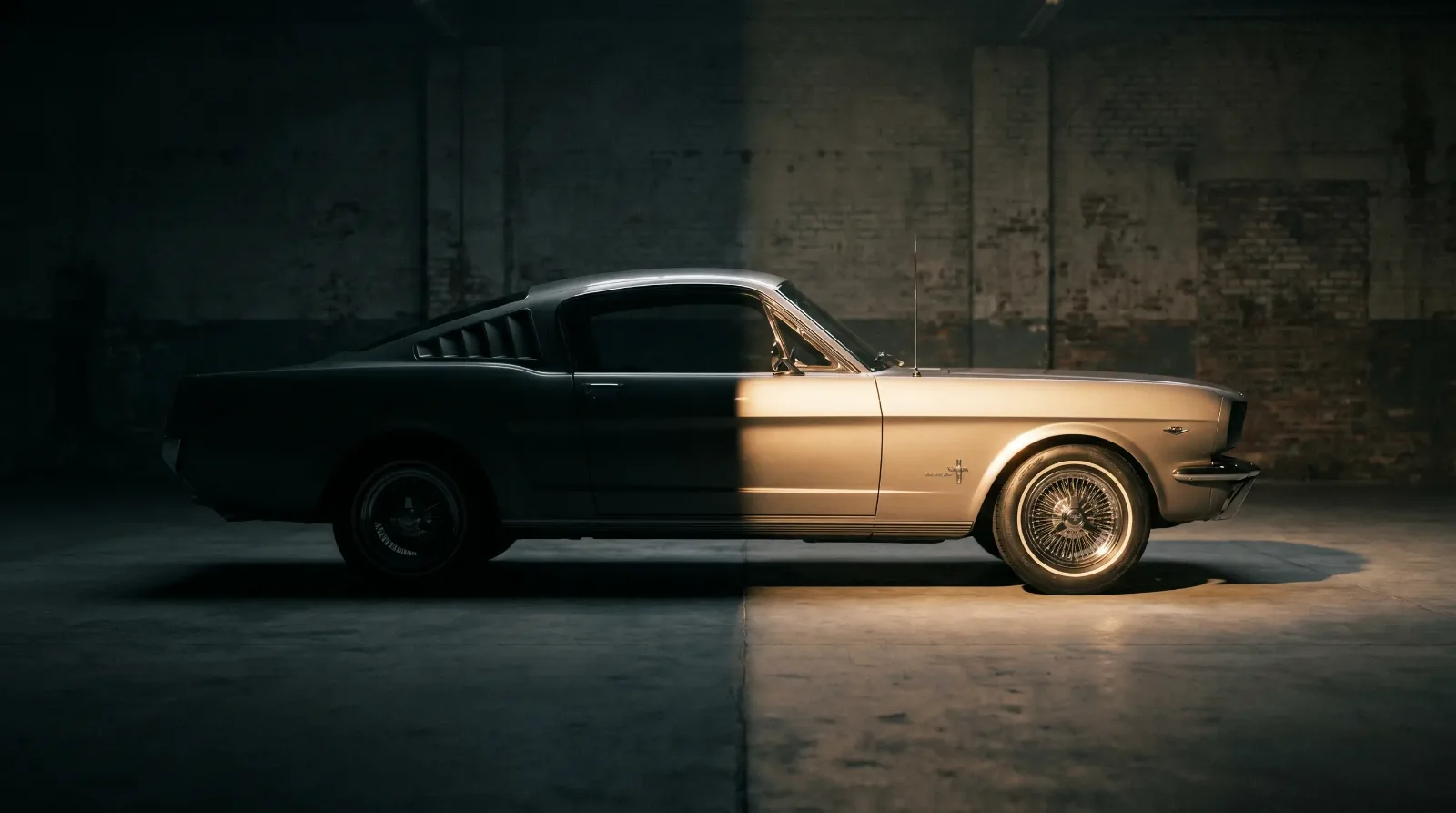
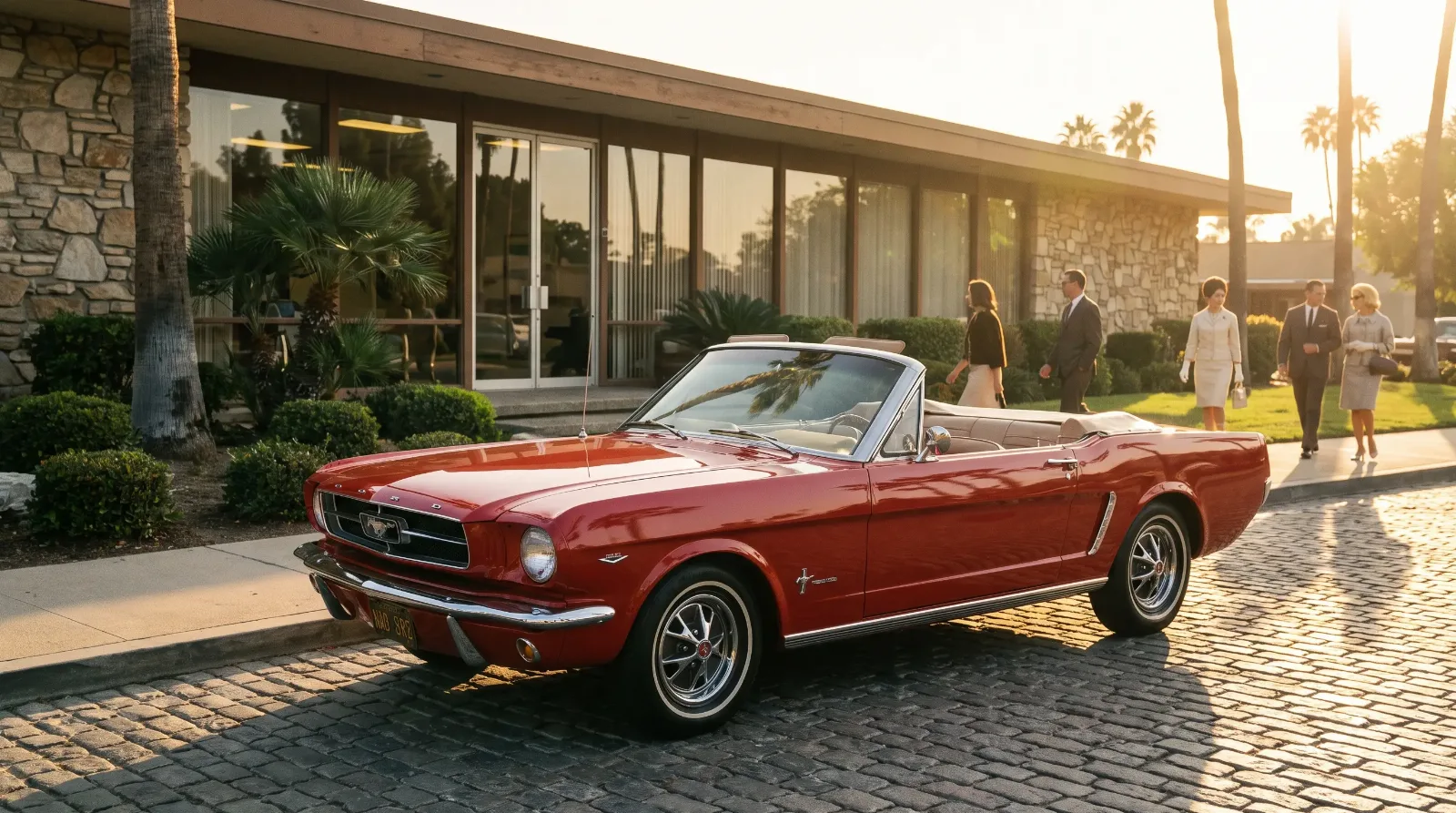
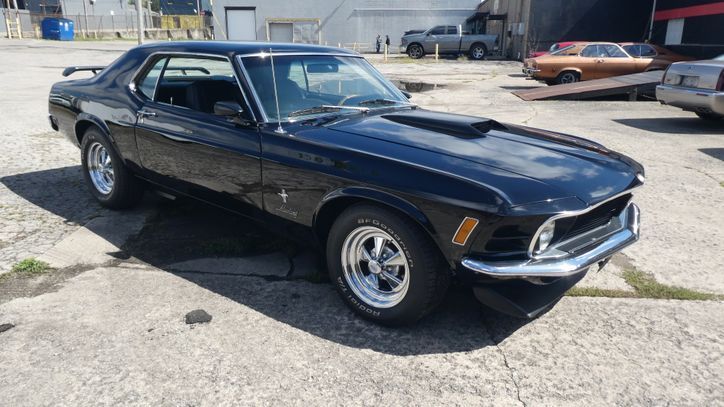
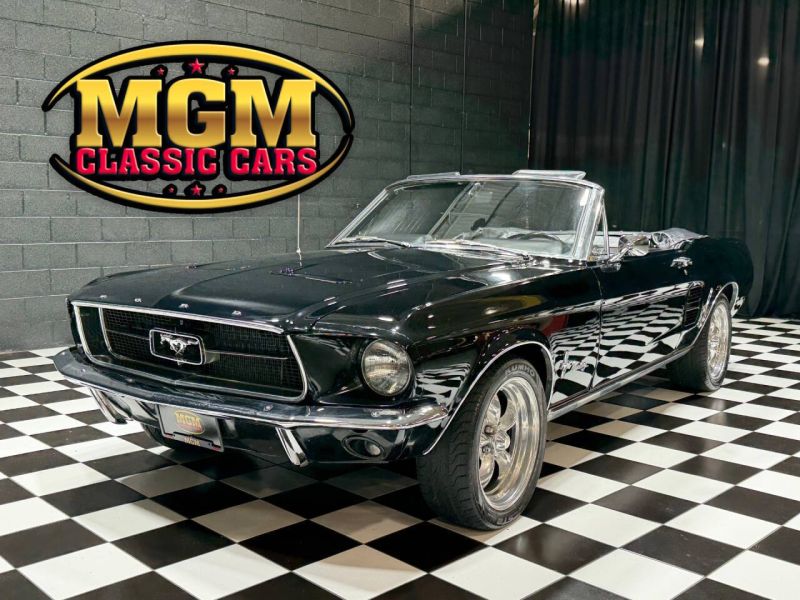
It is worth pausing here to consider how different the original Mustang's image was. When Ford launched the 1964-and-a-half Mustang in April 1964, the base engine was a 170-cubic-inch inline-six producing 101 horsepower. The entry-level buyer was not buying a performance car; they were buying a sporty-looking compact on a Falcon platform, priced at $2,368. The optional 260-cubic-inch V8 added some pull, and the 289 that followed it added more, but the car that most first buyers drove off the lot was a mild-mannered cruiser dressed in good-looking sheet metal.
The boulevard reputation held even as the engine options grew. The 271-horsepower high-performance 289 and the later 428 Cobra Jet were genuine performers, but they accounted for a fraction of total production. The vast majority of classic Mustangs left the factory with two-barrel carburetors, manual bench seats, and enough power to merge confidently onto a highway and not much more. Racing credentials belonged to the Shelby variants and the GT350; the standard car earned its sales figures by being attractive and approachable, not wild.
This matters because it complicates any simple reading of the Mustang as an inherently dangerous car. The first-generation cars were not crowd killers. They were the opposite: gentle enough that a teenager could get one as a first car, practical enough to double as daily transportation, inexpensive enough that a secretary or a schoolteacher could afford the payments. Lee Iacocca's marketing team knew exactly what they were selling, and it was aspiration packaged as accessibility, not horsepower for its own sake.
What the meme says about the car's enduring identity
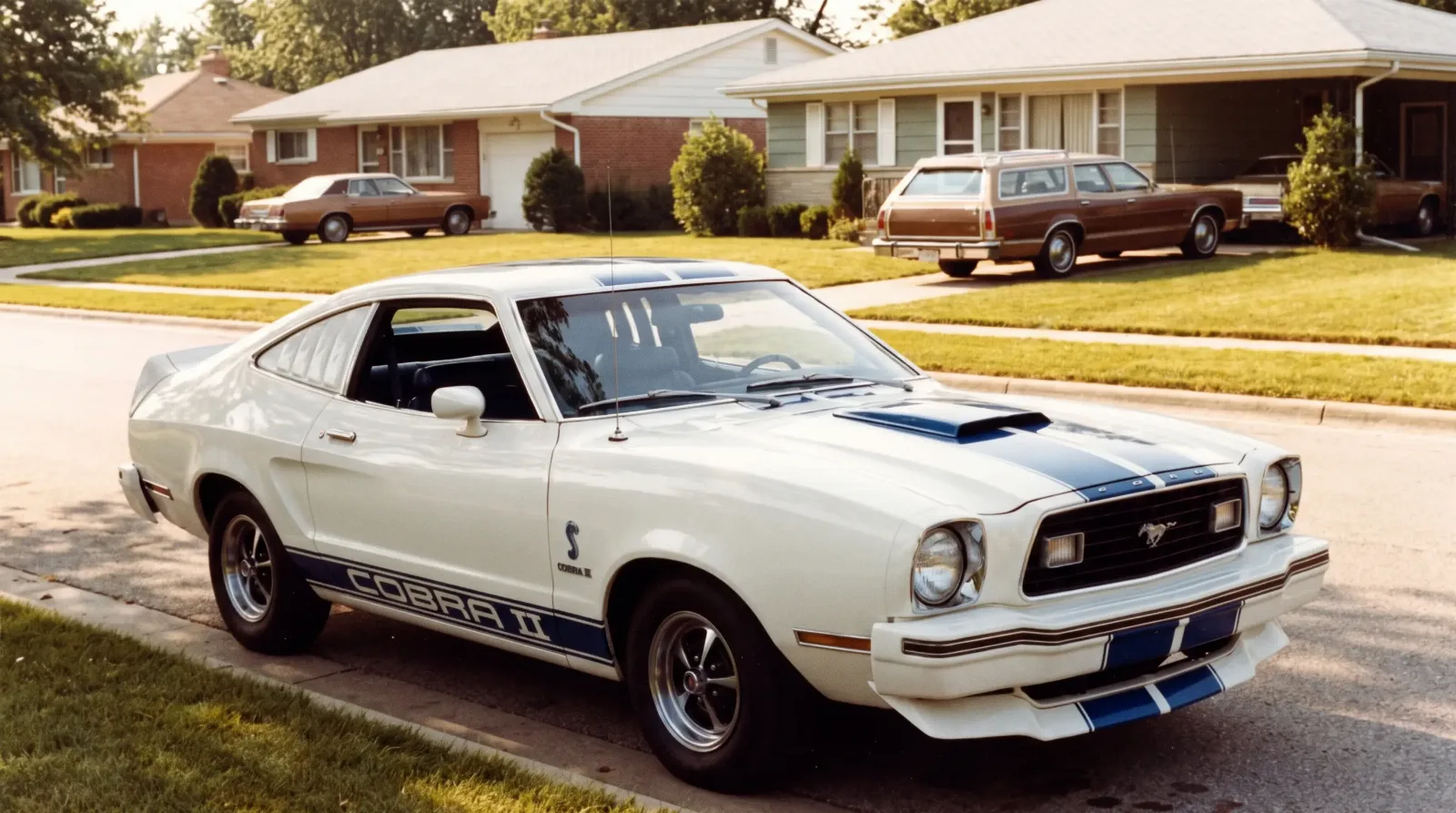
The gap between the 1964 image and the modern one is really a gap in the car's power-to-experience ratio. The Mustang kept the accessibility, kept the price positioning, kept the broad demographic appeal, and kept the Ford showroom as its point of sale rather than an exotic-car dealership. What changed was the engine output. A base Mustang GT in 2024 produces around 480 horsepower. That is a great deal of car for anyone who has not spent time developing the skill to manage it.
The joke, then, is not really about the Mustang being a bad car or a dangerous one in any inherent sense. It is about the mismatch that the car's own identity creates. Accessible enough for first-time buyers, powerful enough to punish inattention, attended in large numbers at public events with narrow exits and enthusiastic bystanders: the conditions for spectacular failure are structural, not accidental.
Enthusiasts understand this and have made peace with it. The crowd-killer nickname is worn with a kind of rueful affection by Mustang owners, acknowledged rather than resented. Forums produce compilation threads labeled something like "2024 Cars and Coffee exits: the annual review," and the community watches them with the weary fondness of people who have seen the story before and expect to see it again. The Mustang remains what it has always been, a car for everyone, which means sometimes a car for people who have not quite figured out what they are holding yet.
That tension, between wide-open access and real performance consequence, is as much a part of the Mustang story as the Bullitt chase scene or the Shelby racing program. The crowd-killer meme did not damage the Mustang's reputation. It extended it into a new medium for a new generation, which is exactly what the car has been doing since 1964.
Sources and notes
This article is an editorial take on classic and modern Mustang culture, written for entertainment and general-interest purposes. Specifications and figures were verified against the sources below at the time of writing; manufacturer data and historical figures can vary by trim, market, and reference. Always confirm details against primary sources before relying on them.
- Hagerty — 2020 Ford Mustang Shelby GT500 pumps out 760 hp
- Consumer Reports — 2011 Ford Mustang GT, 412-hp Coyote V8
- Wikipedia — Ford Mustang (fifth generation, S197, 2005–2014)
- Autotrader Classics — 1965–1967 Ford Mustang K-Code (271-hp Hi-Po 289)
- LiveAbout — All About the 1964½ Mustang (170 six, 101 hp, $2,368 base)
- Hagerty — 2024 Mustang Dark Horse 500 hp, GT up to 486 hp