
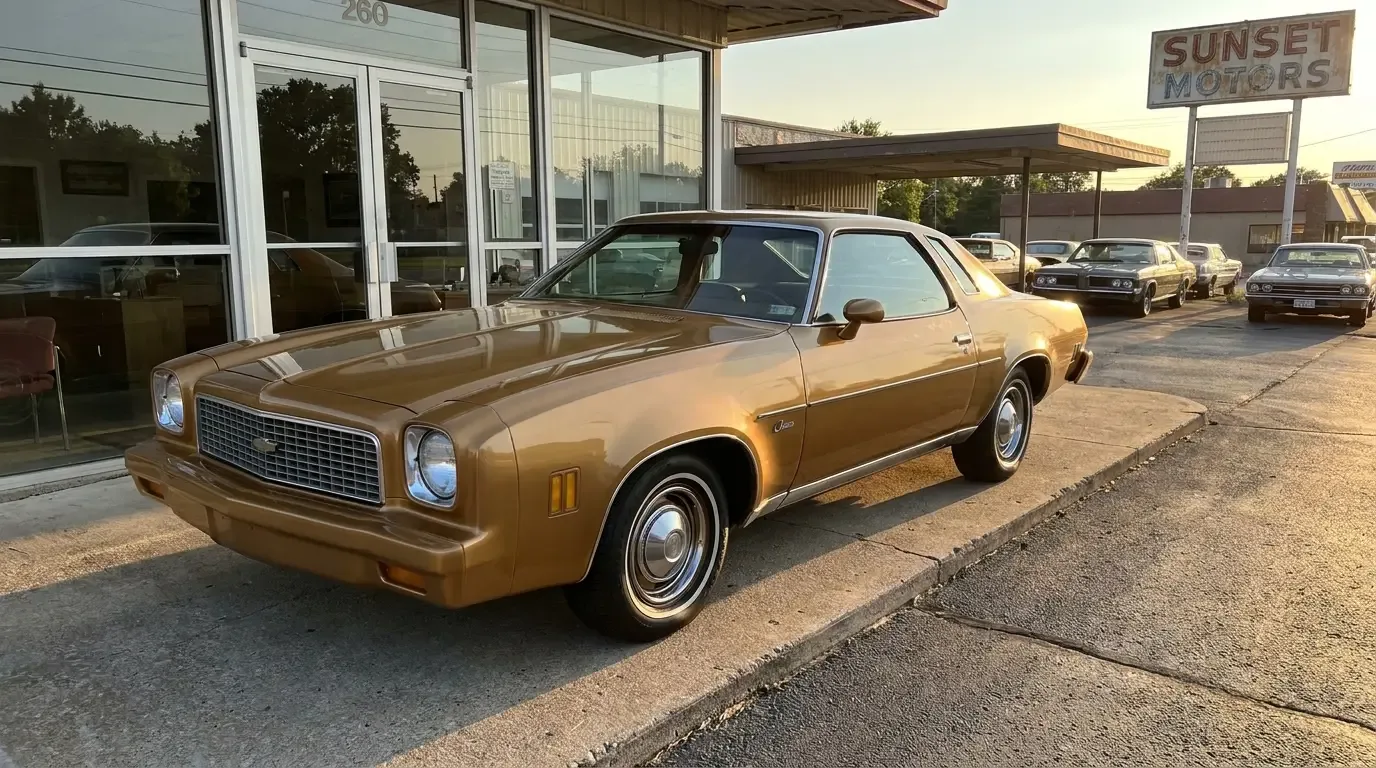
The build sheet for a 1973 Chevelle SS doesn't look dramatically different from a well-optioned Malibu at first glance, and that's exactly the point people miss about this car. By 1973, the SS wasn't a distinct model anymore. It hadn't been for a few years. It was RPO Z15, an appearance and handling package layered onto the Malibu coupe, and 1973 turned out to be the last year Chevrolet offered it under that name before the badge disappeared from the lineup entirely.
History & Heritage
6 min read
The 1973 Chevelle SS: The Last of Its Kind
Why 1973 was the final year for the Chevelle SS package, what RPO Z15 actually included, and how to verify a documented car today.
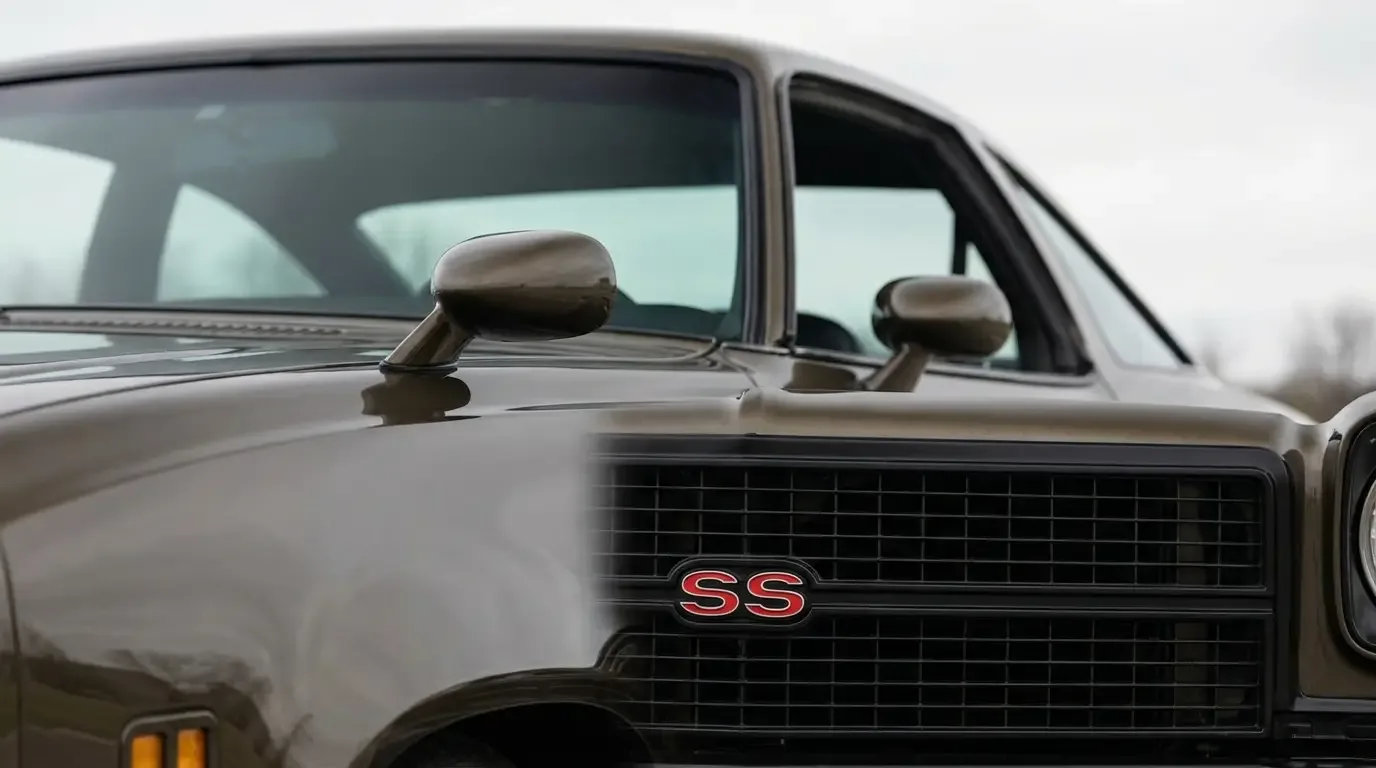
I've spent enough time with factory paperwork on this era to say the 1973 SS gets misread two different ways. Some people treat it as a throwaway, a badge with nothing behind it. Others assume it was still the same fire-breathing package it had been in 1970. Neither is quite right, and the actual documentation tells a more specific story.
What z15 actually bought you in 1973
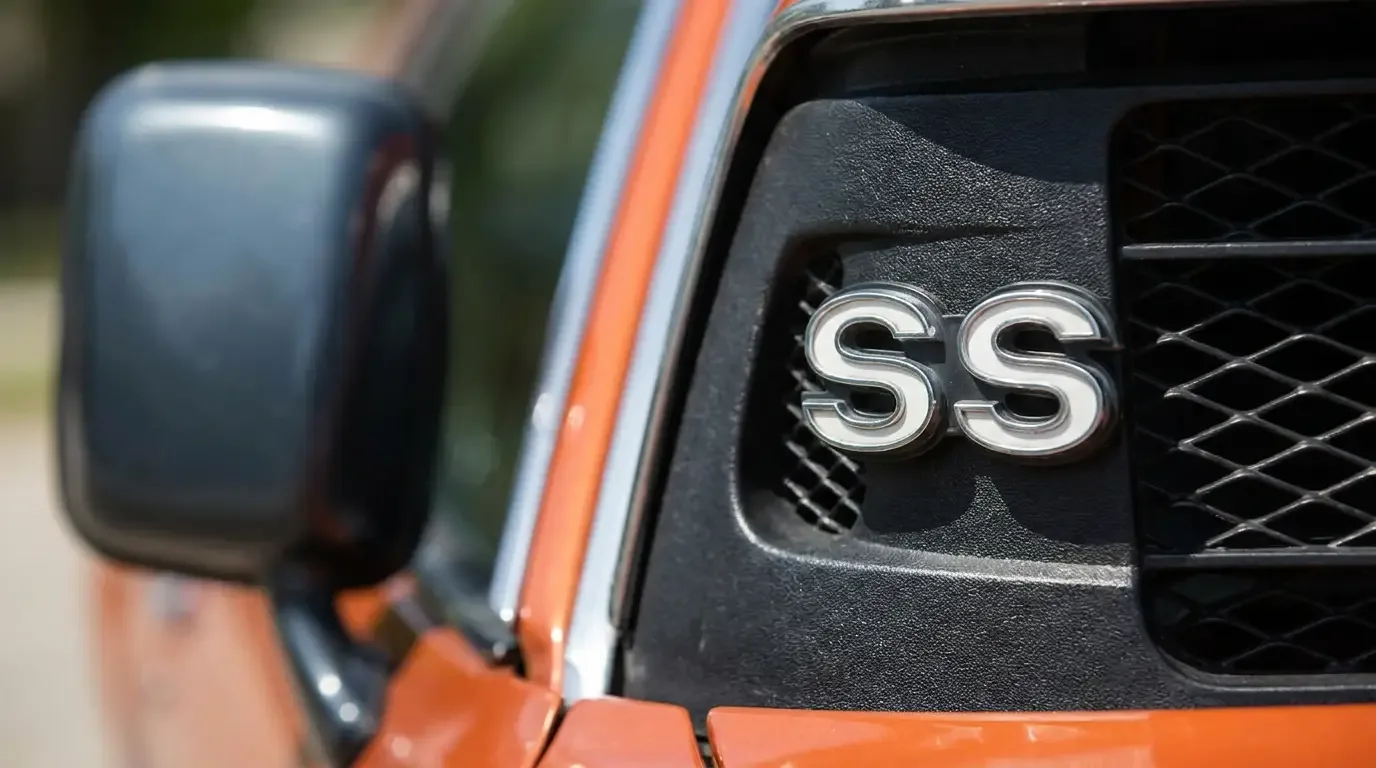
Ordering RPO Z15 on a 1973 Chevelle Malibu got you a specific visual and mechanical package: SS badging on the grille, fenders, and rear panel, a blacked-out or contrasting-color grille treatment, dual sport mirrors, a specific instrument cluster with additional gauges, and a suspension package tuned firmer than the standard Malibu setup, including a larger front stabilizer bar. It did not, on its own, guarantee a big-block engine. That's the detail that trips up people shopping this generation today. You could order Z15 with a 350 small-block just as easily as with the 454, and plenty of surviving cars were built exactly that way.
The engine sheet for SS-equipped 1973 Chevelles ran from the 350 cubic-inch small-block up through the 454 big-block, with the 454 rated at 245 net horsepower for the year, reflecting the SAE net measurement standard that had replaced gross ratings across the industry by 1972. That number reads soft against the gross-rated 454s from 1970 and 1971, but the actual hardware, compression, cam, and induction, hadn't been gutted to nearly the degree the raw horsepower figure suggests on its own.
| SS engine option, 1973 | Displacement | Approx. net horsepower |
|---|---|---|
| Small-block V8 | 350 cid | 145 to 175 hp depending on carburetion |
| Big-block V8 | 454 cid | 245 hp |
Why the badge didn't survive past 1973
Several forces converged on the SS package at once. Insurance surcharges on performance-badged cars had been climbing since the late 1960s, and by the early 1970s a Chevelle with SS on the fender cost noticeably more to insure than an equivalent Malibu without it, regardless of what engine actually sat under the hood. The 1973 oil embargo hit in October of that year, reshaping buyer priorities toward fuel economy almost overnight. And GM was already leaning corporate strategy toward the Malibu Classic as its top-trim Colonnade offering rather than a performance sub-model. Put those three pressures together and the SS package had a shrinking constituency of buyers willing to pay the insurance premium for a name that no longer guaranteed serious power anyway.
Chevrolet didn't announce a dramatic farewell for the badge. It simply didn't reappear on the 1974 order sheet, and the Chevelle line moved forward without an SS option for the balance of the Colonnade generation. Buyers weren't exactly rushing the option in its final year either: Chevrolet sold 28,647 Z15 packages in 1973, roughly 12 percent of Chevelles that could have carried the option, and only about 2,500 of those were built with the 454. What that means for today's collector market is straightforward: 1973 is the last Colonnade-era Chevelle you can order documentation for that carries genuine factory SS production, not a later tribute or clone built up after the fact, and a documented 454 car from this year is genuinely scarce.
What to look for in a documented car
Verifying a 1973 SS today comes down to the same discipline that applies to any factory-package muscle car: match the trim tag and cowl tag data to the RPO codes on the broadcast sheet or dealer invoice if one survives, and cross-check that the VIN's engine-plant code lines up with what's actually under the hood. A surprising number of Malibus on the market today wear reproduction SS badging and stripe kits without ever having carried Z15 from the factory. That's not automatically dishonest if the seller discloses it clearly, but it changes what you're paying for. A genuinely documented Z15 car, especially a 454, commands a real premium over a tribute build, and that premium only holds up if the paperwork backs it.
Beyond the paper trail, a few physical details are worth checking in person. The Z15 suspension package included a specific front stabilizer bar diameter larger than the standard Malibu setup, and on a car that's been through a suspension rebuild without documentation, that bar is one of the easier things to verify against factory parts specifications. The instrument cluster is another tell. Z15 cars came with additional gauges beyond the base Malibu's warning-light setup, and a dash with the full gauge package but no corresponding RPO code on the trim tag is a sign the car has been dressed up after the fact rather than built that way on the line.
"The SS badge on a 1973 Chevelle tells you less than people assume. It's the RPO code on the invoice, matched to the trim tag on the car, that tells you what you're actually looking at. Everything else is a guess dressed up as confidence."
Tom Ramirez
Where this fits in the chevelle's story
The 1973 SS closes out a lineage that started in 1964, and it does so quietly rather than with any real send-off from Chevrolet. Understanding it means understanding the pressures on the whole Chevelle lineup during the Chevelle's later era, when insurance costs, emissions rules, and the coming fuel crisis were reshaping what a midsize performance car could be. If you're shopping this specific year, current 1973 SS Chevelles for sale range widely in price depending on documentation quality and engine option, and it's worth taking the time to verify before assuming a car is what the seller says it is.
The nameplate that replaced SS as Chevrolet's top-trim story for this generation deserves its own look, and next: Chevelle Laguna 1973-74 picks up exactly where this one leaves off.
Sources and notes
- For Just A Single Year You Could Buy A Chevrolet Chevelle Malibu SS Wagon With A Giant 7.4L V8: The Autopian1973 Z15 production totals and 454 attach rate.
- 1973 Chevrolet Chevelle Malibu SS 454 Wagon: Curbside ClassicRPO Z15 package details and final-year context.
- Chevelle RPO Options by Model Year: ChevelleStuff.netZ15 RPO code history and availability by year.
- 1973 Chevrolet Chevelle SS 454 Coupe 4-speed Specs Review, automobile-catalog.com454 net horsepower and torque rating.
- 1973 oil crisis: WikipediaOctober 1973 OPEC embargo timeline.
- Chevrolet Chevelle: WikipediaSS badge discontinuation after 1973.
Related Reading
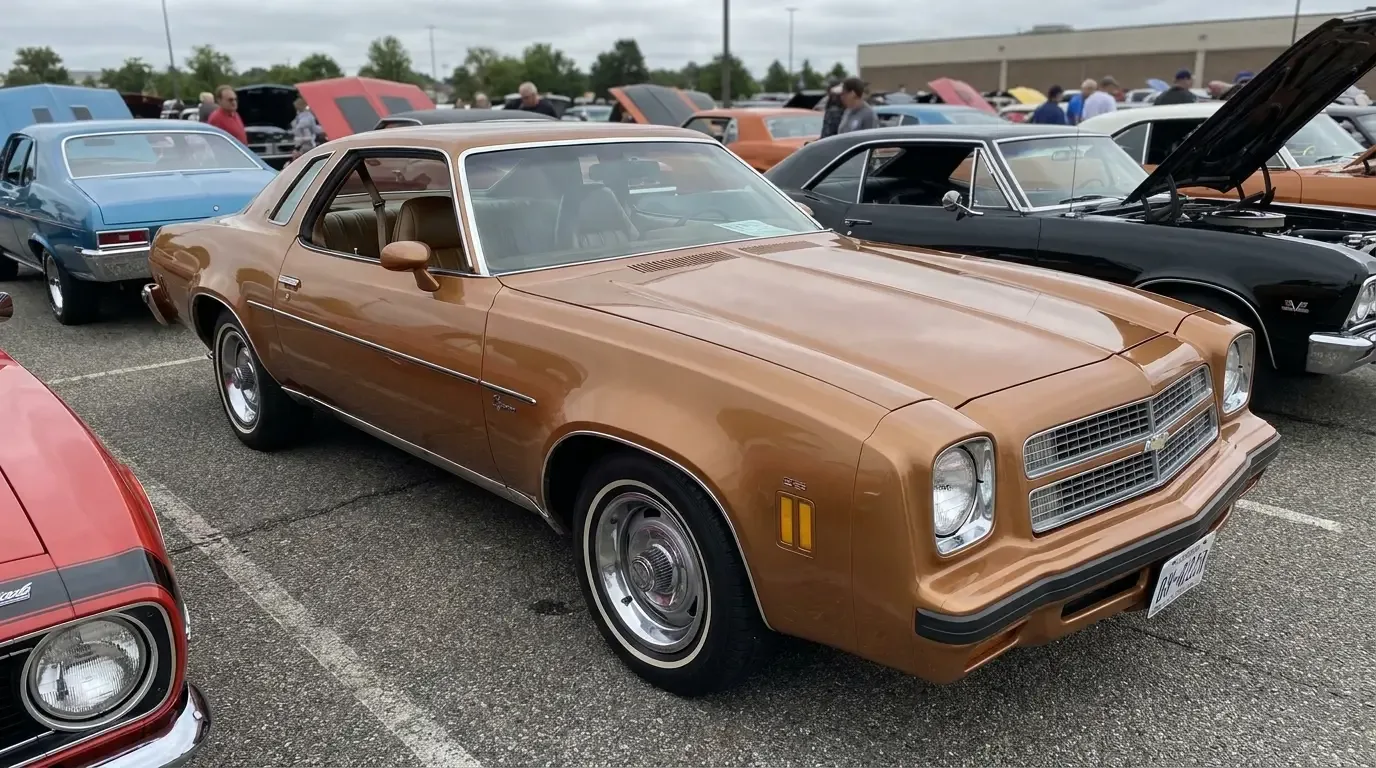
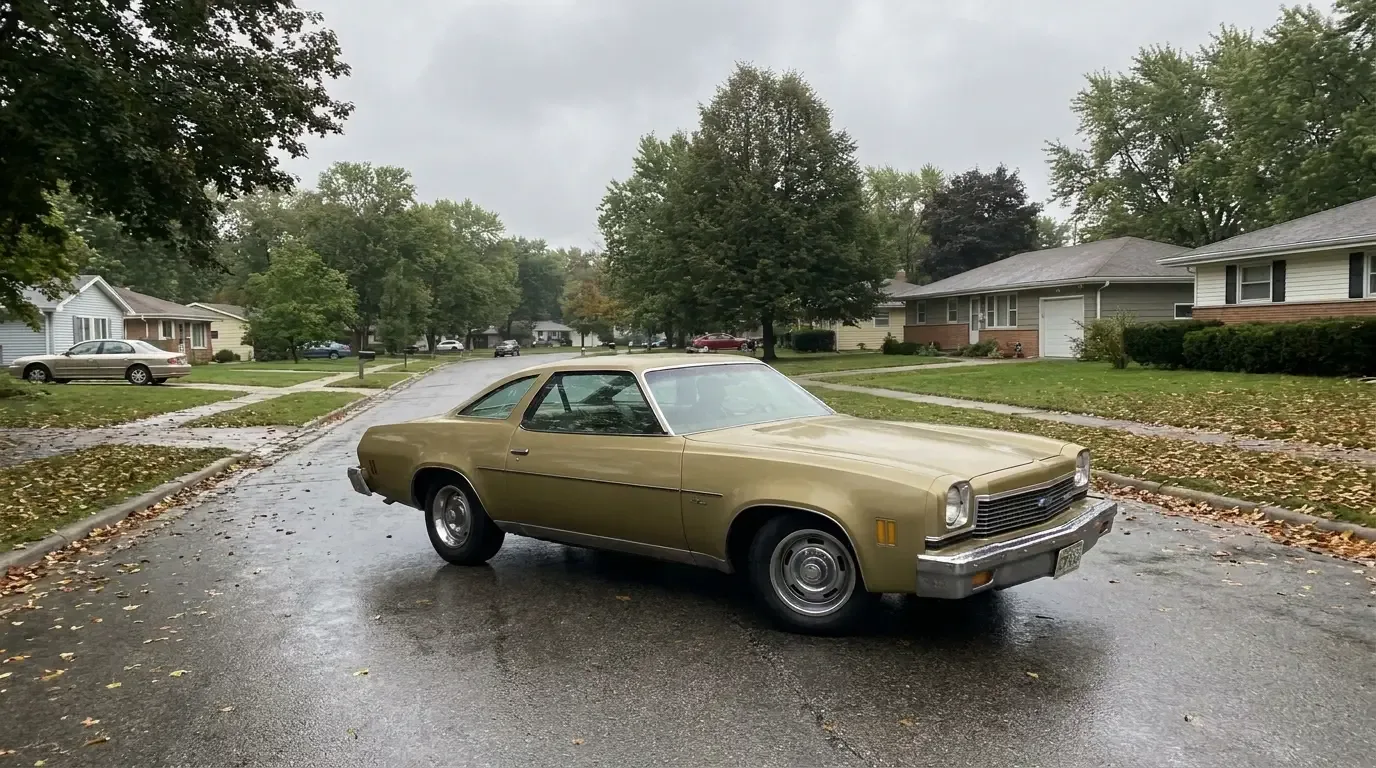
Have a
Chevrolet Chevelle
for Sale?
Reach thousands of serious classic car collectors across the US.
Sell It Here →
Are You a Classic Car Dealer?
List your full inventory and connect with targeted classic car buyers.
Join as a Dealer →

About the author
Tom Ramirez
Corvette researcher and historian based in Bowling Green, Kentucky. Two decades documenting Corvette production history from original factory records.
Related Listings - Chevrolet Chevelle
More in History & Heritage
Comments
Be the first to comment on this article.