The engine that cost more than the car
In 1969, if you wanted the most exotic engine Chevrolet ever offered in a production Corvette, you'd write a check for $4,718.00. Just for the engine. A base Corvette that year stickered around $4,438. So you were paying more for the option than for the car underneath it. That's the ZL1 427, and that price tag alone tells you something about what kind of machine this was.
I've been around a lot of exotic factory iron over the years, spent time at the Grand National Roadster Show looking at stuff that makes most builders weep, and I'll tell you straight: the ZL1 is not some overblown legend. It's the real thing. An all-aluminum 427 cubic inch V8, block and heads, developed for Can-Am racing, dropped into two Corvettes in 1969 as a factory option. Two. Not two hundred. Two. Understanding how that happened, and what those two cars represent, is worth your time.
Can-Am racing built this engine, not the street
The ZL1's origins have nothing to do with street cars. In the mid-1960s, the Can-Am series was the most technically unrestricted road racing championship in North America, and Chevrolet's racing division was deep into developing big-block aluminum engines to go wheel-to-wheel with the McLarens and Lolas. Weight was the target. Cast iron made power; aluminum made the same power for roughly 160 pounds less. That weight difference matters enormously in a racing car.
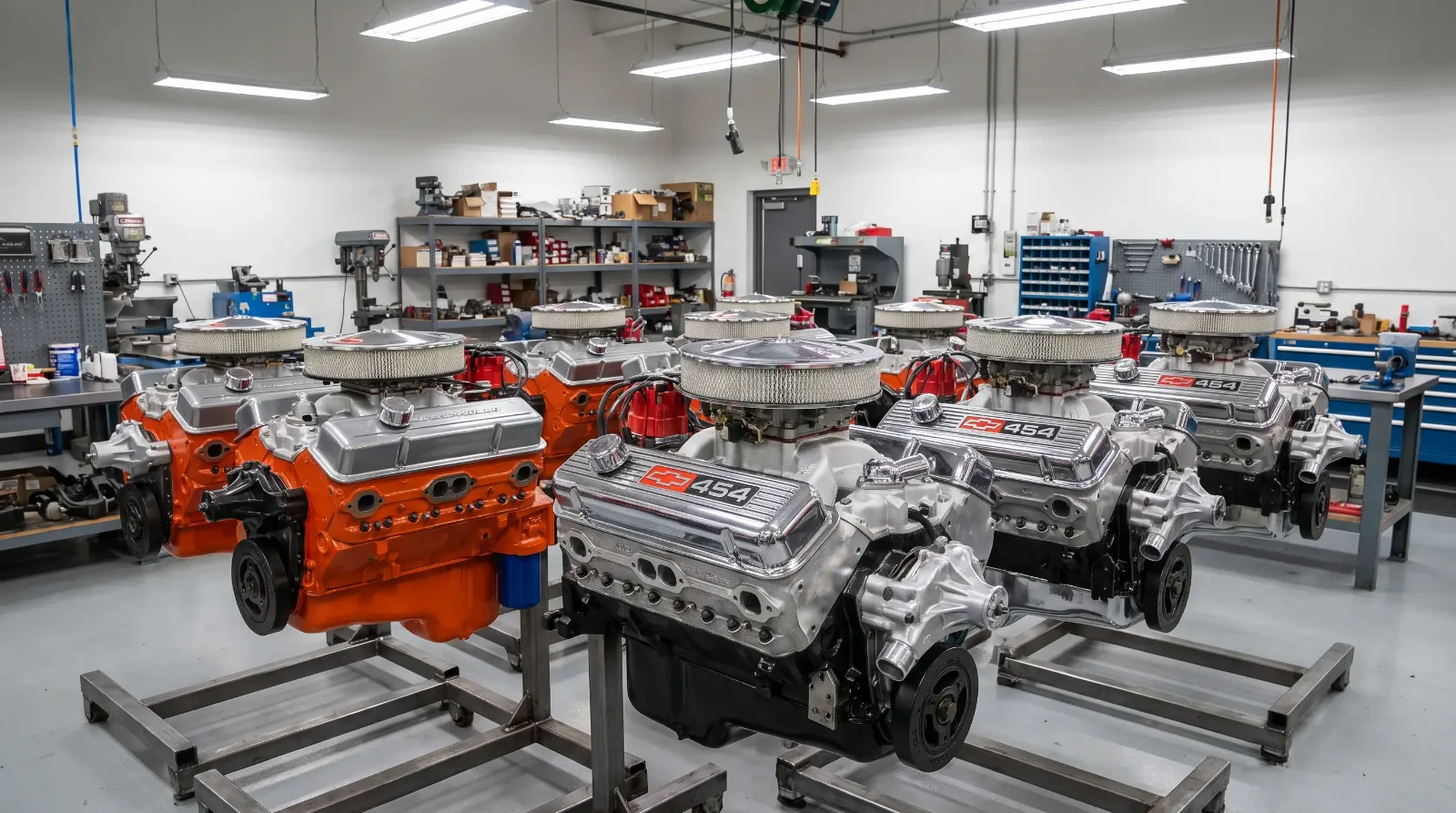
The ZL1 block was all aluminum from the start, with special iron cylinder liners pressed in. The heads were aluminum as well, sharing their basic architecture with the iron L88 heads but saving significant mass. The result was a 427 cubic inch engine that weighed roughly 500 pounds, compared to about 685 pounds for the iron-block L88. On a race track, that's the difference between a car that handles and one that plows.
Vince Piggins at Chevrolet's product performance department had a long history of finding ways to get racing hardware into street vehicles through creative use of the ordering system. The COPO (Central Office Production Order) route let dealers order non-standard configurations directly from the factory, bypassing normal option restrictions. That's how the ZL1 made it into Camaros in meaningful numbers. For the Corvette, the path was narrower still.
What separated the ZL1 from the L88
To understand what the ZL1 was, you need to understand what it wasn't. The L88 was already the most extreme engine Chevrolet offered in the 1969 Corvette. Iron block, aluminum heads, solid lifter cam, 12.5:1 compression, and a factory rating of 430 hp that fooled nobody. Real-world output on an L88 was closer to 500 hp, possibly more depending on the dyno. Chevrolet published the conservative number to keep insurance companies and drag strips from paying too much attention.
| Specification | ZL1 427 | L88 427 |
|---|---|---|
| Block material | Aluminum | Cast iron |
| Head material | Aluminum | Aluminum |
| Displacement | 427 cu in (7.0L) | 427 cu in (7.0L) |
| Factory hp rating | 430 hp | 430 hp |
| Estimated actual output | 500+ hp | 500+ hp |
| Compression ratio | 12.0:1 | 12.5:1 |
| Approximate engine weight | ~500 lbs | ~685 lbs |
| Carburetor | Single Holley 850 CFM | Single Holley 850 CFM |
| Corvette production units | 2 | 116 (1969) |
| Engine option price (1969) | $4,718.00 | $1,032.15 |
The ZL1 was rated identically to the L88 on paper. Same 430 hp number. Same basic configuration. The difference was the block. The ZL1's all-aluminum block brought that 160-pound weight savings, which in a fiberglass sports car already light by American standards made real handling and acceleration differences. In a Camaro, which carried more mass up front, the weight reduction was even more dramatic in its effects on front-to-rear balance.
The compression ratio difference is worth noting too. The ZL1 ran at 12.0:1 versus the L88's 12.5:1, which was still demanding enough to require racing fuel, but slightly more manageable. Neither engine had any business on public roads running pump gas, and both required the buyer to understand they were taking home a race engine with license plates.
"Two Corvettes got the ZL1. I've seen both of those COPO Camaros come through Southern California over the years and held my breath every time. There's factory exotic, and then there's this. When you're looking at an all-aluminum 427 that left the factory with a price tag bigger than the car itself, you're looking at the absolute edge of what the factory was willing to do."
— Jim Vasquez
Why only two Corvette installations
The price was the answer, and also the barrier. At $4,718, the ZL1 option cost more than a complete base Corvette. Most buyers ordering a Corvette in 1969 could not, or would not, spend that kind of money on a single option that came with no radio, no comfort features, no concessions to daily driving. The L88 at $1,032 was already the province of serious racers. The ZL1 was in a different category entirely.
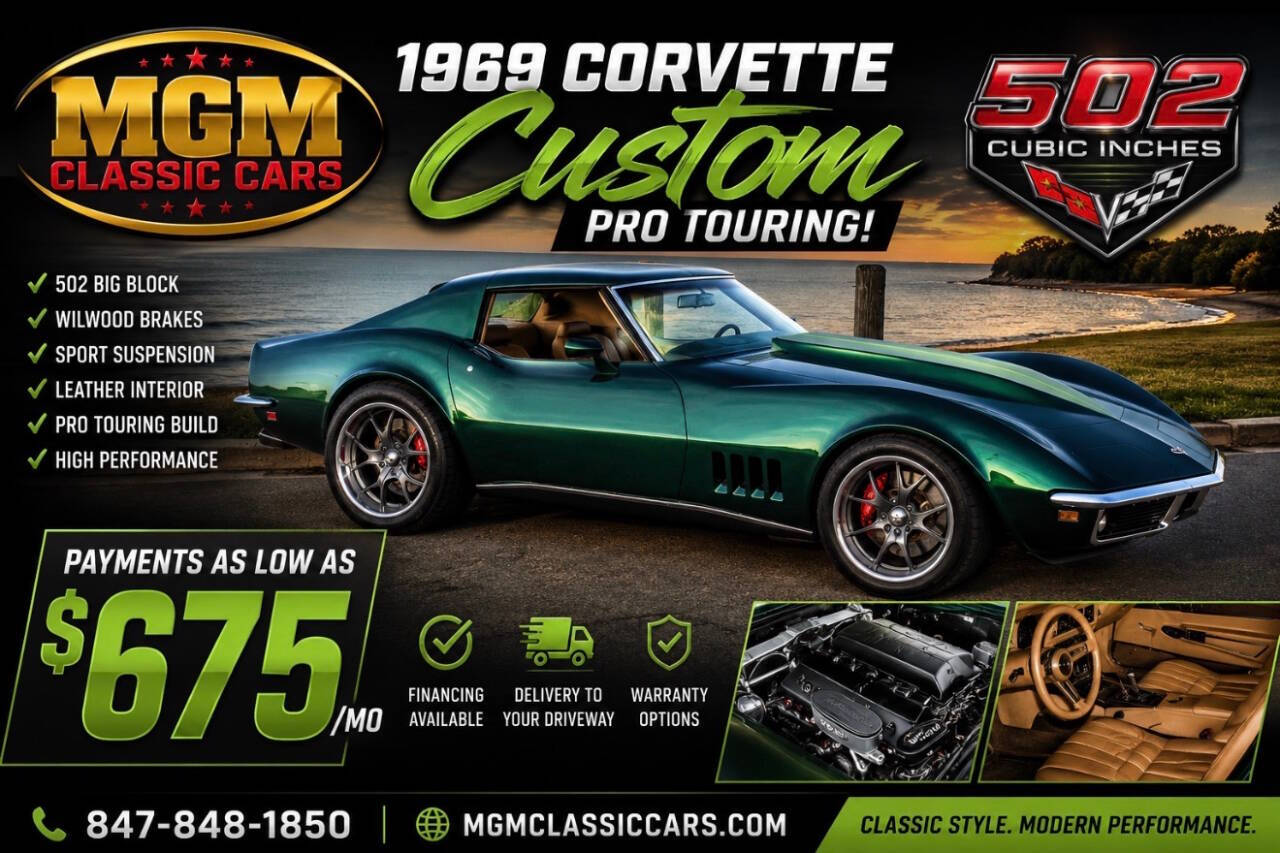
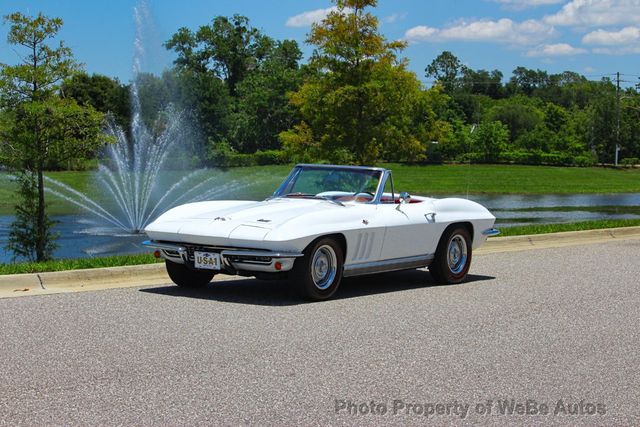
Only two customers pulled the trigger on a ZL1-equipped Corvette. Both cars were built in 1969. Documentation on both has been scrutinized by Corvette historians over the decades, and both are confirmed as genuine factory ZL1 installations. They represent a unique intersection: the most racing-specific engine Chevrolet ever put in a production car, fitted to the car it was most naturally suited for, twice.
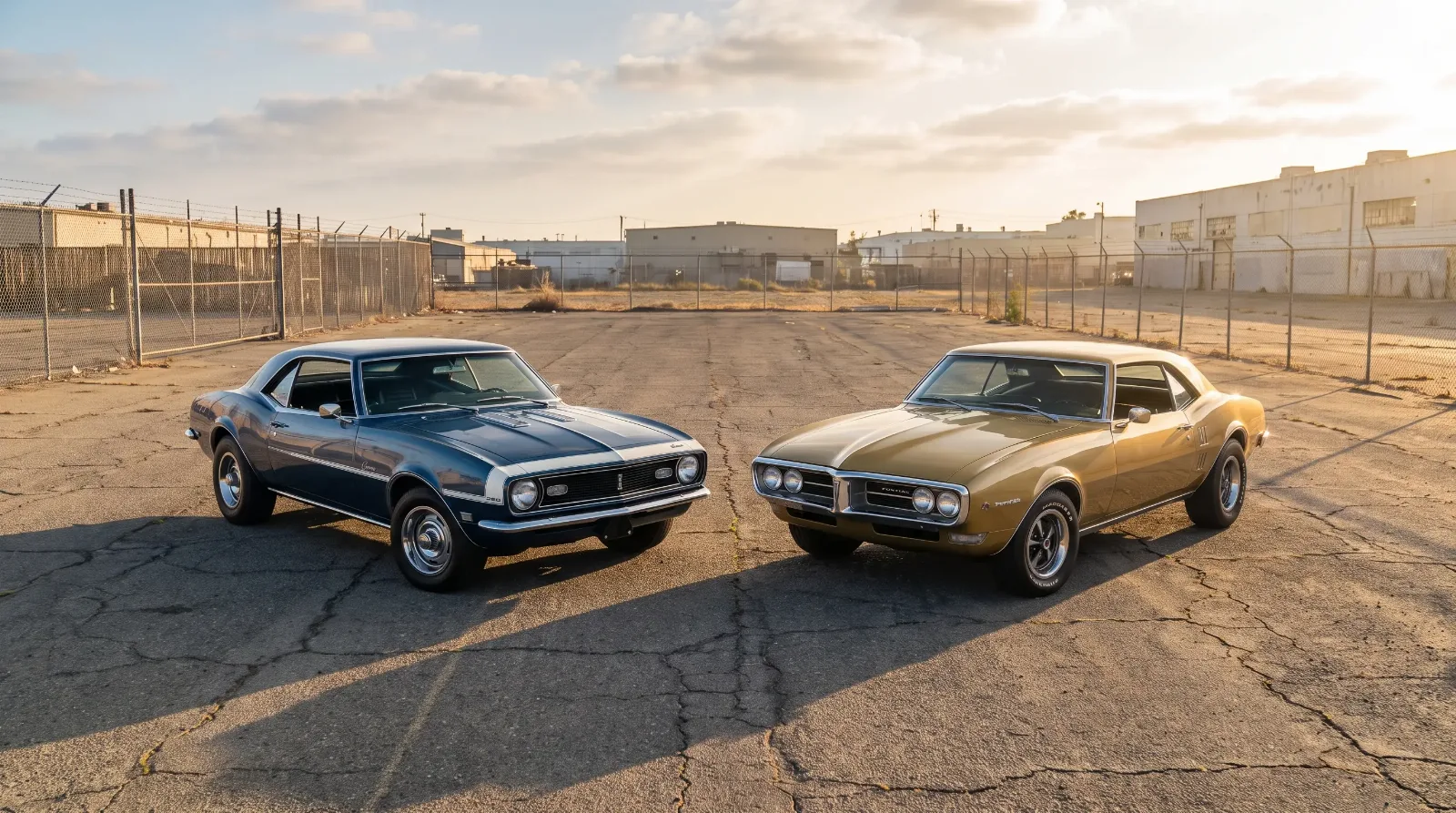
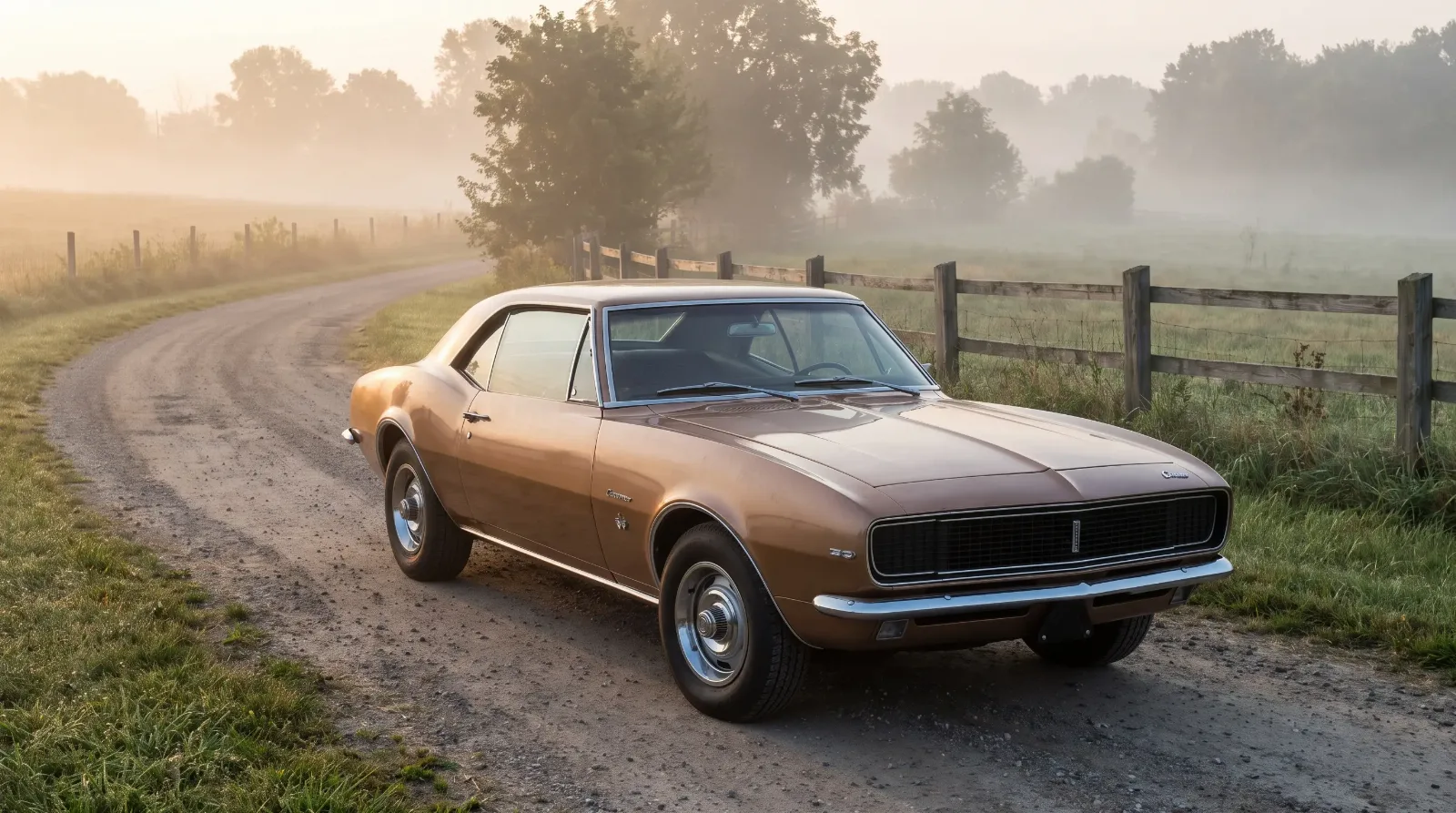
The COPO Camaro route allowed considerably more units because the economics were different. A Camaro with the ZL1 option total-stickered at a number that, while significant, didn't require spending nearly as much as the car itself on a single powertrain option. Chevrolet reportedly built around 69 COPO ZL1 Camaros, primarily through Fred Gibb Chevrolet in LaHarpe, Illinois, though the exact number is subject to continued research. The Corvette versions, with that impossible price barrier, stopped at two. For a deep look at how rare factory options shaped the Corvette's history, the full Corvette special editions history puts the ZL1 in context alongside the other factory experiments that rarely made it past the ordering stage.
What these cars are worth now, and what they mean
Any conversation about 1969 Corvette values starts with the L88 and ends with the ZL1 somewhere in the stratosphere. A documented, correctly optioned L88 Corvette from 1969 is already one of the most sought-after American cars of the postwar era. L88 Corvettes have sold at major auctions for $800,000 to well over $1 million depending on condition, provenance, and documentation. The ZL1 examples, being two known cars, operate outside normal market comparables.
With only two factory examples, the ZL1 Corvette is less a market category than a museum piece that occasionally changes hands. These cars are documented, tracked, and known to the Corvette research community. The National Corvette Restorers Society (NCRS) and Bloomington Gold authentication processes treat the ZL1 as the highest tier of factory documentation because there are no ringer cars to worry about. There are only two, and everyone in the serious Corvette community knows roughly where they are.
If you want to experience a ZL1-powered car from 1969 in a form that's actually attainable, the COPO Camaros are your path. Documented ZL1 Camaros have sold in the $300,000 to $600,000 range depending on condition and documentation, which puts them in serious territory but within reach of a determined collector. The Corvette installations exist above that, in a category where price is almost secondary to provenance and access.
For anyone researching what's actually available in the market, Chevrolet Corvette listings on Classic Cars Arena give you a real-time picture of what documented performance Corvettes are trading at, from driver-quality L88s to the concours examples that show what the top of the market looks like.
Sources and notes
- Antonick, Michael. Corvette Black Book 1953-2023. Michael Bruce Associates. Production figures and option codes for 1969 Corvette including L88 and ZL1 installations.
- Falconer, Ryan and Mike Hanley. Chevrolet Big-Block Muscle Cars. Motorbooks International. ZL1 engine specifications and Can-Am racing development context.
- Leffingwell, Randy. Corvette: America's Sports Car. Motorbooks International. Factory Corvette history including special-order performance options.
- National Corvette Restorers Society (NCRS). Technical Information for 1969 Corvette. Documentation standards and authentication criteria for L88 and ZL1 Corvettes.
- Sessler, Peter C. Corvette Buyer's Guide 1953-1967. Motorbooks International. Background on factory Corvette performance option pricing and ordering procedures.
- Huntington, Roger. American Supercar. HP Books. Period coverage of the ZL1's Can-Am origins and factory racing program context.