
I once sat next to a guy at a car show in Nashville who told me, dead serious, that his favorite band named itself after his favorite car. He wasn't wrong, exactly, but the story is a little more tangled than the bumper-sticker version. The rock band Chevelle, the one that gave you "The Red" and "Send the Pain Below" on classic rock radio for the better part of two decades, really did take its name from the Chevrolet muscle car. What gets lost in translation is why, and how much of that origin story has calcified into internet folklore along the way.
Ownership & Lifestyle
6 min read
The Band Chevelle: Untangling the Name From the Car
The rock band Chevelle really did borrow its name from the Chevrolet Chevelle. Here's the real story behind the overlap, and why it still confuses search results.
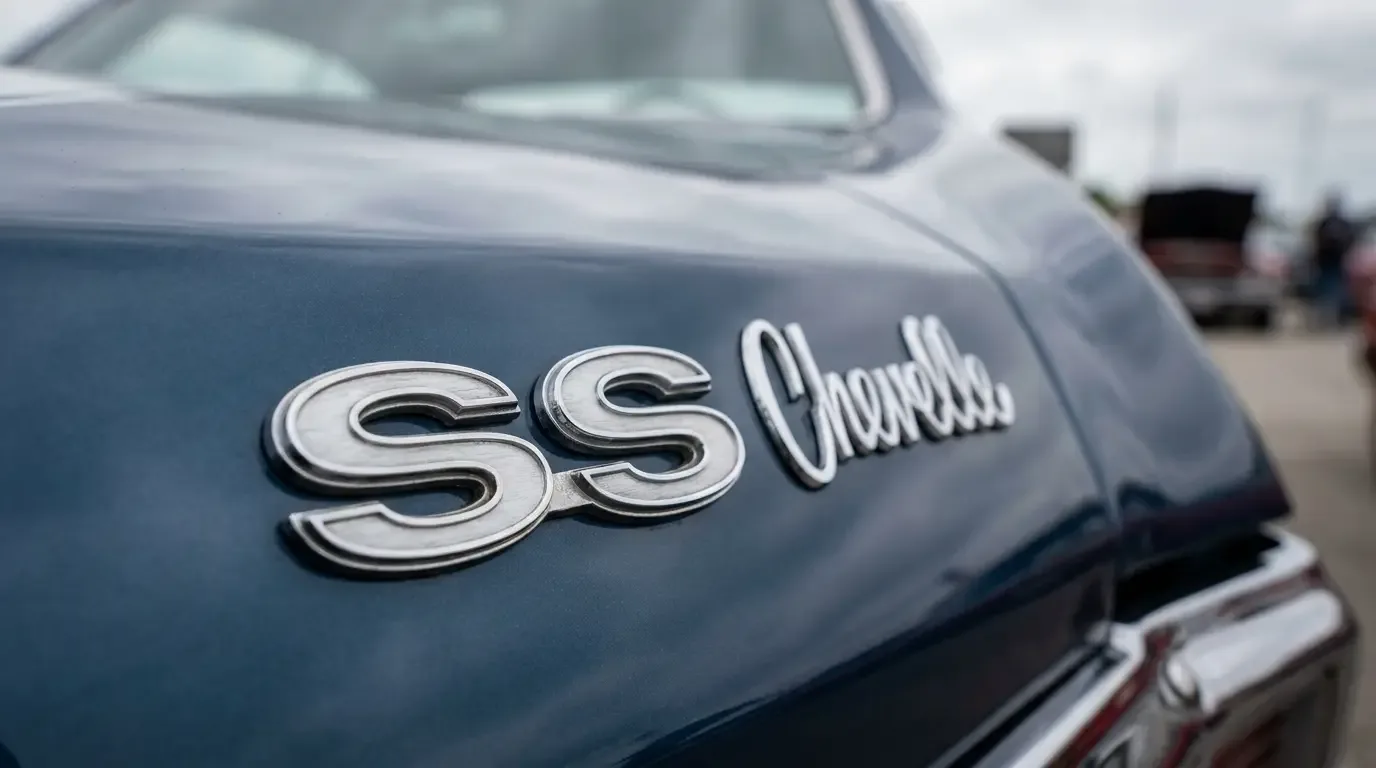
This is one of those quirks of the internet age where a search for one thing keeps surfacing the other. Type "chevelle" into a search bar and you'll get concert tour dates mixed in with 1970 SS396 listings, and depending on which decade you grew up in, that might be mildly annoying or genuinely confusing. So let's untangle it, because the two things share a name, share a certain muscular American identity, and not much else.
Where the band's name actually comes from
Chevelle the band formed in 1995 in Grayslake, Illinois, a Chicago suburb, built around brothers Pete Loeffler on guitar and vocals and Sam Loeffler on drums, with a rotating bass chair (original bassist Matt Scott, then youngest brother Joe Loeffler, and eventually brother-in-law Dean Bernardini, who held the spot from 2005 to 2019). The band's name is widely reported as a nod to the Chevrolet Chevelle, a car popular in the Midwestern hot rod scene the Loeffler brothers grew up around and one their father favored, which is a detail that fits the broader trend of American rock and metal acts in that era reaching for names with muscle and grit rather than something abstract. Alternative and post-grunge bands of the late 1990s were drawn to names that sounded American, mechanical, blue collar. Chevelle fit that mold perfectly, and it didn't hurt that the word itself sounds sharp when shouted from a stage.
What the band didn't do, at least publicly, is lean hard into car imagery in their branding. No hood-scoop logos, no muscle car album covers. The connection is mostly in the name itself and the occasional interview where a member confirms the origin story, which is part of why casual fans sometimes don't realize there's a real car behind the band name at all.
Why the confusion actually matters for search
For anyone running a search for parts, listings, or history on the actual Chevrolet Chevelle, the band's popularity creates real friction. A hit song can dominate search results for a stretch, pushing automotive content further down the page, and car forums have groused about this for years, usually in threads with titles like "why can't I find anything about my car anymore." It settled down as search engines got better at reading intent, factoring in whether someone searched "chevelle tour dates" versus "chevelle for sale," but the overlap never fully disappeared, and it's the reason so many owners default to typing "Chevrolet Chevelle" instead of just "Chevelle" out of habit.
The band, for its part, never seemed bothered by the association. If anything, it probably helped keep the car's name circulating among a generation of listeners who might never have set foot at a muscle car show otherwise. There's an entire cohort of people who know the word "Chevelle" primarily as a rock band and only later discover, usually at a stoplight next to a 1970 SS, that it's also one of the most recognizable A-bodies GM ever built. That secondary discovery is part of a bigger pattern worth reading about in the Chevelle's screen legacy, which covers how the car has kept surfacing in places well outside the collector car world.
How the two Chevelles compare, side by side
Laid out next to each other, the overlap is almost entirely cosmetic. One is a car built in Flint and Baltimore assembly plants starting in the 1964 model year. The other is a four-piece rock outfit out of the Chicago suburbs. Here's the quick version for anyone who's still mixing the two up in casual conversation.
| Detail | Chevrolet Chevelle (the car) | Chevelle (the band) |
|---|---|---|
| Origin | Introduced by Chevrolet for the 1964 model year | Formed in 1995 in Grayslake, Illinois, near Chicago |
| Named for | GM's mid-size platform naming, evoking motion and elegance | A nod to the Chevrolet Chevelle, a car the founders' father favored |
| Peak era | Late 1960s through early 1970s muscle car boom | Early-to-mid 2000s post-grunge and alternative metal radio |
| Best known for | SS396 and SS454 performance variants | Singles like "The Red" and "Send the Pain Below" |
Why the name still works for both
There's a reason nobody ever seriously suggested the band change its name to avoid the mix-up, and it's the same reason the car's name has aged well over sixty years. Chevelle sounds fast, sounds a little dangerous, and doesn't sound like anything else in either its genre or its automotive segment. GM's naming committees in the early 1960s weren't thinking about future rock bands when they landed on it, but they picked a word with staying power, one that a group of guys from the Chicago suburbs would still find worth borrowing three decades later.
For enthusiasts who stumbled onto the car through the band, or the other way around, the good news is there's a real, driveable piece of history behind the name once you get past the search engine noise. If a stoplight encounter or a deep YouTube rabbit hole is what brought you here, the story of how this platform earned its reputation is worth the full read, and next: Celebrity Garages keeps the pop culture thread going by looking at who else outside the car world has ended up owning one.
"I've had readers email me convinced I misspelled a band name in a car article. I hadn't. Sometimes a great name just gets used twice, by two completely different groups of people who both had good taste."
Patrick Walsh
The bottom line for confused searchers
If you landed here trying to figure out whether the band Chevelle is somehow connected to the Chevrolet Chevelle beyond the name, the honest answer is that the connection is real but shallow. One borrowed a word from the other out of genuine appreciation, and both have gone on to build entirely separate legacies under it. The car doesn't need the band's fame, and the band clearly never needed the car's specs, but the shared name has quietly linked two very different corners of American culture for the better part of thirty years, and it's probably going to keep doing that for a while longer.
Sources and notes
Related Reading
Have a
Chevrolet Chevelle
for Sale?
Reach thousands of serious classic car collectors across the US.
Sell It Here →
Are You a Classic Car Dealer?
List your full inventory and connect with targeted classic car buyers.
Join as a Dealer →

About the author
Patrick Walsh
Automotive journalist covering classic car shows, events, and the enthusiast community across North America.
Related Listings - Chevrolet Chevelle
More in Ownership & Lifestyle
Comments
Be the first to comment on this article.