
Walk the staging lanes at any large street rod gathering early on a show morning and you will find a quiet building or a roped-off row of stalls where cars line up without their owners hovering. Inside, a volunteer in a club shirt slides under a chopped Ford, runs a hand along a brake line, wiggles a tie-rod end, and makes a note on a clipboard. There is no trophy here. No spectators. Just a checklist and a car that either passes or comes back with a list of things to fix. This is the NSRA Safety 23, and for a certain kind of street rodder it matters more than any award on the field.
Ownership & Lifestyle
7 min read
The Street Rod Safety Inspection Culture
The NSRA Safety 23 gives away no trophies. Here is what the 23-point street rod inspection checks and why the culture prizes it.
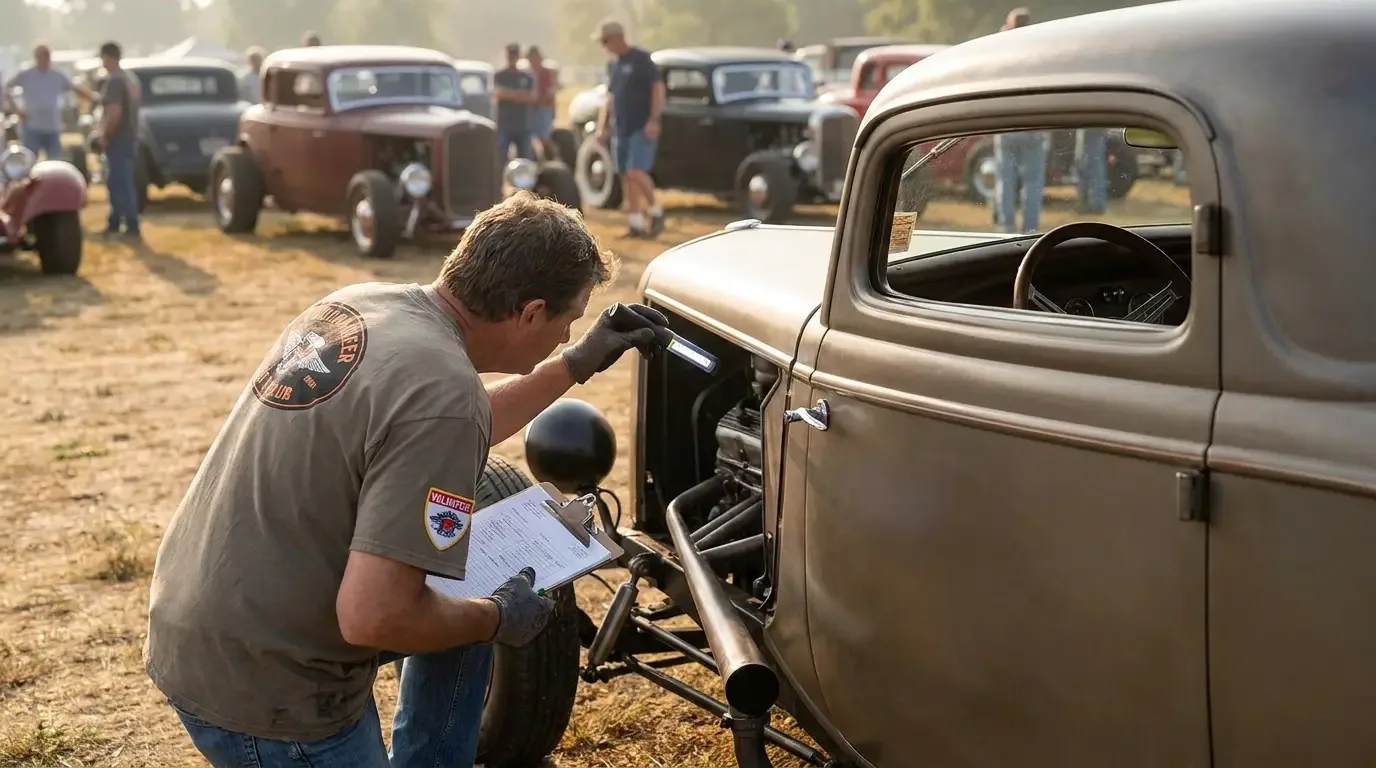
The National Street Rod Association built its Safety 23 program around a simple idea. A street rod is a car people drive, sometimes hundreds of miles to a show, and a homebuilt car with a swapped engine, a shortened driveshaft, and a fabricated brake setup deserves a second set of eyes before it goes back on the highway. What started as a way to reduce the number of cars limping home on the shoulder grew into one of the defining rituals of the hobby.
What the Safety 23 actually checks
The name tells you the structure. Twenty-three inspection points, grouped into systems, worked through in a fixed order by a trained volunteer. The list is not secret and it is not complicated. It is the same set of things a good mechanic checks on any car, applied to vehicles that were often assembled in a home garage from parts that never came together at a factory.
The inspection covers the systems that hurt you when they fail. Steering and suspension components get checked for play and proper fasteners. Brake lines are traced for chafing, kinks, and secure mounting. The fuel system is inspected for leaks and safe routing away from heat and exhaust. Wiring is checked for fusing, chafe protection, and clean grounds. Tires and wheels are looked over for condition and clearance. Nothing exotic. The point is coverage, not difficulty.
| System | Typical checks | Why it matters on a homebuilt |
|---|---|---|
| Steering | Tie-rod ends, box mounting, U-joint bolts, no free play | Swapped IFS and column parts rarely came from one kit |
| Brakes | Line routing, flex hose condition, secure mounts, no leaks | Mixed disc/drum plumbing is common and often DIY |
| Fuel | Leak-free lines, routing away from heat, secure tank | Relocated tanks and rubber line are a fire risk |
| Electrical | Fusing, chafe protection, clean grounds, no bare wire | Home wiring jobs cause a large share of car fires |
| Tires and wheels | Condition, air, clearance to fenders and frame | Wide wheels and dropped stances create rub points |
A car that passes gets a small windshield decal for the year. A car that comes up short gets the same clipboard sheet, only now the items are circled, and the inspector will talk the owner through what he saw. That conversation, not the sticker, is the part regulars keep coming back for.
Why the culture treats it as a badge, not a chore
Plenty of hobbies inspect cars. Concours judging measures paint and correctness. Track tech scrutinizes roll cages and belts. The Safety 23 is different because it judges nothing about how the car looks or how fast it goes. It only asks whether the car is safe to drive home. In a hobby built around driving, that turns out to be the highest compliment a car can earn.
Part of it is history. The street rod movement grew up under suspicion. For years, older cars with modern running gear existed in a gray zone with insurers, lawmakers, and inspection stations. The NSRA spent decades arguing that street rods were safe, well-built cars driven by responsible people. A free, structured, volunteer-run safety program was not just a service to members. It was evidence for that argument.
"I have watched a man with a fifty-thousand-dollar paint job get more genuinely proud of a two-dollar windshield sticker than of any trophy on his shelf. That sticker says his car is right underneath, and to that crowd, right underneath is the whole point."
Patrick Walsh
The other part is the people doing the inspecting. Safety 23 volunteers are usually longtime builders, the kind who have made every mistake a first-timer is about to make. When one of them slides out from under your car and says the rear brake line is rubbing the driveshaft loop, you listen, because he is not a bureaucrat. He is the guy who fixed the same problem on his own car twenty years ago. That peer-to-peer trust is what gives the program its weight.
How it shaped the safety norms of the whole hobby
The Safety 23 did something quieter than save individual cars. It set a shared standard for what a finished street rod is supposed to be underneath. Once thousands of owners had run their cars through the same checklist, the checklist became the baseline. Builders started plumbing brakes and routing fuel lines the way an inspector would want to see, not because a law required it but because that was how it was done.
You can see the influence in the way parts are sold today. Brake line kits come with proper clips. Wiring harnesses arrive fused and labeled. Chassis makers publish clearance specs. A lot of that reflects a market that learned what a safety inspector looks for and decided to build to it from the start. The program helped turn a scattering of garage practices into something close to a trade standard.
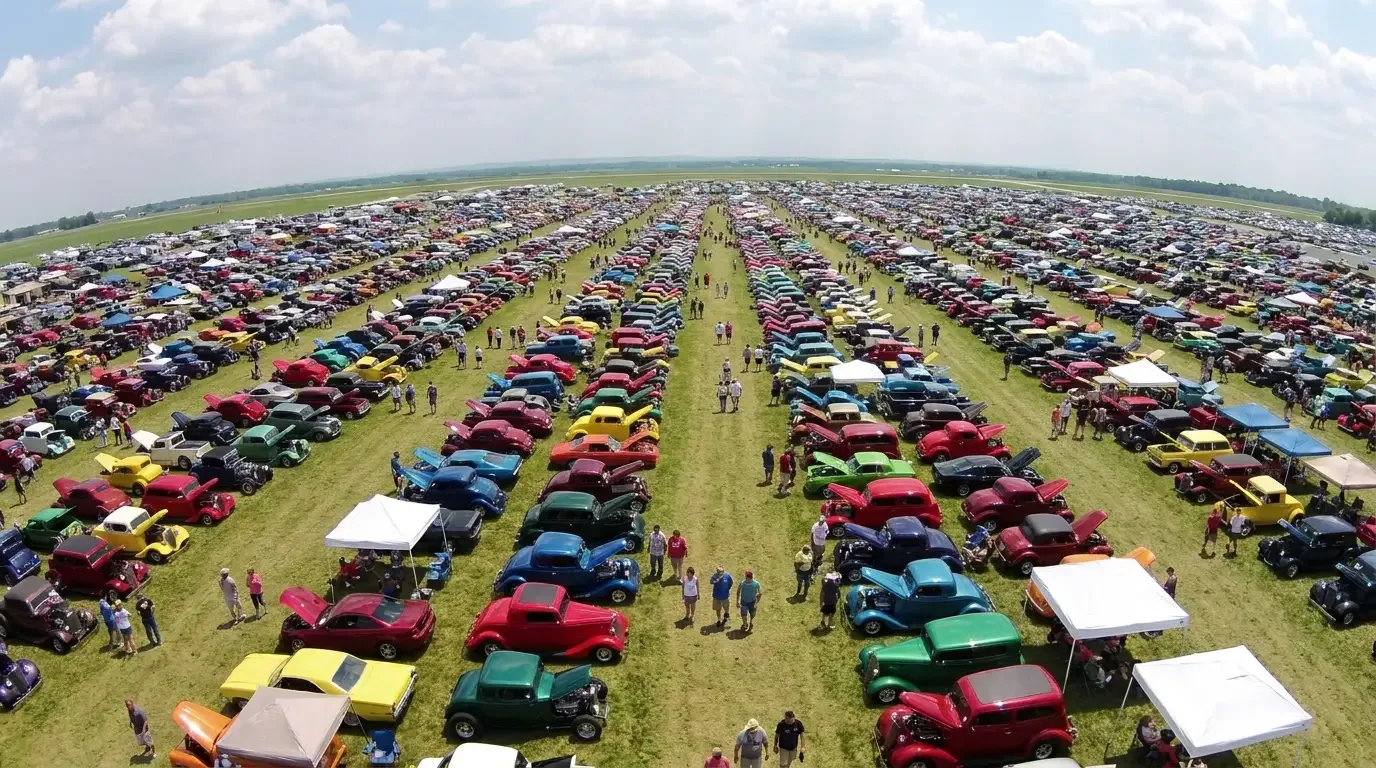
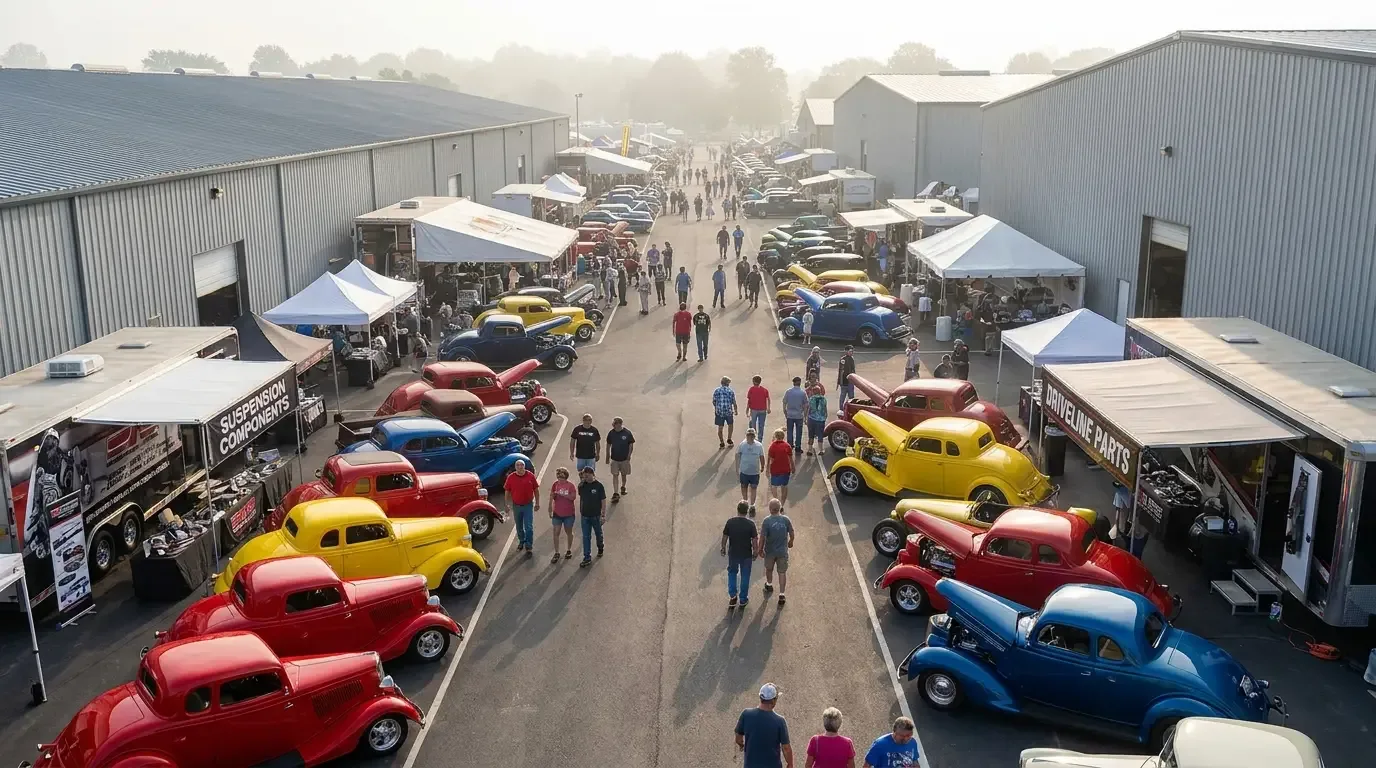
It also fed straight into the events that made the hobby visible. The inspection lanes are a fixture at the big street rod nationals, where the sheer number of cars driven in from across the country made a rolling safety check both practical and symbolic. A field full of decaled windshields was the association's best answer to anyone who claimed these cars were unsafe.
Where the inspection fits in the larger custom-car world
Not every modified old car lives under the Safety 23 umbrella, and that boundary is worth understanding. The program grew up around pre-1949 street rods, the driven, modernized cars the NSRA was chartered to represent. The same safety thinking carries over to later modified cars, but the culture and the paperwork trace back to that early street rod crowd. If you are trying to sort out where your own project sits, the distinctions in Street Rod vs Restomod map neatly onto why the inspection tradition took root where it did.
The larger lesson holds across all of it. A car built to be driven is a car worth checking, and a hobby that polices its own safety earns the right to be left alone by everyone else. The Safety 23 is a checklist. What it really certifies is a way of thinking about your car that the best street rodders never grew out of.
Sources and notes
- National club and registry program materials describing voluntary safety inspection practices.
- Period and enthusiast street rod press covering the growth of organized safety programs.
- Builder and volunteer inspector interviews on common homebuilt failure points.
- Aftermarket parts catalogs and chassis-maker clearance documentation.
Related Reading
Have a
Classic Car
for Sale?
Reach thousands of serious classic car collectors across the US.
Sell It Here →
Are You a Classic Car Dealer?
List your full inventory and connect with targeted classic car buyers.
Join as a Dealer →

About the author
Patrick Walsh
Automotive journalist covering classic car shows, events, and the enthusiast community across North America.
More in Ownership & Lifestyle
Comments (1)
S
Sal Giordano
1 month ago
Had a bad experience with a no-inspection purchase years ago. Never again. A specialist inspection is the best money you'll spend in this hobby.