
Here is how it usually plays out. Picture a seller with a '66 fastback and a buyer he never meets. The buyer is polite, a little formal in his emails, and he pays with a cashier's check for $4,000 more than the asking price. A mix-up with his business account, he says. Would the seller mind wiring the extra to the transport company? The bank's app shows the deposit as available, the wire goes out the same afternoon, and the transporter never shows. A week or two later the bank calls. The check was counterfeit, and the bank wants all of it back, the purchase price and the $4,000 the seller already sent away.
Market & Values
8 min read
Fake Cashier's Checks and Overpayment Scams
How the fake cashier's check scam on a car sale works, why available funds are not paid funds, and how to verify a check before the title goes.
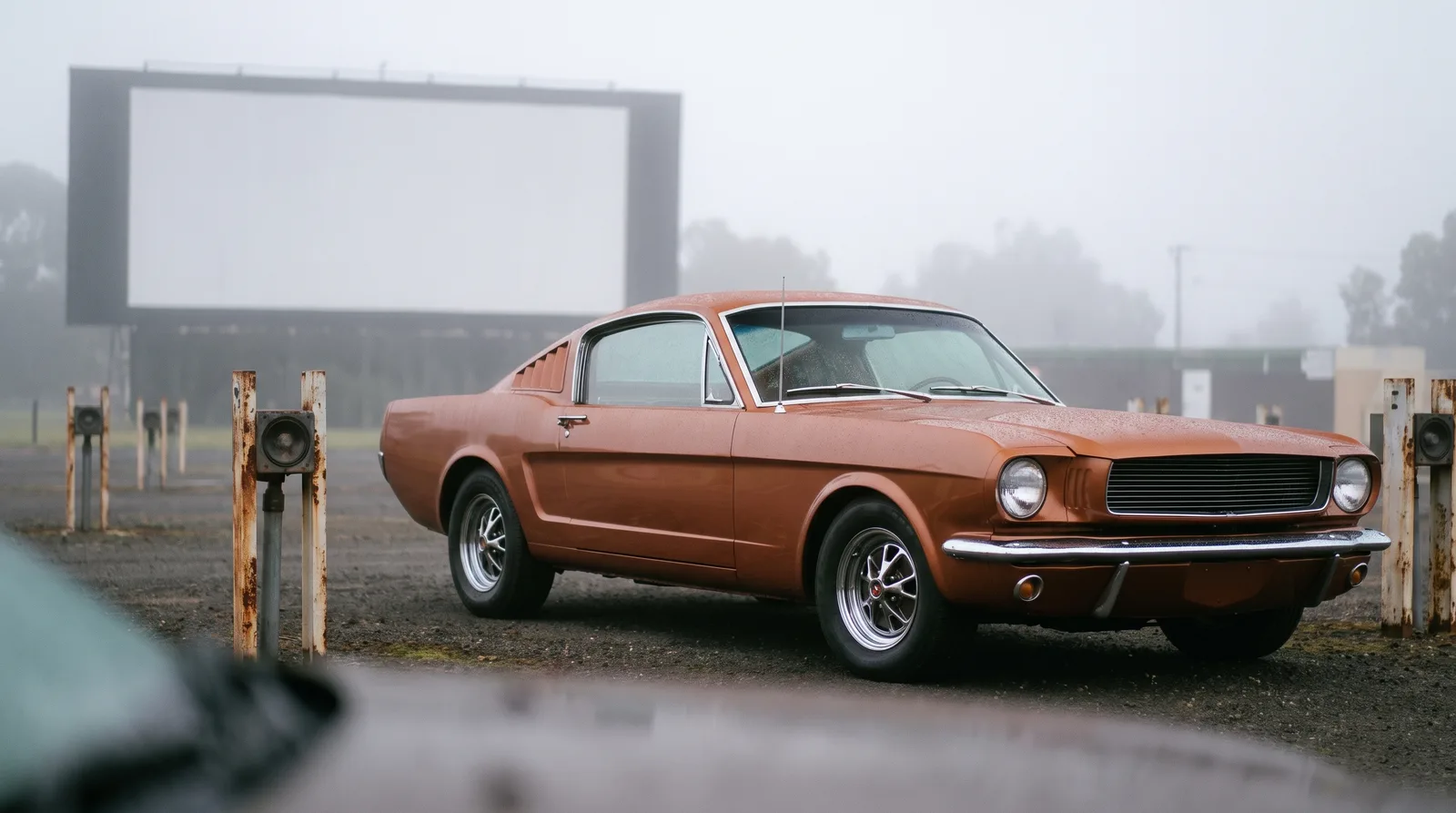
In that version the seller at least keeps the car, which is more than some people manage. But it shows what the paper trail could have told him at the start: the fake cashier's check scam on a car sale does not depend on fooling you about the check. It depends on fooling you about the calendar. This piece walks through how the overpayment play works, why your bank's "available balance" is not the protection it looks like, and how to verify a check so you never have to find out the long way. For the broader paperwork of selling a classic car, title to bill of sale, see the parent guide.
How the overpayment play is built
Every version follows the same bones. The buyer agrees to your price quickly and asks few questions about the car. They cannot come see it, for reasons that sound reasonable: a job overseas, a deployment, a sick parent. Then the check arrives, and it is for more than you agreed.
The excuse for the extra money varies. A secretary made an error. The check was cut to cover the car and the shipping together, and you are asked to pay the shipper. A relative's business sent it. The ask at the end never varies: deposit the check, then send the difference somewhere by wire, gift card, or payment app. Those methods are chosen because they are fast and hard to reverse. The check, on the other hand, is slow to fail.
Some variations skip the overpayment entirely. The buyer pays the exact price with a counterfeit check and has a transporter pick up the car the next morning, before the check can bounce. The loss is bigger, because now the car is gone too. Others start with a fake check, and when the seller balks, switch to a fake escrow service instead; here's how that works and how to tell the real ones from the copies.
Why "available" is not "paid"
This is the part that catches careful people. Federal rules under Regulation CC require banks to make deposited funds available on a set schedule, and cashier's checks get some of the fastest treatment. A cashier's check deposited in person with a teller generally has to be available by the next business day. Your banking app shows the money. You can withdraw it. It looks paid.
It is not. Availability is a timing rule written so that honest depositors are not left waiting. It says nothing about whether the check is genuine. The check still has to travel back to the bank it was supposedly drawn on, and when that bank says it never issued it, the deposit is reversed. The FTC is plain about who carries the loss: a fake check can take weeks to be discovered, and you are responsible for repaying the bank.
Regulation CC does let a bank hold some deposits longer. Under the large deposit exception it can delay the part of a day's check deposits above $6,725, and it can also hold a check it has reasonable cause to doubt, usually for up to five extra business days, with a written notice to you. That sounds like protection, but the bank decides whether to use these exceptions, and a hold running out only means the clock ran out. It is not a statement that the check is good. Do not read anything into a hold lifting. The only answer that counts is the issuing bank confirming that this exact check, with this number and this amount, was issued and has been paid.
Reading the paper, and why that is not enough
Old hands like to say they can spot a bad check by feel. Sometimes they can. The trouble is that modern counterfeits are printed well, and you are not a bank examiner. Still, a few details are worth knowing, if only to give you a reason to slow down.
| What to look at | What a fake often gets right | What should make you stop |
|---|---|---|
| Bank name and logo | Copied from a real bank | A bank with no branch anywhere near the buyer's claimed location |
| Phone number on the check | Answered by a professional-sounding person | Does not match the number on the bank's official website |
| Amount | Written cleanly, matching figures and words | Any amount above the agreed price |
| Remitter (the buyer's name) | A plausible name | A name, company or address different from the person you dealt with |
| Delivery | Overnight courier, tracking provided | Shipped from a different state or country than the buyer said |
| Timing | Arrives fast | Paired with pressure to wire money or release the car right away |
Notice the right-hand column. Most of the real tells are not on the paper at all. They are in the story around it. An overpayment is the clearest one. In all the sales I have heard about across the years, honest buyers sometimes try to pay less. Not one of them ever tried to pay more.
"Everybody wants to tell you how they'd spot a bad check. Then you ask them who they called to verify it, and they read you the number off the check. That's the whole scam, right there, settled by the paperwork."
Wayne Coburn
Verifying a cashier's check properly
There are three ways to do this, and they are ranked here from best to adequate.
The best is to be there when the check is made. Meet the buyer at a branch of their bank, watch the teller issue the cashier's check, and take it straight to your own bank. A counterfeiter cannot do this. A real buyer can, and most will not mind once you explain.
Next best is to verify by phone with a number you found yourself. Look up the issuing bank on its official website, not through a search ad and not from anything the buyer sent. Call, ask for the department that verifies official checks, and give them the check number, the amount, the date and the payee name. Ask whether it was issued and whether it is still outstanding. Some banks will not confirm over the phone for privacy reasons; that is a reason to use the first method, not a reason to skip the step.
Adequate, though slow, is to deposit it and wait for your own bank to confirm the item has actually been paid by the issuing bank, not merely made available. Ask your bank directly how to get that confirmation. Do not sign the title, hand over keys, or let a transporter load until you have it.
Or skip the cashier's check altogether. A bank wire, confirmed by you inside your own account, settles the question faster and with less paperwork. Many sellers simply state "payment by wire only" in the listing and never see this scam again.
If the check is already in your account
Stop sending money. Do not wire, transfer or buy gift cards with any part of it, no matter what the buyer says. Call your bank, tell them you suspect the check is counterfeit, and ask them to verify it before you touch the funds. If you already sent money, ask the bank to try a wire recall at once; time matters more than anything else here.
Keep the check if you still have it, along with the envelope, the tracking slip and every message. Report the attempt to the FTC at ReportFraud.ftc.gov, and if the contact came through the internet, to the FBI's Internet Crime Complaint Center at ic3.gov. If the check came by mail, the US Postal Inspection Service takes reports on counterfeit checks too. And if the car is still in your garage, take a breath. You have the one thing the scammer wanted, and you still have it.
Sources and notes
- OCC HelpWithMyBank: Funds availability exceptions under Regulation CC
- Federal Reserve: Applying the funds availability rules
- OCC: Consumers warned about counterfeit cashier's checks
- FTC: How to spot, avoid and report fake check scams
- FTC consumer alert: Selling stuff online? Here's how to avoid a scam
Related Reading


#private sale
#sell classic car
#car selling scams
#overpayment scam
#fake cashiers check scam car
#cashier's check

About the author
Wayne Coburn
Longtime Corvette owner, judge and club figure who knows the cars, the records and the people behind them.
More in Market & Values
Comments
Be the first to comment on this article.