Why a four-link rear is the gold standard for performance builds
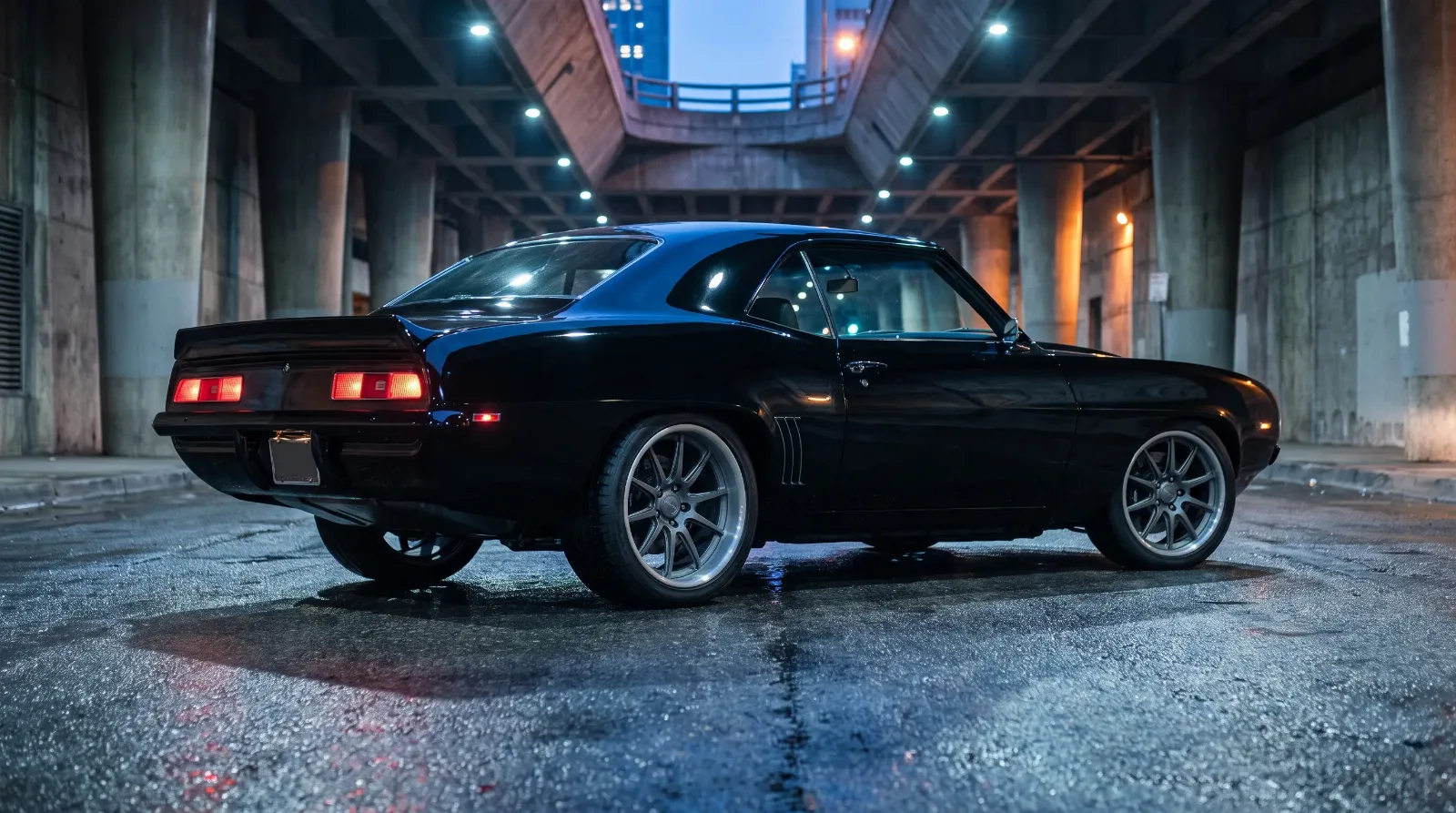
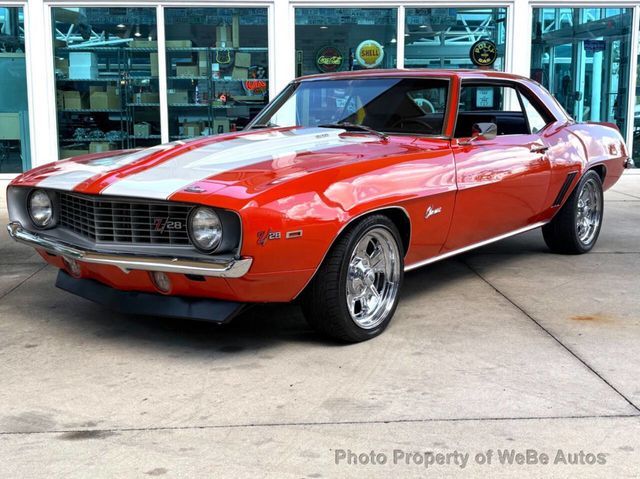
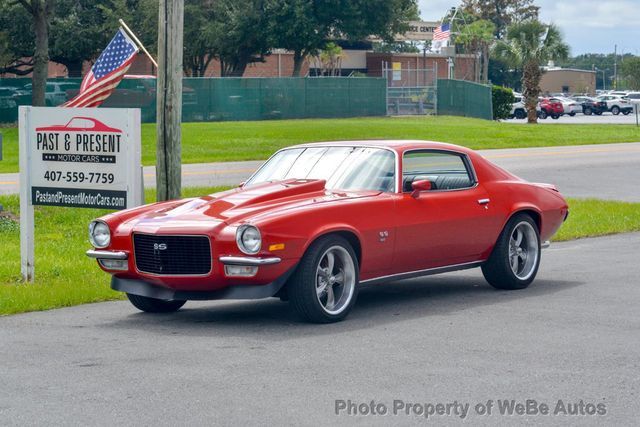
The first-generation Camaro left the factory with a multi-leaf rear spring setup on most trim levels. Leaf springs do a reasonable job of locating the axle longitudinally, but they are not designed for the lateral loads that appear when you start pushing a car through corners at speed. Bind builds up in the spring pack under hard cornering, unloading the rear tires at exactly the wrong moment. Add torque steer under hard acceleration and you have a rear end that works against the driver.
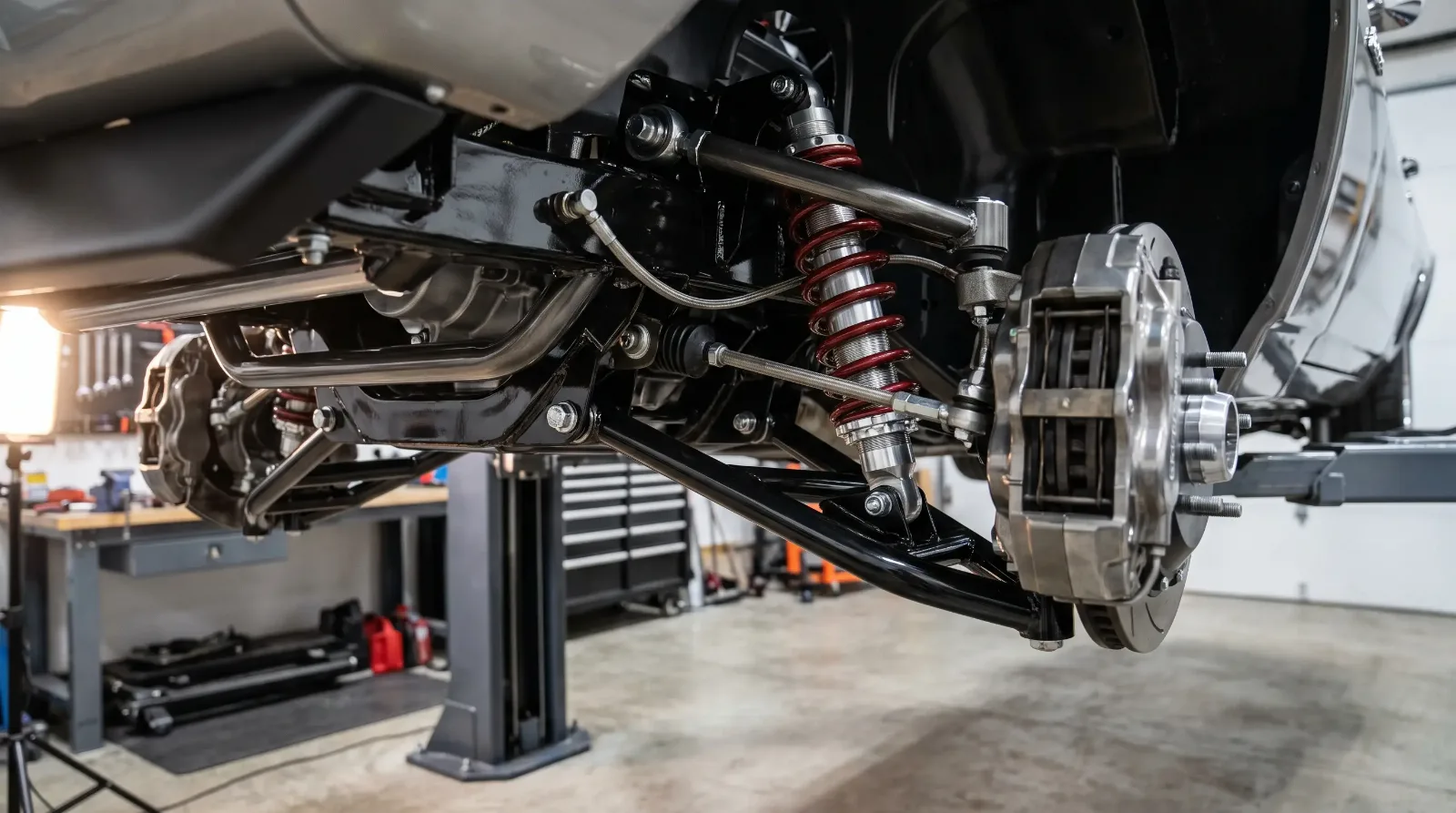
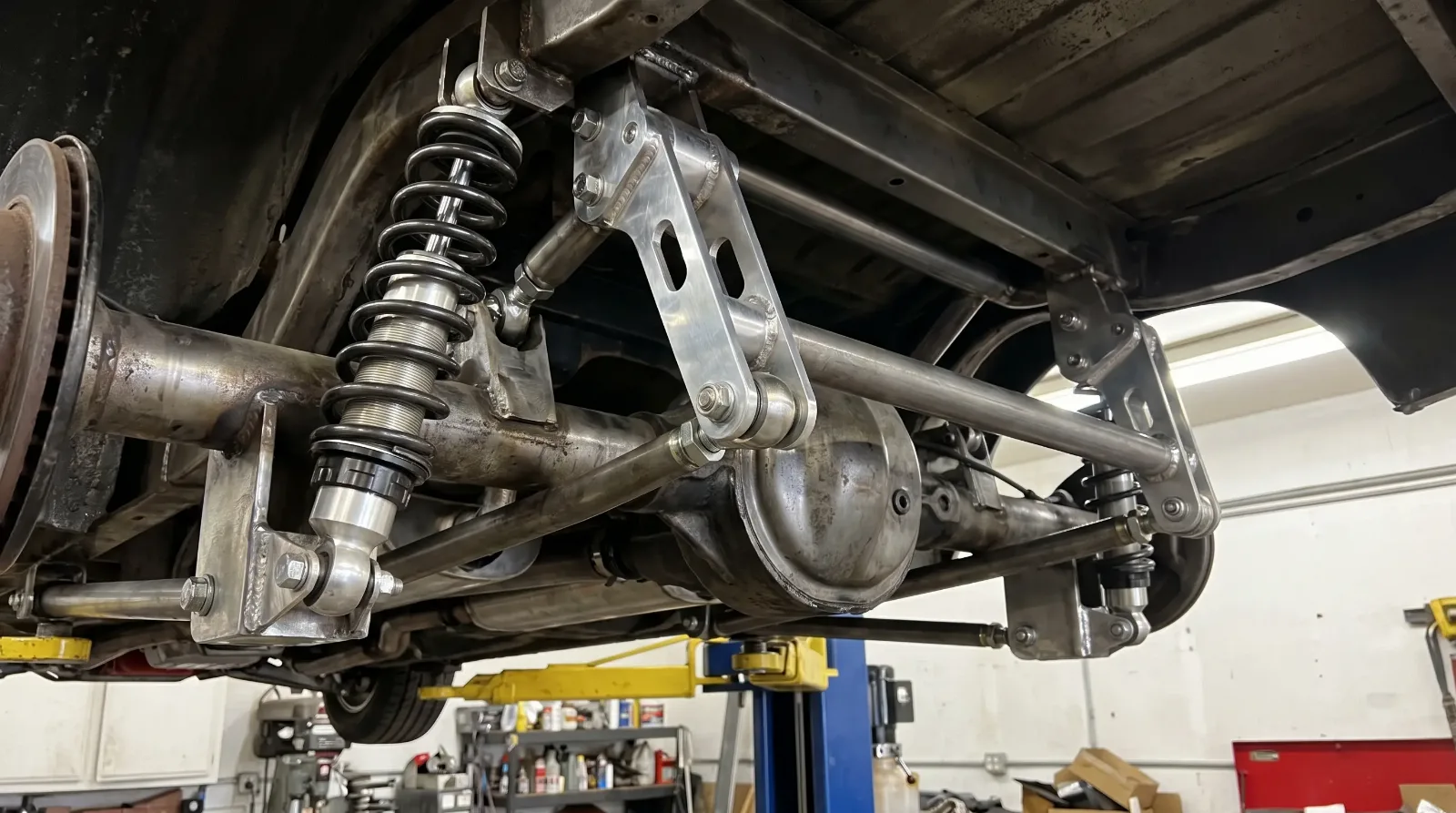
A parallel four-link rear suspension solves both problems at once. Four control arms, two upper and two lower, locate the axle in all directions while allowing independent adjustment of pinion angle, anti-squat percentage, and roll steer. A Watts link or panhard bar handles lateral location. Coilovers replace springs and shock absorbers. The result is a rear suspension that can be tuned for anything from a relaxed street car to a competitive autocross machine.
If you have not addressed the rear axle setup yet, read our guide on pro-touring Camaro builds first to understand how the rear suspension fits into the overall build sequence. You will also want to revisit front suspension upgrades since four-link geometry affects how the entire car loads through transitions.
Bolt-in versus full custom fabrication
The first choice is whether to buy a bolt-in kit or have a fabricator build a custom system. Bolt-in kits from Detroit Speed, Ridetech, and TCI Engineering weld to the existing framerails with minimal modification. They are designed to fit around factory floor pans, fuel lines, and brake hardware. Detroit Speed's Quadra-Link system is one of the most popular, using a parallel four-link arrangement with a panhard bar and coilovers. It runs roughly three to four thousand dollars for the complete kit without axle.
Custom fabrication gives you complete control over geometry but requires a shop with a chassis jig for the first-gen Camaro and an experienced fabricator. Labor alone on a full custom four-link can run several thousand dollars, easily into five figures depending on complexity and finish level. Most builders who go custom are targeting SCCA or NASA Pro class competition where rules allow custom geometry. For a street and autocross car, the bolt-in kits are fully competitive.
- Detroit Speed Quadra-Link: roughly three to four thousand dollars
- Ridetech StrongArm with coilovers: around three to four thousand dollars
- TCI Engineering four-link kit: roughly three thousand dollars
- Custom fabrication (labor only): several thousand dollars and up
Coilover selection for the four-link rear
Once the four-link structure is in place, coilover selection determines ride quality and handling balance. Spring rate selection depends on your car's rear weight, tire width, and intended use. A street car with a big-block and a full interior typically needs a rear spring rate in the low-to-mid 200s lb/in. An autocross-focused car with a smaller engine and stripped interior might run in the low-to-mid 300s lb/in.
QA1 and Viking Performance are the most common budget-to-midrange choices, with single-adjustable units running a few hundred dollars each. Penske, Ohlins, and JRi are the premium options used in competitive builds. Budget roughly a thousand dollars per corner for those units. Match spring rates to front coilovers to keep the front-to-rear ratio within 5-10% for predictable understeer-oversteer balance.
"The biggest mistake I see on four-link builds is mixing a serious four-link in the rear with stock front geometry. You put all that work into the rear and the car still pushes because the front is not keeping up. Do the front first, then build the rear to match."
-- Jim Vasquez
Axle choices for a four-link build
A four-link rear requires a solid axle. The factory GM 12-bolt is a strong choice that already has the correct spring perch removed. Strange Engineering and Moser both build custom 12-bolt rear ends with disc brake flanges, Detroit Locker or Eaton Posi carrier options, and your choice of gear ratio. Budget a few thousand dollars for a built 12-bolt ready for the four-link brackets.
The Ford 9-inch remains popular because of aftermarket support and the wider selection of third members. A Strange or Currie 9-inch built to your specs runs several thousand dollars. It adds some weight over the 12-bolt but gives you more gear ratio flexibility. Most bolt-in four-link kits are designed around either axle width, so confirm compatibility before ordering.
Watts link versus panhard bar: which lateral locator to use
A panhard bar is simpler to fabricate and works well for street use, but it causes slight lateral axle movement through suspension travel. A Watts link mounts to the center of the axle housing and moves the pivot point to the axle centerline, eliminating lateral movement entirely. The difference in handling feel is subtle on the street and more apparent at the limit during autocross or road course work. If the four-link kit you choose includes a panhard bar, it is a fine choice for street and light track use. Upgrade to a Watts link when the build targets competitive events.
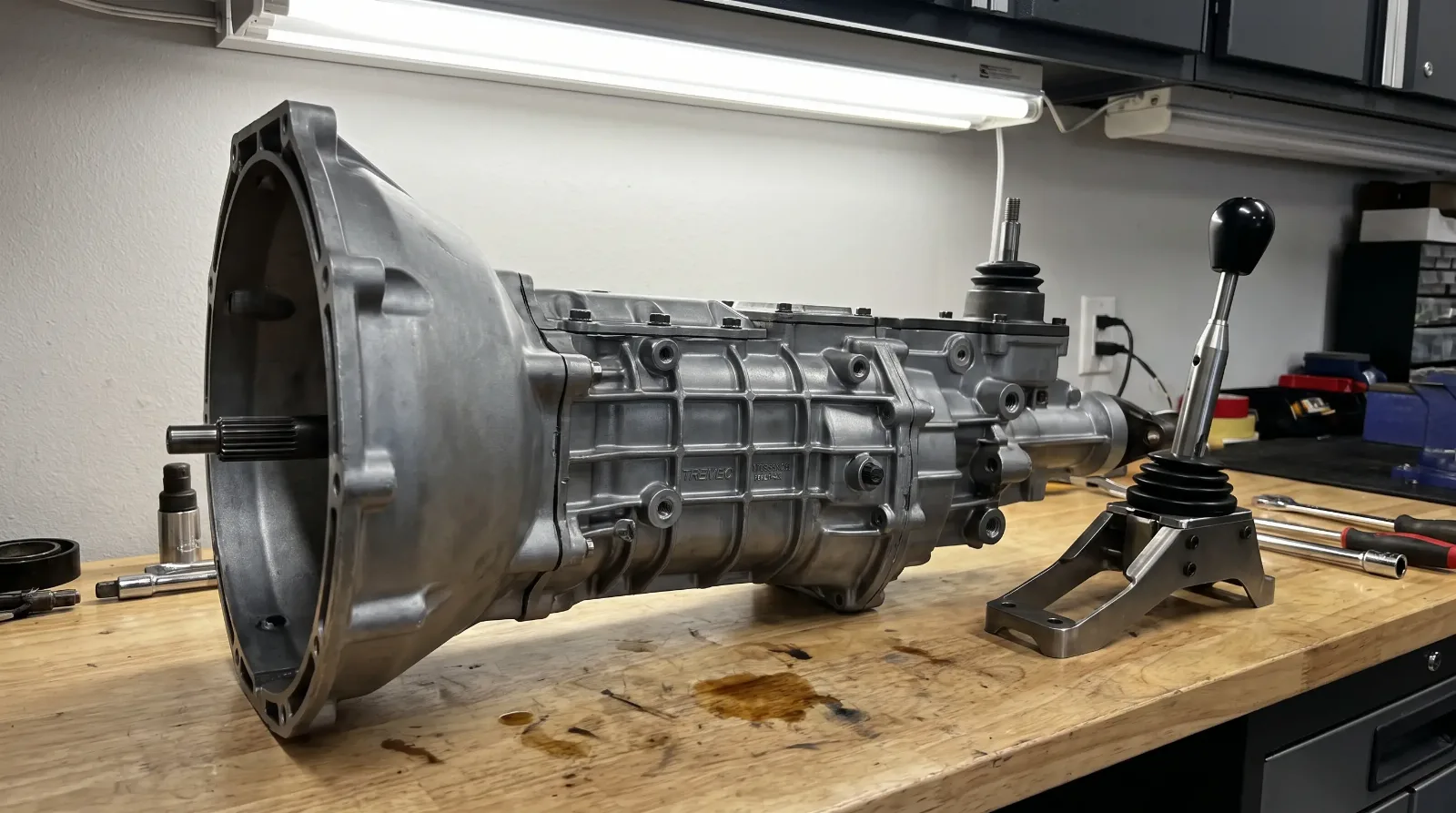
Once the rear suspension is dialed in, see our guide to modern 5 and 6-speed swaps since transmission choice affects driveshaft length, tunnel clearance, and how the car drives on the street.
| System | Lateral Control | Roll Steer | Adjustability | Complexity |
|---|---|---|---|---|
| Stock leaf spring | Fair | High | None | Low |
| Torque arm + panhard | Good | Low | Limited | Medium |
| Four-link + panhard | Good | Very low | High | Medium-High |
| Four-link + Watts link | Excellent | Near zero | Very high | High |
Sources and notes
Production figures, engine specifications, codes, and dates in this article are cross-referenced from established Camaro references, period documentation, and owner registries. Where sources differ, the most commonly cited value is used. Cost figures are indicative and vary by supplier, region, and condition.