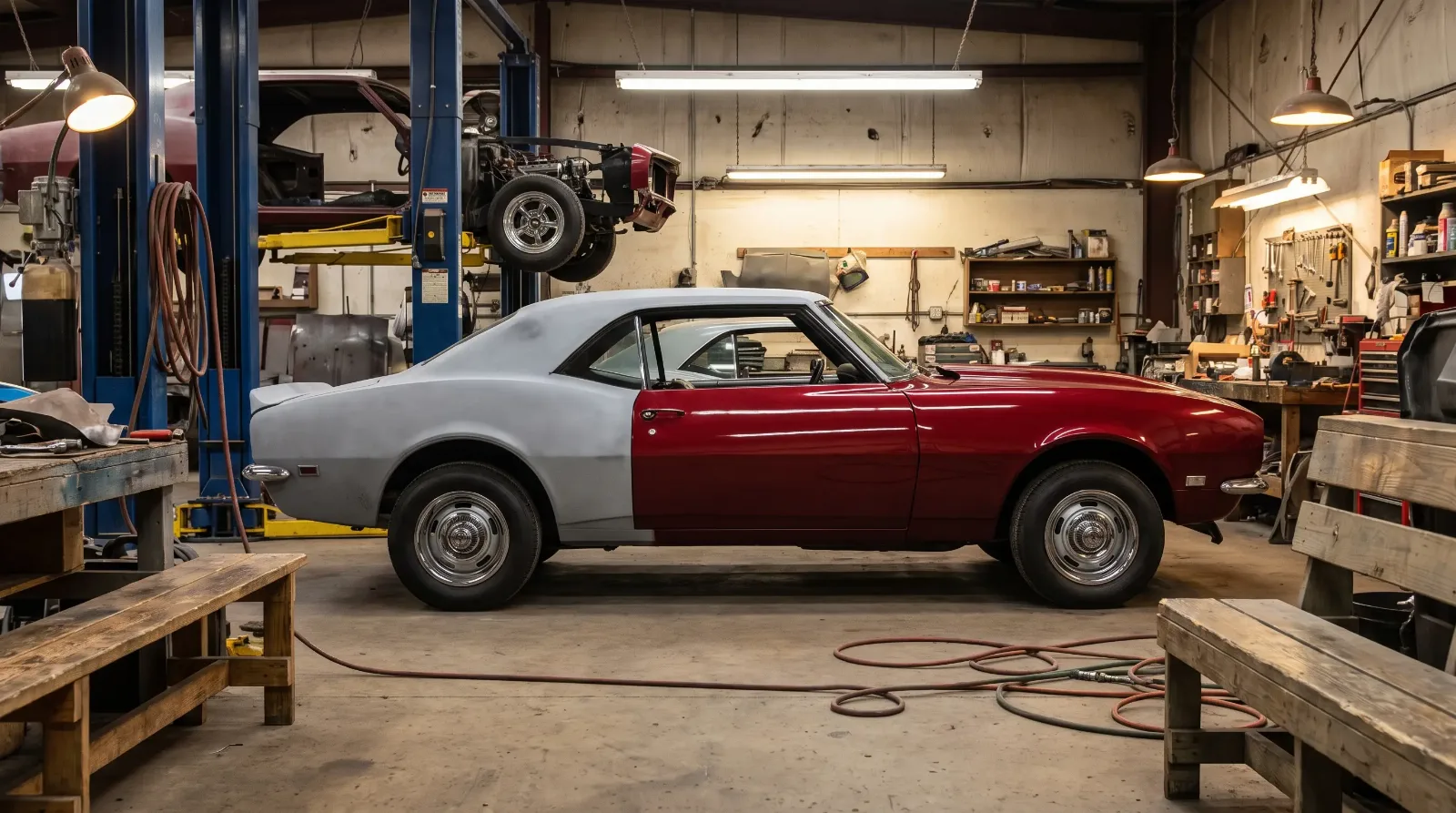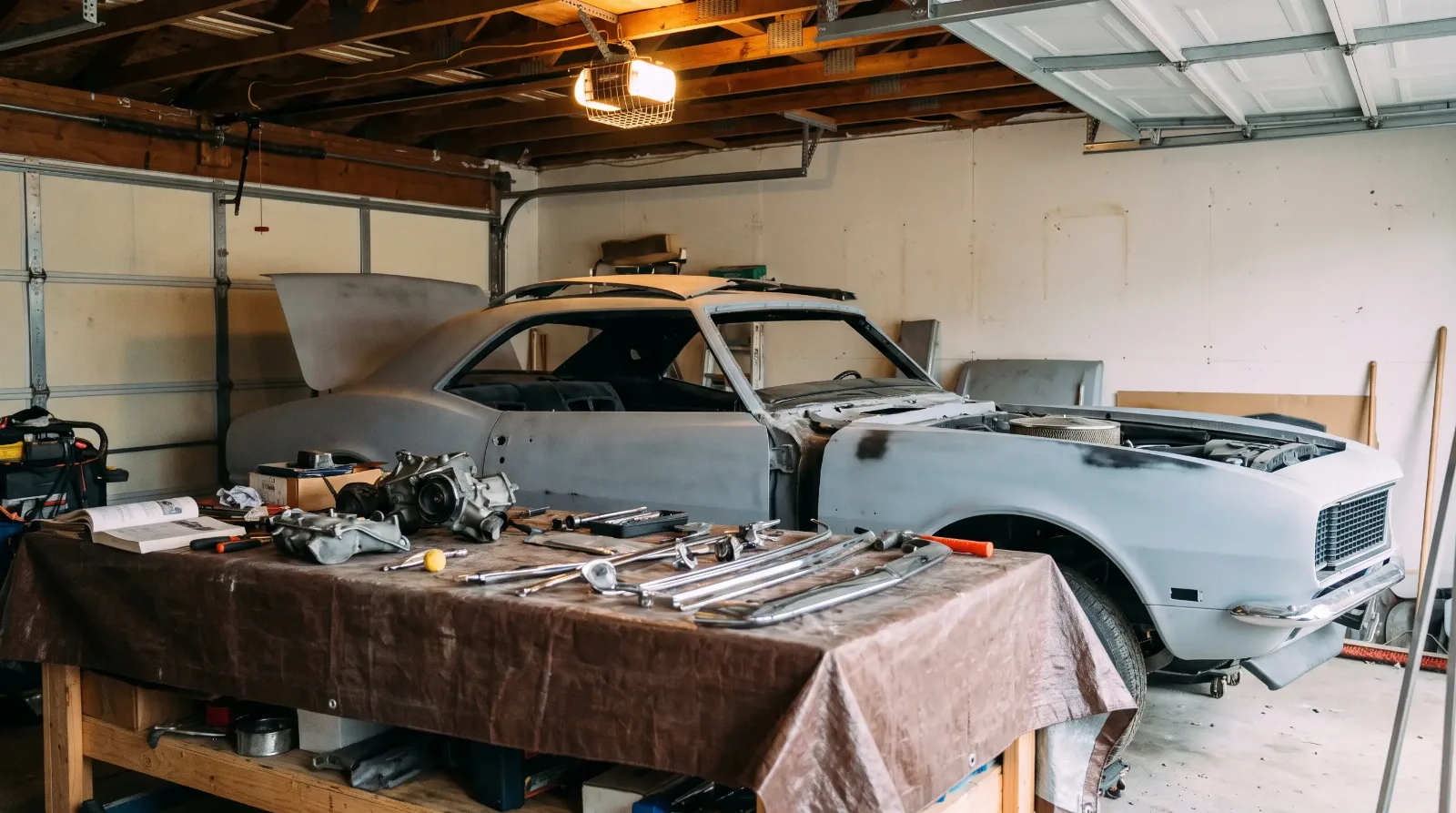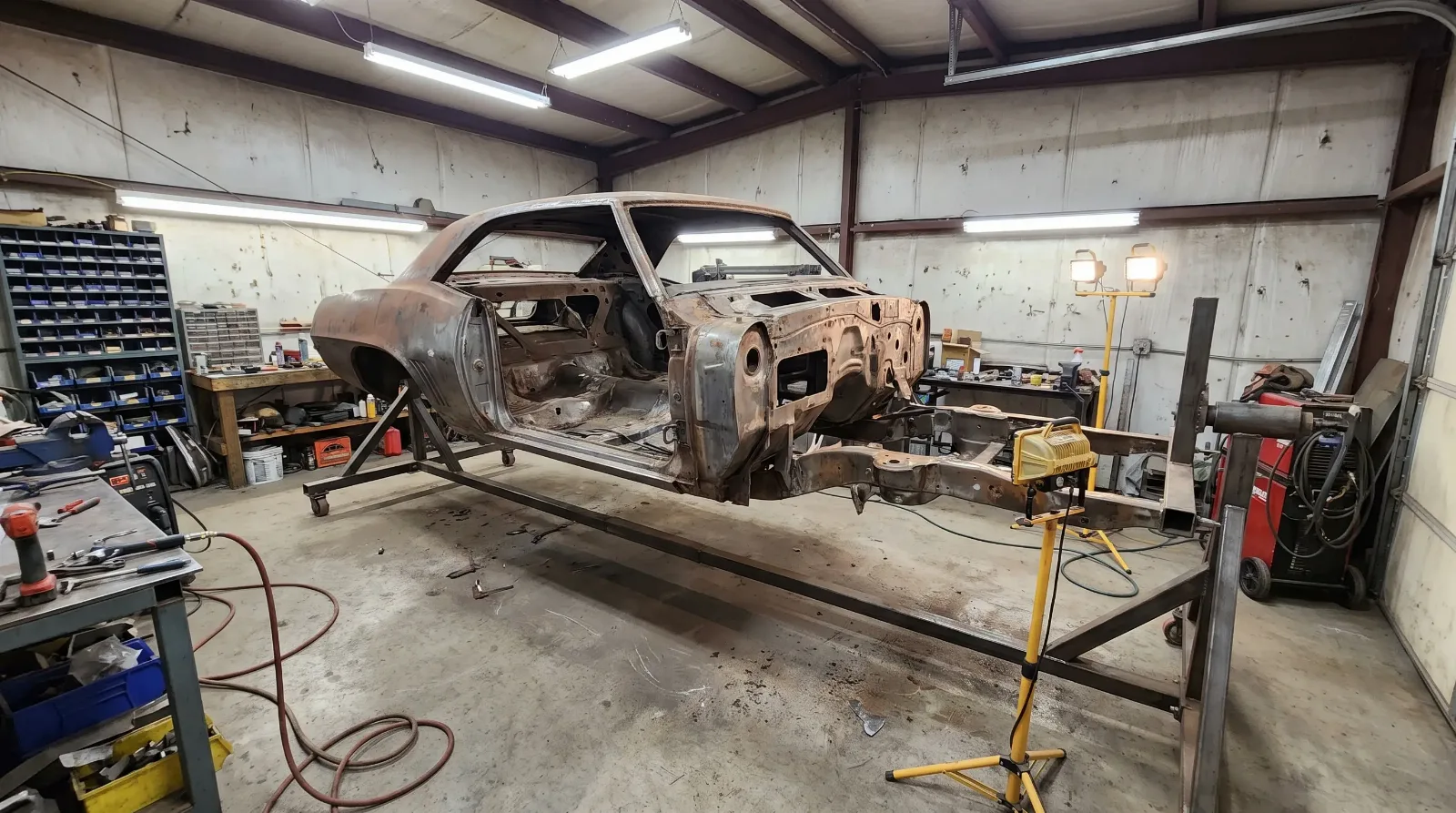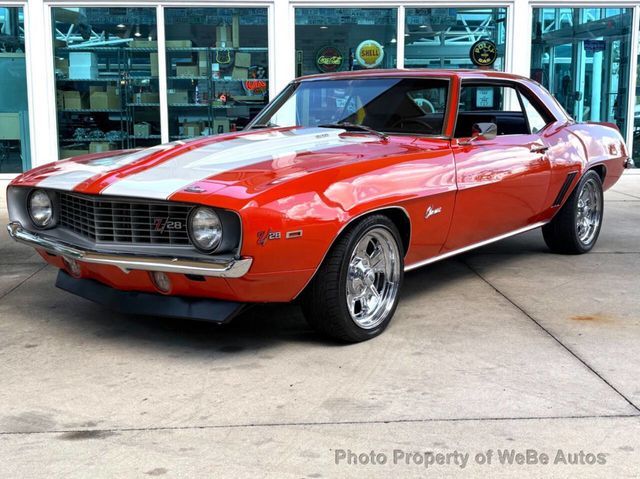
The question of how long a classic Camaro restoration takes is one of the most consistently underestimated variables in the hobby. Shops quote eight months and deliver at fourteen. Owners start a project for a graduation party and finish in time for a retirement. This is not cynicism: restoration timelines are genuinely difficult to forecast because they depend on the starting condition of the car, parts availability, the depth of the restoration, and the number of surprises that emerge once disassembly begins. This guide gives you realistic benchmarks so your expectations match reality from the start.
How starting condition shapes the timeline
The single most important variable in camaro restoration time is what you start with. Three tiers describe the realistic range:
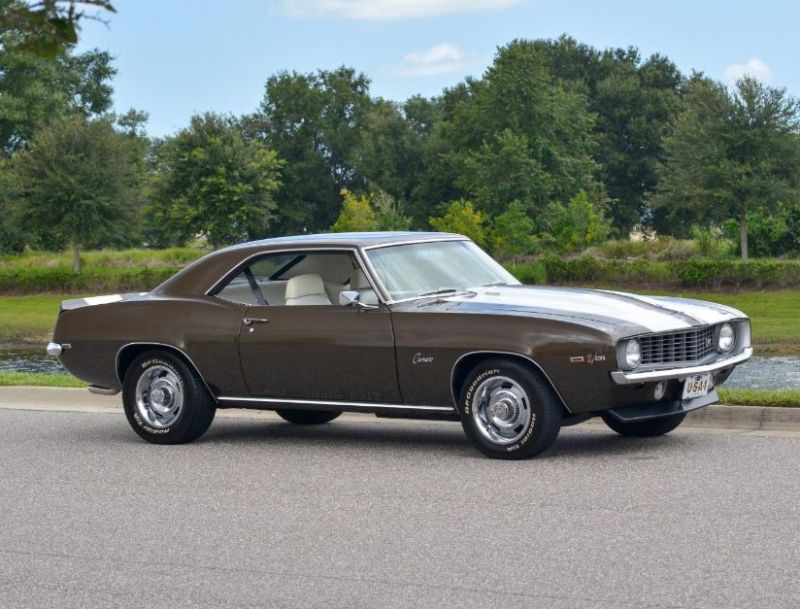
- Solid driver or restomod candidate: A car with intact structure, no significant rust, a running drivetrain, and original or serviceable interior. This is the fastest starting point. A thorough restoration of a solid car to a high standard commonly runs on the order of one to one-and-a-half years for a professional shop and roughly two to three years for an owner-builder working evenings and weekends.
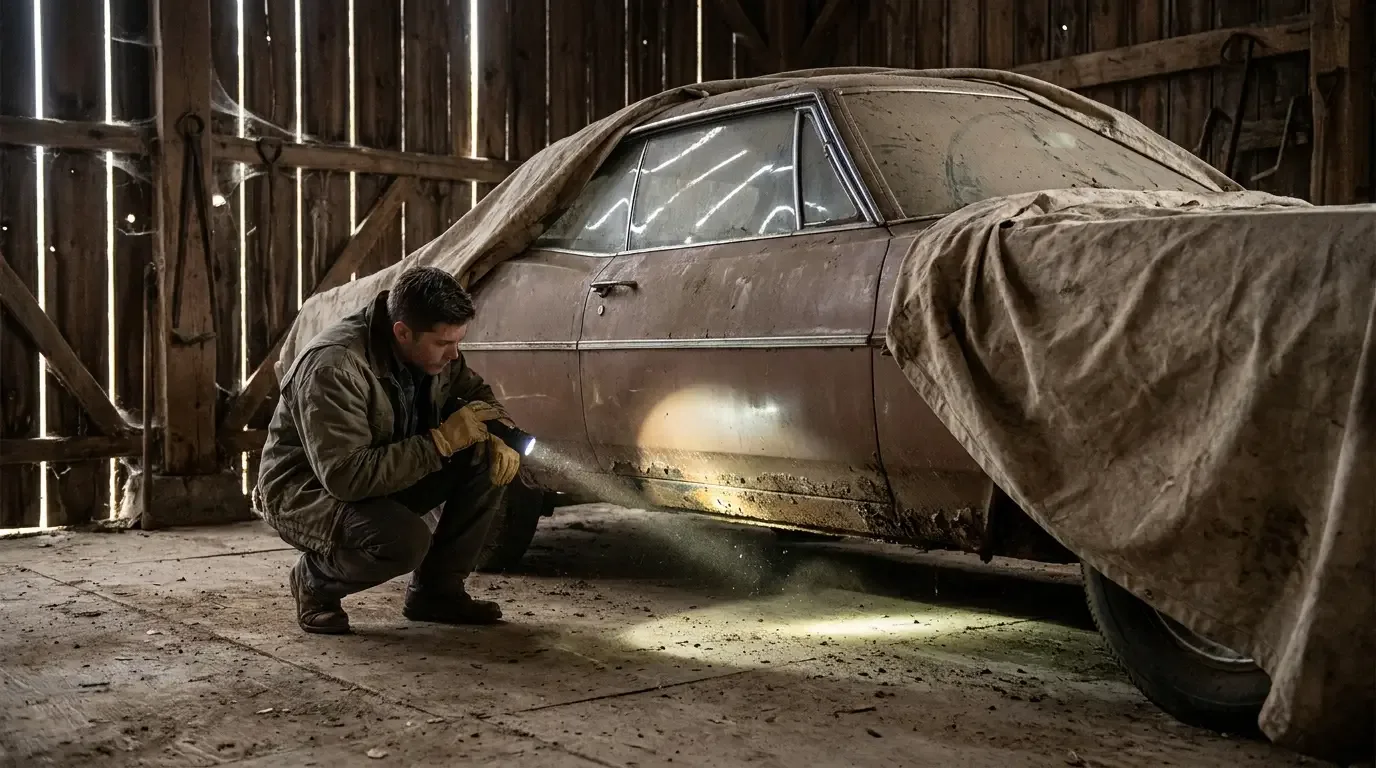
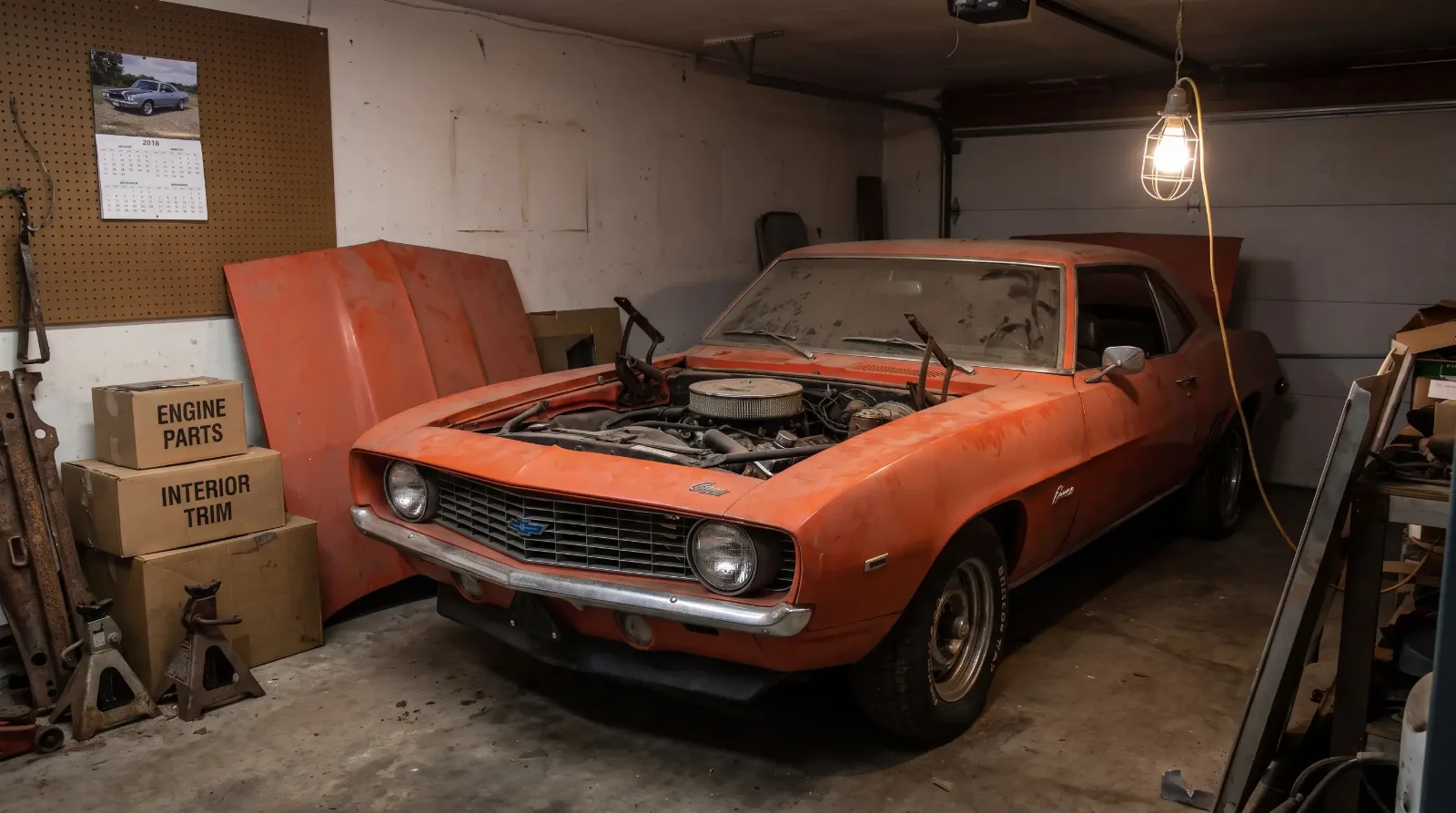
- Partially disassembled or long-stored project car: A car that has been apart for years with missing parts, unknown mechanical condition, and deferred rust. Add 30-50 percent to the solid-car timeline for sourcing, assessment, and addressing deferred problems that were not visible in the seller's photos.
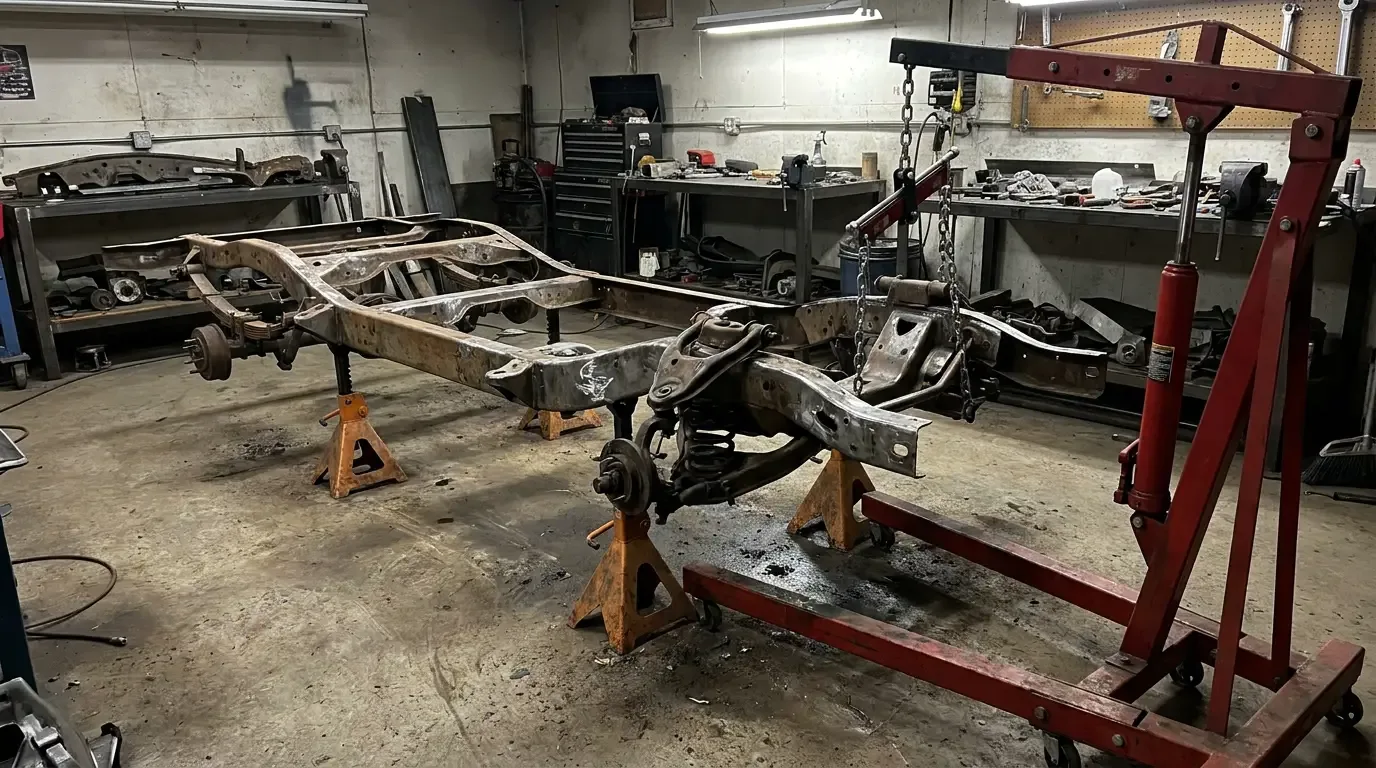
- Rust-heavy, structurally compromised car: A car that requires major body repair before any other restoration phase can proceed meaningfully. These cars can run 36-60 months or more for a complete high-quality restoration, particularly if the owner is doing the work themselves. Some projects at this end of the spectrum simply stall permanently.
Our Camaro restoration guide helps you place this timeline context within the full restoration planning process.
Phase-by-phase time estimates
Breaking the restoration into phases gives you the most actionable view of the timeline. These estimates apply to a professional shop working on a solid-to-average condition first-gen Camaro targeting a high-quality driver or regional show result:
| Phase | Professional (months) | DIY part-time (months) | Key variables |
|---|---|---|---|
| Disassembly and assessment | 1-2 | 2-4 | Documentation thoroughness, parts inventory |
| Body and structural repair | 2-5 | 6-18 | Rust severity, subframe work, panel replacement count |
| Paint prep and paint | 1.5-3 | 3-8 | Panel count, surface quality target, paint system chosen |
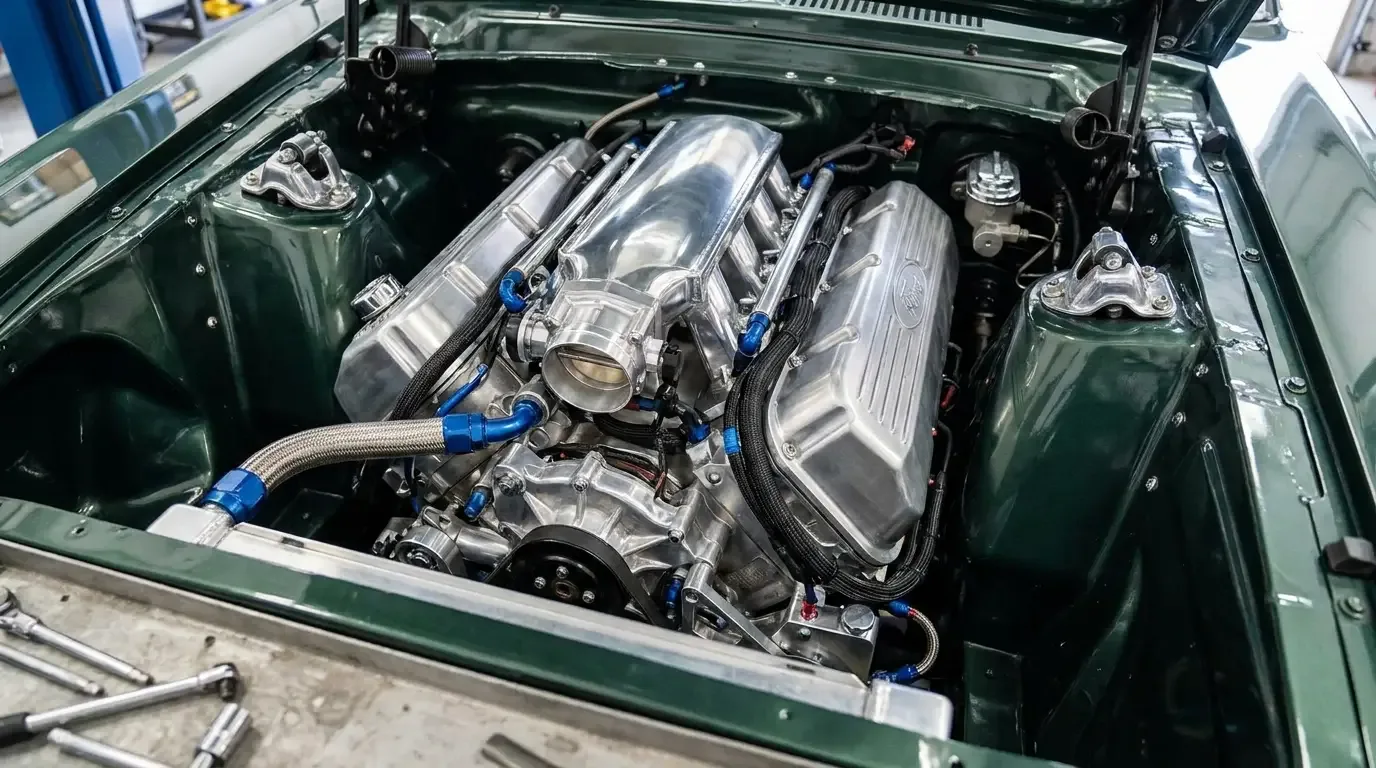
| Engine and drivetrain rebuild | 1-3 | 3-9 | Rebuild depth, machine shop queue time |
| Suspension and brake restoration | 0.5-1.5 | 1-4 | Part availability, upgrade vs. stock decision |
| Wiring and electrical | 0.5-1 | 1-3 | Harness replacement vs. repair, added accessories |
| Interior installation | 0.5-1.5 | 1.5-4 | Quality level, custom work |
| Final assembly and detail | 0.5-1 | 1-3 | Fit and finish quality target |
These phases do not always run sequentially: body work and drivetrain rebuild often proceed in parallel at a well-staffed shop, which compresses total calendar time. A solo owner-builder typically cannot parallelize and runs through the phases serially, which is one reason DIY timelines are so much longer.
Machine shop and parts sourcing delays
Two categories of delay extend almost every restoration timeline regardless of how well the project is managed: machine shop queue time and parts sourcing delays. Quality machine shops for engine rebuild work in major markets routinely carry wait times of several weeks to a few months, and some highly regarded specialists run much longer. If you start the engine disassembly late in the project, the machine shop wait can idle the entire restoration while you wait for the block and heads to return.
Parts sourcing delays are harder to predict. Reproduction parts from major suppliers ship reliably. NOS (new old stock) parts, specific mechanical components, and trim pieces for high-option cars are another matter. Searching for an NOS U17 gauge cluster or a correct-specification M22 transmission can take months to years depending on market availability and your price ceiling. The practical advice is to source hard-to-find parts early, before they become the critical path item that delays project completion.
"I tell every client to add 25 percent to whatever timeline the shop quotes, then add another 25 percent for parts delays and surprises. Not because shops are being dishonest, but because every car has at least one thing that takes three times as long as anyone expected. The client who plans for that is never disappointed. The one who counts on the best-case timeline is always frustrated."
— David Mercer
The budget and timeline relationship
Budget and timeline are directly connected, and not in the way most first-time restorers assume. A larger budget does not just buy more work; it also compresses the timeline. A shop that can dedicate full-time labor to your car for six months delivers in half the calendar time of a shop that rotates between five projects simultaneously. Asking a shop how many cars they carry simultaneously, and whether your car will receive dedicated labor or be rotated with other projects, is a legitimate and important question.
Conversely, a tight budget almost always extends the timeline, because it forces waiting for sales, sourcing used parts instead of reproductions, and deferring professional work in favor of DIY phases that take longer. Realistic budget planning starts with understanding current restoration costs, which our frame-off versus frame-on guide covers in detail at Camaro restoration path choices.
Setting realistic expectations and milestone planning
The most productive approach to managing a Camaro restoration timeline is milestone-based planning rather than deadline-based planning. Instead of committing to a show date before the work is underway, establish milestones: disassembly complete by month two, structural work signed off by month six, paint by month nine. Review and adjust at each milestone based on actual progress. Cars that were planned to debut at a specific show and fall short tend to either get rushed to the detriment of quality or generate significant frustration when the show comes and goes without the car. Milestone planning avoids both outcomes.
If you are buying a first-gen Camaro to restore, the documentation phase covered in our VIN and trim tag guides is your starting point. You can explore the complete story of the car you are restoring in our Chevrolet Camaro model coverage, and circle back to the beginning of this silo with our Camaro VIN decoder guide to begin the documentation process on your own car.
Sources and notes
Production figures, engine specifications, codes, and dates in this article are cross-referenced from established Camaro references, period documentation, and owner registries. Where sources differ, the most commonly cited value is used. Cost figures are indicative and vary by supplier, region, and condition.
- How Long Does a Classic Car Restoration Take - Hagerty Media
- Restoration Project Planning & Timelines - Hemmings
- First-Gen Camaro Restoration Phases - Super Chevy / MotorTrend
- Engine Machine Shop Lead Times & Process - Engine Builder Magazine
- Sourcing NOS and Reproduction Camaro Parts - National Parts Depot