Published June 10, 2026Updated September 27, 20265 generations1961–1988
The Cutlass is the car that proves a nameplate can be two completely different things. To most people it was a sensible Oldsmobile, the best-selling car in America for a stretch of the Seventies, the kind of thing that hauled families and held its value. To the rest of us it was the platform under the 442 and the W-30, which is some of the best muscle GM ever built and a lot of people overlook because the badge says Oldsmobile instead of Chevrolet. I have worked on plenty of both. Knowing which Cutlass you are looking at, the grocery-getter or the real performance car, is the whole job when you go to buy one. Here is how the line ran.
Oldsmobile Cutlass — Generation by Generation
1961–1963
First Generation (Compact)
"The aluminum-V8 compact"
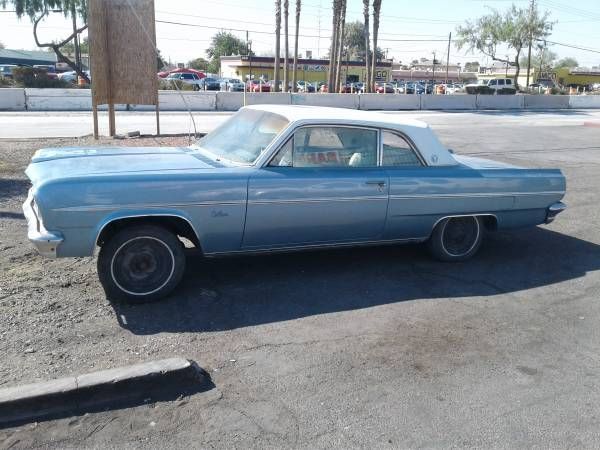
The Cutlass started as the top trim of the compact F-85, a unibody car notable for its aluminum 215 cubic inch V8, the same basic engine that later went to Rover in Britain. The Jetfire version even offered turbocharging, an oddity for the era. These early cars are interesting historical footnotes rather than muscle machines, and they have a small but real following among Oldsmobile people who appreciate the engineering.
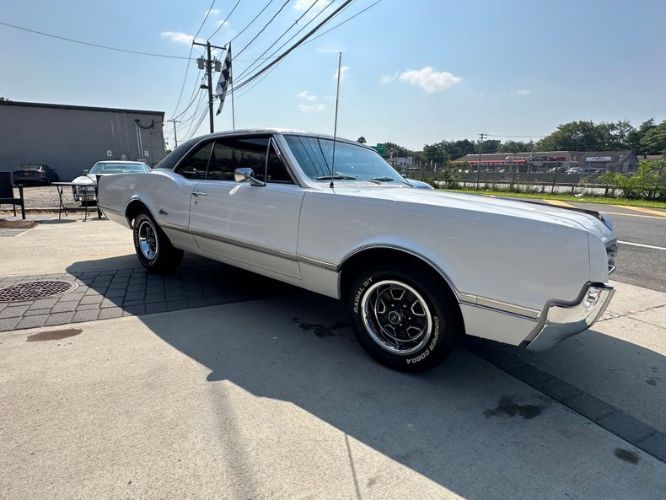
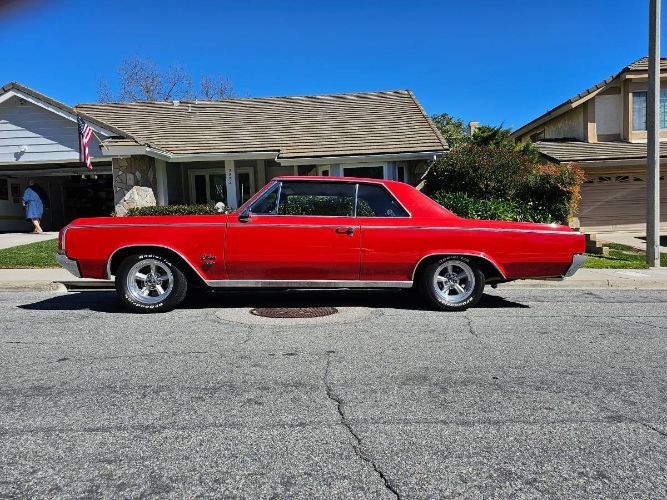
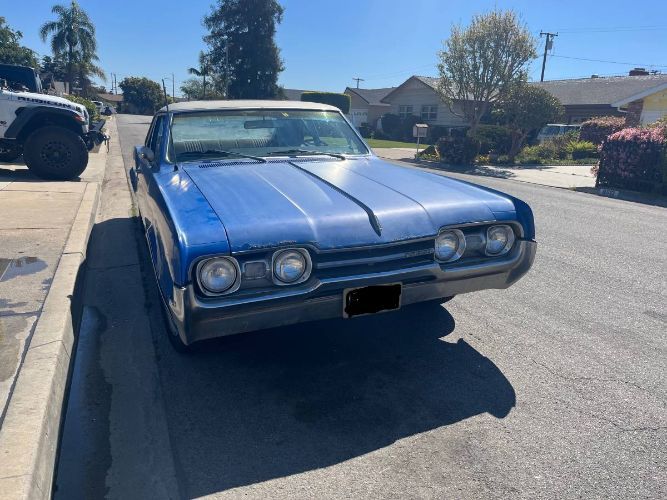
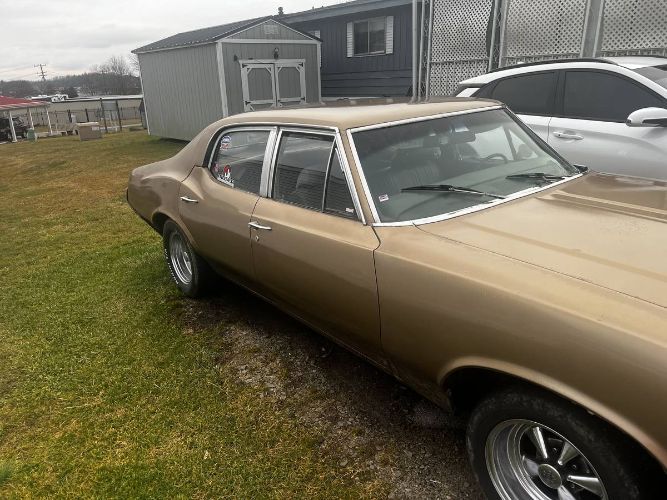
The 1964 move to the mid-size A-body is where the Cutlass got serious. The 442 debuted that year as an option package, and over the next few seasons it grew from a handling-and-trim setup into a genuine performance car as the engines got bigger. By 1966 the 442 ran a 400 cubic inch V8, and tri-carb setups were available. These A-body cars are clean, well-built, and increasingly recognized as an undervalued way into Sixties muscle.
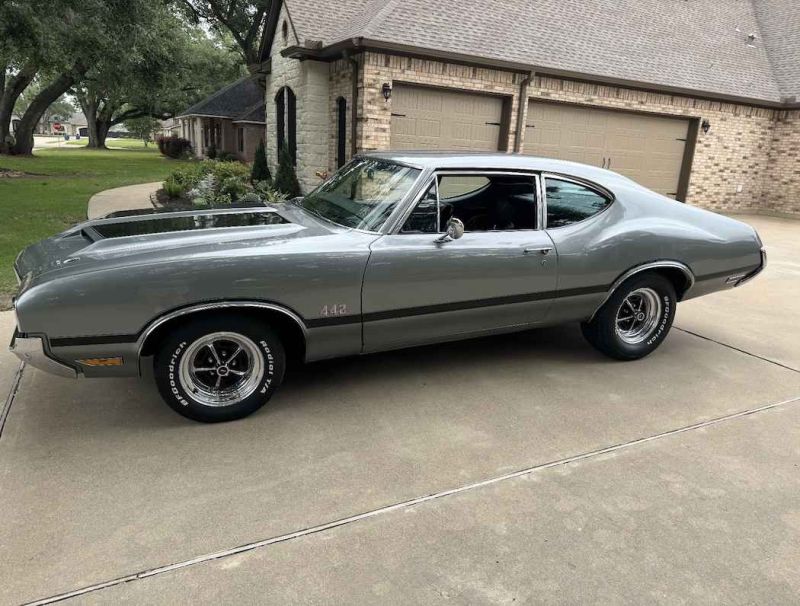
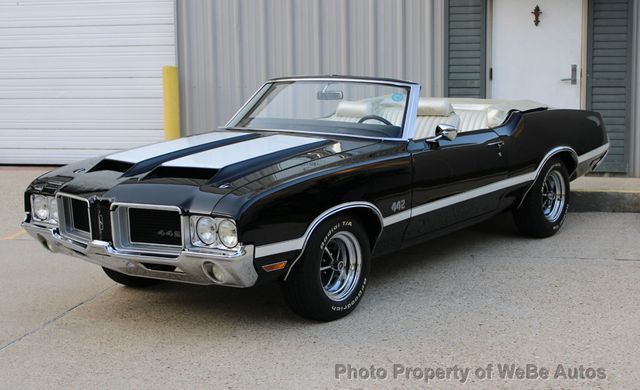
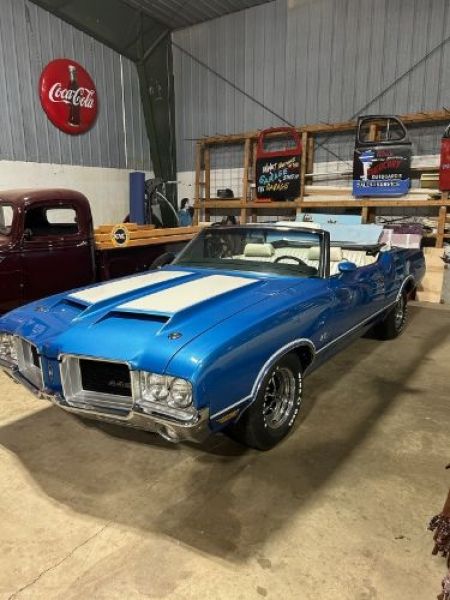
The 1968 redesign brought the long-hood A-body shape and the muscle Cutlass peak. The 442 became its own model for 1968 through 1971, the W-30 package added cold-air induction and a hotter cam, and the Hurst/Olds paired the big 455 with a special build when GM rules limited engine size in the regular 442. The 1970 cars with the 455 and the W-30 are the high-water mark. Power fell after 1971 with compression cuts, but the 1968 to 1972 442s are the most desirable Cutlass-based cars by far.
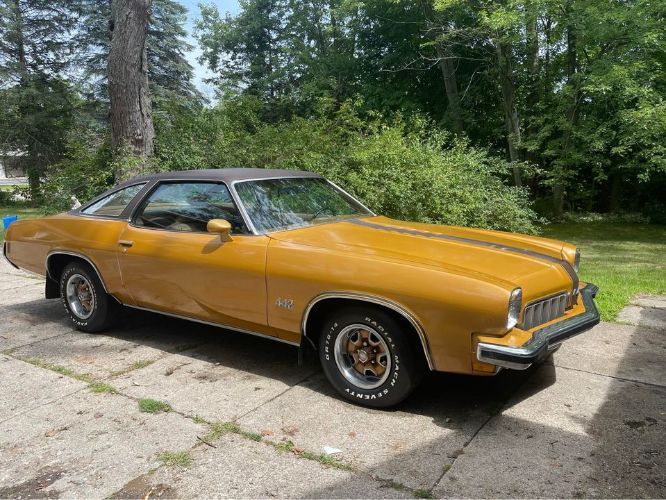
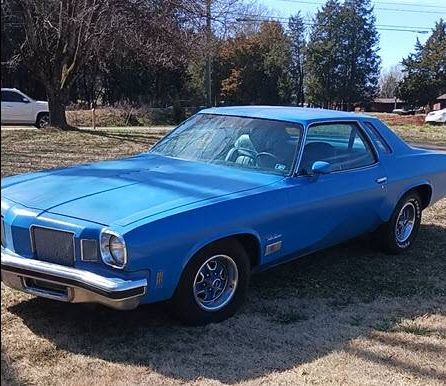
The 1973 Colonnade redesign turned the Cutlass into the car that sold in enormous numbers, with the Cutlass Supreme leading the way and becoming the best-selling car in America. The 442 carried on as an appearance and handling package rather than a high-output engine, and the Hurst/Olds returned with the 455 for a couple of years and paced the Indy 500. These are comfortable, plentiful cruisers, and a clean Hurst/Olds or 442 from this run has earned a following of its own.
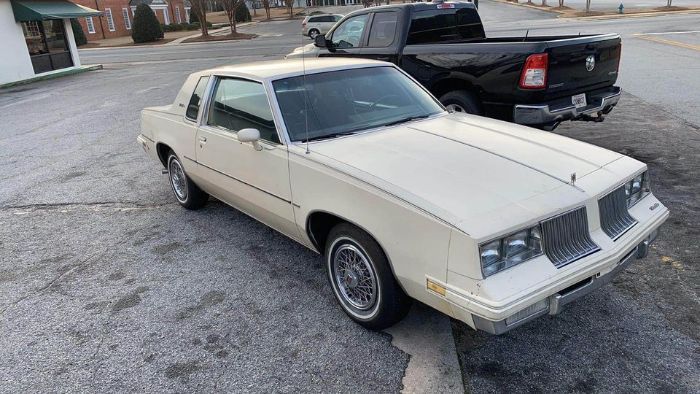
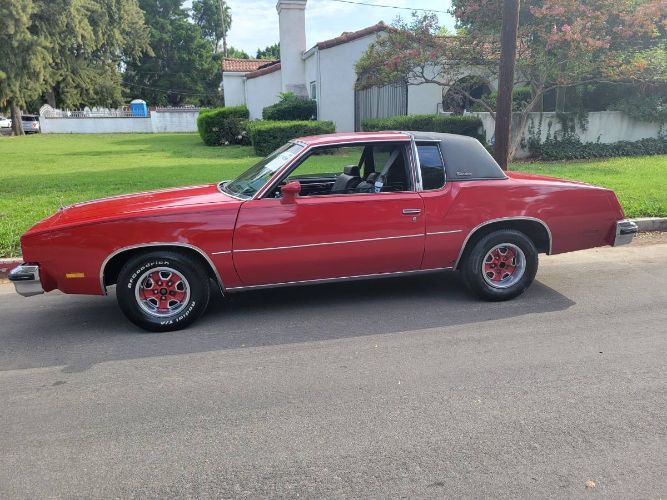
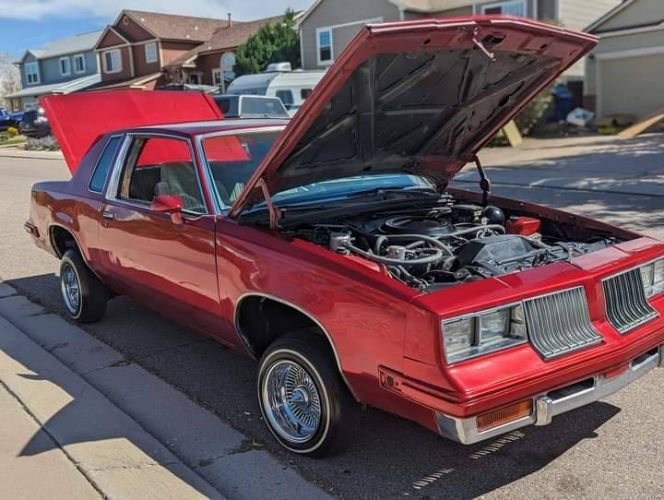
GM downsized the Cutlass for 1978 onto the trimmer rear-drive G-body, and it stayed a sales leader. The Cutlass Supreme coupe became a fixture of American driveways and, later, of stock car racing and the lowrider scene. The 442 returned as a package in 1985 to 1987 with a 307 V8, and the Hurst/Olds came back for 1983 and 1984. These G-body cars have a huge aftermarket and a strong following today, which makes a clean one an affordable and easy first project.
The cars worth chasing are the 1968 to 1972 442s, especially the W-30 cars and the Hurst/Olds, which paired the 455 with real engineering and not just stripes. A documented W-30 with the build sheet is a serious car, and like every muscle model it gets cloned constantly, so check the VIN and the cowl tag before you pay up. The earlier A-body 442s are honest and undervalued, and even the Colonnade and G-body cars have a following now, the Hurst/Olds and the 442 appearance packages especially. Whatever you buy, the documentation matters as much as the metal on the performance cars, and a clean body matters most on the rest.
Frequently Asked Questions
The 442 name originally meant a four-barrel carburetor, a four-speed manual transmission, and dual exhaust. The meaning shifted over time, and by the late 1960s the 442 was a distinct high-performance model rather than an option code.
W-30 was the top performance package on the 442, adding a hotter cam, functional cold-air induction, and other upgrades. By 1970 the W-30 paired with the 455 cubic inch V8 and is the most collectible Cutlass-based muscle car.
The Cutlass combined comfortable styling, a wide range of trims, and Oldsmobile build quality at a reachable price, which made it the best-selling car in the United States for several years in the mid-to-late 1970s.
📖
Thinking of Buying One?
Read our Oldsmobile Cutlass Buyer's Guide — pre-purchase checklist, common issues, and pricing.


 Dealer
 United States
 Dealer
 Dealer
 Dealer
 Dealer
 Dealer
 Dealer
 Dealer
 Dealer
 Dealer
 Dealer
 Dealer