
What's the difference between a Chevy 454 and 396 big block?

The Mark IV big block is one of the most important engine families in American automotive history — adaptable, durable, and endlessly tuneable. The 396 and 454 are both members of this family but serve different market eras and carry different collectible significance.
396 Big Block (1965–1969)
The 396 arrived in the 1965 Corvette and Chevelle SS and became the defining muscle car engine of the late 1960s. Key variants:
- L35 (325 hp): Base 396, hydraulic cam, two-barrel
- L34 (350 hp): Four-barrel, performance tune
- L78 (375 hp): Solid-lifter, high-compression — the hot-rod 396. Scarce and valuable.
- L89 (375 hp): Aluminum head version of the L78 — rare factory option
454 Big Block (1970–1976)
The 454 debuted in 1970 with two main performance variants:
- LS5 (360 hp): High-performance hydraulic-lifter 454; found in Chevelle, Corvette, El Camino
- LS6 (450 hp, 1970 only): The ultimate factory big block. Solid-lifter, 11.25:1 compression, rectangular-port heads, four-bolt mains. Never officially offered again after 1970 in this specification.
- Post-1971 454: Progressively detuned for emissions — by 1975, rated at 215 hp. Torquey but not a performance engine in late-production form.
What This Means for Buyers
The 1970 LS6 454 is the benchmark. A documented LS6 Chevelle SS is a $200,000+ car. The 1969 L78 396 is the benchmark for the earlier era — a $90,000–$130,000 car in proper form. Post-1971 454 applications are far more common and priced accordingly. Know the engine code (from the broadcast sheet or trim tag) before evaluating any claimed performance variant.
Browse current listings
 Dealer
 United States
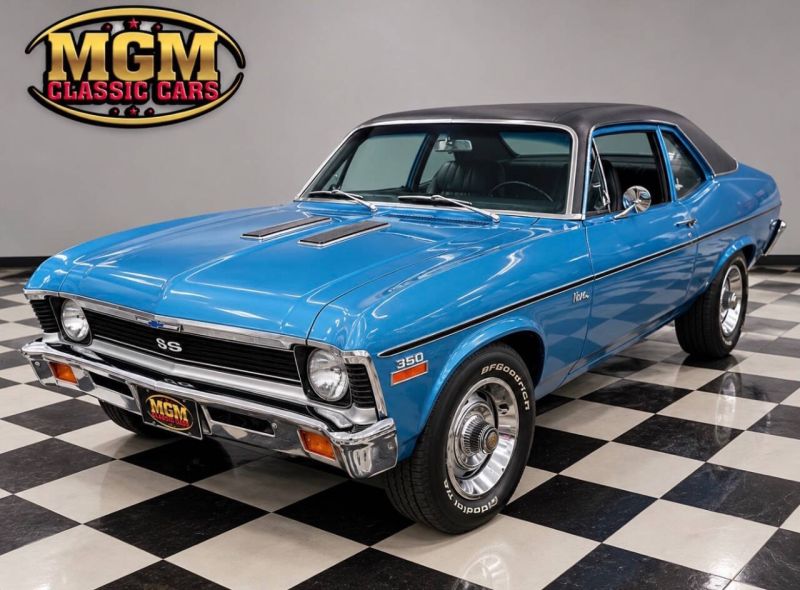
1972 Chevrolet Nova
 Dealer
United States
Dealer
United States
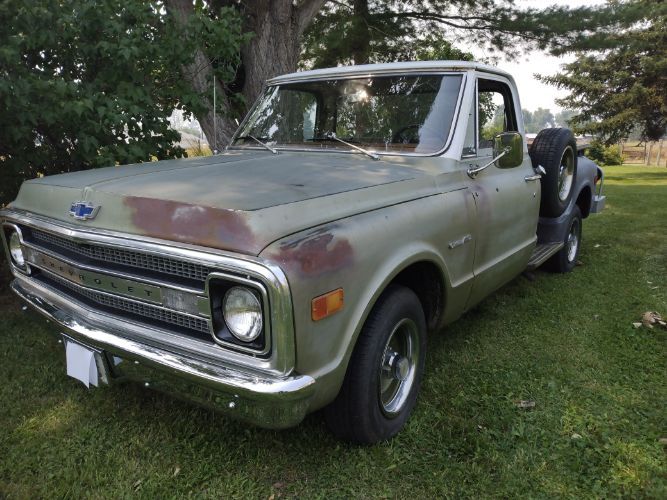
1969 Chevrolet C10
 Dealer
United States
Dealer
United States
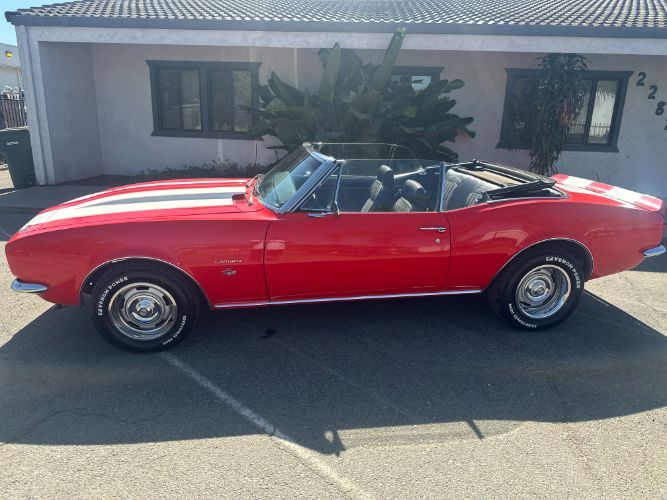
1967 Chevrolet Camaro
 Dealer
United States
Dealer
United States
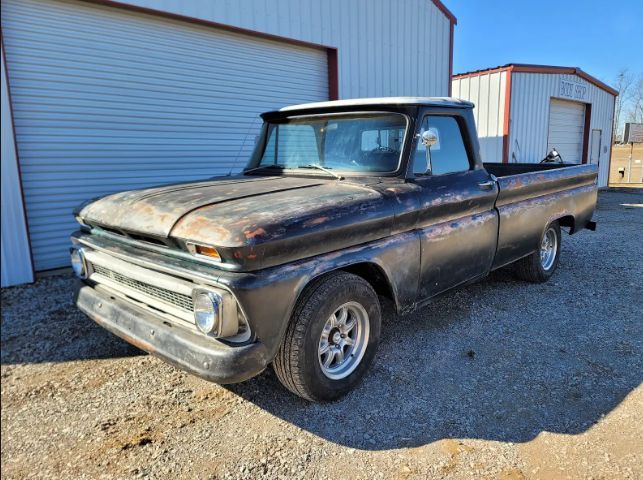
1965 Chevrolet C10
 Dealer
United States
Dealer
United States
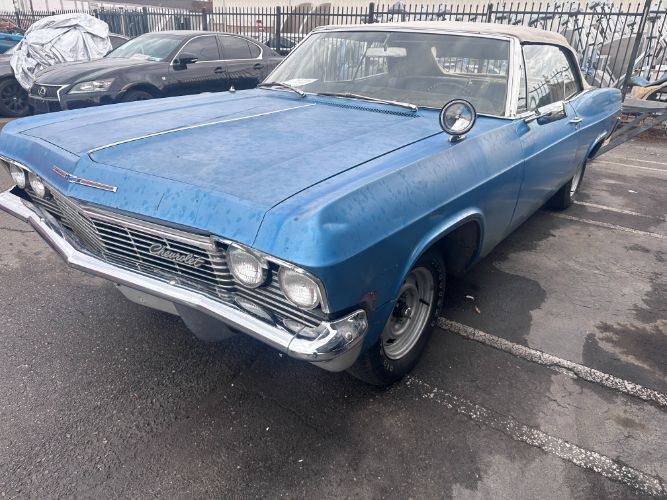
1965 Chevrolet Impala
 Dealer
United States
Dealer
United States