
1911 Classic Cars for Sale
Mercer Raceabout debuts, Marmon wins the first Indy 500, and the horsepower wars begin in earnest
The 1911 model year sits at a crossroads that most collectors underestimate. Acetylene lamps still dominated, hand cranks still broke wrists, and yet the engineering ambition on display in cars like the Mercer Type 35 Raceabout and the Locomobile Model 48 was anything but primitive. These were machines built by people who took speed seriously before safety was a regulatory concern.
American manufacturers were pulling ahead of European rivals in volume while trailing them in refinement. Ford's Model T was three years old and already reshaping the industry's economics. Meanwhile, low-volume makers like Stutz, Mercer, and Lozier were targeting wealthy enthusiasts who wanted performance, not just transportation. The gap between a $600 Ford and a $5,000 Lozier tells you everything about the market.
For collectors today, 1911 represents the last gasp of purely handcrafted production before assembly-line logic crept even into luxury shops. Bodies were built by coachworks to individual order. Frame alignment, paint quality, and mechanical originality are all meaningful because no two cars left the factory identical. That individuality is both the appeal and the verification challenge.
- Ray Harroun won the inaugural Indianapolis 500 on May 30, 1911, averaging 74.59 mph in a Marmon Wasp, a car that also introduced the rearview mirror to racing
- Stutz Ideal Motor Car Company produced its first car in 1911, the Stutz Bearcat predecessor built on a Wisconsin T-head engine chassis
- U.S. automobile registrations reached roughly 619,000 vehicles in 1911, up from approximately 458,000 the prior year, reflecting explosive demand across all price tiers
Showing 1 listing
 Dealer
 United States
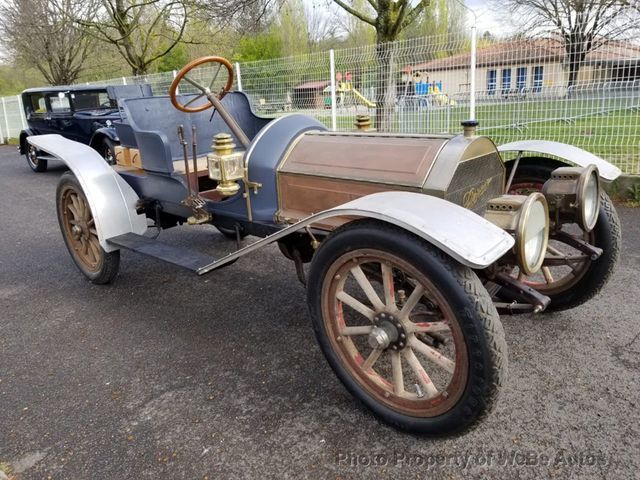
1911 Pierce-Arrow Model 36
Market: Surviving 1911 cars in documented, mechanically sound condition start around $40,000 for common Model T variants and escalate sharply to $200,000 or more for low-production sporting cars like the Mercer Raceabout or Lozier. Original coachbuilt bodies with verified provenance and intact brasswork command a substantial premium over rebodied or heavily restored examples.
Buyer's note: Verify that the firewall stampings and frame numbers match documented factory records, as many 1911 cars were rebodied during the 1920s when original brass-era coachwork was considered unfashionable.