
1939 Classic Cars for Sale
Mercury launches, Lincoln Continental prototype appears, and sealed-beam headlamps become federally standardized
1939 delivered several developments that collectors still argue about. Ford introduced Mercury as a separate make, priced between Ford and Lincoln at $916 to $1,018, filling a segment that had been largely unaddressed. The 239 cubic-inch flathead V8 powered a car that was heavier and quieter than a Ford but more accessible than a Lincoln. First-year Mercurys have a specific enthusiast following that tracks production figures obsessively.
The Lincoln Continental story began in 1939 as a one-off commission. Edsel Ford asked designer Eugene Gregorie to adapt a Lincoln Zephyr chassis into a personal car for his Florida vacation. The resulting cabriolet, with its long hood, short rear deck, and exposed spare tire, attracted so much attention that Lincoln put it into limited production for 1940. The prototype's existence in 1939 makes it a documented starting point for one of the most important American car designs of the century.
Sealed-beam headlamps became standardized across all U.S. production cars for 1939, a regulatory change that modernized night visibility but eliminated the adjustable-reflector lamp designs that had been common. It is a small detail but one that marks 1939 bodies as visually distinct from all prewar cars built before the standardization.
- Ford Motor Company launched Mercury as a standalone make for 1939, with first-year production reaching approximately 69,135 units across sedan, coupe, and convertible body styles.
- The federal standardization of sealed-beam headlamps took effect with the 1939 model year, the first significant federal safety-related specification applied uniformly across American automobile production.
- Packard produced its last Twelve-cylinder automobiles for the 1939 model year, ending a run that began in 1916; the 1939 Twelves are the final expression of that lineage.
Showing 92 listings
 Dealer
 United States
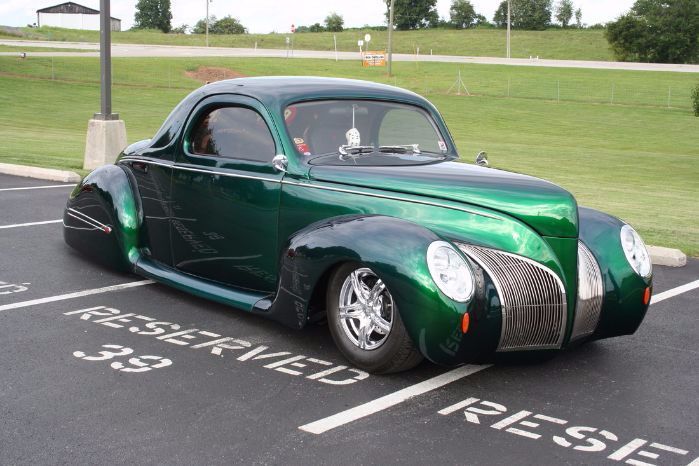
1939 Packard 1708
 Dealer
United States
Dealer
United States
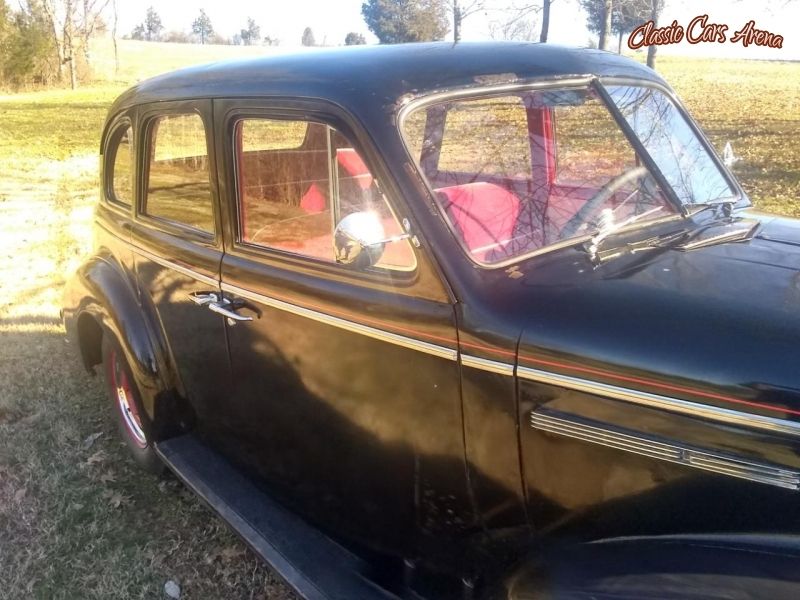
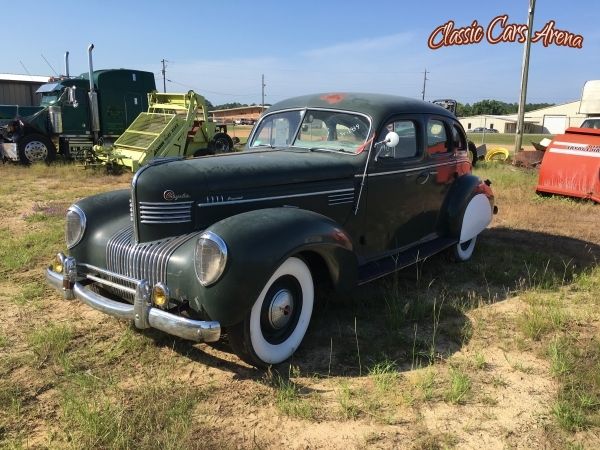
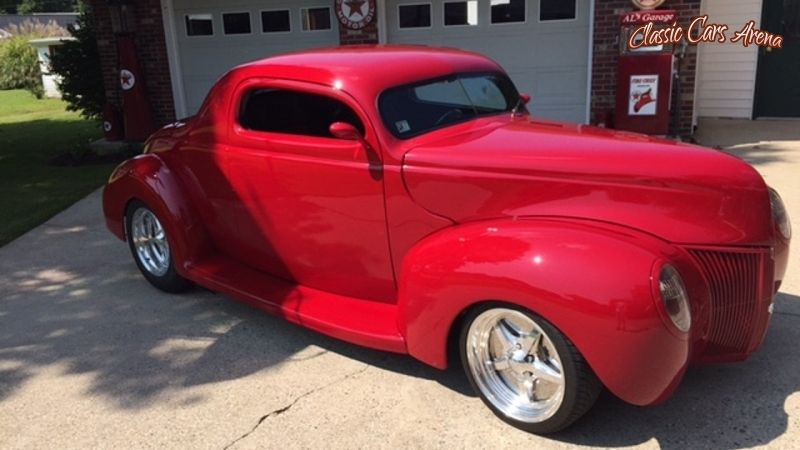
1939 Lincoln Zephyr
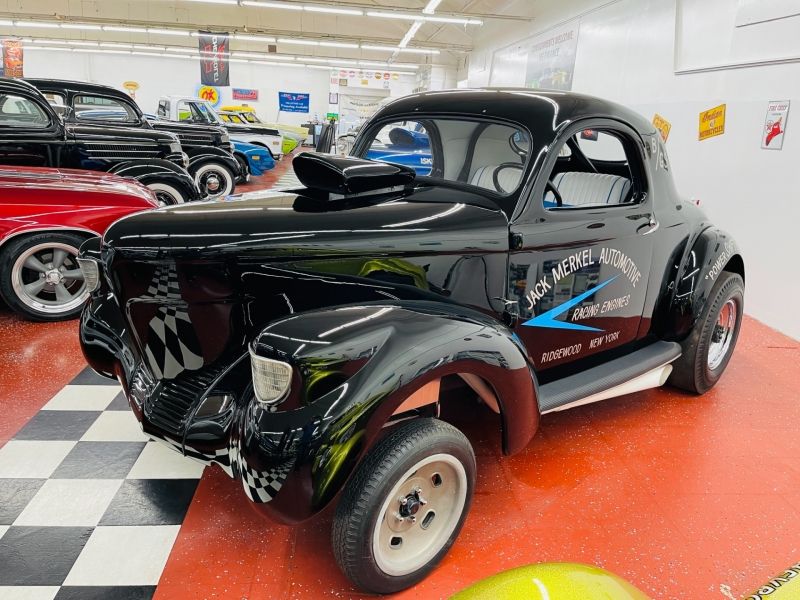 Featured
United States
Featured
United States
1939 Willys Model 77
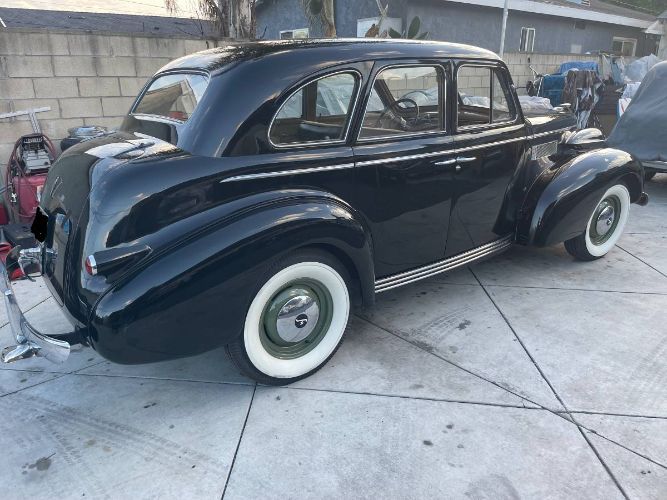 Dealer
United States
Dealer
United States
1939 Cadillac LaSalle
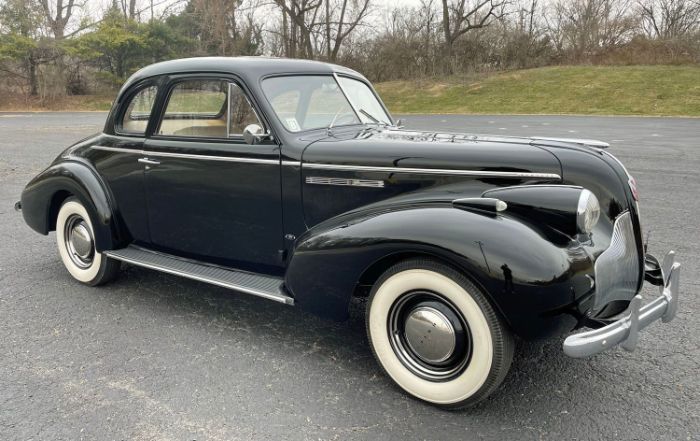 Dealer
United States
Dealer
United States
1939 Buick Special
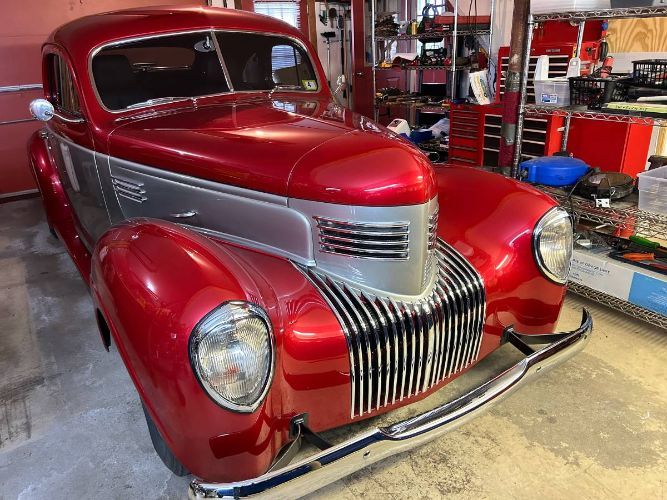 Dealer
United States
Dealer
United States
1939 Chrysler Royal
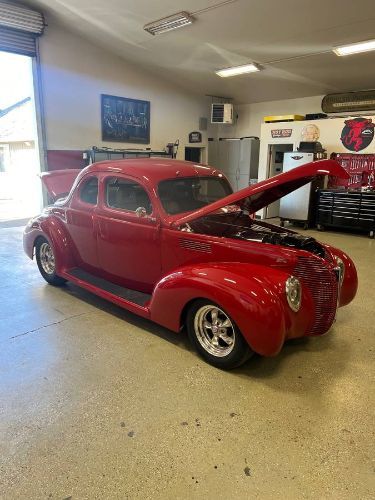 Dealer
United States
Dealer
United States
1939 Ford Coupe
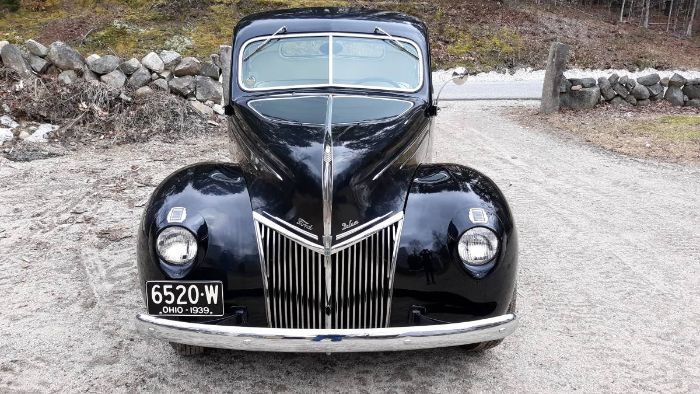 Dealer
United States
Dealer
United States
1939 Ford Deluxe
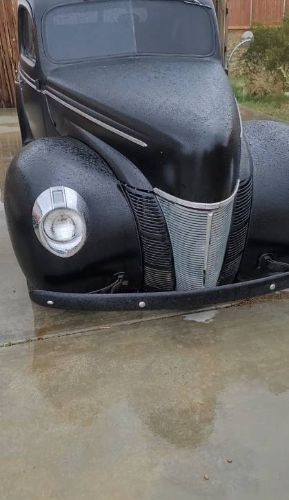 Dealer
United States
Dealer
United States
1939 Ford Coupe
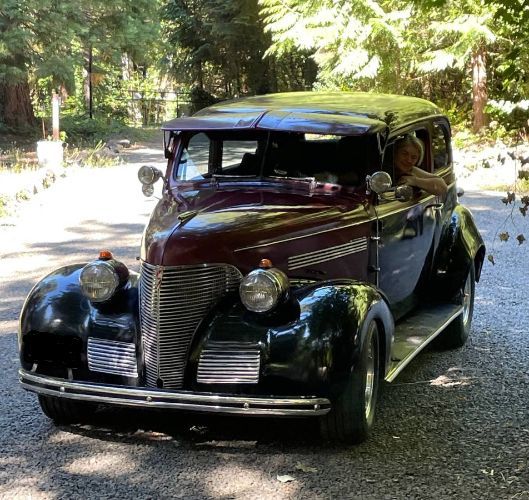 Dealer
United States
Dealer
United States
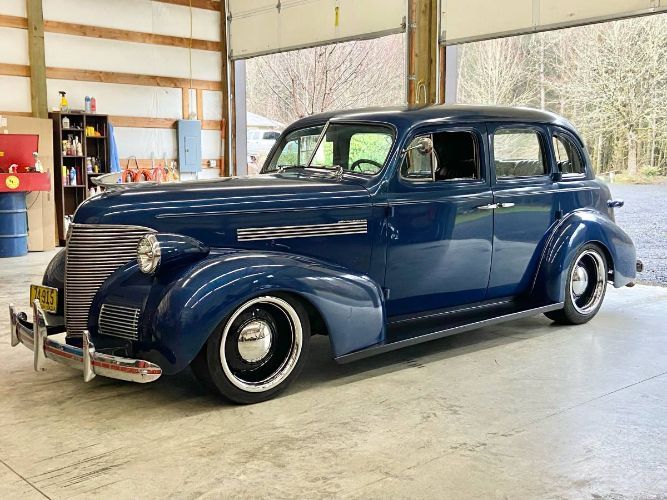
1939 Chevrolet Master
 Dealer
United States
Dealer
United States
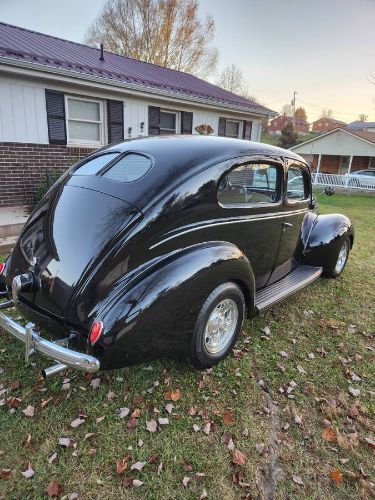
1939 Chevrolet Deluxe
 Dealer
United States
Dealer
United States
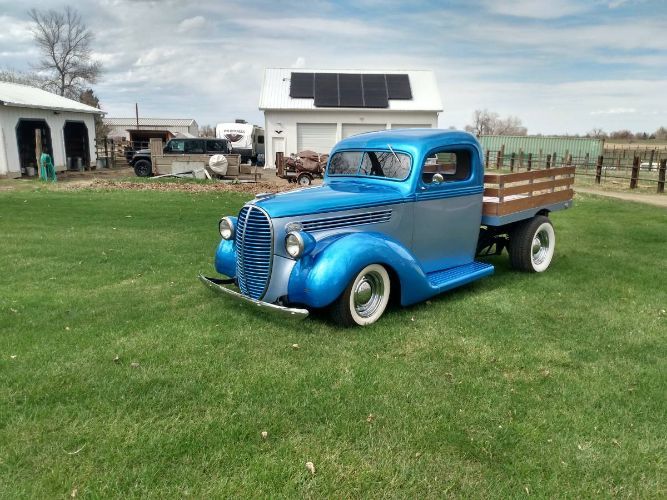
1939 Ford Coupe
 Dealer
United States
Dealer
United States
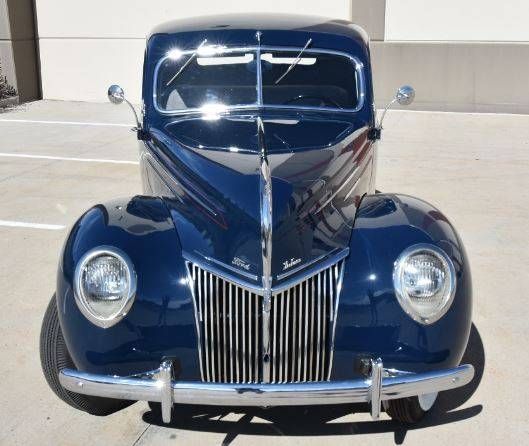
1939 Ford Model 50
 Dealer
United States
Dealer
United States
1939 Ford Coupe
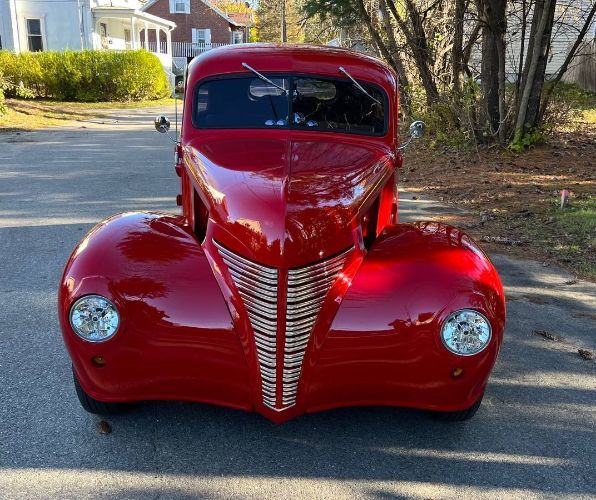 Dealer
United States
Dealer
United States
1939 Plymouth RoadKing
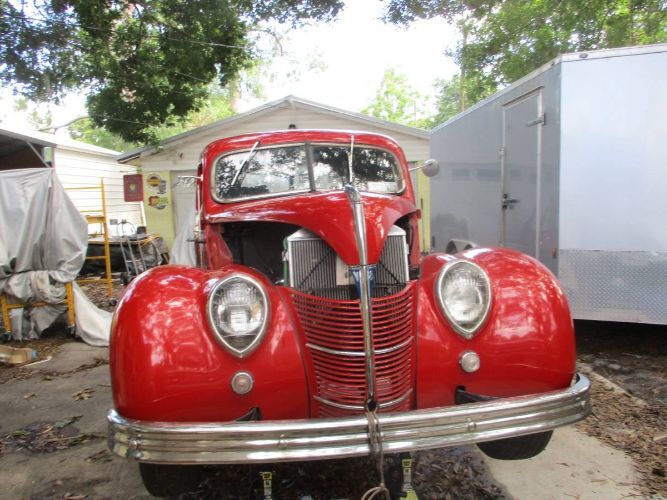 Dealer
United States
Dealer
United States
1939 Ford Coupe
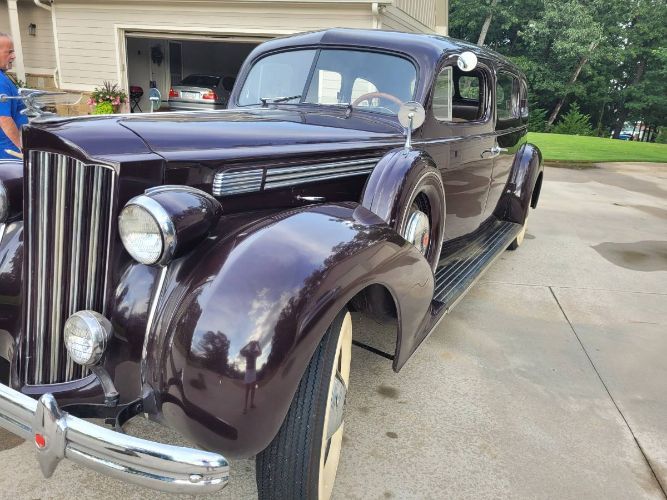 Dealer
United States
Dealer
United States
1939 Packard 1508
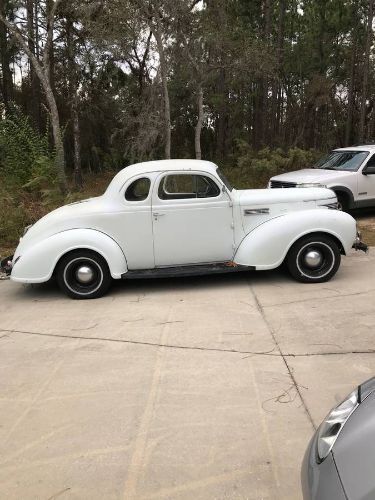 Dealer
United States
Dealer
United States
1939 Plymouth Business Coupe
Market: First-year 1939 Mercury Eight convertible coupes draw strong interest, typically $45,000 to $90,000 for correct, running examples. The final-year Packard Twelves carry genuine historical significance and trade from $80,000 to $200,000 depending on body style and coachbuilder attribution. Lincoln Zephyr convertibles continue in the $80,000 to $130,000 range.
Buyer's note: On a 1939 Mercury Eight, verify the body tag against Ford Motor Company production records to confirm the assembly plant and original color code, as early Mercurys were built at multiple plants and documentation quality varies considerably.