
Ford Mustang vs Pontiac Firebird — Pony Car vs F-Body
The Ford Mustang and Pontiac Firebird are two of the most enduring American performance nameplates — but they represent very different philosophies. The Mustang is the original pony car: broad, accessible, with decades of production across every performance level. The Firebird is a more focused F-body proposition: Pontiac-engineered V8s, progressive styling, and the Trans Am's performance-focused identity. Choosing between them depends on which brand story, engine character, and era speaks to you.
Specs side-by-side
| Spec | Ford Mustang | Pontiac Firebird |
|---|---|---|
| Launched | 1964½ | 1967 |
| Platform | Ford unibody pony car | GM F-body |
| Top performance variant | Boss 429 / Shelby GT500 | Trans Am SD-455 (1973-74) |
| Aftermarket depth | Deepest of any classic | Good; F-body/Pontiac specific |
| Driver-quality entry | \$22,000+ | \$18,000+ |
| Investment premium | Strongest at top end | 10-20% below Camaro equiv. |
The case for Ford Mustang
Choose the Ford Mustang for the broadest possible range of options, the deepest aftermarket of any classic American car, and the most liquid collector market. From $15,000 Fox-body GTs to $2M Boss 429s, the Mustang covers more buyer profiles than any other American performance car. The first-generation (1964½-1973) Mustang is the most extensively documented and supported classic on the market — a Marti Report, window sticker, and Shelby/Boss paperwork trail is available for every significant variant. Parts are universally available, communities are active, and there is always a buyer for a well-documented Mustang at any price point.
The case for Pontiac Firebird
Choose the Pontiac Firebird for more distinctive styling, Pontiac's own engine character (particularly the 400 and 455 V8s), and 10-20% lower prices than equivalent Camaros or Mustangs. The Firebird's best years — 1969 Trans Am (697 built), 1973-1974 Super Duty 455, and the 1977-1979 Bandit-era Trans Am — all offer something the Mustang lineup doesn't: a specifically Pontiac identity that's rarer and, to many eyes, more characterful. The F-body Firebird also handles better than first-gen Mustangs in stock form.
Verdict
For investment security, parts availability, and mainstream collector market depth, the Mustang wins. For character, value-per-dollar, and the satisfaction of owning something slightly off the beaten path, the Firebird wins. At the highest levels (Boss 429 Mustang vs 1969 Trans Am Ram Air IV), the Mustang commands more money. At the driver level, a comparable Firebird Trans Am is 15-20% cheaper than an equivalent Camaro or Mustang. Buy the Mustang for safety; buy the Firebird for the connoisseur's choice.
Recent Ford Mustang listings
 Dealer
 United States
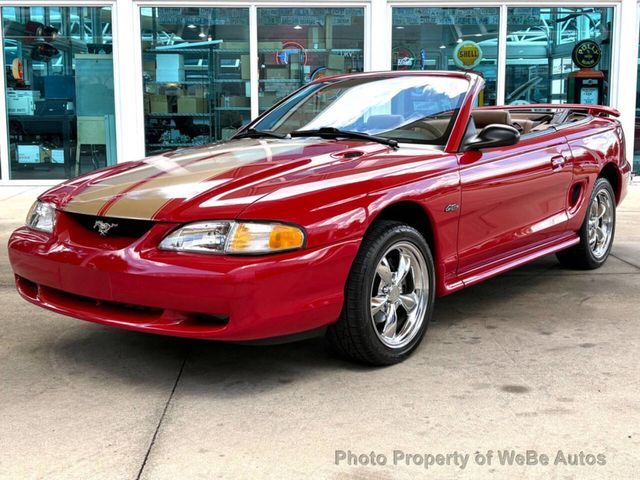
1997 Ford Mustang
 Dealer
United States
Dealer
United States
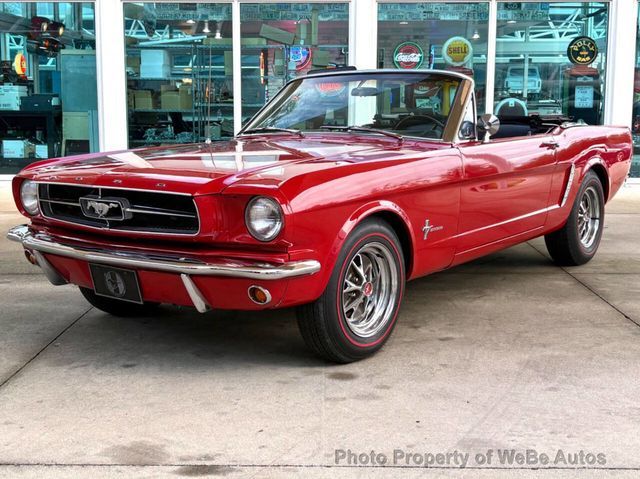
1965 Ford Mustang
 Dealer
United States
Dealer
United States
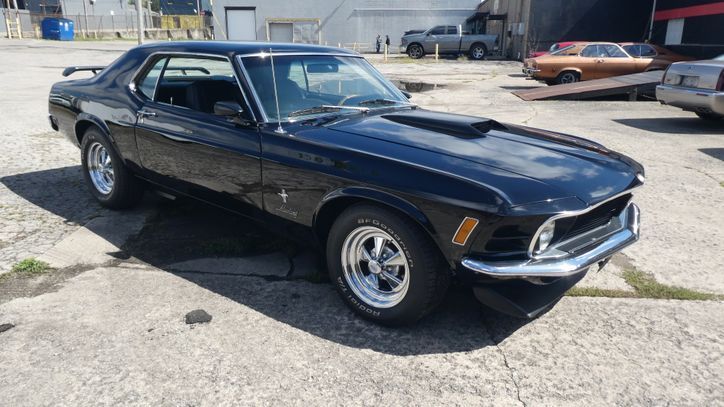
1970 Ford Mustang
 Dealer
United States
Dealer
United States
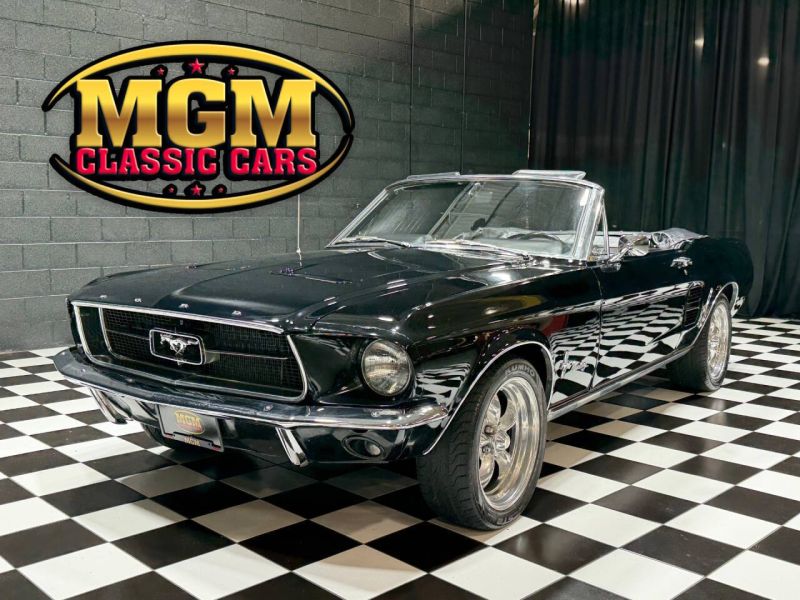
1967 Ford Mustang
Recent Pontiac Firebird listings
 Dealer
United States
Dealer
United States
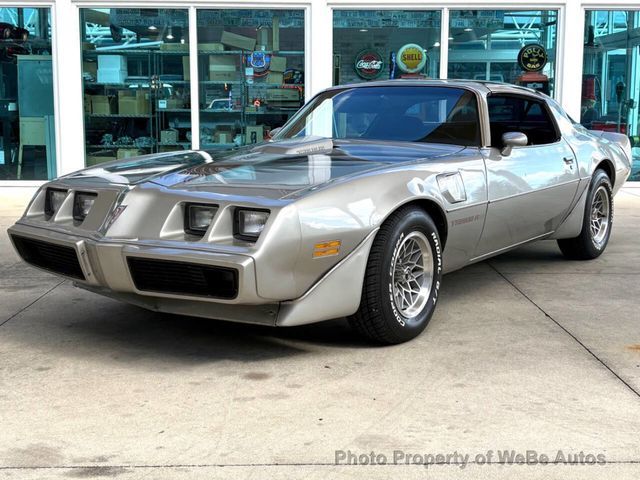
1979 Pontiac Firebird
 Dealer
United States
Dealer
United States
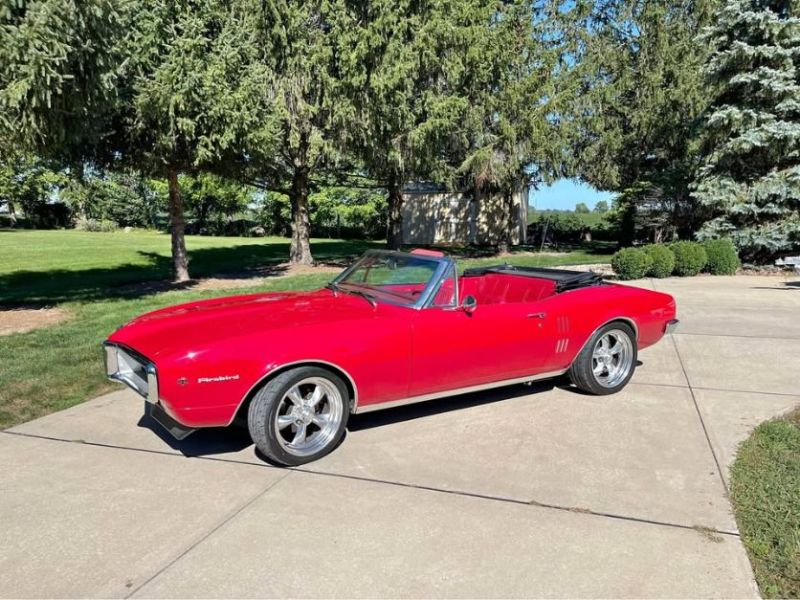
1967 Pontiac Firebird
 Dealer
United States
Dealer
United States
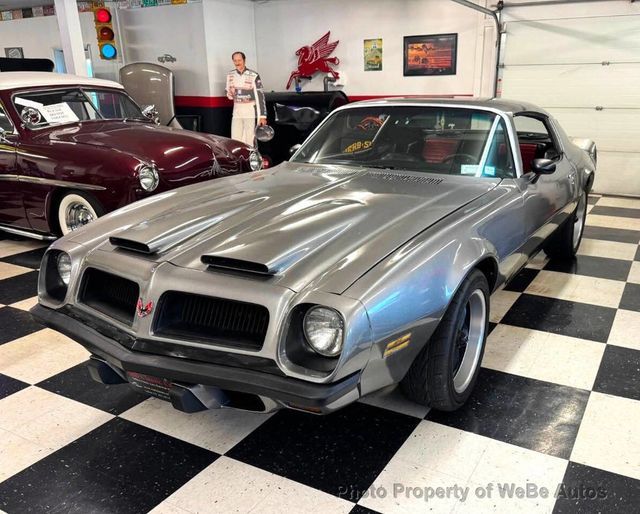
1974 Pontiac Firebird
 Dealer
United States
Dealer
United States