
A fellow at a regional Pontiac meet once told me his 1968 Firebird convertible was one of maybe a dozen built with a specific combination of top color and interior trim. He believed it. He had believed it for twenty years. Then someone in the crowd who actually keeps a spreadsheet of Fisher Body production data walked him through the real numbers, and it turned out his car was less rare than he thought but a good deal more interesting, because the actual story involved a running assembly line change nobody had documented well until clubs started comparing notes decades later. That is the Firebird gen1 convertible in a nutshell: a car everyone has an opinion about, and a car where the paper trail usually settles the argument better than the opinion does.
The 1967-69 Firebird Convertible
The first-generation Firebird gen1 convertible was built as a proper drop-top from launch day, and three model years of small changes tell a bigger story than most owners realize.
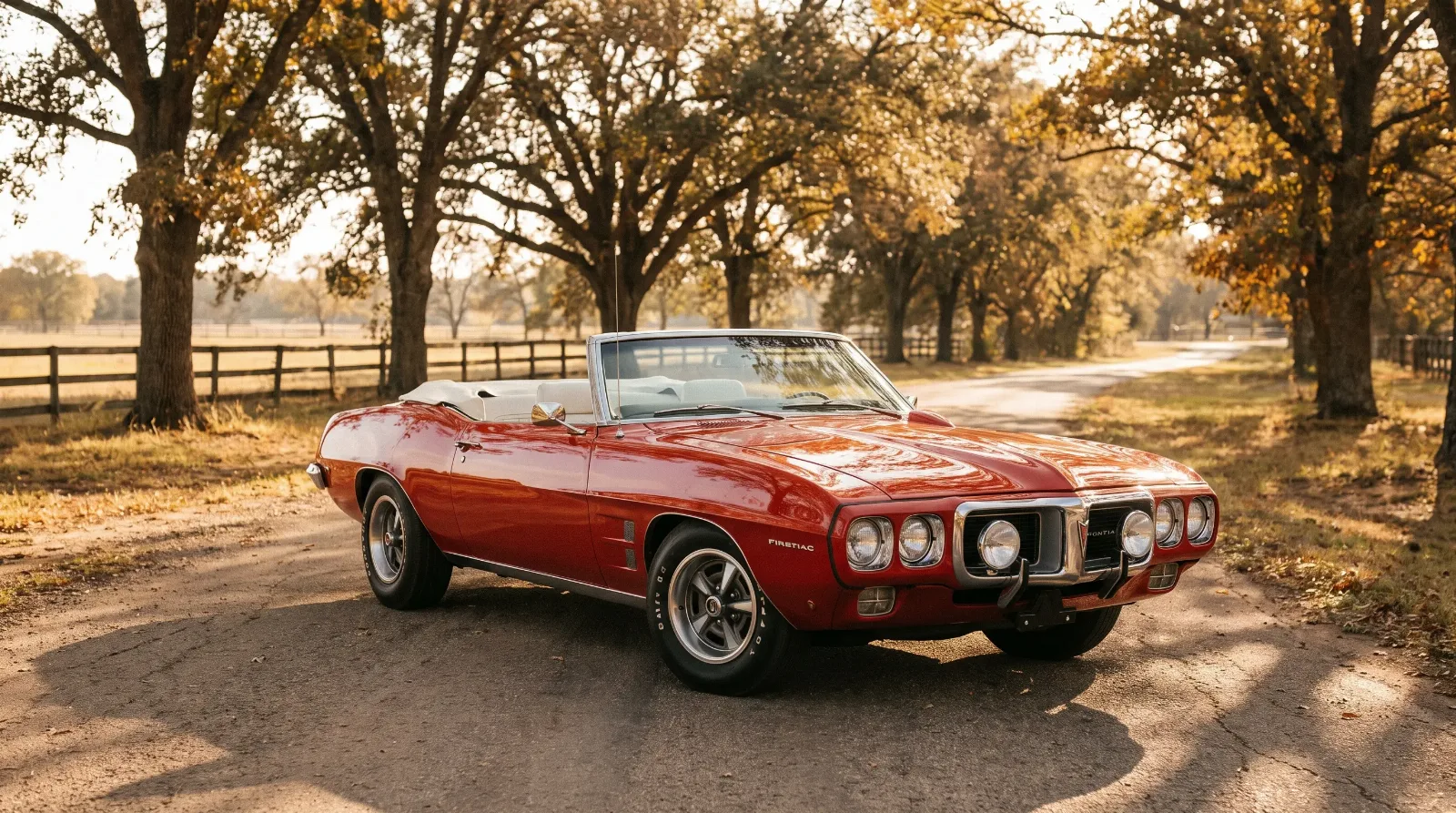
A convertible from the very first day
Pontiac never treated the convertible as an afterthought on the first-generation Firebird. When the car launched in February 1967, the ragtop was there from the start alongside the hardtop coupe, sharing the same body structure with reinforced rockers and a stiffer floor pan to make up for the missing roof. That is worth saying plainly because a lot of pony car convertibles from this era feel like a factory bolted a soft top onto a coupe as an afterthought. The Firebird's convertible structure was engineered alongside the hardtop, not tacked on after the fact, which is part of why surviving examples have generally held up better structurally than some contemporaries.
Anyone who wants the fuller picture of how the car came to exist at all should read the early Firebird chapter, which covers the platform-sharing decisions with the Camaro and the internal politics that got Pontiac its own pony car in the first place. The convertible was simply part of that plan from day one, not a later addition.
1967 versus 1968 versus 1969
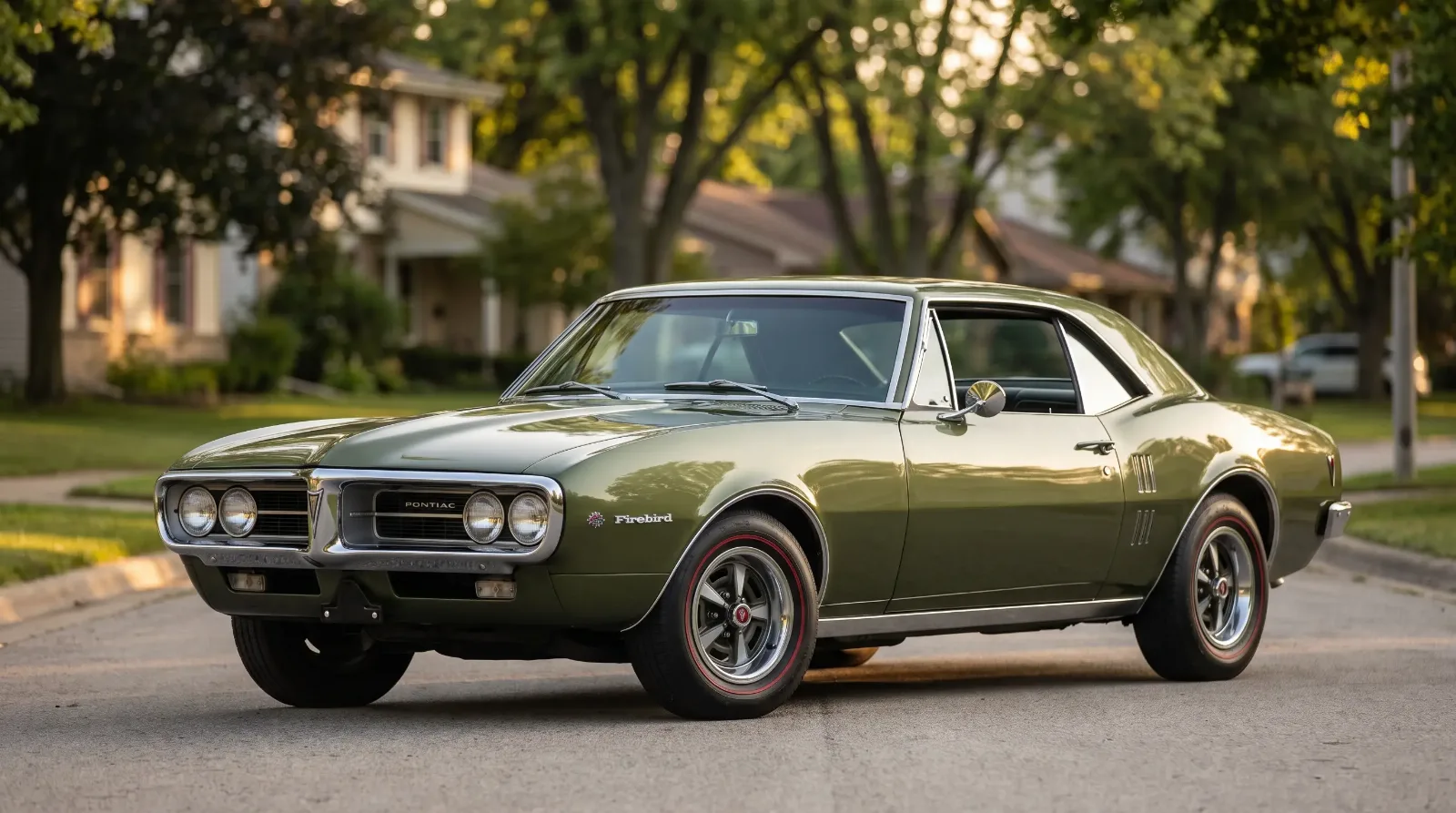
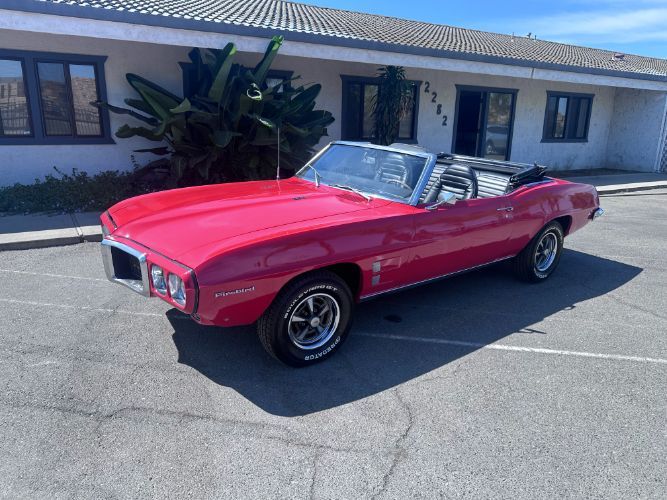
The three model years of the first-generation convertible are close cousins but not identical cars. The 1967 model carried the cleanest front fascia of the run, with vertical parking lights and the simplest trim. For 1968, Pontiac added federally mandated side marker lights, dropped the fender-mounted louvers that had been mostly decorative anyway, and revised the dash slightly. The 1969 convertible got the biggest visual overhaul of the generation, with a longer nose, a chrome front bumper repositioned so the headlights now sat outside its edges rather than wrapped inside it, and a more aggressive stance overall. Club members tend to have strong preferences among the three, and none of them are wrong exactly, they are just describing three different cars that happen to share a nameplate.
| Model year | Notable convertible detail |
|---|---|
| 1967 | Launch year, vertical parking lights, simplest trim |
| 1968 | Side marker lights added, fender louvers deleted |
| 1969 | Longer nose, headlights moved outside the bumper edges, final year of the body |
What buyers actually chose
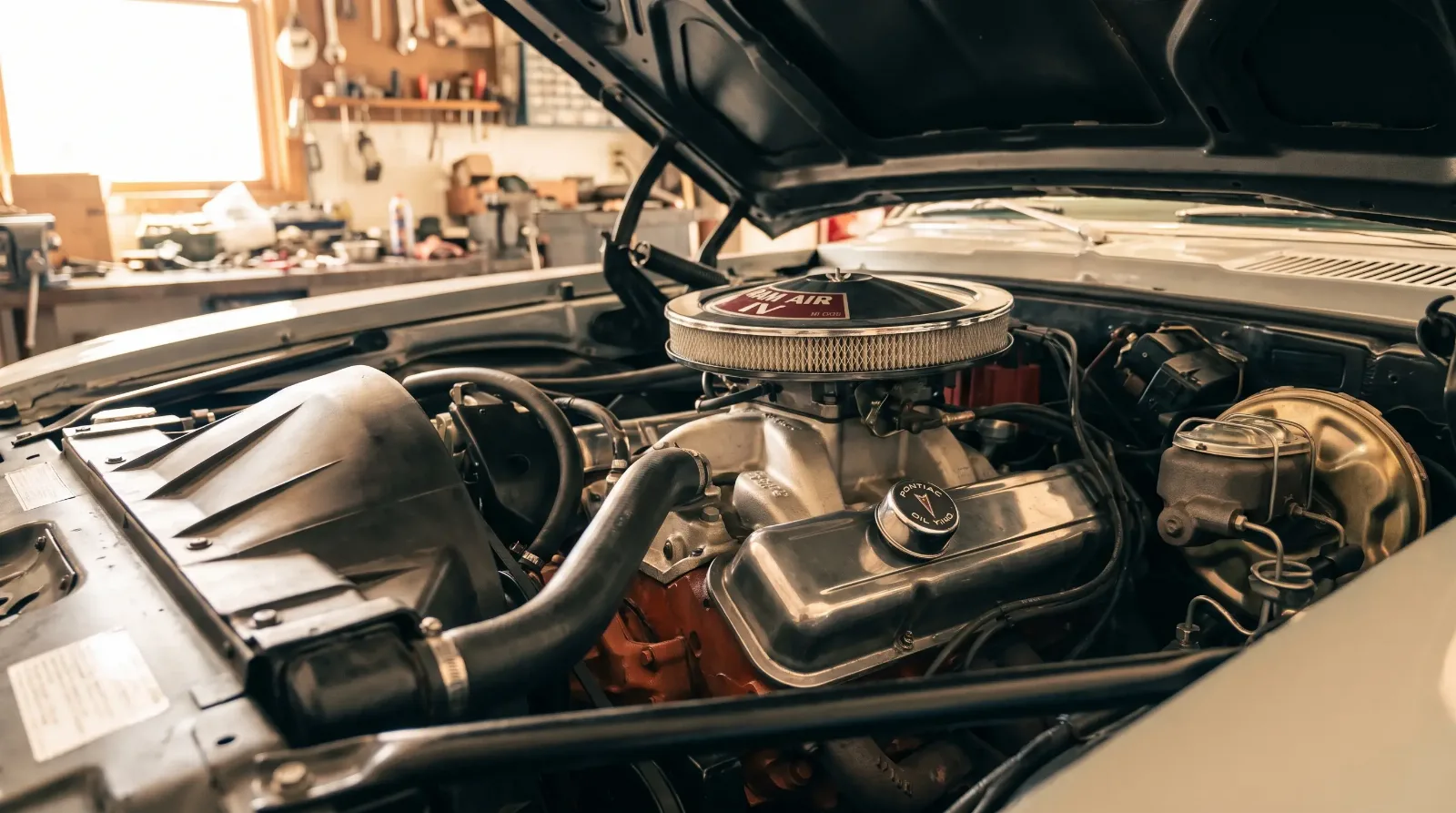
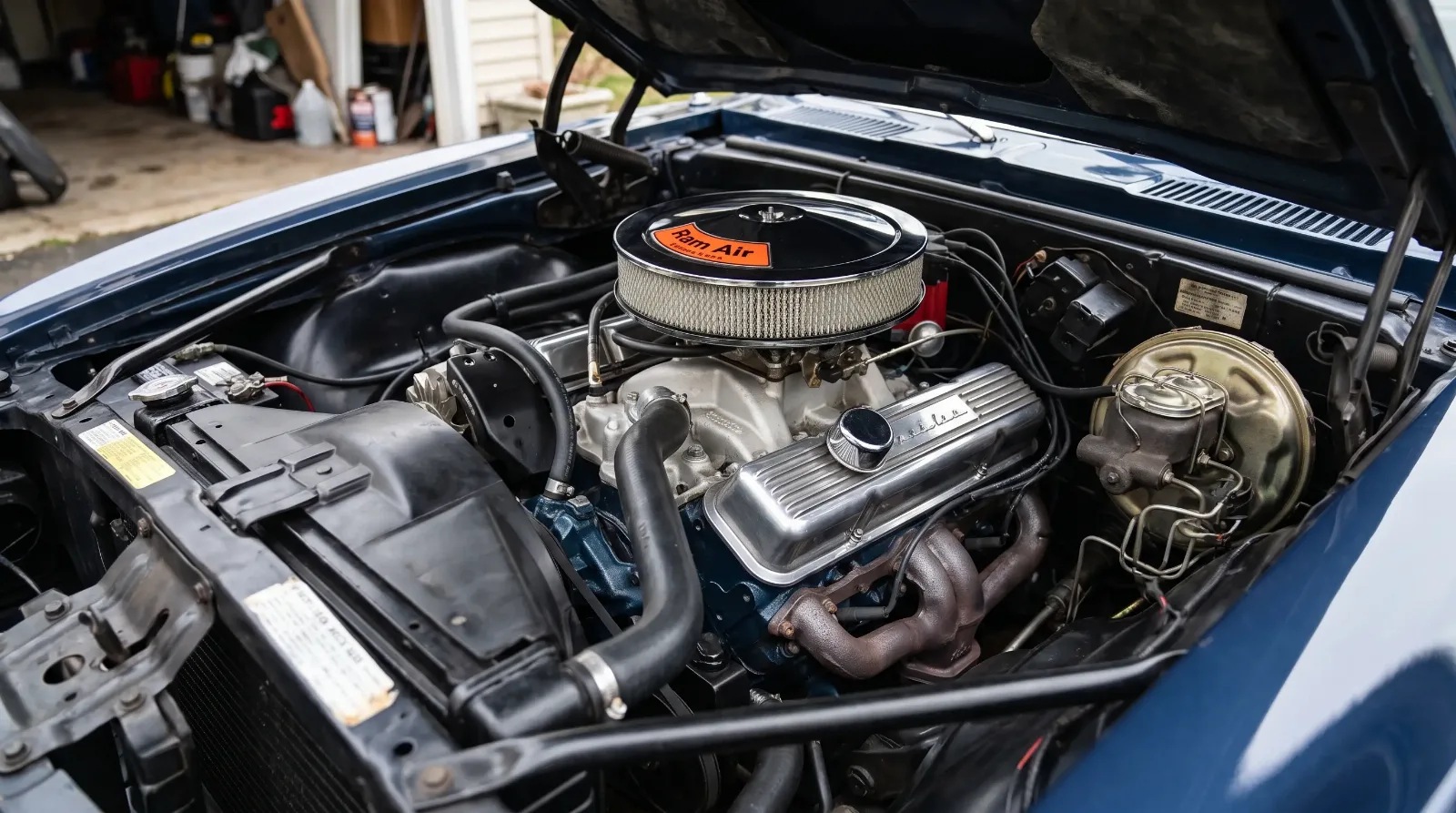
Convertible buyers in this era were not necessarily chasing the hottest engine on the order sheet. Plenty of first-gen convertibles left the factory with the base OHC six or a mild 326, ordered by someone who wanted open-air driving and a reasonable insurance bill more than they wanted stoplight bragging rights. That said, the convertible could be paired with essentially anything in the lineup, up to and including the biggest 400 cubic inch options, for buyers who wanted both. Readers curious about how those engine choices actually stacked up against each other should look at a related deep-dive comparing the Sprint six, the 326, and the 400 across the same three model years.
Options that came up again and again on surviving convertibles at club events include power steering, which owners found nearly essential given the extra weight up front, and the console shifter for cars ordered with a manual transmission. Air conditioning was rare on convertibles generally, since the whole point of the body style worked against it, though it did exist as an option.
"Somebody always shows up with a story about the rarest color combination ever built. Half the time the invoice backs them up. The other half, we find out together why the story grew in the telling."
Wayne Coburn
Buying one today
Convertible-specific problems separate a good first-gen Firebird buy from a headache. Top wells and the surrounding sheet metal trap water more than a hardtop ever will, so rust in the trunk floor, the lower quarters, and the frame rails deserves more scrutiny on a convertible than it does on a coupe from the same year. A soft top that folds and seals correctly is worth real money in itself, since a poorly fitted reproduction top can make an otherwise solid car feel cheap every time it rains.
Documentation matters here as much as anywhere else in the hobby. A build sheet, a Protect-O-Plate, or a dealer invoice confirming the original engine and options turns a nice convertible into a documented one, and the difference shows up in what serious buyers are willing to pay. Clubs exist partly because they have gotten good at telling the difference between a car with a real record and a car with a good story, and the two are not always the same thing.
Where these cars turn up
Regional Pontiac-Oakland Club International chapters remain the best place to see a real cross section of first-gen convertibles in one parking lot, not just the show winners but the drivers too, the ones with a slightly mismatched repaint or an aftermarket radio someone installed in 1974 and never bothered to remove. That mix matters, because it shows what these cars actually looked like as used cars for most of their lives, long before anyone thought to call them collectible. A member who has owned the same convertible since buying it used in the 1980s will usually know more about its quirks than any auction description ever could, right down to which switch sticks in humid weather.
National meets draw the documented, high-dollar cars, and they are worth attending just to see what a correctly restored example looks like next to a barn-find still wearing its original paint under a layer of dust. Both are legitimate first-gen Firebird convertibles. They simply represent two different points on the same long timeline, and comparing them side by side teaches more about the car than either one does alone.
Sources and notes
- Pontiac Firebird - Wikipedia
- 1969 Pontiac Firebird History - First Gen Firebird
- How To Spot Differences In First Gen Firebird 1967-69 - Street Muscle
- The Pontiac Firebird Had The Most Dramatic Range Of Side Marker Lamp Design - Jalopnik
- 1969 Firebird - Last of the First-Gen - Classic Industries
- 1967 Pontiac Firebird Fact Sheet - Over-Drive Magazine
Related Reading

Longtime Corvette owner, judge and club figure who knows the cars, the records and the people behind them.
Related Listings - Pontiac Firebird
Comments
Be the first to comment on this article.