
Picture a Jeep dealer's showroom floor in 1980, fluorescent lights, a wood-paneled wagon parked next to a work truck, and in the middle of it a jeep cj cj7 laredo trying to convince a buyer in a sport coat that he could own a Jeep without giving up his standards. That was the pitch. Laredo was not built for the guy already sold on off-roading. It was built for the guy who was not sure a Jeep belonged in his driveway at all.
Car Features
7 min read
Laredo: The Chrome-and-Comfort CJ-7
Laredo was Jeep's attempt to make the CJ-7 comfortable enough for a buyer who had never considered a Jeep before, and the trim name went on to outlive the CJ-7 itself by decades.
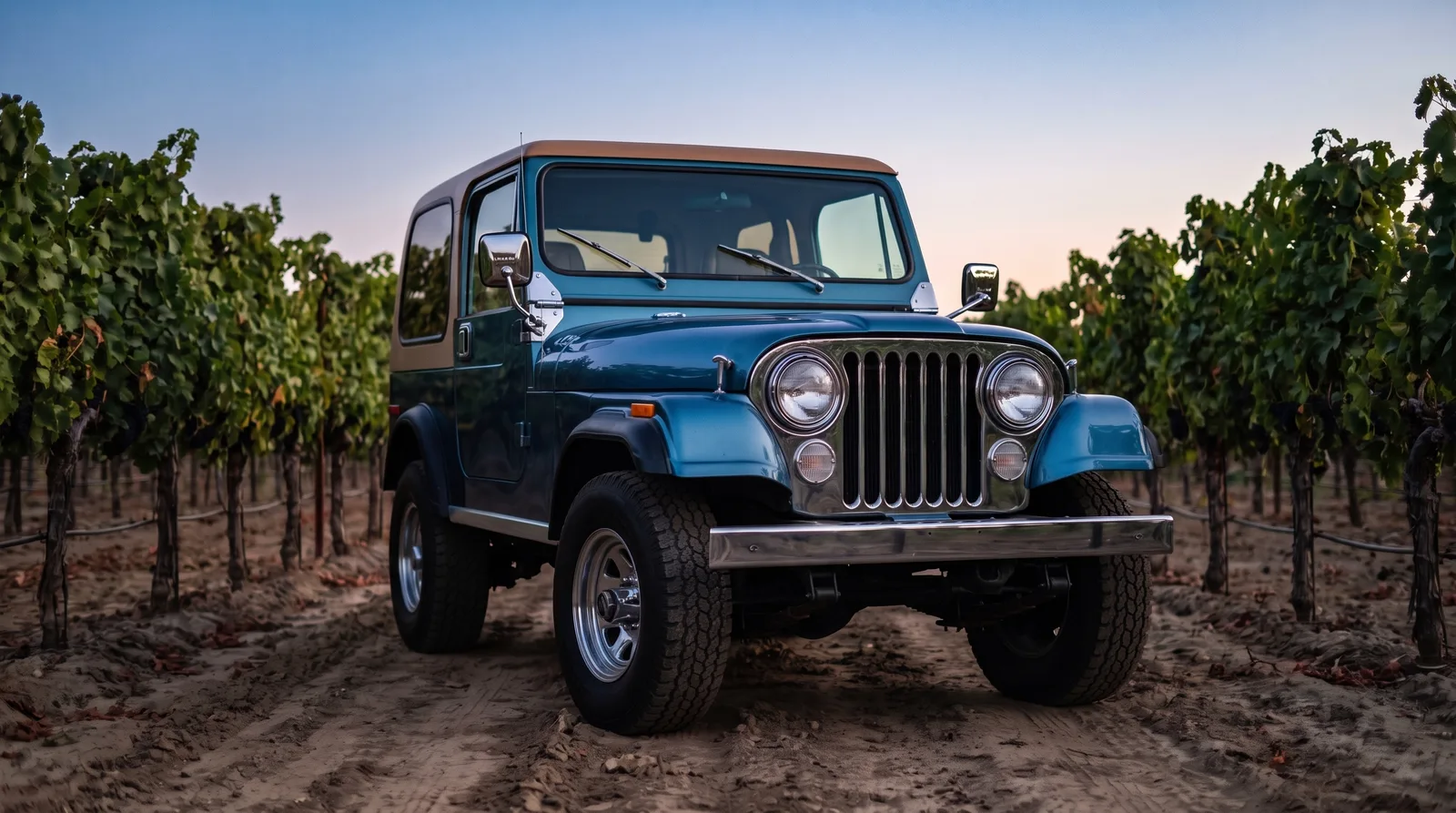
A trim aimed at a buyer Jeep had not fully courted before
By the start of the 1980s, Jeep's parent company AMC was navigating a market that had shifted underneath it. Fuel prices had spiked, buyers were nervous, and the CJ-7's traditional customer base of ranchers, hunters, and off-road enthusiasts was not going to grow the brand on its own. Laredo, introduced in the early 1980s, was Jeep's attempt to dress the CJ-7 up for a buyer who wanted the image of rugged capability with none of the roughness that usually came attached to it.
The formula leaned on comfort and chrome rather than horsepower or suspension travel. Laredo trucks typically carried body-colored fender flares in place of the black plastic ones on lesser trims, brighter exterior chrome trim, upgraded upholstery, and standard equipment that had been optional or absent elsewhere on the CJ-7 lineup, items like a tachometer, a passenger-side mirror, and a nicer steering wheel. None of it changed what the truck could do off pavement. All of it changed how it felt to sit in one.
The comfort case, told honestly
I have sat in a well-kept Laredo interior and I will say this plainly: it is a different experience than a stripped work-trim CJ-7. The seat trim held up better, the cabin felt less like a farm implement, and small details, a properly damped glovebox door, a padded dash pad, actually mattered day to day. Jeep was not chasing a luxury SUV here. It was closing the gap just enough that a buyer cross-shopping something softer would not walk away.
That strategy worked well enough that Laredo stuck around as a trim designation on Jeep products for decades after the CJ-7 itself went out of production, eventually becoming one of the longest-running trim names in the company's history on later Grand Cherokee models. The CJ-7 Laredo is where that name earned its first real foothold, and collectors researching our jeep cj7 retrospective will find the trim covered as one thread in the broader model's evolution.
"Laredo wasn't trying to out-tough anything on the trail. It was trying to out-comfort every other Jeep on the lot, and for a certain buyer in 1981, that was exactly the argument that closed the sale."
- Patrick Walsh
The showroom strategy behind the trim
Dealers in the early 1980s were navigating a buying public rattled by two fuel crises in less than a decade, and a truck-based off-roader was not always an easy sell to a nervous, budget-conscious customer. Laredo gave sales staff a different pitch to reach for. Instead of leading with towing capacity or ground clearance, a salesman could lead with the tachometer, the trim, the color-matched flares, treating the CJ-7 more like a lifestyle vehicle than a piece of farm equipment.
That repositioning mattered more than it might look like in hindsight. Jeep as a brand was trying to broaden past its traditional rural and military-adjacent image, and Laredo was one of the clearest signals of that shift showing up on an actual showroom floor. It planted a flag for the idea that a Jeep could be aspirational rather than purely utilitarian, an idea the company would lean on far more heavily once the Wrangler and later Grand Cherokee arrived.
How it compares to the CJ-7's other special editions
Laredo occupied a different lane than Renegade or Golden Eagle. Where those packages leaned into visual aggression, wide tires, bold decals, Laredo leaned into refinement. It is worth reading a related story covering the Limited trim, since the two packages eventually overlapped in ambition, both chasing a more upscale CJ-7 buyer even if they arrived at slightly different price points and years.
The distinction matters for anyone shopping today. A Laredo will not impress a wheeling crowd the way a flared-out Renegade might, but it holds its own as the CJ-7 variant most likely to have been babied by an owner who used it as a weekend cruiser rather than a work truck. That history often shows up in better-preserved paint and interiors on surviving examples.
| Spec | Detail |
|---|---|
| Package focus | Comfort, chrome trim, upgraded interior |
| Approximate era | Early 1980s CJ-7 production |
| Fender flares | Body-colored, distinct from black flares on lesser trims |
| Standard extras | Tachometer, upgraded upholstery, added chrome trim |
| Legacy | Name carried forward for decades on later Jeep Grand Cherokee trims |
What to look for when buying one
Because Laredo buyers skewed toward owners who treated the truck as a comfortable cruiser rather than a trail rig, surviving examples sometimes present better than their mileage suggests. That is good news for a buyer, but it also means sellers occasionally overstate originality on interior trim pieces that were unique to the package. Confirm the upholstery pattern and dash trim against period photos before paying a premium for "original Laredo interior," since generic CJ-7 replacement parts can look close enough to fool a casual glance.
Anyone browsing CJs for sale now with a Laredo badge on the fender should weigh it as the comfort-forward option in the CJ-7 lineup, not a lesser one. It represents Jeep figuring out, a little late and a little cautiously, that not every buyer wanted the roughest truck on the lot. Some just wanted the coolest one they could actually enjoy sitting in.
What separates a genuine Laredo from a dressed-up base truck
Because the Laredo package leaned on interior trim and exterior chrome rather than mechanical hardware, a determined seller can approximate the look without the documentation to back it up. Aftermarket chrome trim and generic upgraded upholstery can mimic the surface impression of a Laredo without any of it being period-correct or factory-installed. A buyer paying a premium for the badge should ask for the original window sticker, build sheet, or VIN decode confirming the trim code rather than trusting fender badging alone, since badges are among the easiest parts to swap between trucks.
None of that should scare a buyer away from the trim. It just means the same due diligence that applies to any special-edition CJ-7 applies here too, and a little paperwork verification protects against paying Laredo money for a truck that only looks the part.
How Laredo aged compared to its flashier siblings
Trends in the collector market shift, and special editions built around loud graphics sometimes fall in and out of favor as tastes change. Laredo has held a steadier reputation precisely because it never depended on a trend-sensitive look. Body-colored flares and tasteful chrome do not date the way a bold 1980 decal pattern can, which means a Laredo often reads as simply a nicer CJ-7 to a modern eye, rather than a period piece frozen in a specific year's design language. That timeless quality has quietly worked in the trim's favor as collector tastes have shifted over the decades since production ended.
Sources and notes
Related Reading

About the author
Patrick Walsh
Automotive journalist covering classic car shows, events, and the enthusiast community across North America.
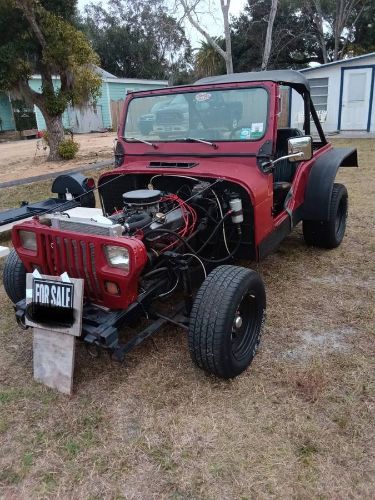
Related Listings - Jeep CJ

More in Car Features
Comments
Be the first to comment on this article.