
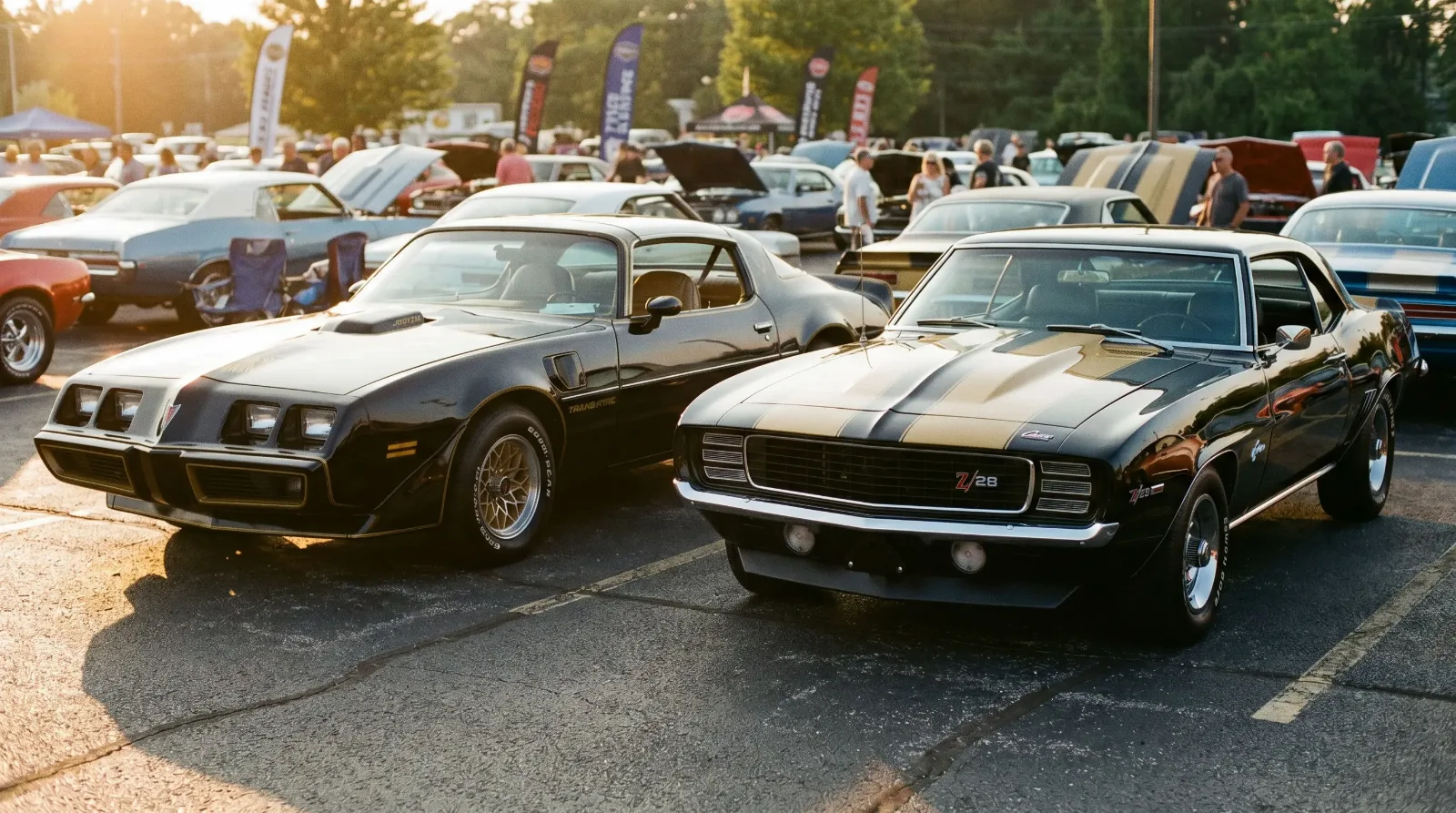
Park a Pontiac Firebird Trans Am next to a Chevrolet Camaro Z28 at any classic car show and you will see the same thing happen every time. A crowd splits into two camps before anyone says a word. The trans am vs z28 argument is older than most of the people having it, and it never really gets settled, because both cars came from the same corporate parents and grew up to be genuinely different personalities. That is the part people miss when they reduce this to a bar bet about horsepower.
Car Features
6 min read
The Trans Am vs Z28 Rivalry
The Firebird Trans Am and Camaro Z28 grew up on the same platform but never agreed on what a pony car should be, and that argument outlasted three decades of shared engines.
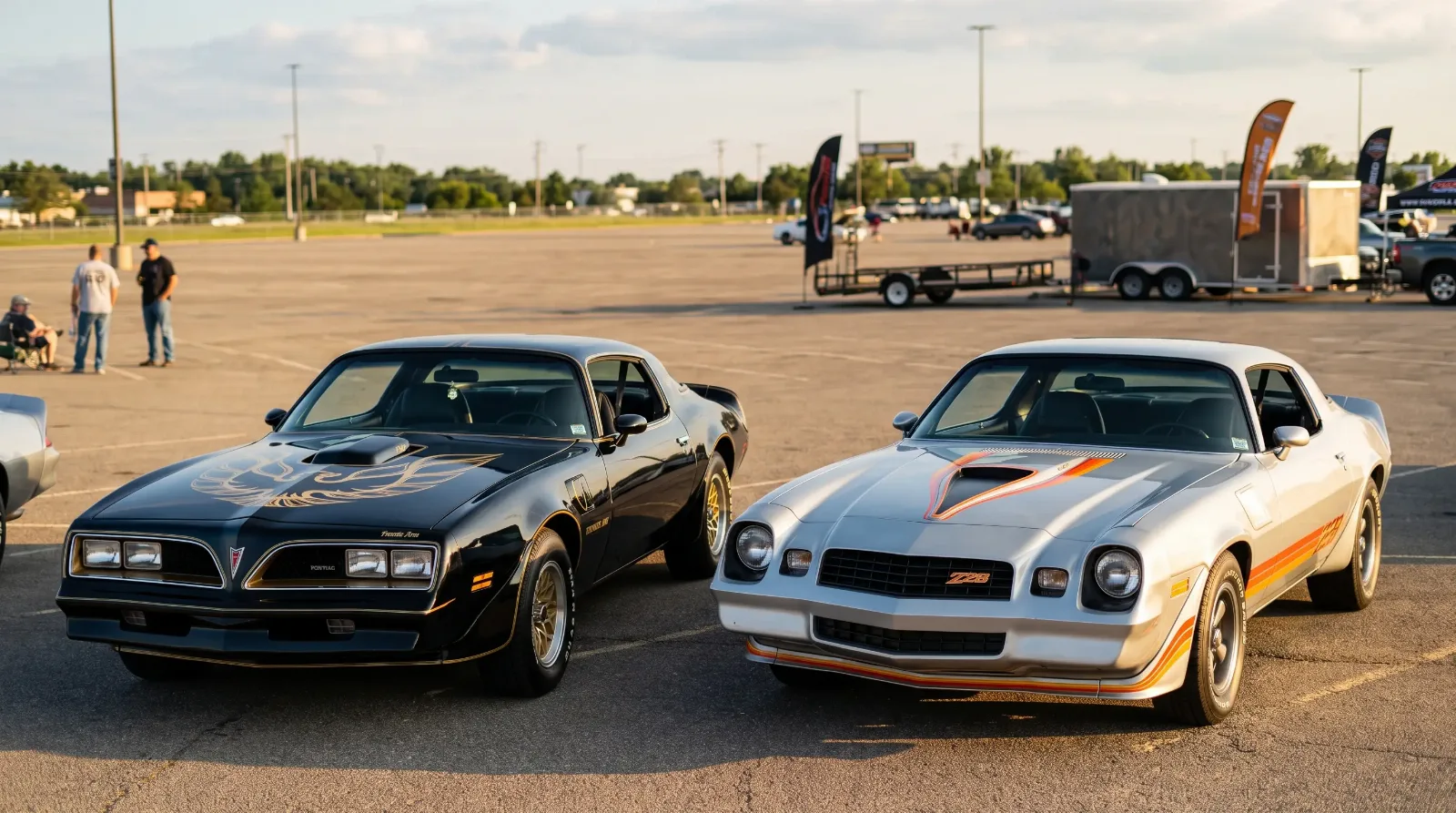
Two cars, one platform, one shared origin story
The Firebird and Camaro launched within months of each other in 1967, both built on GM's F-body platform, both aimed squarely at the Ford Mustang. Pontiac and Chevrolet were sister divisions competing for the same buyer, which is exactly why the rivalry has teeth. This was never an outsider versus an established champion. It was a house divided.
The Z28 name arrived first as a regular production option, created specifically so Chevrolet could homologate the Camaro for the SCCA Trans-American Sedan Championship, a road racing series for small-displacement V8 pony cars. The Trans Am package followed two years later in 1969, and Pontiac's use of the name came with a catch. Pontiac paid the SCCA a small royalty, reportedly 5 dollars per car, to license the Trans-Am name for the street package, even though the division never fielded a factory Trans-Am racing effort the way Chevrolet's teams did. Read that twice. The car named after the race series ran in fewer of those races than its rival.
Where the two actually diverged
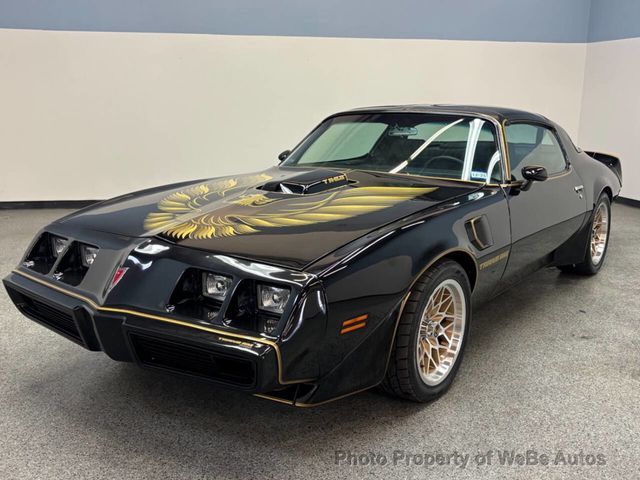
By the early 1970s the differences hardened into real personalities. The Trans Am leaned into visual drama, shaker hood scoops, the screaming chicken hood decal, and a suspension tune that Pontiac engineers pitched as slightly more forgiving on a long highway run. The Z28 leaned into a tauter, more track-focused setup, with sharper turn-in and less body roll, a legacy of its road racing pedigree that Chevrolet never fully abandoned even as emissions rules gutted horsepower across the board in the mid-1970s.
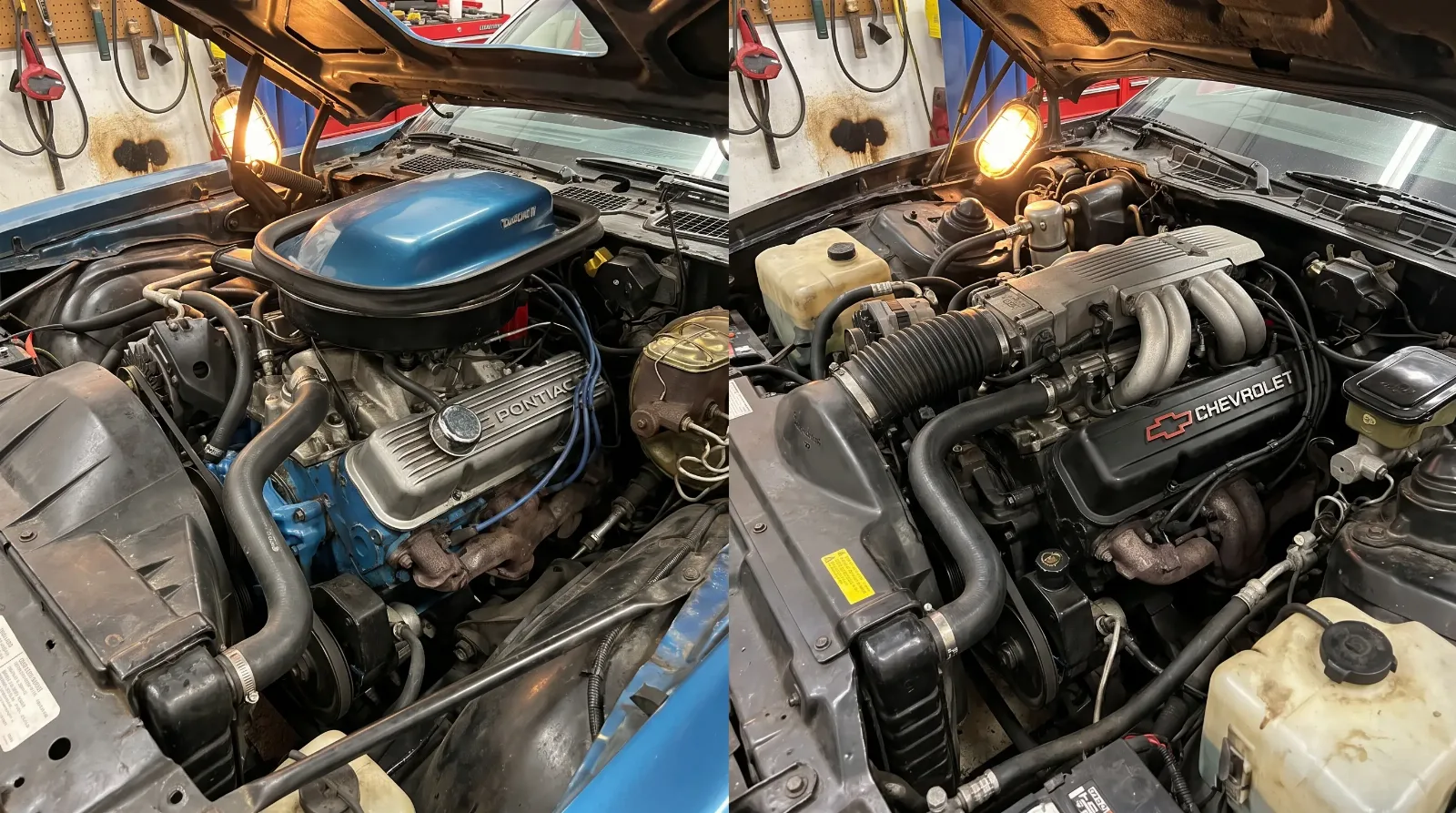
Engines told their own story. Because both cars often shared GM corporate blocks and later, in the 1980s and 1990s, the exact same Tuned Port Injection and LT1 powerplants, the on-paper specs converged even as the cars kept their separate characters. A Firebird Trans Am and a Camaro Z28 from the same model year could run within a few tenths of each other at the strip and still feel like completely different machines on a back road.
The eras that defined the fight
Every generation had its flashpoint. The second-generation cars of the late 1970s made the rivalry a pop culture event, largely because Firebird vs Camaro stopped being a showroom argument and became a Hollywood one. The third-generation cars brought the WS6 Special Performance Package to the Trans Am in 1982, a suspension and wheel upgrade that Pontiac loyalists still treat as a rite of passage. Chevrolet answered with the IROC-Z in 1985, named for the International Race of Champions series, giving the Z28 its own racing-flavored halo trim just as the Trans Am's GTA arrived to match it.
By the fourth generation, from 1993 to 2002, the two cars had essentially become mechanical twins wearing different sheet metal, sharing the LT1 and later the LS1 V8. That is when the argument stopped being about raw output and became purely about styling preference and brand loyalty, which is honestly where it had been heading the whole time.
It is worth remembering that this fight was never confined to Pontiac and Chevrolet dealerships. Magazine comparison tests through the 1980s and 1990s regularly pitted the two head to head on the same stretch of pavement, and the results flipped back and forth depending on which model year, which options box, and which editor happened to be behind the wheel that week. Neither car ever built a permanent, unarguable lead over the other, and that is precisely why the debate survived so many decades instead of resolving itself early and fading out like so many other rivalries did.
How the rivalry reads from the driver's seat today
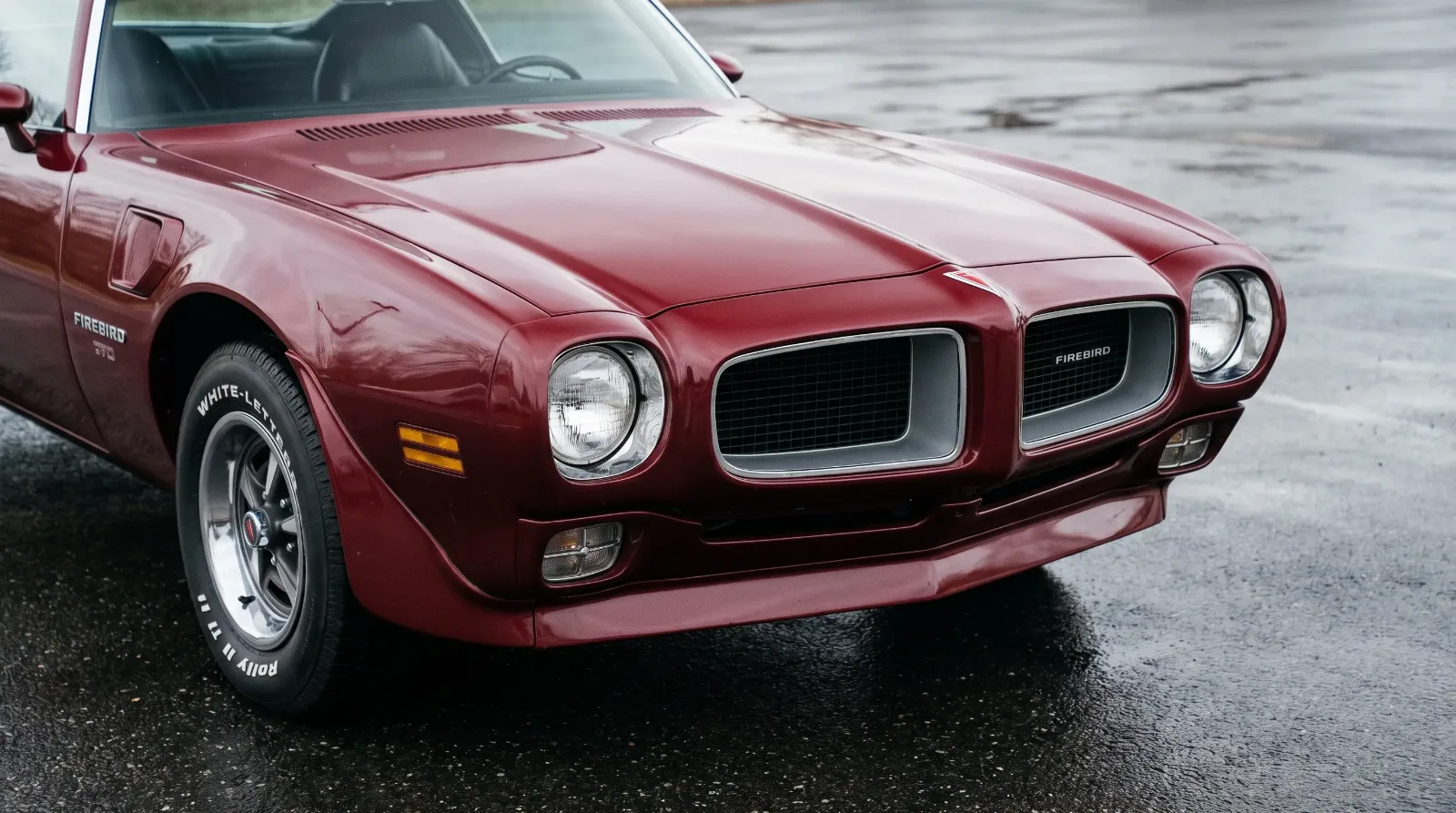
Sit in a well-sorted example of either car now and the differences are still there, just quieter. The Trans Am's cabin feels a touch more theatrical, more willing to remind you what you are driving. The Z28's feels more businesslike, built around the idea that the car should get out of its own way. Neither approach is wrong. They are just two different answers to the same brief, and the next story in this set is worth reading if you want to see how that brief evolved on the Firebird side specifically, particularly around its front-end styling.
Collectors tend to sort into the same two camps as show-goers. Numbers-matching Z28 buyers often chase documented racing heritage and a stiffer, more analytical driving experience. Trans Am buyers are usually chasing a feeling, a specific year, a specific movie, a specific version of American car culture that the screaming chicken hood still represents better than almost any other single image from the era.
"I have sat in both cars back to back more times than I can count, and the honest answer is that the Z28 wants to convince you it is right and the Trans Am wants to convince you it is fun. Most people already know which argument they are going to fall for before they ever open the door."
Patrick Walsh
| Era | Trans Am signature | Z28 signature |
|---|---|---|
| 1969-1973 | Shaker hood scoop, Ram Air options | Cowl induction hood, DZ 302/350 engines |
| 1977-1981 | Screaming chicken decal, T/A 6.6 engine | Dropped from lineup 1975-1976, revived 1977 |
| 1982-1992 | WS6 package, GTA trim from 1987 | IROC-Z from 1985, tuned port injection |
| 1993-2002 | LT1 then LS1 shared with Z28 | LT1 then LS1 shared with Trans Am |
What keeps this rivalry alive is that it was never really about which car won on a spec sheet. It was about which philosophy you believed in, the racer's car or the showman's car, and both Pontiac and Chevrolet built genuine, committed versions of each idea for more than three decades without either one blinking.
Sources and notes
- 1969 Pontiac Firebird Trans Am, History and Specs
- Classics on Autotrader: History of the Z28's First 25 Years
- Wikipedia: Chevrolet Camaro (Second Generation)
- Motogallery: 1987-1992 Pontiac Firebird Trans Am GTA, Specs and History
- Supercars.net: Rugged Equalizer, 1977 IROC Camaro Z/28
- Wikipedia: Pontiac Firebird
Related Reading
Have a
Pontiac Firebird
for Sale?
Reach thousands of serious classic car collectors across the US.
Sell It Here →
Are You a Classic Car Dealer?
List your full inventory and connect with targeted classic car buyers.
Join as a Dealer →

About the author
Patrick Walsh
Automotive journalist covering classic car shows, events, and the enthusiast community across North America.
Related Listings - Pontiac Firebird




Comments
Be the first to comment on this article.