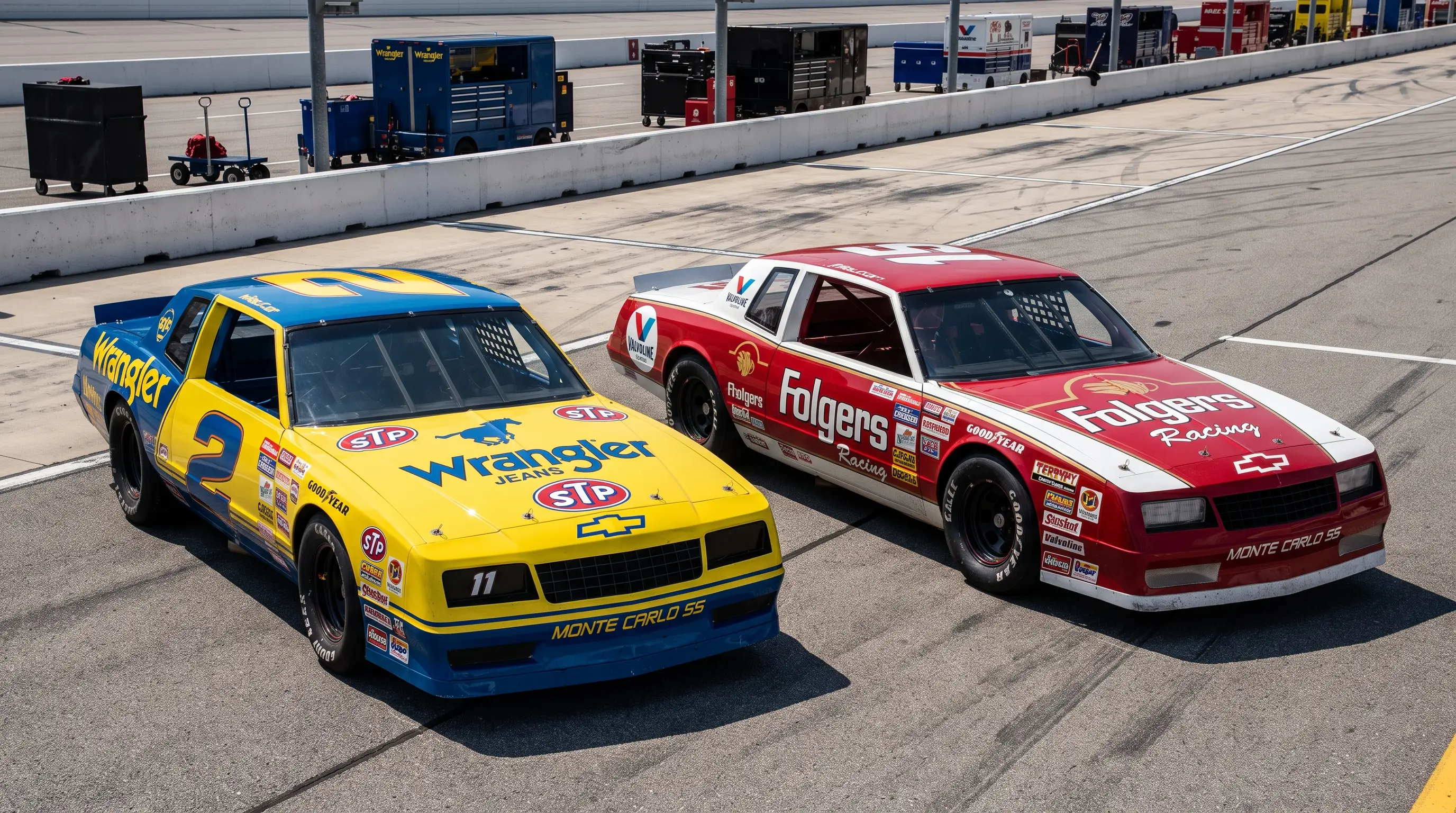
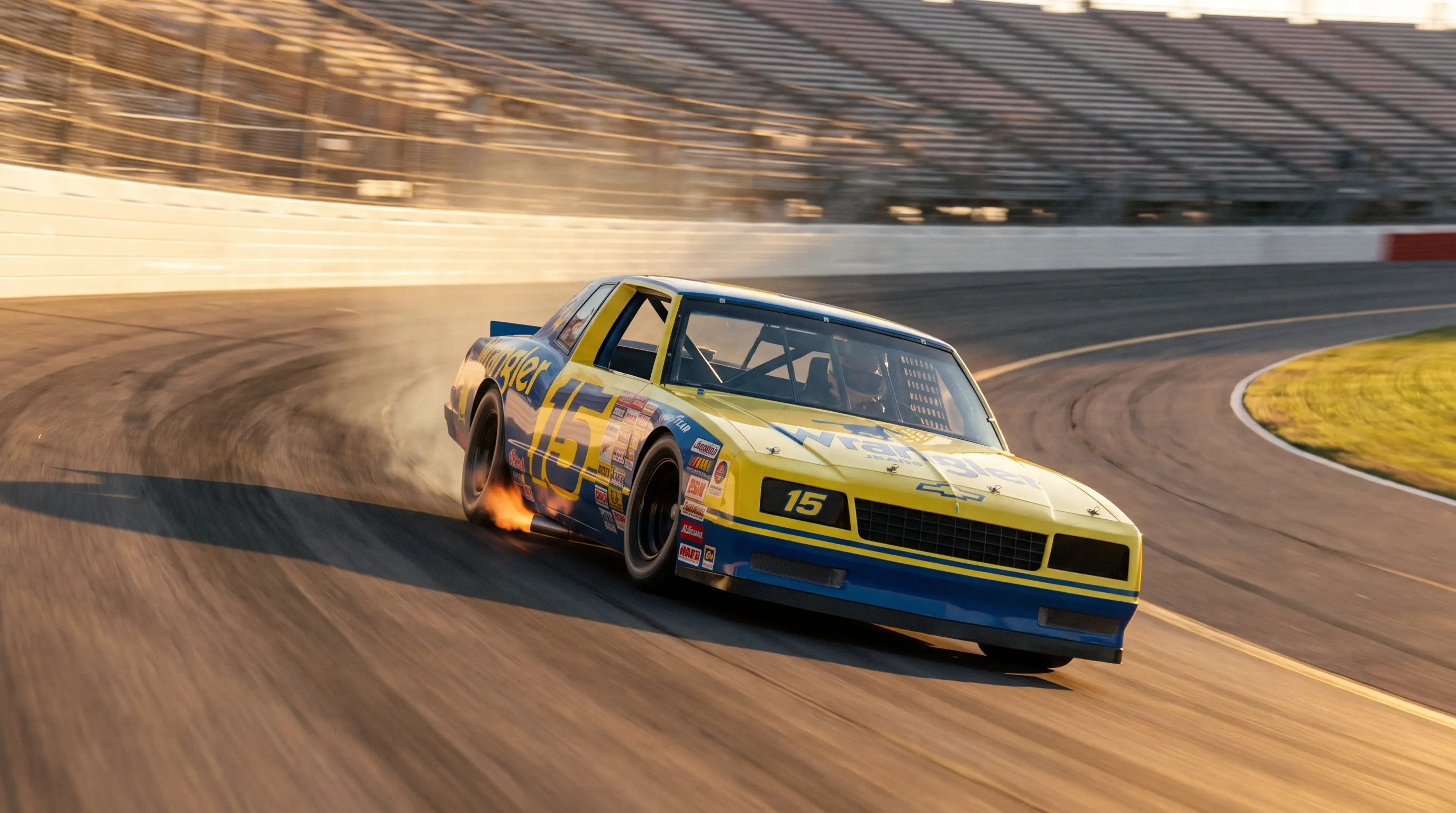
Every Monte Carlo club I have ever belonged to has at least one member who owns the car purely because of NASCAR, never mind that his particular example never came within five hundred miles of a superspeedway. That is the Monte Carlo nascar legacy why it matters question in one sentence. This is a mid-size Chevrolet coupe built primarily for comfortable highway cruising and church parking lots, and yet its racing history shapes how people feel about it decades after the last Winston Cup Monte Carlo turned a lap.
I want to walk through why that legacy carries real weight, not just nostalgia, and why it still affects what these cars are worth and how people talk about them today.
A street car that actually raced
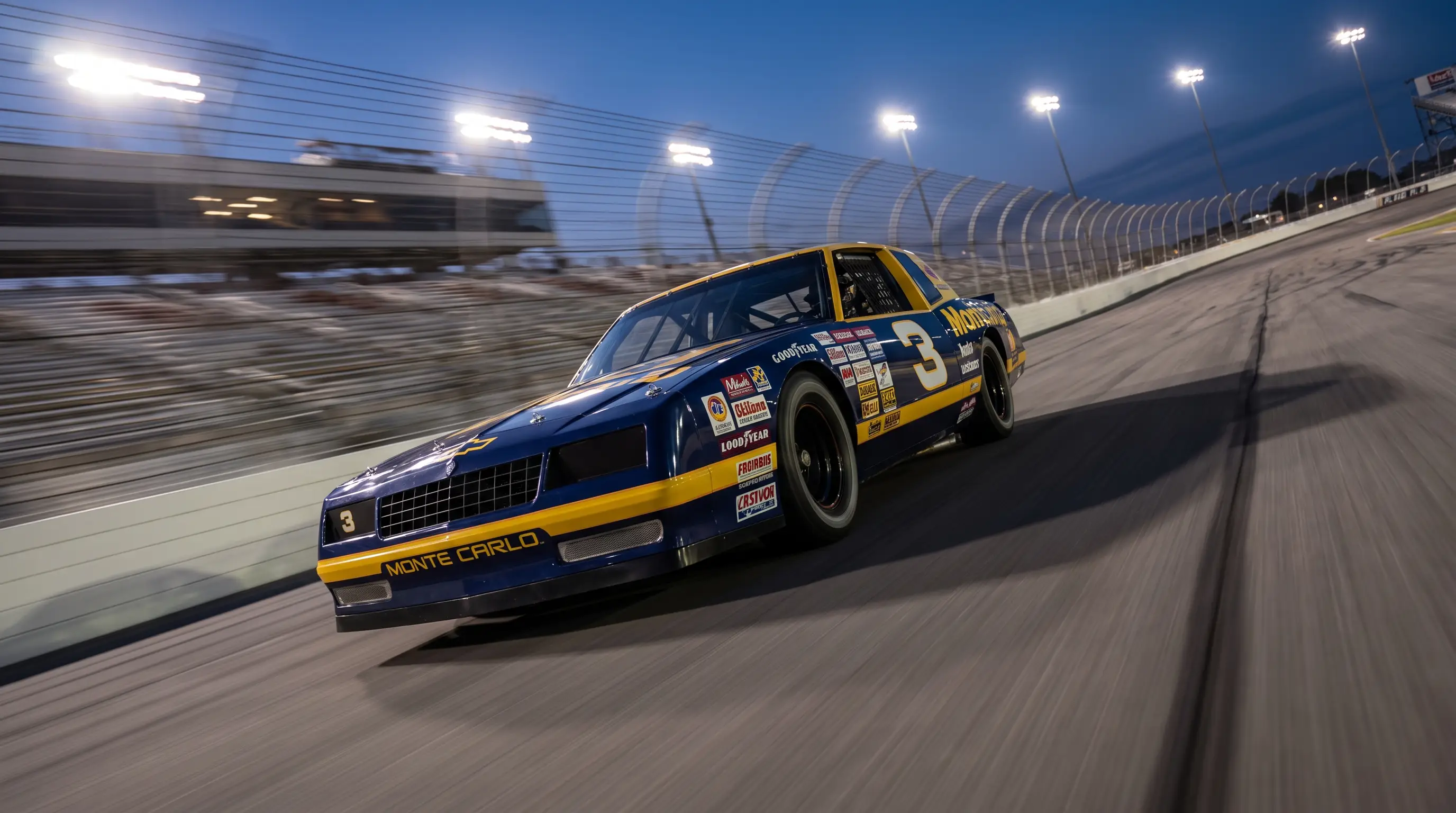
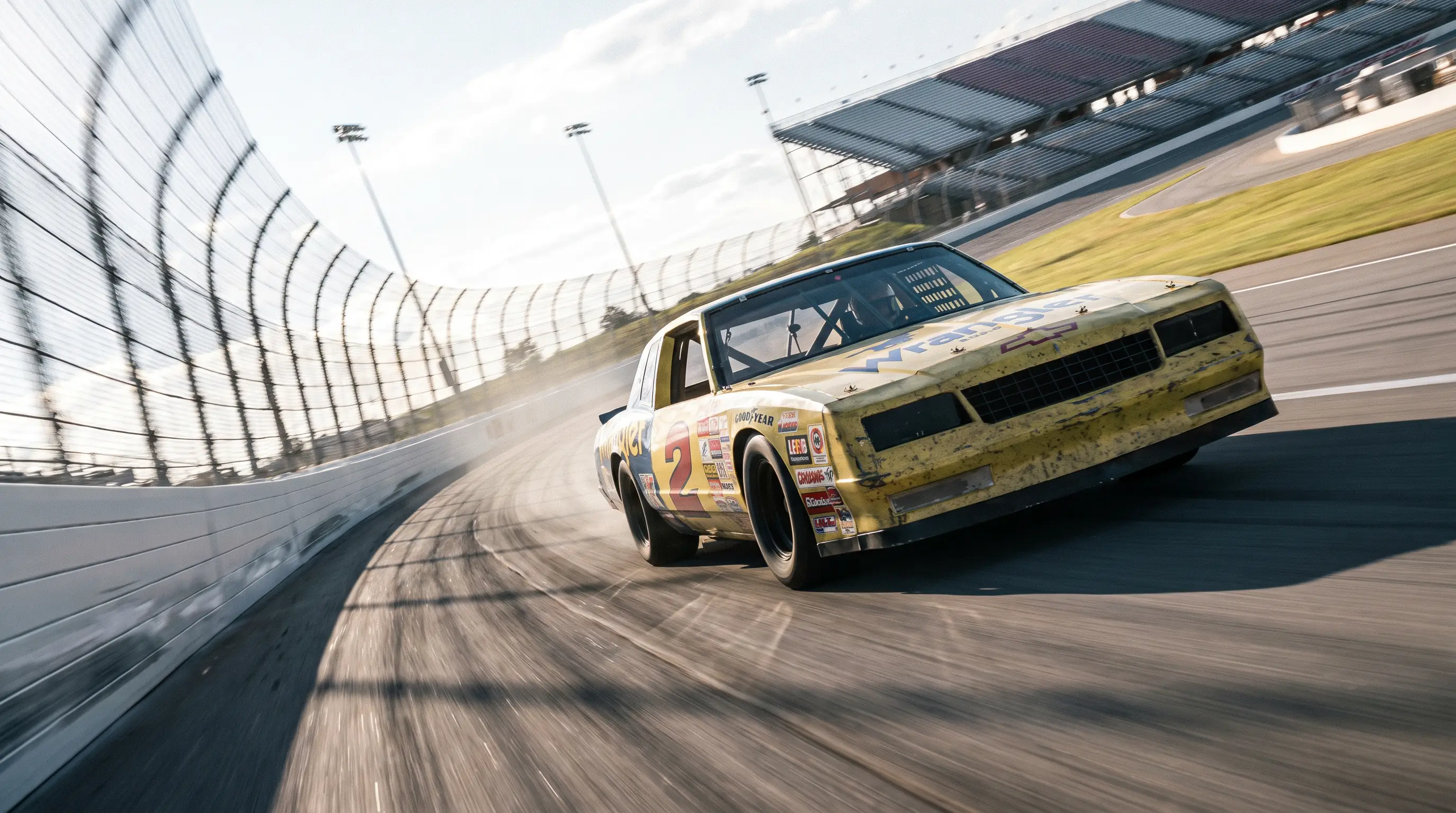
Plenty of American nameplates have advertising that implies a racing connection they never really earned. The Monte Carlo is not one of them. From the Colonnade generation of the mid 1970s through the G-body cars of the 1980s, this was a genuine NASCAR contender, not a marketing story bolted on after the fact. Bobby Allison, Cale Yarborough, Darrell Waltrip, and later Dale Earnhardt all won races and championships in Monte Carlos, and the body style raced on the same superspeedways fans could watch on television every weekend.
That distinction matters to serious collectors. A car with a manufactured racing myth is a marketing footnote. A car that genuinely lined up at Daytona and Talladega and won is a piece of motorsport history you can park in your own garage, and that is a different kind of ownership experience entirely.
The Aerocoupe as physical evidence
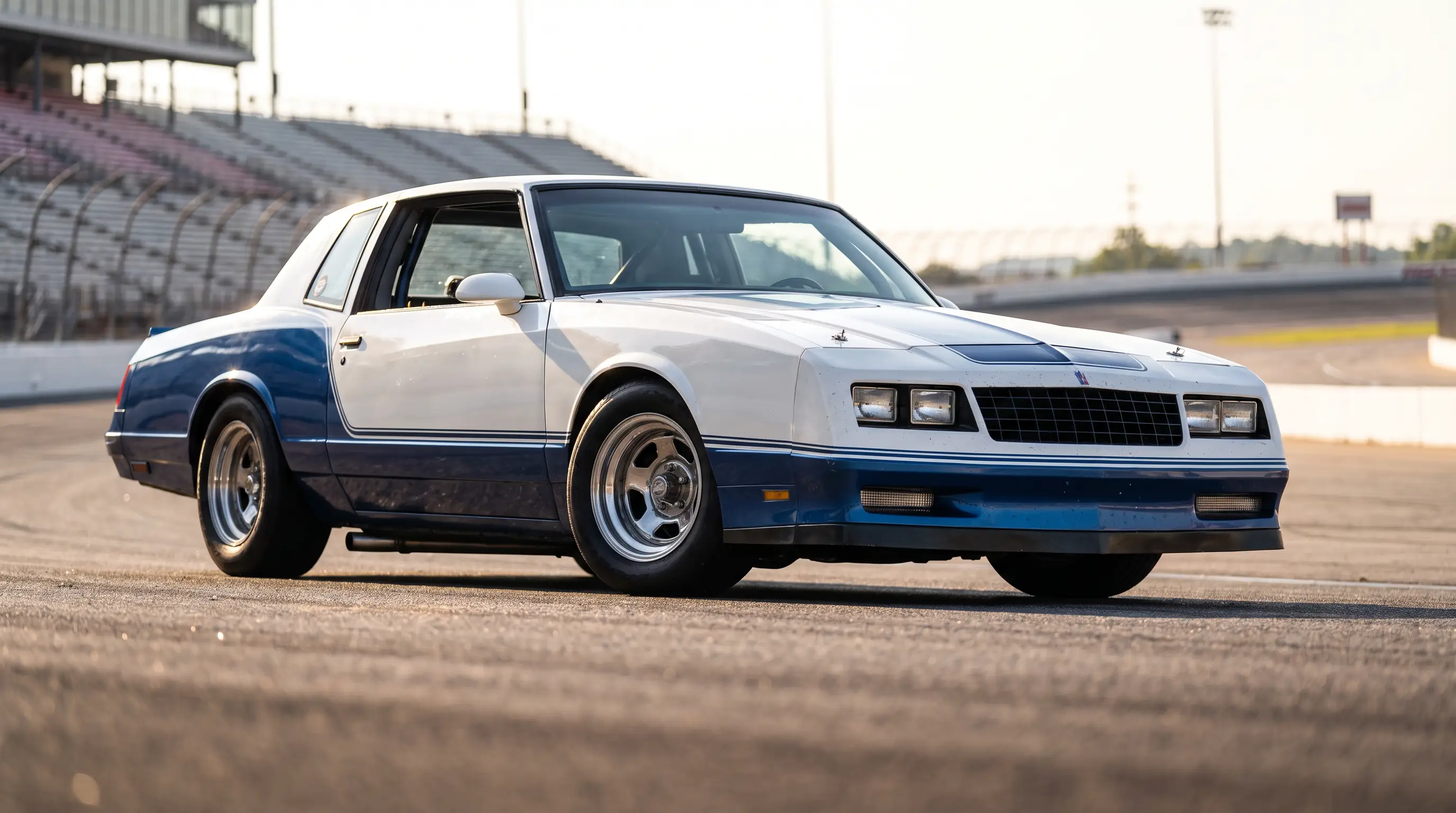
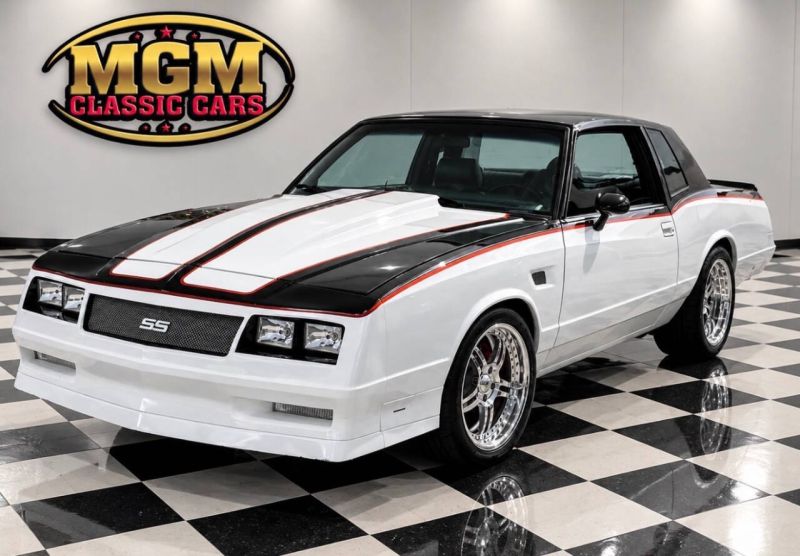
The clearest proof of the connection is the 1986 and 1987 Aerocoupe, built in small numbers, 200 for 1986 and 6,052 for 1987, specifically to satisfy NASCAR's homologation rule requiring a minimum number of street cars in any body style used in competition. That means every surviving Aerocoupe exists because of a rules fight on the racetrack, not because a product planner thought a sloped rear window would sell better in the showroom.
Owning one of these cars is owning a physical artifact of that period, in the same way an original Boss 429 Mustang is an artifact of Ford's own homologation fights. The street car and the race car share more than a name. They share a reason for existing.
Why the legacy affects value
Ask any serious buyer why a Monte Carlo SS or Aerocoupe in solid condition commands a premium over a comparable Landau or base coupe from the same year, and the racing legacy is a big part of the answer. Documentation and rarity matter, as they do with any collector car, but the emotional pull of the NASCAR connection brings buyers to the table who would otherwise never consider a mid-size 1980s Chevrolet.
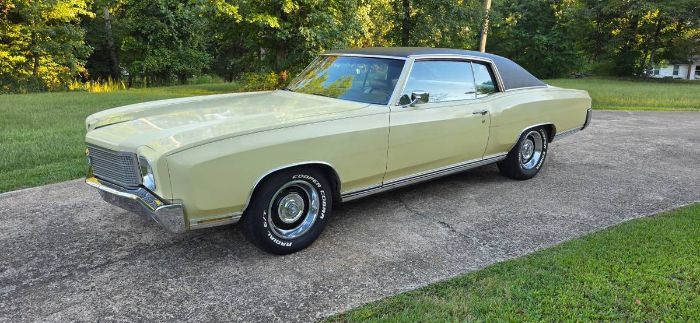
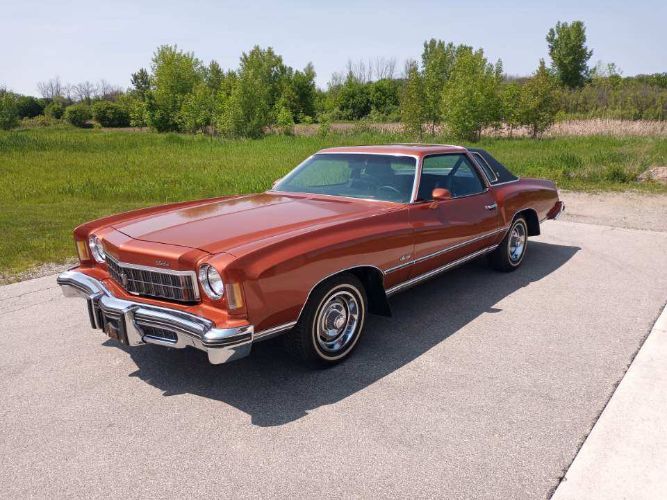
That pull cuts both ways though. It means the SS and Aerocoupe models get most of the attention and most of the money, while earlier first-generation 1970 through 1972 cars and Colonnade-era coupes, despite being closer in period to Bobby Allison's early wins, often sell for less because they lack the visual drama of the black and gold Wrangler paint scheme people associate with Earnhardt. The legacy is real, but it is not evenly distributed across the model's history.
A legacy that outlasted the racing program
NASCAR moved on from the Monte Carlo body style in the early 1990s as the sport pushed toward more restrictive templates that limited how much manufacturers could shape a car specifically for aerodynamic gain. Chevrolet's front-drive Monte Carlo of the mid 1990s carried the racing program forward under the same name, but that later car is a different animal entirely from the rear-drive coupes built from 1970 through 1988, and it sits outside the scope of what most collectors mean when they talk about the classic Monte Carlo.
What is worth noting is that the racing legacy did not fade when the body style stopped racing. If anything, the years since have only added to it. Diecast models of Earnhardt's black number three sell in the hundreds of thousands every year. Documentaries and retrospectives on 1980s NASCAR keep introducing new fans to a car that stopped competing before some of those fans were born. The legacy is self-sustaining at this point, driven as much by nostalgia and media as by anyone's memory of watching the actual races.
That is unusual for a car this ordinary in its base form. Plenty of genuine muscle cars from the same period never built this kind of lasting cultural footprint, because they never had a Sunday afternoon audience of millions watching them compete under their own name.
What the legacy means for today's owners
For most people who own a classic Monte Carlo, the car will never see a racetrack. It will go to cruise nights, car shows, and the occasional Sunday drive. But the NASCAR legacy still does real work for those owners. It gives the car a story to tell at every stoplight and every gas station conversation with a stranger who recognizes the shape. It is the reason a stranger's kid points at the car and asks if that is the Earnhardt car, even when it plainly is not.
For the whole picture on how this nameplate went from showroom sedan to stock car champion, the full history covers ground this piece cannot, but the short version is simple enough. The Monte Carlo earned its racing reputation honestly, across more than a decade of real competition, against real rivals, with real championships to show for it. That is why the legacy still matters, and why it probably always will.
"People will tell you a car is only worth what somebody will pay for it, and that is true as far as it goes. But a Monte Carlo with a real NASCAR pedigree behind it carries something a spreadsheet cannot capture. It carries a story that gets repeated at every show it attends, long after the original owner is gone."
- Wayne Coburn
If the legacy has you thinking about a Monte Carlo of your own, you can find a classic Monte Carlo and see what survives today, from base Landau coupes to genuine SS and Aerocoupe examples. Every one of them carries a piece of that NASCAR story, whether the paperwork says so or not, and that is the real reason this unassuming Chevrolet coupe still draws a crowd four decades after its best racing seasons. Shopping for one, take the time to ask a seller what documentation exists tying a specific SS or Aerocoupe to its production numbers, since that paperwork is what separates a car with a real racing pedigree behind it from one that simply wears the same paint scheme.