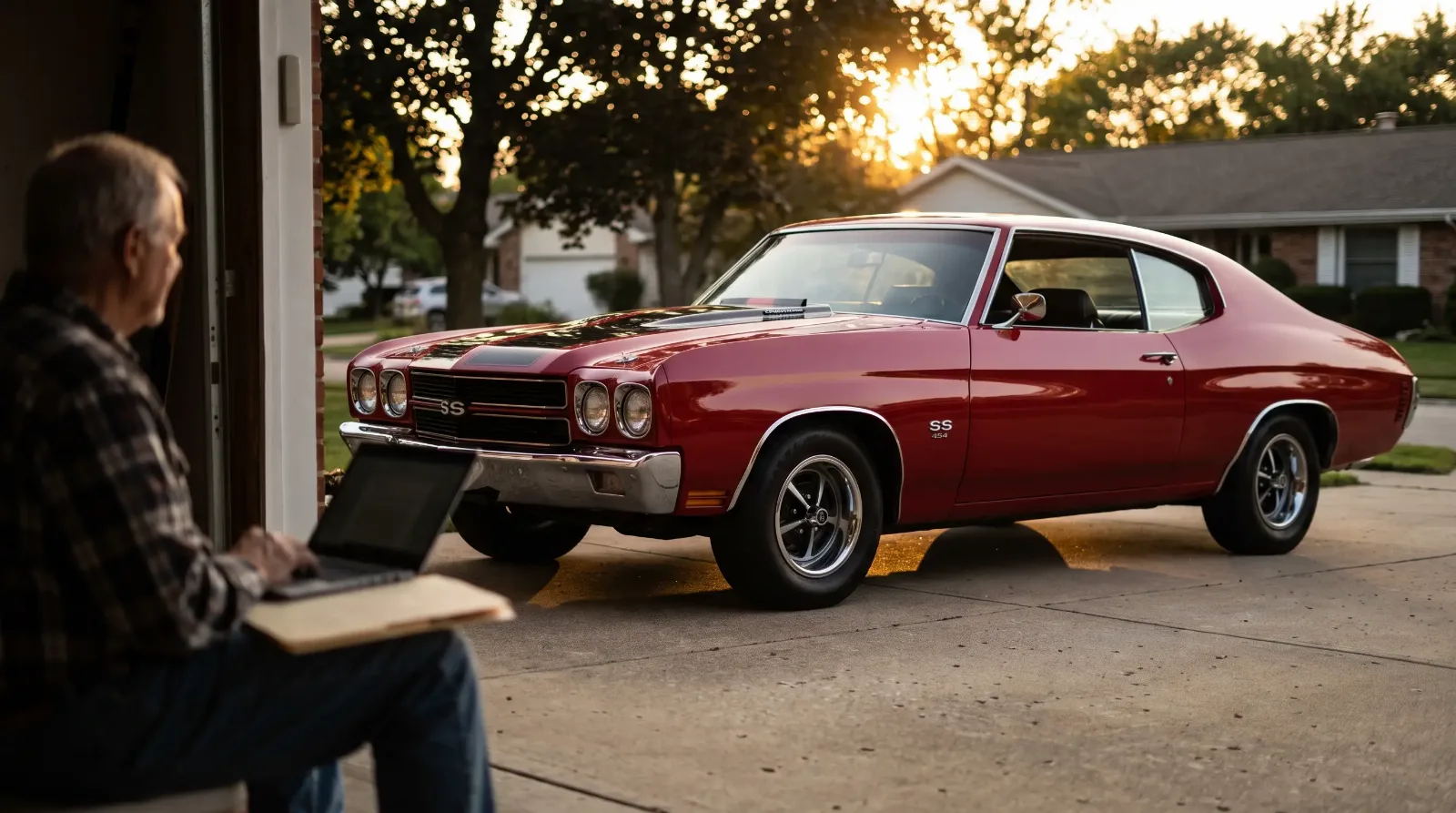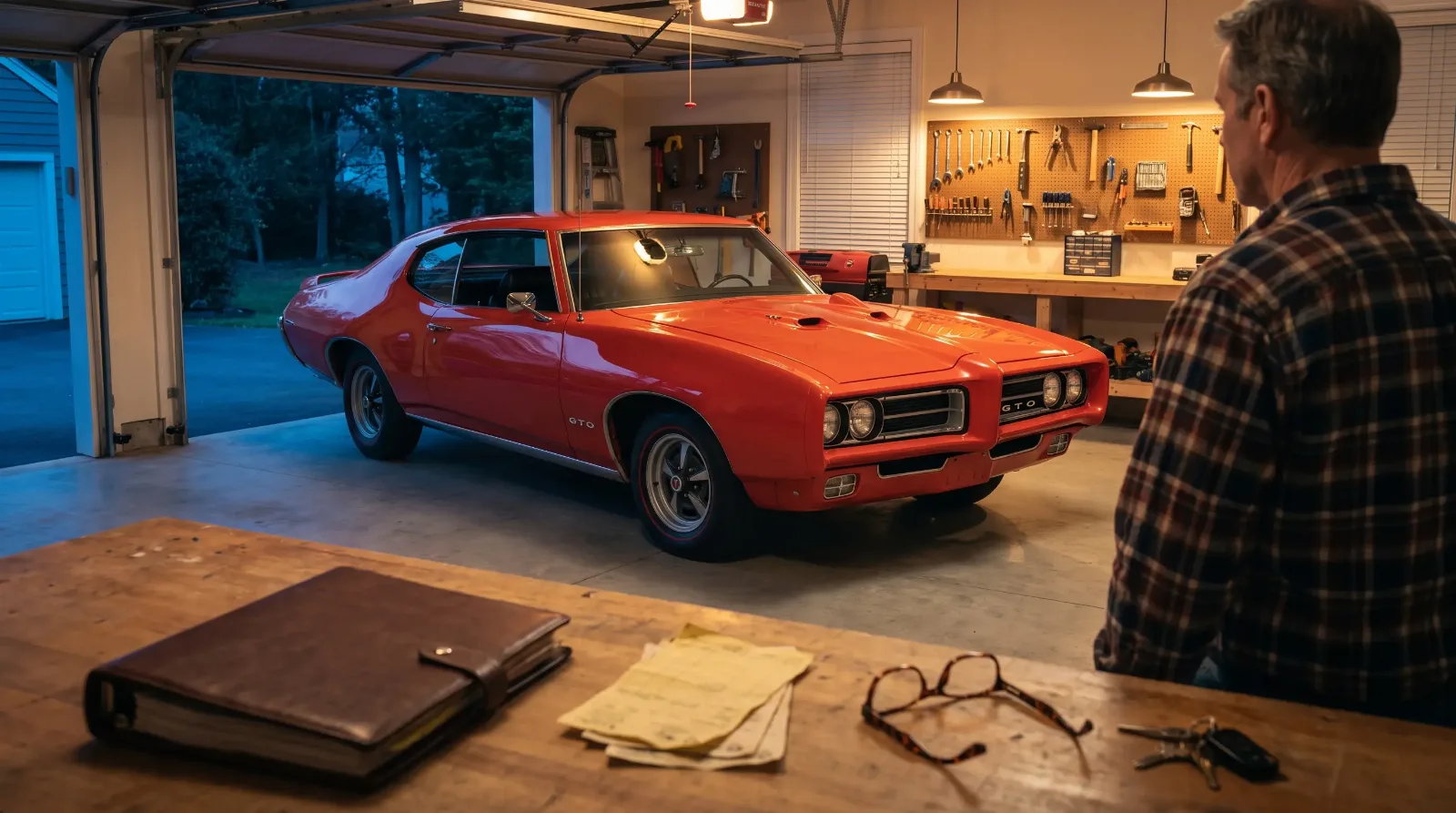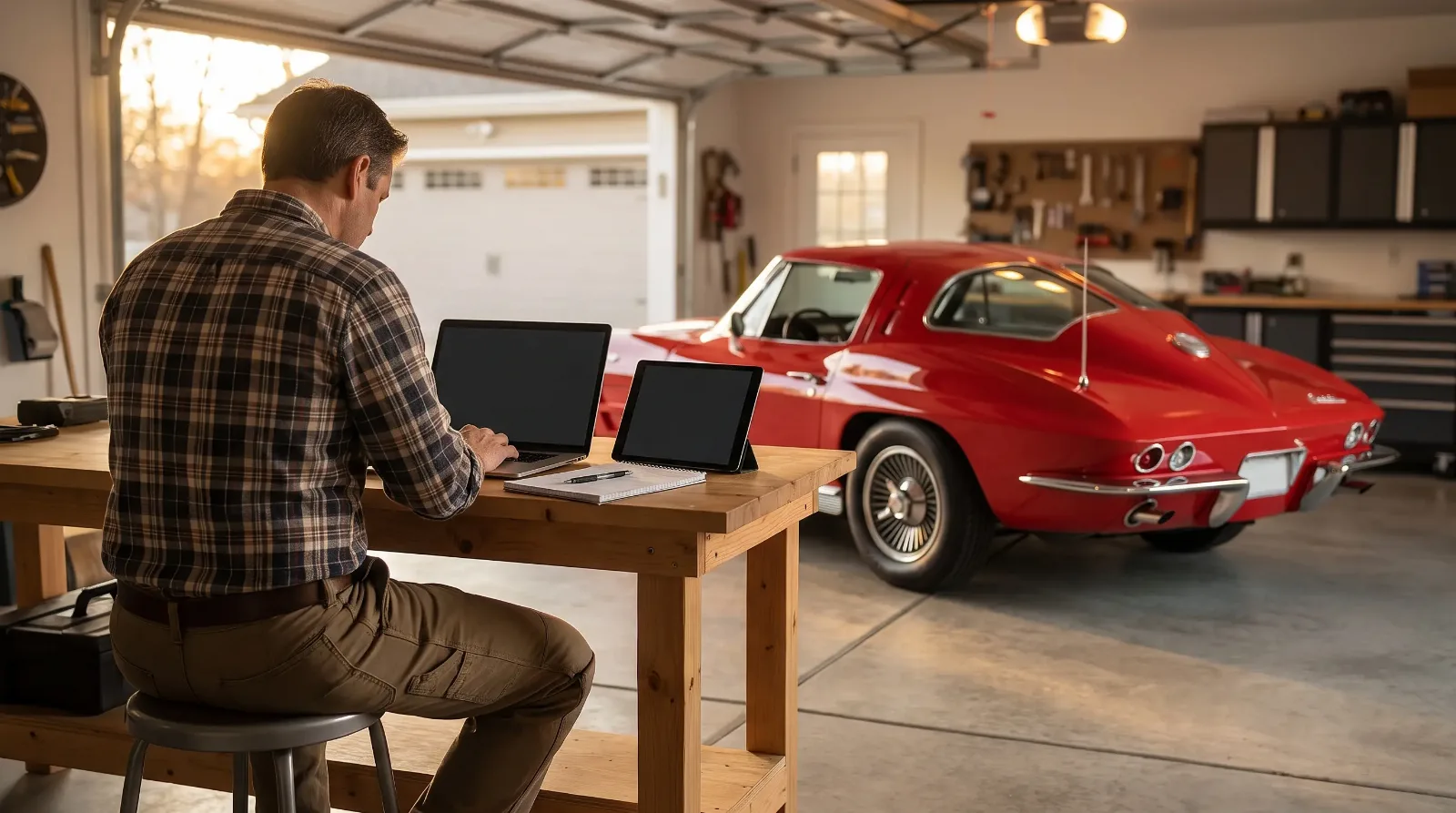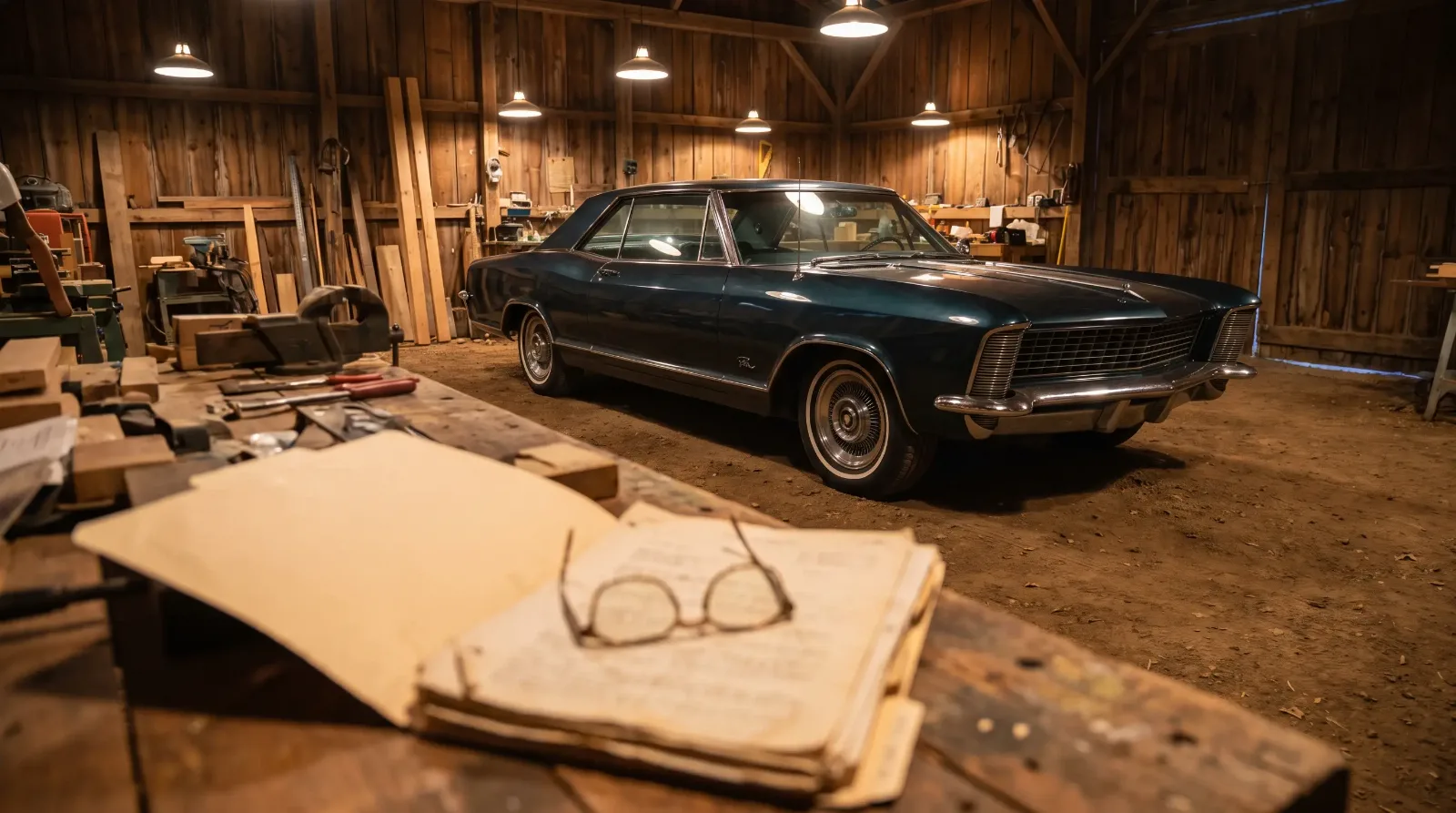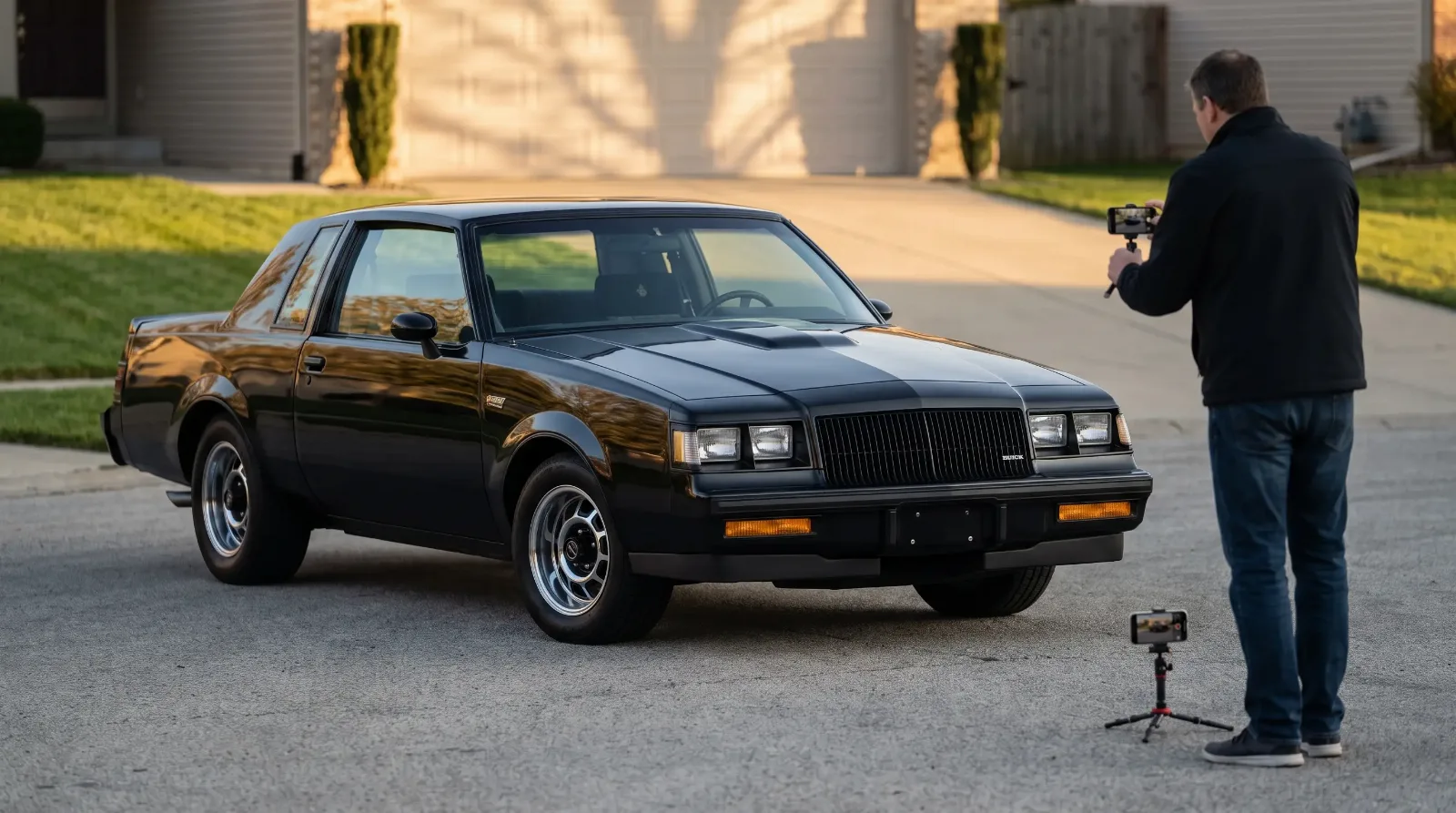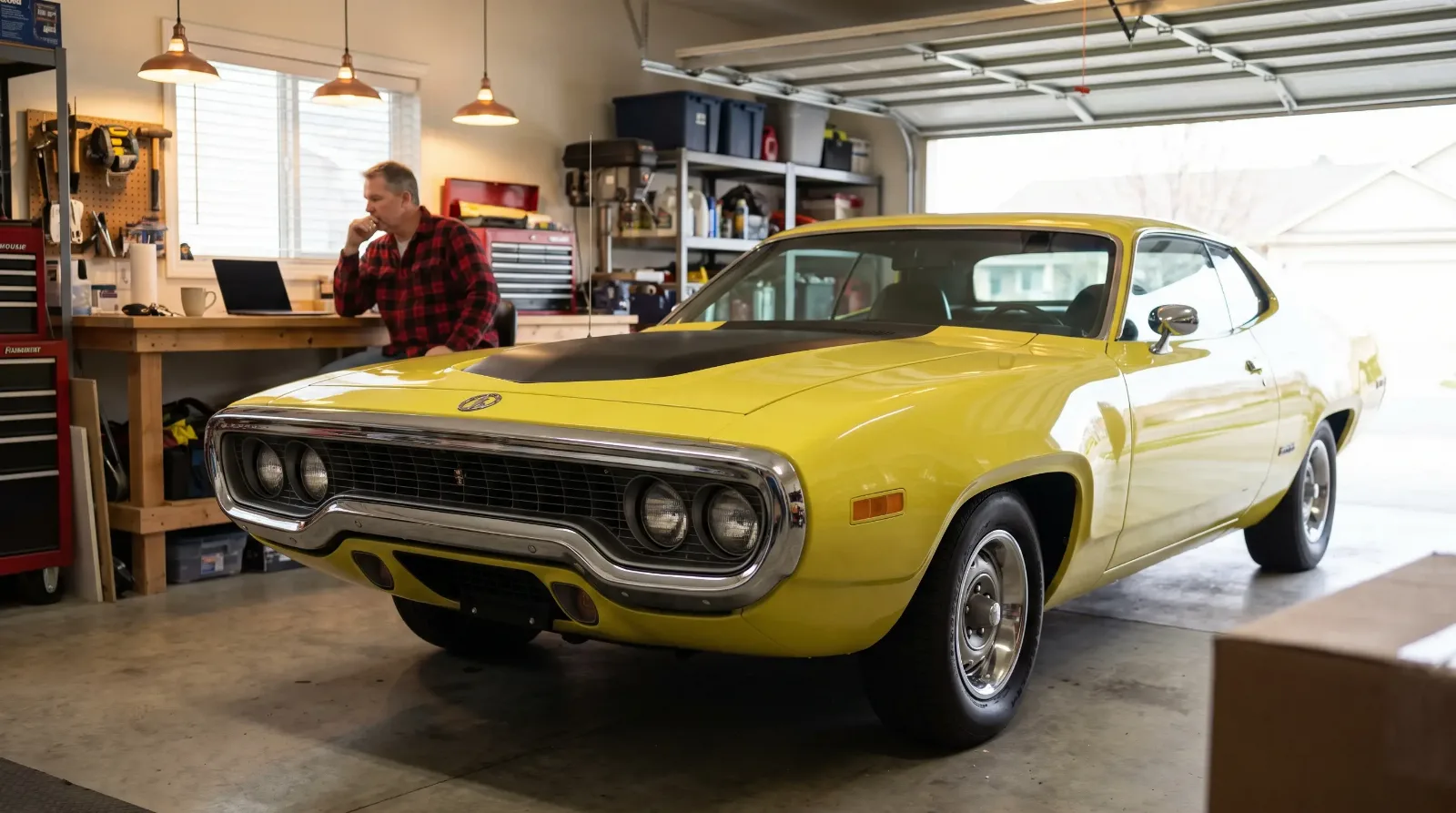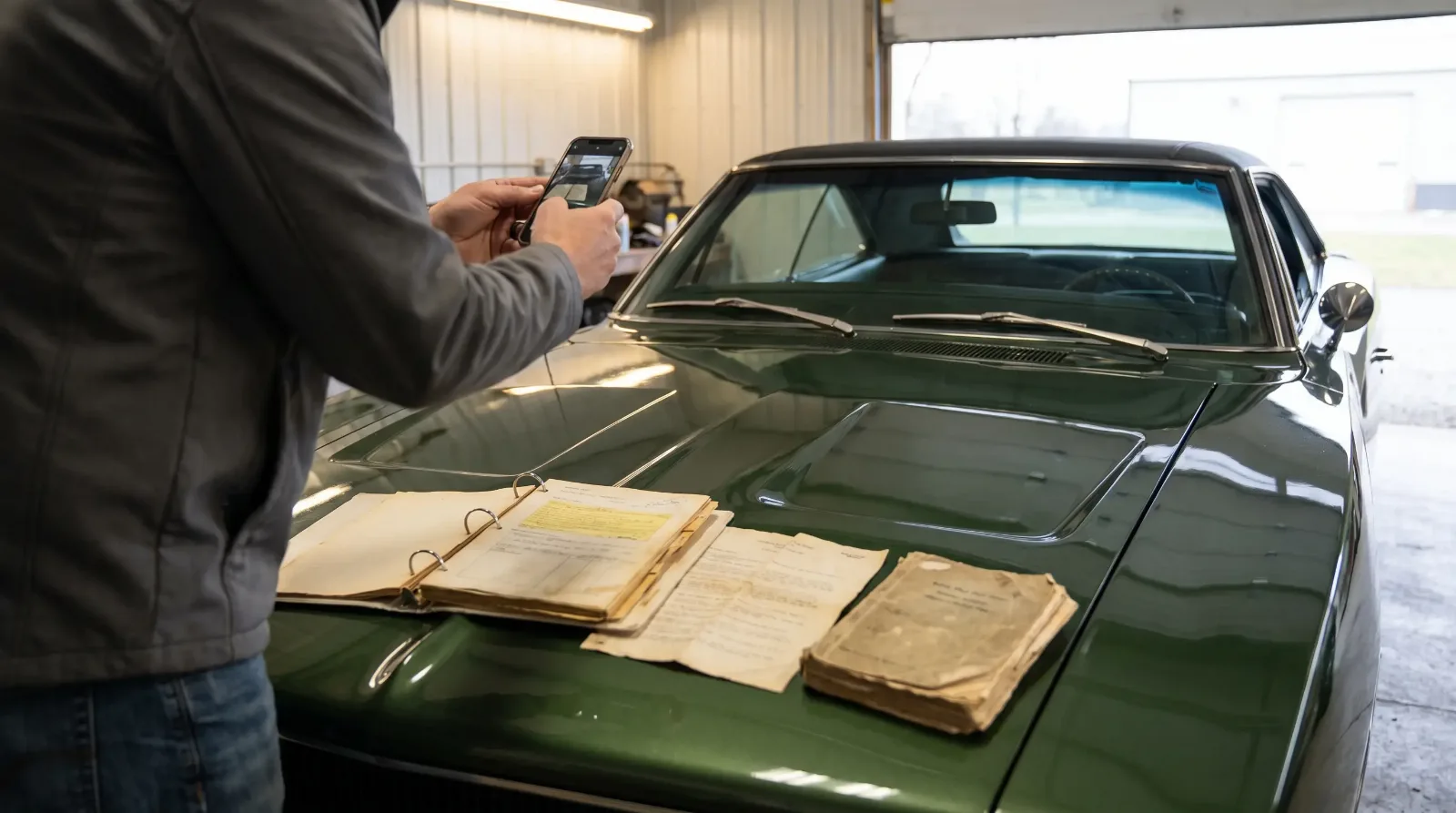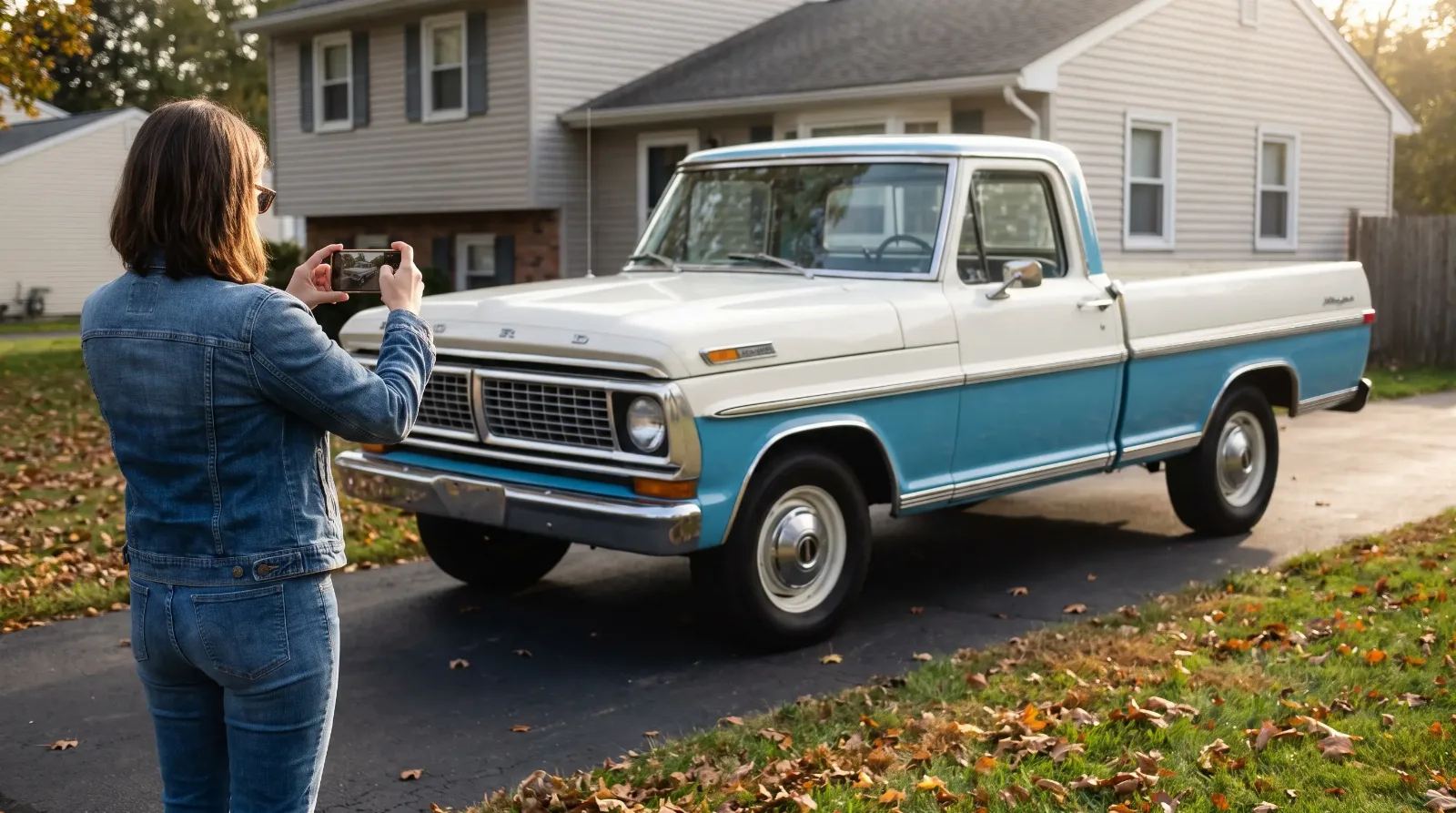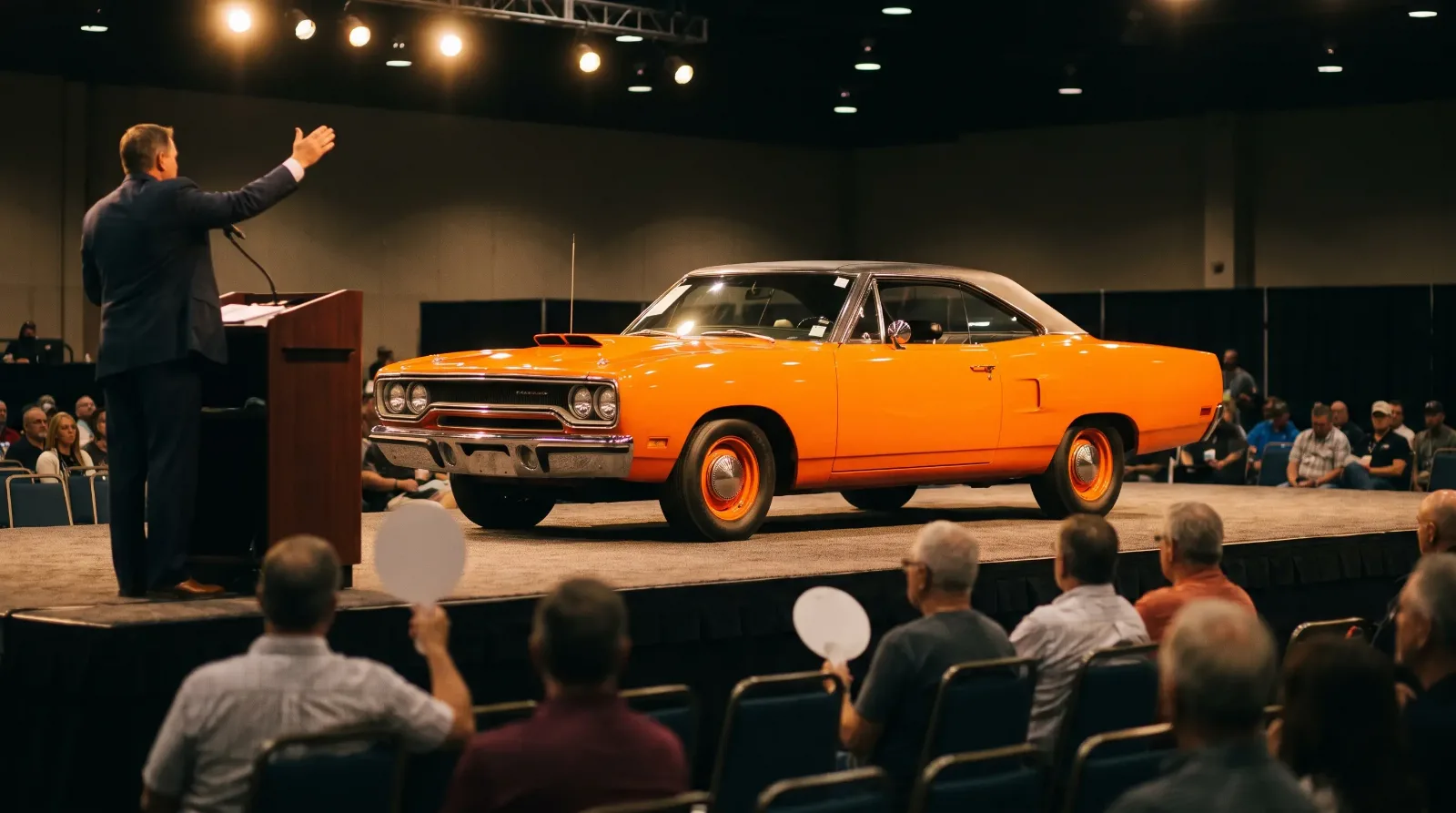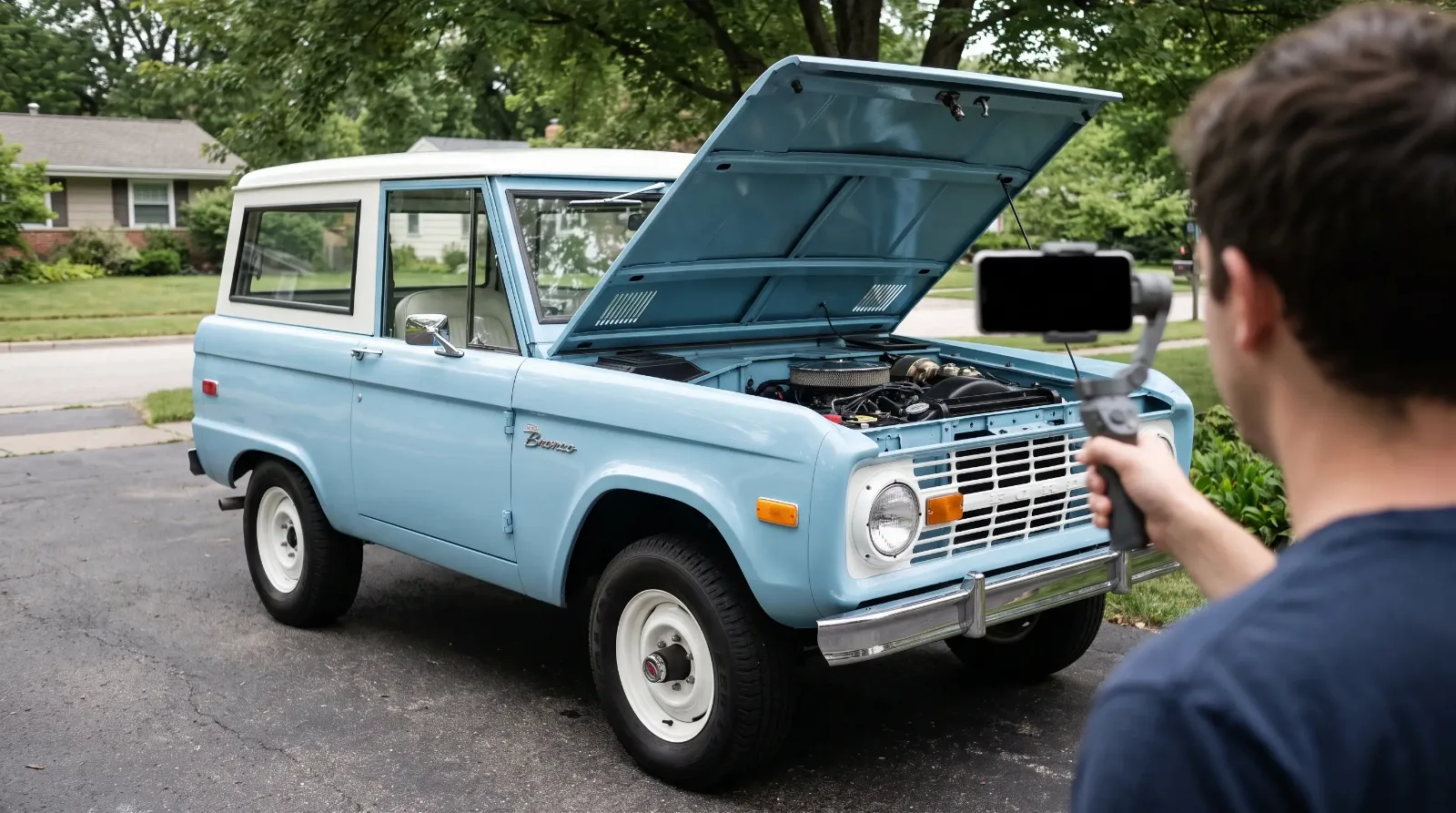
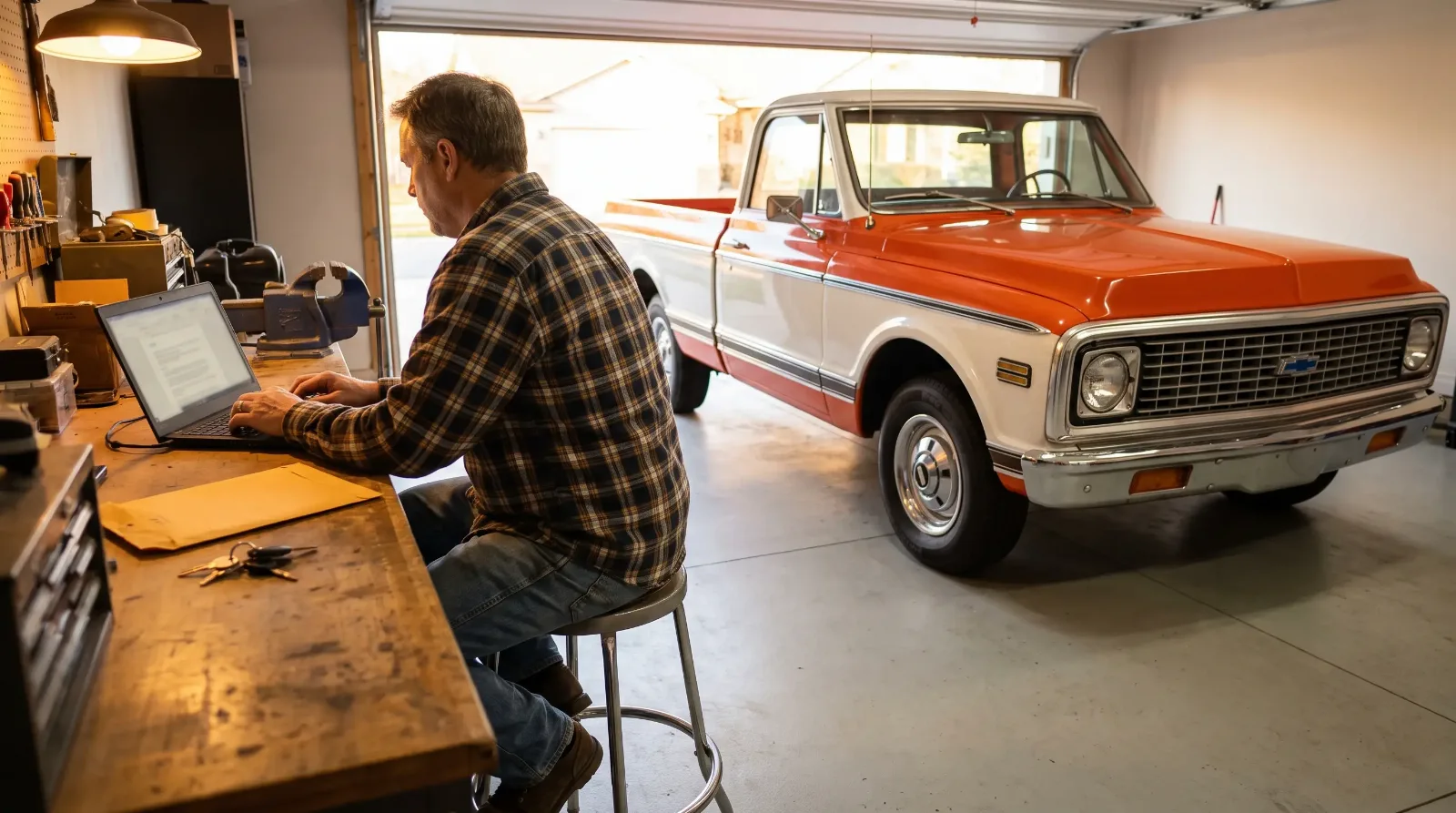
Picking the best site to sell a classic car is an optimization problem with more variables than most sellers write down. Fee model, audience fit, how long the ad stays live, how many photos you can upload, and how much of the buyer screening lands on you. Change one input and a different site comes out on top. A $9,000 project truck and a documented $70,000 coupe should not be listed in the same place by default, and yet that is exactly what happens when people post wherever they happened to buy their last lawn mower.
This piece compares seven online listing sites that US sellers actually use: ClassicCars.com, Hemmings, Autotrader Classics, eBay Motors, Facebook Marketplace, Craigslist, and Classic Cars Arena. It covers listing sites, not consignment dealers or live auction houses. If you are still deciding between those channels and selling online at all, start with the broader breakdown of places to sell a classic car compared, then come back here once you know you want a listing.
One note on the numbers. Platform fees and limits change, sometimes several times a year. The competitor figures below were checked in October 2026, and where a current number could not be confirmed on the platform's own pages, I describe how the fee works instead of quoting one. Treat them as the shape of each site's pricing, then check the current rate card on the day you list.
How I compared the sites
I scored every site on five inputs, because those are the ones that change your net result or your workload. Ranking by brand recognition alone tells you very little about what happens after you click publish.
- Fee model. Flat fee, tiered package, insertion fee plus a sale fee, or free. A percentage of the sale price behaves very differently from a fixed charge once the car is worth real money.
- Audience. Whether the people browsing came specifically for old cars or are scrolling past used sofas on the way to something else.
- Listing duration. Classic cars sell slowly. A 30-day window that has to be renewed and repaid works against a car that needs 60 to 90 days to find the right buyer.
- Photo limits. A serious buyer wants the undercarriage, the frame rails, the data plate, the trunk floor, and the engine number. Ten photos is not enough to answer those questions.
- Screening burden. How much of the tire-kicking, lowball offers, and scam messages the platform filters before they reach you.
None of these sites wins on all five. The goal is to find the one whose weak spot matters least for your specific car.
Classic car listing sites compared side by side
Here is the summary. Competitor figures were checked in October 2026; confirm them against the platform's own pricing page before you rely on them.
| Site | Listing cost / fee model | Audience | Listing duration | Photo limit | Who it suits |
|---|---|---|---|---|---|
| ClassicCars.com | One-time private seller packages: Regular $149.99, Plus $209.99, Premium $349.99 | Collector car shoppers, heavy dealer inventory | Listed until sold on all three packages | Up to 100 photos plus video on all three packages | Mid to high value cars that need national exposure |
| Hemmings | Flat fee per listing in three formats: classified ad, Make Offer and online auction. Auction and Make Offer sales add a percentage buyer's fee | Long-standing collector readership, older and experienced buyers | Set per format; check the current terms | Varies by format | American classics, pre-war and documented cars |
| Autotrader Classics | Tiered paid packages on a dedicated classics site; higher tiers add photos and longer featured placement; video on every package | Classic shoppers plus everyday car buyers who know the Autotrader name | Fixed term per package; longer on higher tiers | Varies by package, more on higher tiers | Later classics and youngtimers that appeal to everyday buyers |
| eBay Motors | Flat listing fee by vehicle price: $34 at $15,000 or less, $79 above. No final value fee when it sells | Very large national audience, many casual bidders | Auctions of up to 10 days, or fixed price for 30 days | Up to 40 photos | Sellers comfortable with auction pressure and fast timelines |
| Facebook Marketplace | Free to list for a local sale | Huge local audience, mostly general shoppers | No paid term to renew | A limited gallery; check the current cap in the app | Driver-grade cars, projects and parts cars under about $15,000 |
| Craigslist | $5 per ad for cars and trucks by owner in the US | Local buyers, bargain hunters | Ads expire after a set period, then repost | A small gallery compared with specialist sites | Cheap projects and local cash sales |
| Classic Cars Arena | Flat one-time fee: Starter $49, Featured $99, Premium $179. No commission, no success fee, no buyer premium | Classic car shoppers in the US and Canada; Featured and Premium are also sent to 15,000+ newsletter subscribers | Until sold | Starter up to 25 photos; Featured up to 50 photos plus video; Premium unlimited photos plus video | Sellers who want a classic-only audience and to keep the full sale price |
Two patterns stand out when you read the table by column instead of by row. First, almost every listing here is either a flat fee or free. None of these classified formats takes a percentage of your sale price; percentage fees show up in auction formats, and there they are mostly paid by the buyer. Second, audience quality and audience size move in opposite directions. The biggest crowds are on the platforms where the fewest people came looking for a 1966 anything.
The specialist classified sites
ClassicCars.com
ClassicCars.com is one of the most recognized names in collector car classifieds, and its strength is depth of inventory. Buyers who are shopping a specific model nationally often check it first. The tradeoff is that a large share of what they see comes from dealers, so a private ad competes in the same results as professionally photographed dealer stock. Private seller packages are one-time flat fees, from $149.99 to $349.99 at the time of writing, and every package stays listed until sold. That is predictable and does not scale with your price. Where it is stronger than a smaller site: raw search traffic for model-specific queries, a long track record with buyers, and a newsletter the site says reaches 180,000 subscribers, a bigger list than most rivals here.
Hemmings
Hemmings has the oldest relationship with the hobby of anything on this list, and that shows in who reads it. Buyers there tend to know what a correct restoration looks like and what a reproduction trim tag looks like, which cuts both ways. You get fewer uninformed offers and sharper questions about documentation. Beyond plain classifieds it also runs online auction and Make Offer formats. Each is sold as a flat listing fee; auction and Make Offer sales add a percentage fee paid by the buyer, while classified ads carry no buyer's fee. Where it is stronger: credibility with experienced collectors, and a readership that will travel for the right American classic.
Autotrader Classics
Autotrader runs a separate classics site, Classics on Autotrader, with its own listings and seller packages. The draw is the Autotrader name, which everyday car shoppers already know, so the audience leans broader than on the hobby-only sites. A 1987 Monte Carlo SS or a third-generation Camaro can do well here, because those cars appeal to buyers who also cross-shop modern used cars. A pre-war sedan is less likely to find its person. Where it is stronger: reach into general car shoppers who have not yet thought of themselves as collectors.
The big generalists: eBay Motors, Facebook Marketplace and Craigslist
eBay Motors
eBay Motors is the only general site here built around a structured sale. You choose auction or fixed price, set a reserve if you want one, and the clock forces a decision. Private sellers now pay one flat listing fee set by the car's price, $34 at $15,000 or less and $79 above, with no final value fee when the car sells. If you collect a deposit through eBay checkout, eBay keeps 2.8% of the deposit. The downside is behavioral, not technical. Non-paying winning bidders happen, and eBay's own policy treats vehicle bids as non-binding: a winning bid signals serious interest but does not create a purchase contract. Get a signed bill of sale before the car moves. Where it is stronger: national reach, a low flat fee, a built-in deadline, and a feedback history that lets you see who you are dealing with.
Facebook Marketplace
Marketplace charges nothing to list a car for a local sale and puts it in front of a huge local audience. For a driver-quality car under roughly $15,000, it is often the fastest way to a local cash buyer. It is also where your inbox fills with "is this available" messages, trade offers for jet skis, and payment schemes. Classic-specific Facebook groups sit alongside Marketplace and can be far better targeted, though each group sets its own posting rules. Where it is stronger: zero cost, speed, and local buyers who can see the car this weekend.
Craigslist
Craigslist has charged $5 to post a car or truck by owner in the US since April 2019. It remains local, text-forward, and simple. Ads expire after a set period and have to be reposted. For a $4,000 project that needs to leave the driveway before winter, it still works. For a documented car with a story, the format gives you little room to tell it. Where it is stronger: low cost and a local buyer pool that expects to pay cash and tow.
Where Classic Cars Arena fits
Classic Cars Arena is a classic-only listing site with a flat, one-time fee. Starter is $49, Featured is $99, and Premium is $179. There is no commission, no success fee, and no buyer premium, so if the car sells for $42,000, the seller receives $42,000 from the buyer directly. The listing stays up until the car is sold, which matters for slow-moving cars that would otherwise need paid renewals elsewhere. Featured and Premium listings are also sent to more than 15,000 newsletter subscribers who signed up specifically to receive new listings. Listings cover the US and Canada.
Where the competitors are stronger, plainly: ClassicCars.com and Hemmings have far longer track records and more name recognition among buyers. eBay Motors gives you an auction deadline that a classified cannot. Facebook Marketplace costs nothing and reaches more local shoppers. A flat-fee classified suits sellers who want a classic-car audience and want to keep the whole sale price, and it suits them best when the asking price is set correctly from day one. If you have not pinned that number down yet, work through how much is my classic car worth before you write the ad. An overpriced car sits on every platform, whatever the fee model.
"Run the math before you pick the site. A free listing that drags on for four months, plus the hours spent screening messages, can cost more than a flat fee that brings you the right buyer in three weeks. The fee is the smallest number in the equation. The price you accept is the biggest."
— Emily Chen
Online auctions, briefly
Curated online auction sites deserve a mention because many sellers ask about them alongside classifieds. They run timed bidding, usually for about a week, on cars the site has accepted for listing, and fee models vary, but the common pattern is a modest flat listing fee for the seller and a percentage premium paid by the buyer on the winning bid, often with a cap. For a highly desirable, well-documented car, competitive bidding can push the final number past what a fixed asking price would have reached. For an ordinary driver, a no-sale or a soft result is public, and that history follows the car into its next listing. They are a different tool from a classified, not a better or worse version of one, and they work best when you can accept the market setting the price on a fixed date.
Matching the best place to sell a classic car online to your car

When people ask for the best place to sell a classic car online, the honest answer is a short decision tree rather than a single name. The same goes for the seller who types "sell my classic car online" into a search bar and clicks the first result. Here is how I would sort it.
- Project car or parts car under about $8,000. Facebook Marketplace and Craigslist. Local buyers with trailers, low or no cost, quick turnaround.
- Driver-grade classic, $8,000 to $30,000. A classic-only classified plus a local Facebook post. The classified reaches people looking for the model, the local post catches anyone nearby.
- Documented or restored car above about $30,000. A specialist classified, with national reach and enough photos to show the paperwork. Hemmings and ClassicCars.com have the deepest buyer history here, and a flat-fee listing keeps the economics simple at higher prices.
- Rare, high-demand car with a strong story. This is where a curated auction can make sense, if you accept the public result.
- Later classics from the 1980s and 1990s. Platforms with a broad used-car audience, such as Autotrader or eBay Motors, can reach buyers who grew up with these cars.
Multi-listing is common and usually sensible. A classic-only classified and a free local post do not compete for the same buyer, and using both covers national collectors and the guy three towns over who has wanted a car like yours since high school. Keep the asking price identical on every site. A buyer who finds two prices assumes the lower one is real.
If you have decided a flat-fee classic listing fits your car, you can sell your classic car online with Classic Cars Arena, choose the package that matches how much exposure you want, and keep the full price when it sells. Whichever site you choose, the car with honest photos, a fair price and complete paperwork sells first. The platform only decides who sees it.
Sources and notes
- ClassicCars.com: Sell your classic car (private seller packages)
- eBay: Motors fees for vehicle listings
- eBay: Non-binding bid policy for vehicles
- The Drive: Craigslist to charge $5 to list a car for sale
- Haulin.ai: Hemmings auction review, fees and formats (2026)
- Wikipedia: Hemmings Motor News history
Hemmings, Autotrader Classics, Facebook and Craigslist block automated access to their own pricing and help pages, so some of their current figures could not be confirmed directly in October 2026. Where that happened, the article describes the fee model without a number. Check each platform's rate card on the day you list.