Picture a Chevrolet engineer standing in a wind tunnel in the early 1980s, watching smoke trails curl off a standard Monte Carlo's blunt nose and knowing exactly why the car had stopped winning on Sunday afternoons. The monte carlo nascar 1983 aero return is one of those stories that started in a lab long before it ever reached a superspeedway, and it is worth telling from that quiet beginning rather than jumping straight to the checkered flag.
Why Chevrolet needed an answer
By the early 1980s, Ford's aerodynamic Thunderbird and Pontiac's own reshaped Grand Prix were carving through the air more efficiently than the standard Monte Carlo body, and on the high banks of Daytona and Talladega that difference in drag translated directly into lap times. Chevrolet teams were competitive on shorter tracks where handling mattered more than top speed, but the superspeedway results told a different story, one where a blunt nose simply cost too much speed to overcome with driving talent alone.
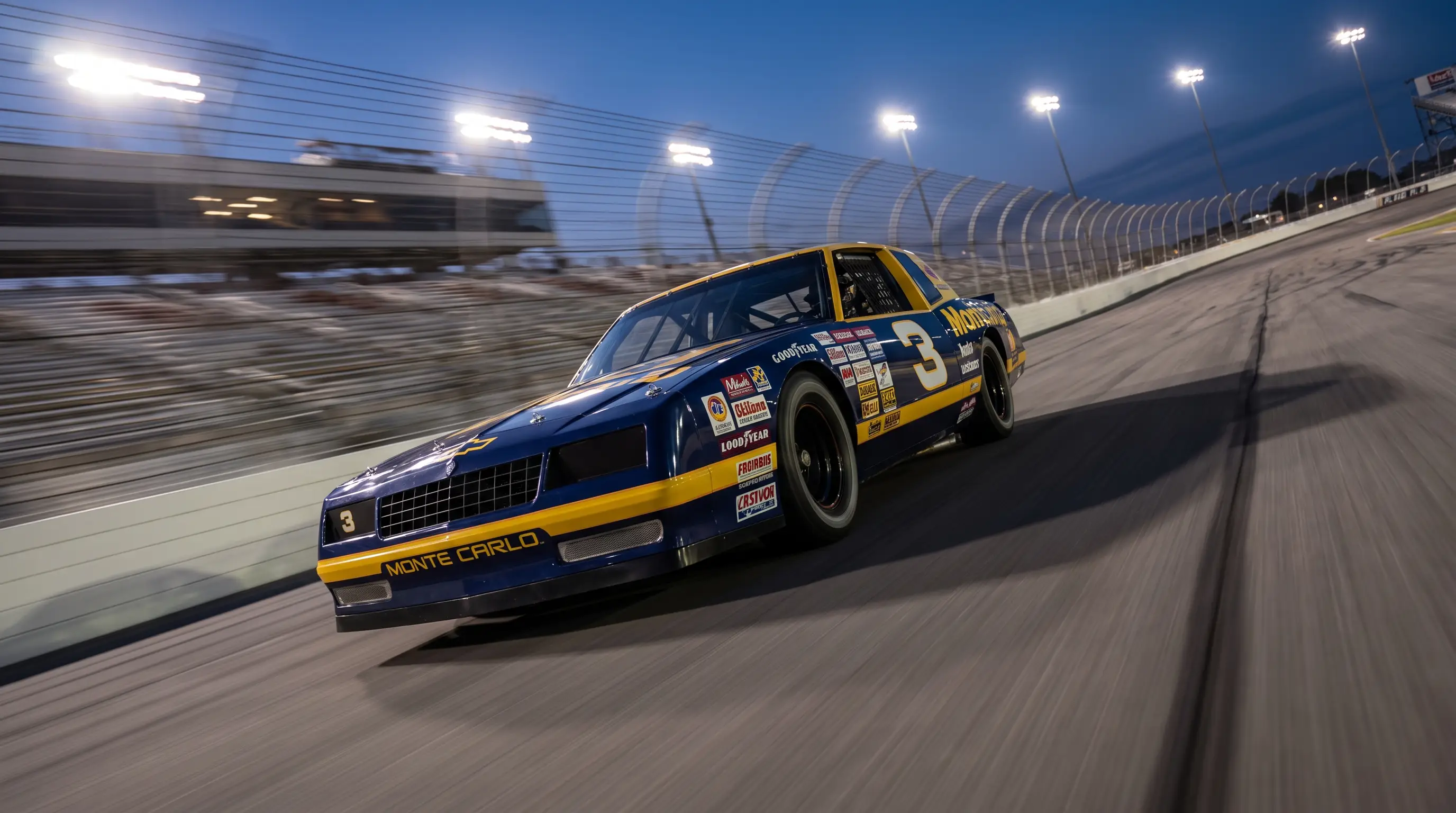
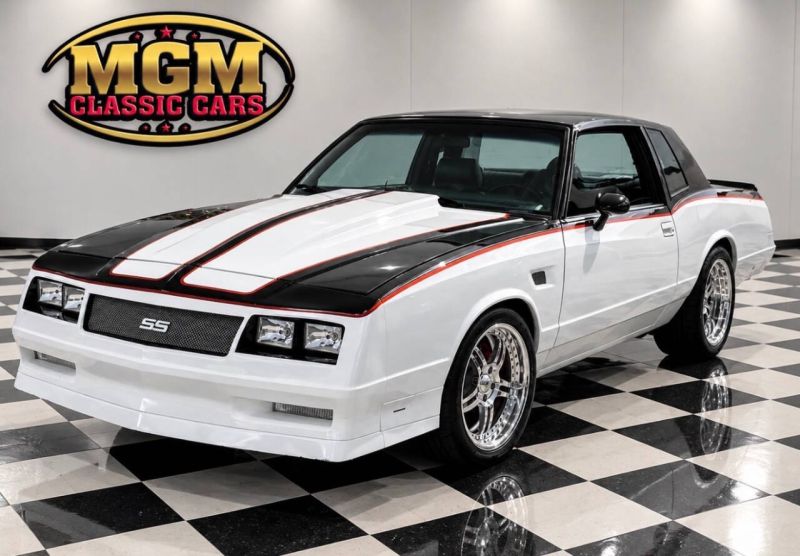
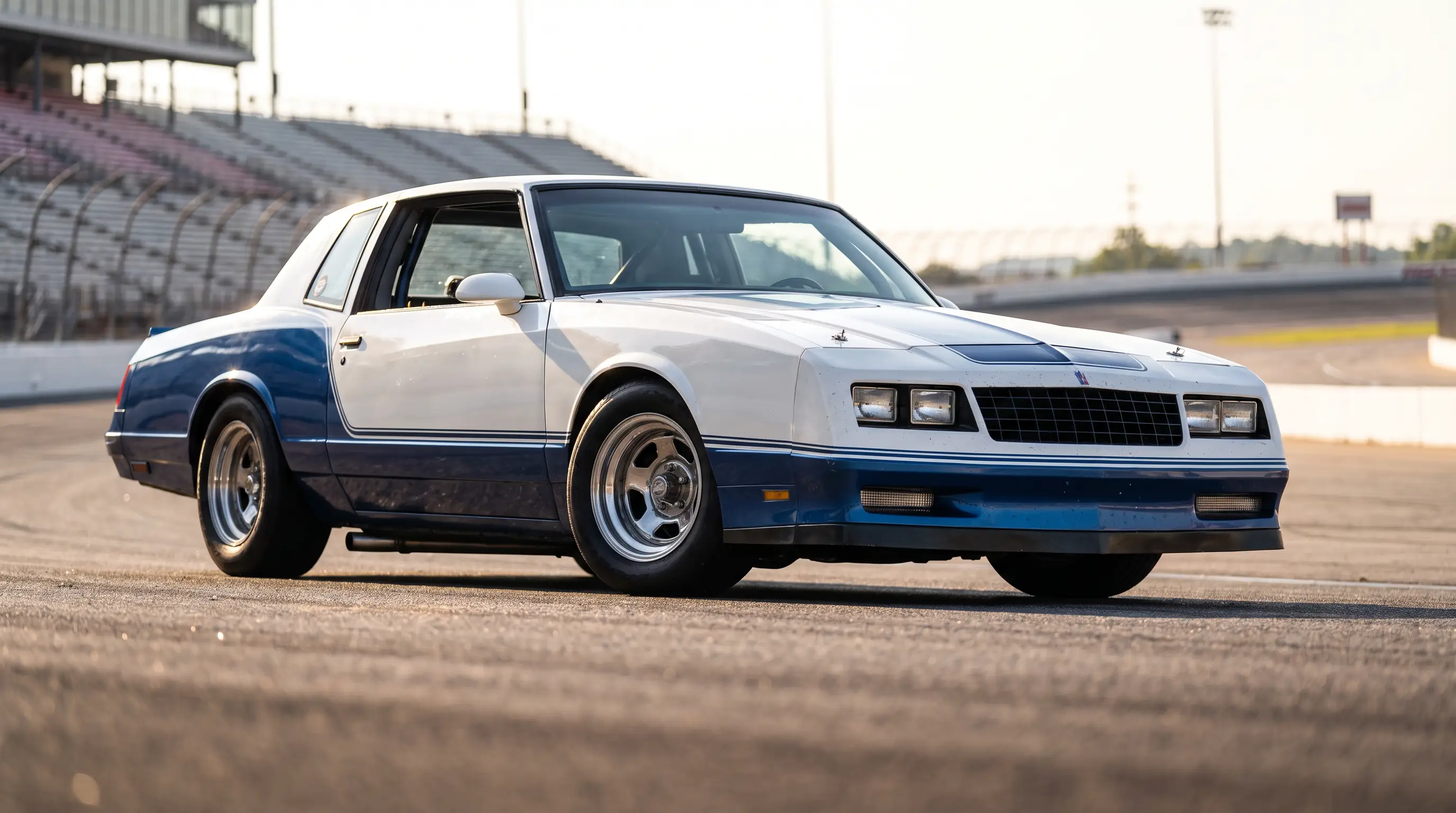
The factory response was the 1983 Monte Carlo SS, built specifically with a sloped, more rounded nose and a smoother rear window treatment designed to cut drag at speed. This was not a styling exercise dressed up as a performance upgrade. Chevrolet built the SS nose because homologation rules required a certain number of production cars to match what would run at the track, and the company needed the aerodynamic package available to buyers before it could legally show up on a superspeedway.
The nose that changed the conversation
The new SS front end looked subtly different from a standard Monte Carlo to a casual observer, but the changes were substantial where it counted. The lower, more sloped nose and the smoothed transition into the hood reduced the frontal drag that had been holding Chevrolet back, and NASCAR teams noticed the difference the moment cars built to the new specification hit the track. What had been a Ford advantage on the superspeedways suddenly had a genuine Chevrolet answer.
Drivers running the new body style talked about a car that felt more planted at high speed, less prone to the aerodynamic push that had made the older nose a handful in traffic on the biggest tracks. That stability mattered as much as raw top speed, because a car that handles predictably at close to 200 mph lets a driver race more aggressively than one that feels unpredictable in another car's draft.
What it meant on the track
The results validated the engineering almost immediately. Teams running the SS body found themselves competitive on the superspeedways again in a way they had not been for several seasons, and the aero package became the foundation that Chevrolet would keep refining for the rest of the decade. This 1983 return set the stage directly for the more extreme Aerocoupe that would follow later in the decade, a car built explicitly to push the same aerodynamic philosophy even further once the sloped SS nose alone was no longer enough to stay ahead. You can read a a related story about how that next chapter played out on the biggest tracks in the sport.
What makes 1983 significant is that it proved the concept worked. Chevrolet did not guess its way into aerodynamic competitiveness. The company built a specific answer to a specific problem, tested it, and watched it deliver results almost immediately once cars hit the superspeedways with the new nose in place.
"The 1983 SS nose does not get talked about as much as the Aerocoupe that came later, but it is the more important car in a lot of ways. It's the one that proved Chevrolet could still solve an aerodynamic problem when it had to."
- Patrick Walsh
How rival teams reacted
Ford and Pontiac teams did not sit still once Chevrolet's SS nose started closing the gap on the superspeedways. Engineers on rival programs went back to their own wind tunnel data looking for whatever margin they could still claim, and the back-and-forth that followed pushed the entire garage toward more serious aerodynamic development than the sport had seen in the years before. What started as Chevrolet playing catch-up turned into a genuine arms race, with each manufacturer's next body update measured directly against whatever the others had just introduced.
That competitive pressure is part of why the 1983 return mattered so much beyond its own season. It reset the baseline that every subsequent aero package, including the Aerocoupe that followed later in the decade, had to beat. Without the SS nose proving the concept first, the case for an even more extreme rear glass treatment a few years later would have been a much harder sell inside Chevrolet's own engineering ranks.
The road street cars inherited
The trickle-down effect of this racing program reached street buyers directly, since the SS package sold to the public carried the same nose that raced on Sunday. That connection between showroom and speedway was part of the Monte Carlo SS's appeal at the time, and it remains part of why collectors still seek these cars out today. Owning one is owning a small piece of the actual homologation requirement that got Chevrolet back into the aero fight.
If this era of the car's racing history has you wanting the fuller picture, our monte carlo nascar history feature covers the whole competitive arc from this 1983 return through the Aerocoupe years that followed. And if you would rather own a piece of that story than just read about it, there are usually a few Monte Carlos for sale now that carry some connection to this exact era of the car's development.
A season that rewarded the engineering
The proof of any aerodynamic program ultimately comes down to whether the car actually finishes better than it did before, and the 1983 SS delivered on that front in a way that quieted a lot of the early skepticism about whether a subtle nose reshape could really matter as much as engineers claimed. Crew chiefs who had spent seasons chasing setup changes just to stay in the draft found themselves with a car that no longer needed those compromises just to keep pace on the superspeedways. That freed teams to focus on other areas of the setup instead of spending every practice session fighting a losing aerodynamic battle before the race even started.
The confidence that came from that turnaround carried forward through the rest of the decade, and it shaped how Chevrolet approached every subsequent update to the Monte Carlo's race body. Once the company had proof that a targeted aerodynamic change could shift the competitive balance this directly, there was no going back to guessing. Every future revision got tested and validated the same deliberate way the 1983 nose had been.
The wind tunnel work paid off. That is the simplest way to put it, and it is also the reason this particular chapter of Monte Carlo history still gets told at length by people who were not even alive to watch it happen the first time.
Sources and notes
- Chevrolet Monte Carlo - Wikipedia
- 1983 Daytona 500 - Wikipedia
- Moto Gallery - 1983-1988 Chevrolet Monte Carlo SS
- Autoblog - The Forgotten Chevy Monte Carlo That Was Built Just to Win NASCAR
- Silodrome - A NASCAR Homologation Special: The Chevrolet Monte Carlo SS Aerocoupe
- Hagerty - 1983-88 Chevy Monte Carlo SS Buyer's Guide