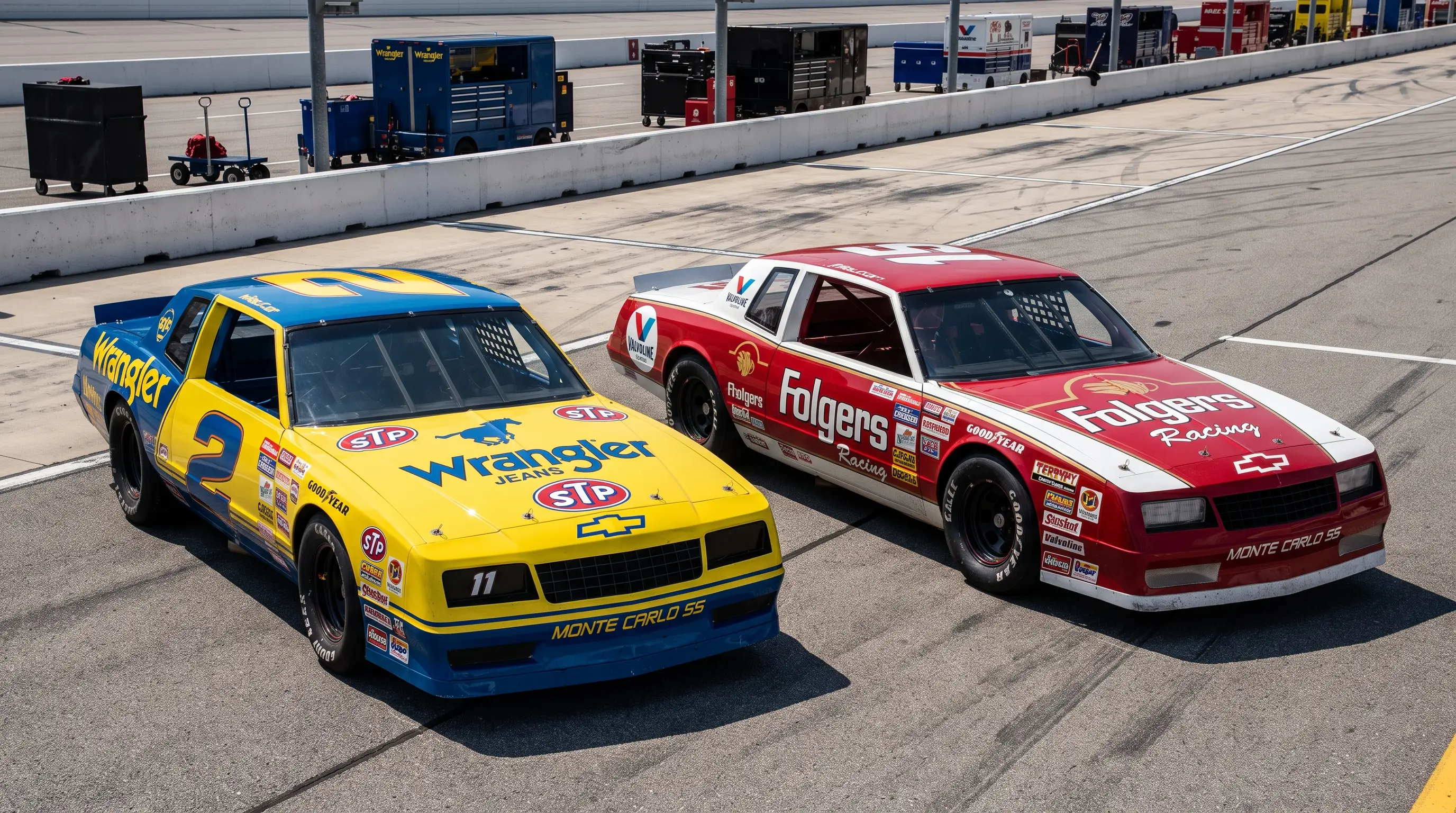
Some race cars are famous because of who drove them. Others are famous because of what they represented at a specific moment in a sport's history. The Chevrolet Monte Carlo produced examples of both through the 1980s, and separating the merely successful cars from the genuinely famous ones says a lot about what actually sticks in a fan's memory decades later.
Dale Earnhardt's Wrangler Monte Carlo SS
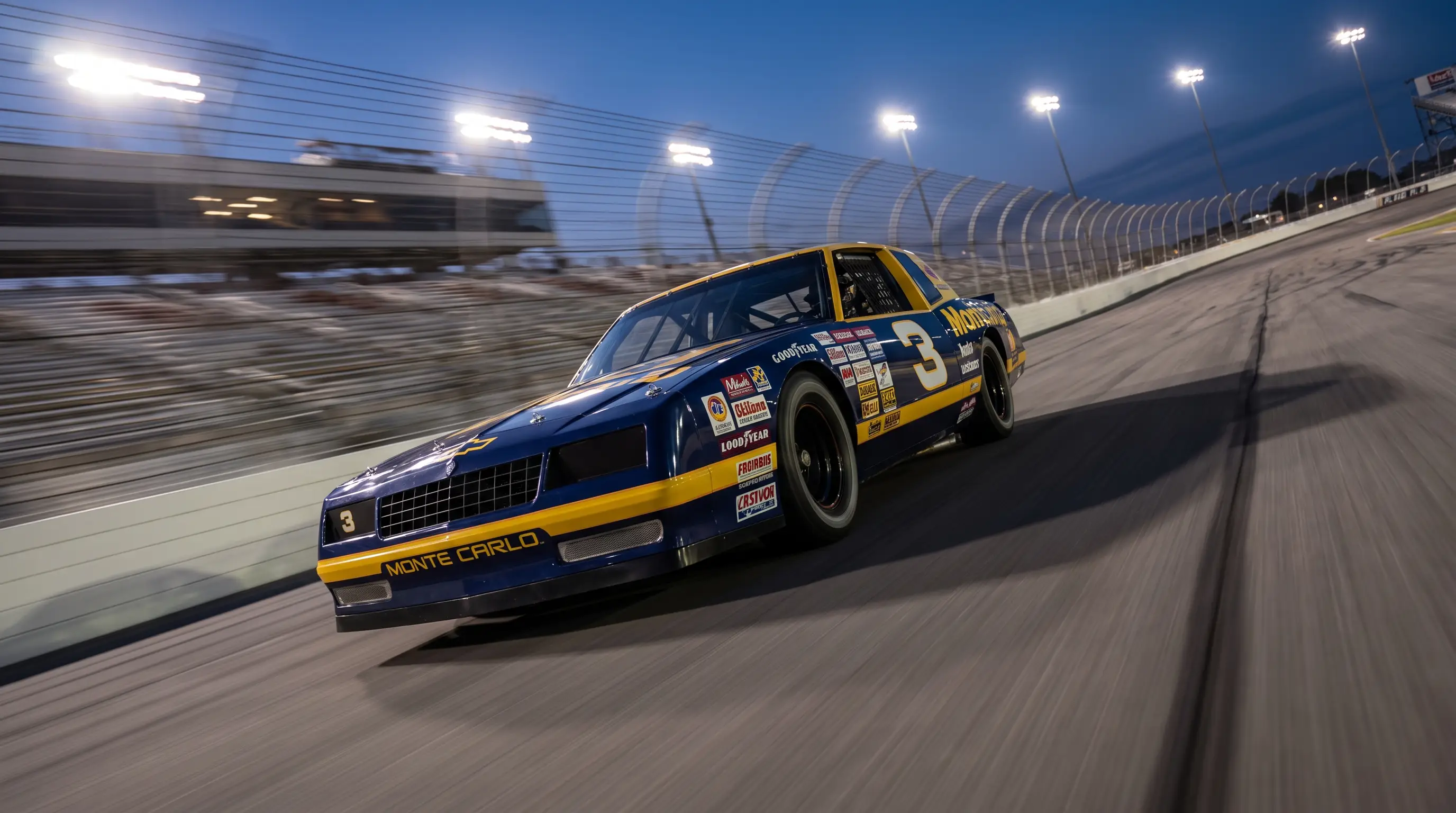
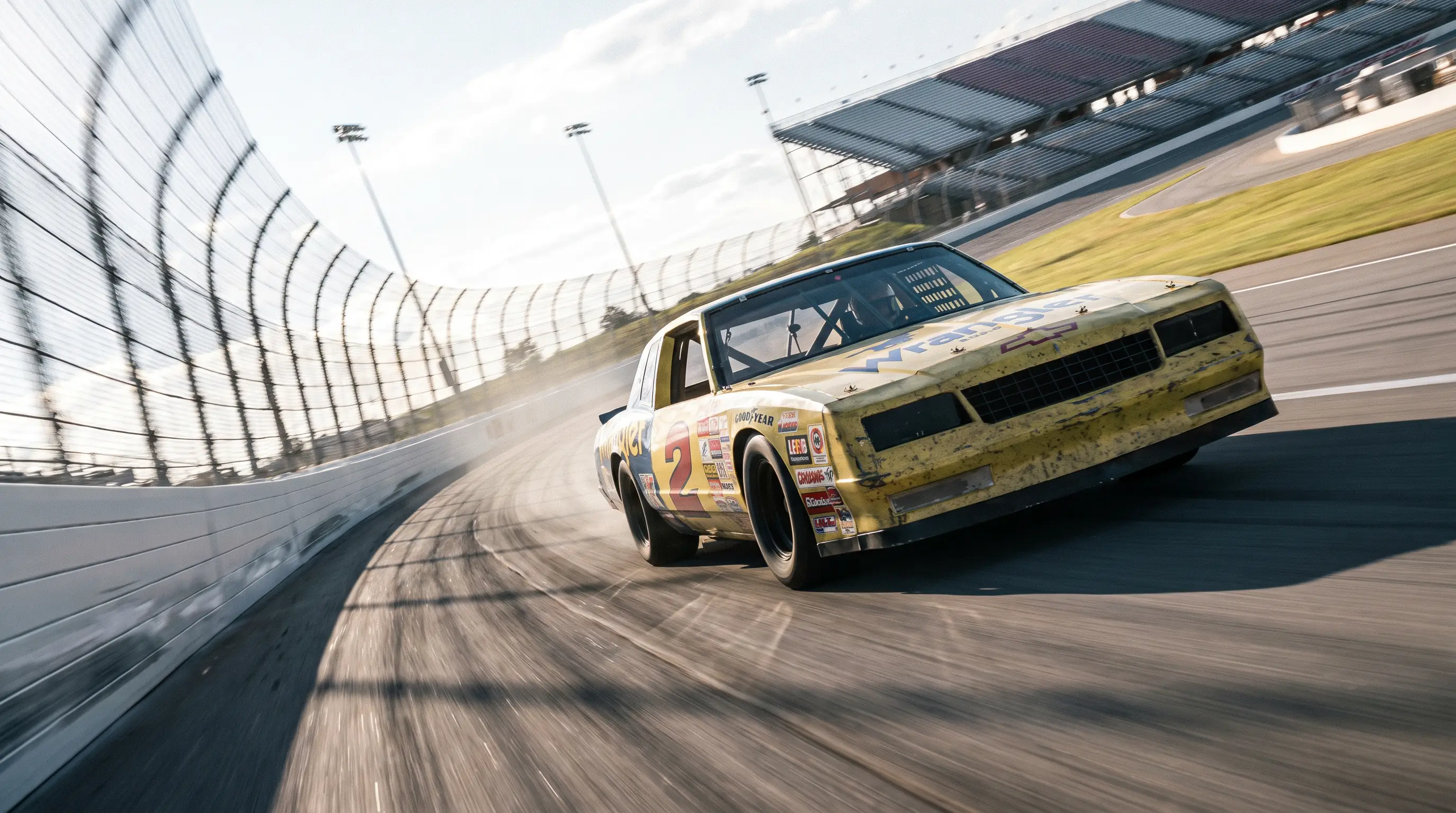
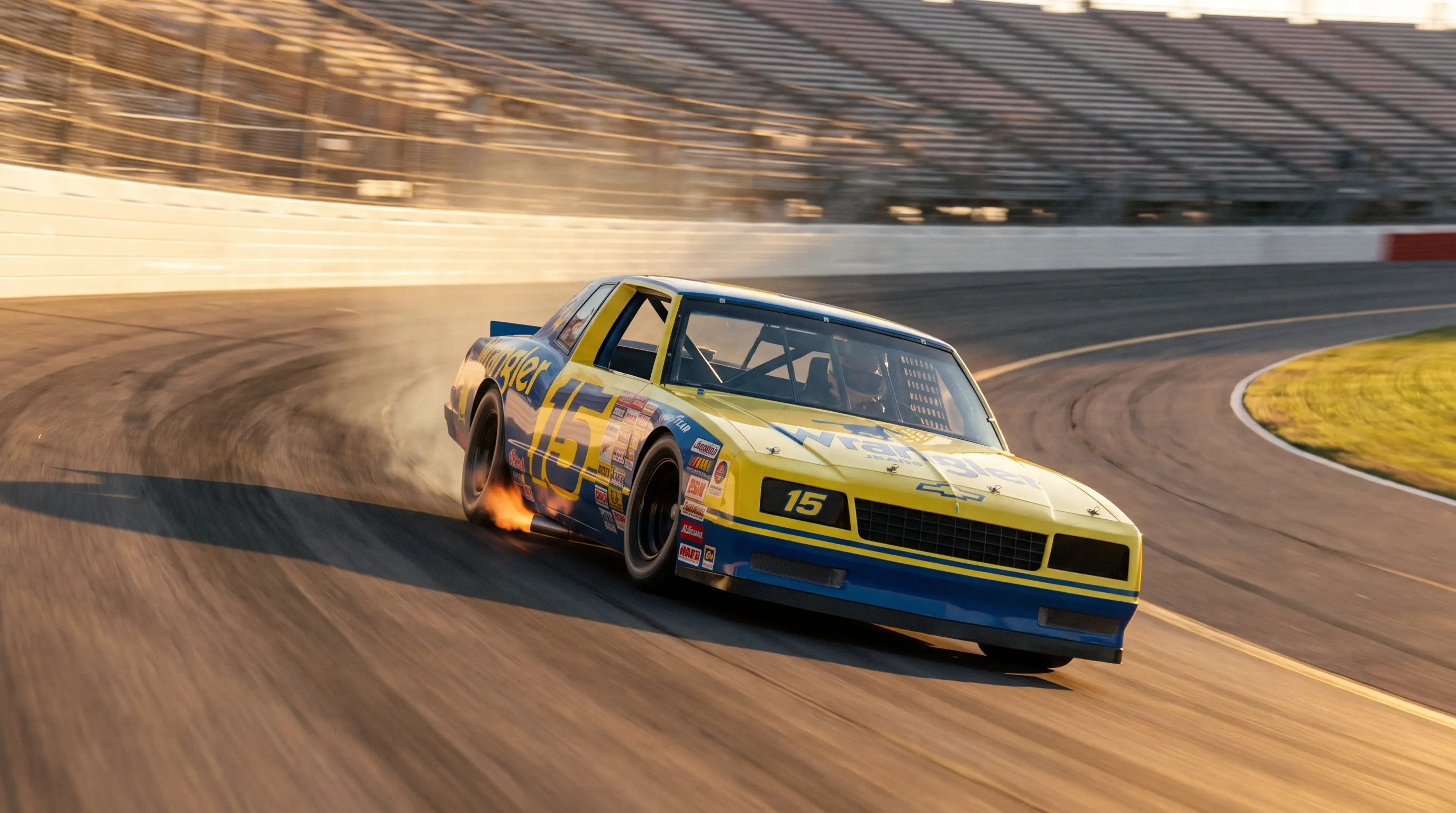
No Monte Carlo race car carries more recognition today than Earnhardt's blue and yellow Wrangler-sponsored car from the mid-1980s, run out of Richard Childress Racing. It won championships, it produced the Pass in the Grass at Charlotte's all-star race, and it established the aggressive, no-quarter driving reputation that followed Earnhardt for the rest of his career. The car is famous not because it was the fastest Monte Carlo ever built, but because it happened to be underneath the driver who came to define a decade of the sport.
Geoff Bodine's 1986 Daytona 500 winner
Bodine's Hendrick Motorsports Monte Carlo earned its fame the traditional way, by winning the biggest race on the calendar. That 1986 Daytona 500 victory mattered beyond the trophy, validating a young team ownership operation that would go on to become one of the sport's most successful organizations, and giving the Monte Carlo nameplate its clearest superspeedway headline of the decade.
Darrell Waltrip's Budweiser Monte Carlo
Waltrip's red and white Budweiser car out of Junior Johnson's shop earned its fame through a mix of consistent success and Waltrip's own outspoken, occasionally divisive personality. Fans either loved rooting for that car or loved rooting against it, and either way it stayed relevant on the track long enough to matter, a Monte Carlo built by a team with a reputation for meticulous preparation and driven by someone who never let a race go by quietly.
"A famous race car needs two things, a driver worth remembering and a moment worth replaying. The best Monte Carlos of the 1980s all had both, which is rarer than it sounds."
- Patrick Walsh
Tim Richmond's Folgers Monte Carlo
Richmond's red and gold Folgers-sponsored Hendrick car earned a different kind of fame, built as much around Richmond's flamboyant personality and tragically short career as around specific race results. Richmond drove with a flair that stood out even in a garage full of strong personalities, and the Folgers Monte Carlo remains one of the most requested liveries among collectors building tribute cars, in part because Richmond's story itself has become one of the sport's most poignant.
The cars that mattered without the top billing
Not every notable Monte Carlo of the era belonged to a household-name driver. Several less-heralded teams and drivers ran Monte Carlos in sponsor colors that never reached the cultural status of Earnhardt's or Waltrip's cars, but still helped extend the nameplate's competitive relevance right through the end of its G-body production run, even as the sport was already shifting toward the next generation of cars that would eventually carry the Monte Carlo name in a very different form. Cars like these rarely get the same nostalgic treatment as the more iconic liveries, but they matter to a complete accounting of the nameplate's racing history, proof that the Monte Carlo remained a genuinely competitive choice for teams who were not yet household names, not just a car that worked for the sport's biggest stars.
Fame in motorsports also does not always track cleanly with championships. Some Monte Carlos earned their reputation through a single unforgettable moment, a spectacular crash survived, a photo finish, or a controversial call that fans argued about for years afterward. A Monte Carlo that led laps and finished second in a memorable battle can end up more discussed decades later than a car that quietly won a title with less drama attached to it.
What separates famous from merely successful
Plenty of Monte Carlos won races in the 1980s without becoming genuinely famous, and the cars that did break through share a common thread beyond raw results. Each one was tied to a driver whose personality, driving style, or personal story gave fans a reason to remember the car specifically rather than filing the win away as one of many that season. A famous race car earns a place in a fan's memory the same way a famous street car does, through a combination of performance and story that outlasts the specific results on the page.
For readers who want the full story of how these individual cars fit into the Monte Carlo's broader NASCAR program, the connections between them run deeper than shared sponsors or shared owners. Nearly every famous Monte Carlo race car of the decade drew on the same aerodynamic development program, the same homologation-driven street car partnership, and the same competitive pressure from Ford that pushed Chevrolet to keep refining the shape year after year.
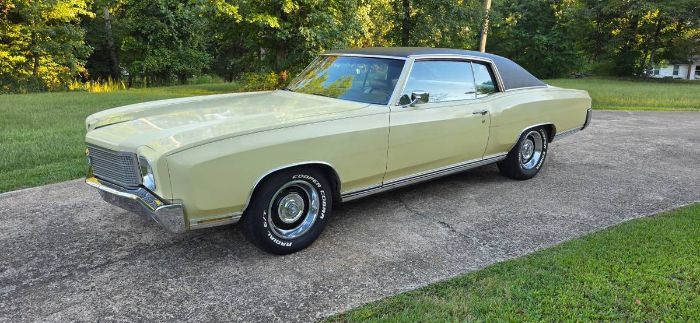
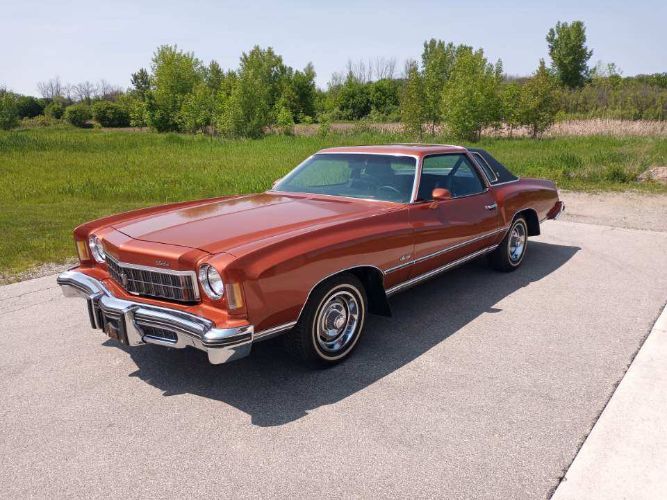
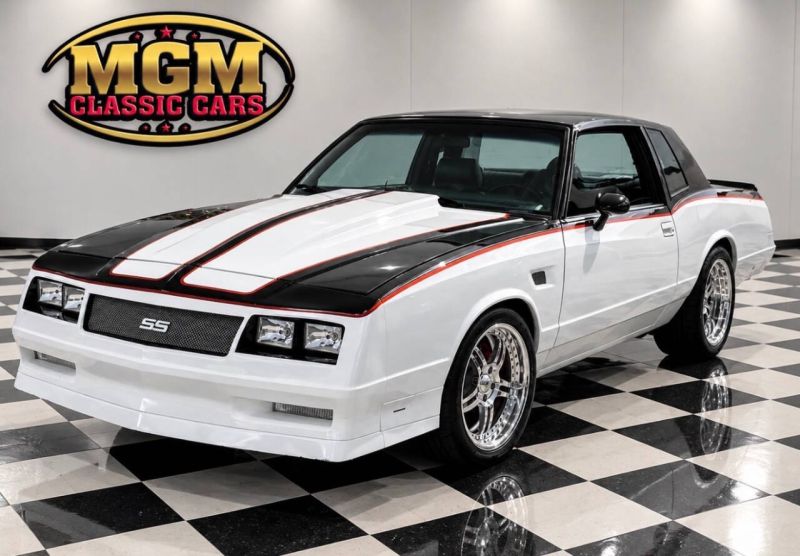
Buyers who want a tangible connection to that era, rather than just a highlight reel, can still browse a classic Monte Carlo for sale carrying the same body style these famous cars raced, a reminder that the line between showroom coupe and NASCAR legend was thinner in this era than in almost any other period of the sport's history.
Walk any serious car show today and a period-correct tribute to one of these Monte Carlos will draw a crowd faster than most restored street cars, precisely because the story behind the paint scheme is as compelling as the car underneath it. That combination of substance and story is exactly what turns a competitive race car into a genuinely famous one, and it is why these particular Monte Carlos are still the ones fans reach for first when the conversation turns to the sport's most memorable decade.
That kind of lasting attention is not something a manufacturer can manufacture on purpose. It comes from a combination of the right driver, the right team, and a moment that happened to unfold in front of a national television audience at exactly the right time. The Monte Carlo produced more than its share of those moments during the 1980s, and that is the real reason its most famous race cars still get remembered by name rather than blending into a long list of also-ran entries from a busy decade of stock car racing.
Decades later, none of that recognition requires a race win to justify itself. A tribute car built to honor Richmond's Folgers scheme or Waltrip's Budweiser colors draws attention purely on the strength of the story it carries, which is a rarer and more durable kind of fame than any single trophy could have provided on its own.