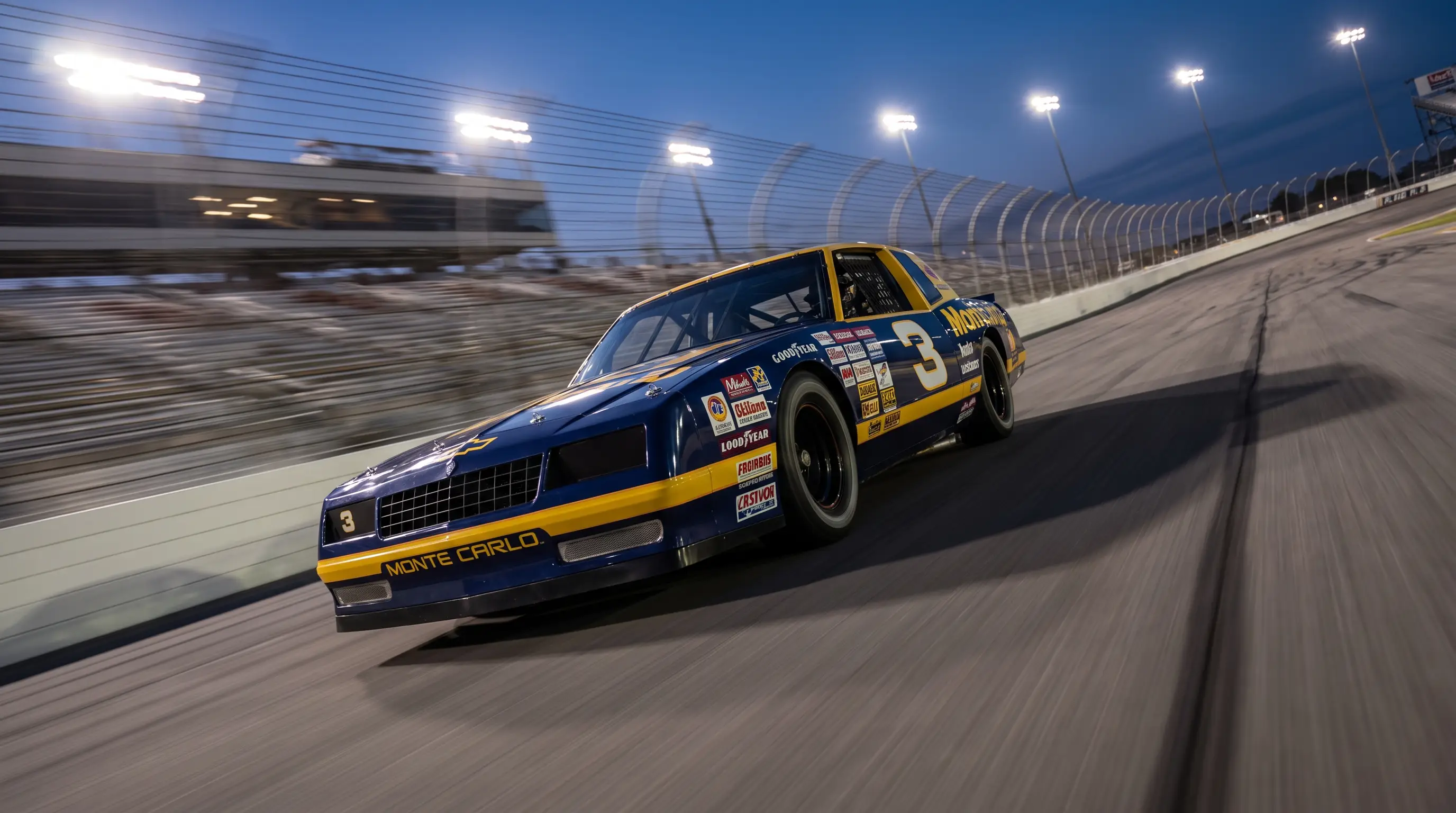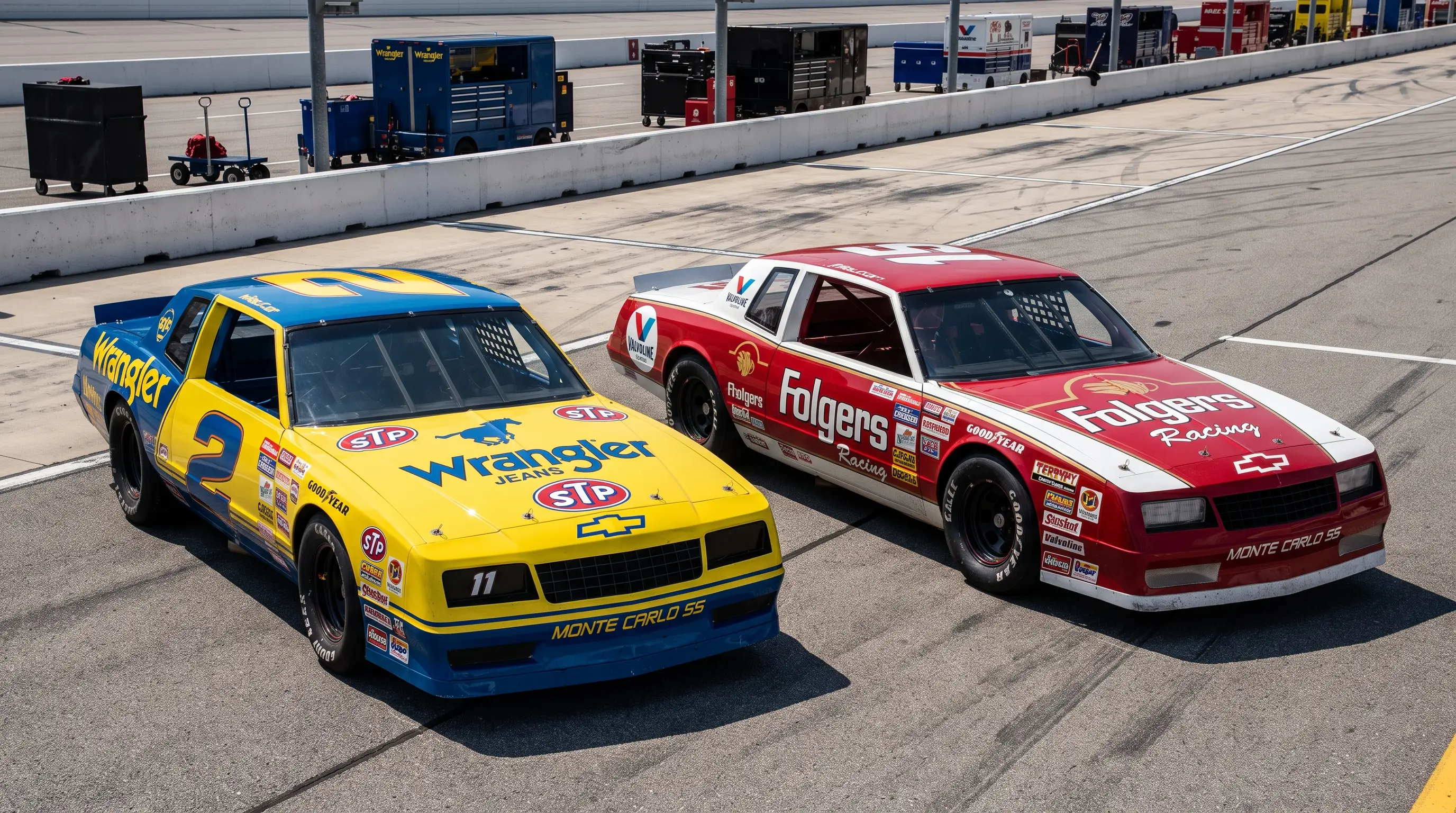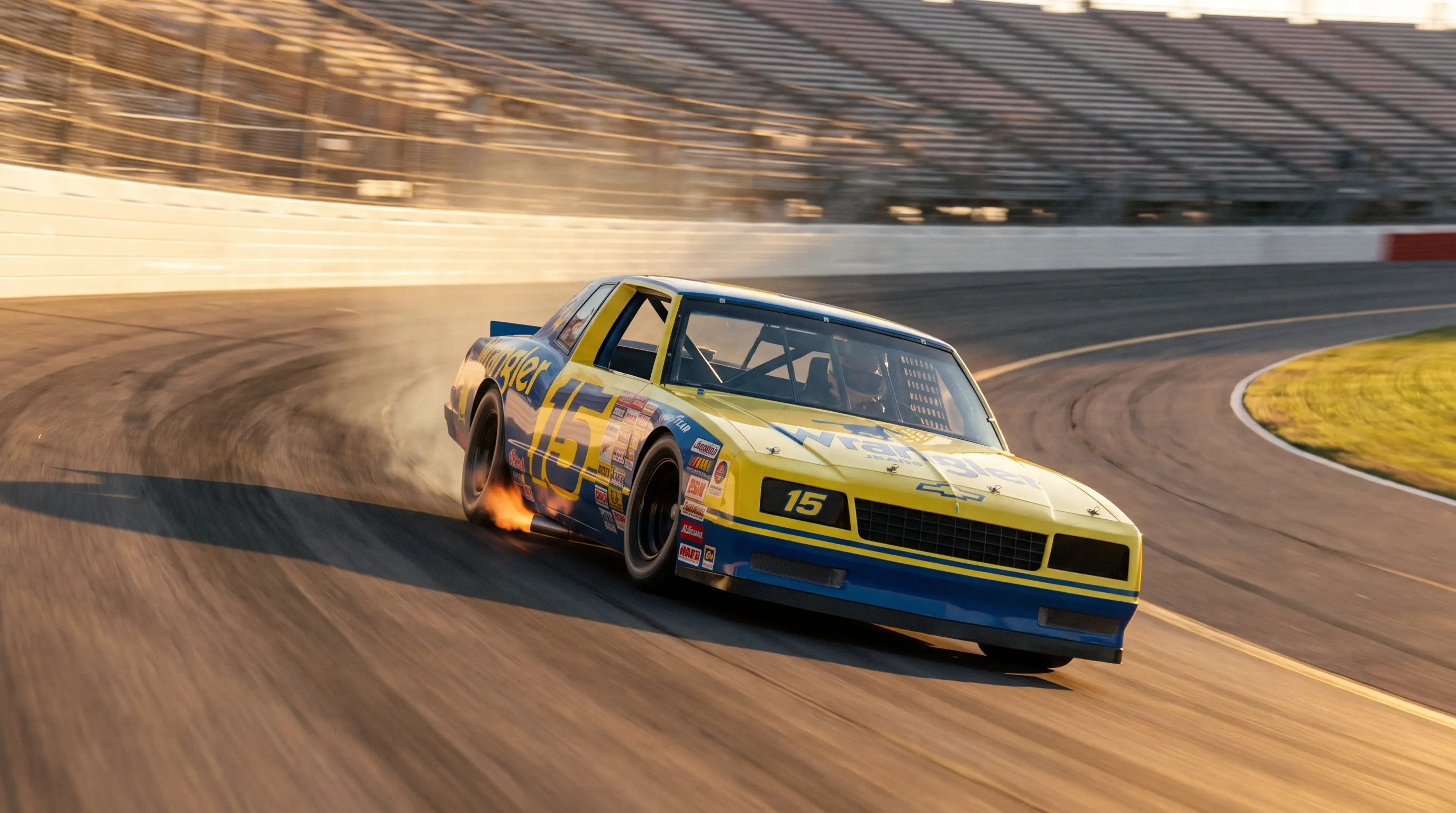
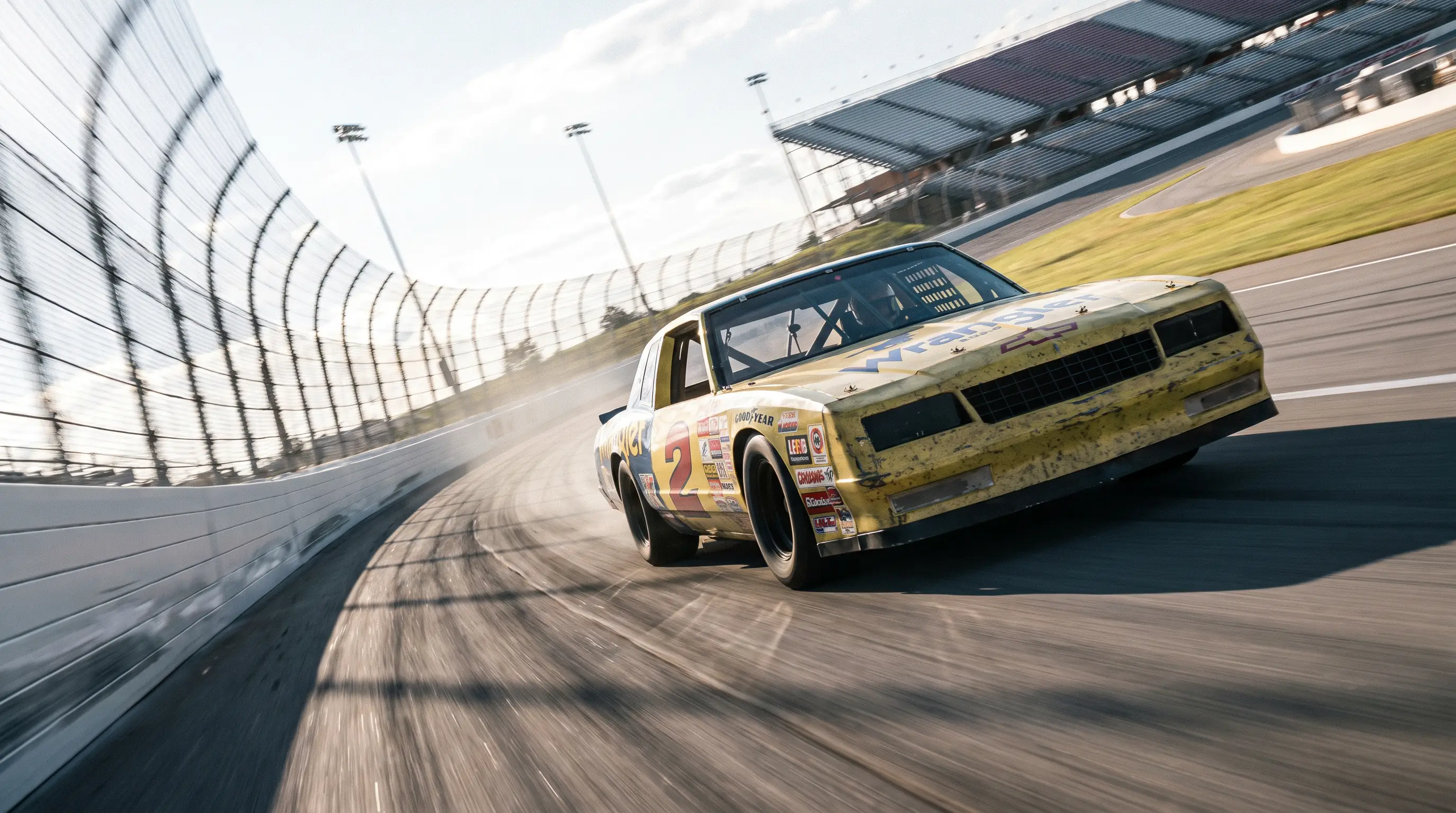
Talladega Superspeedway does not forgive a slow car, and it does not forgive a scared driver either. At 2.66 miles and banked steeper than almost anywhere else on the NASCAR schedule, it is the track that turned the Chevrolet Monte Carlo's aerodynamic development from a nice-to-have into an absolute requirement, and it is the track where the Monte Carlo's NASCAR story produced some of its most memorable and most frightening moments.
Why Talladega demanded a different kind of Monte Carlo
Daytona gets more attention because of the 500's status as the season opener, but Talladega is the faster track, and by the mid-1980s cars were running qualifying laps well north of 210 mph there. That kind of speed exposed any weakness in a car's aerodynamics almost instantly, which is exactly why Chevrolet pushed the Monte Carlo Aerocoupe's development so hard specifically with Talladega and Daytona in mind. A body shape that was merely adequate everywhere else on the schedule needed to be genuinely excellent at Talladega or it was not going to compete.
Teams running Monte Carlos at Talladega spent an outsized amount of their season's development budget preparing specifically for that one race weekend, because the margins there were so much tighter than anywhere else. A tenth of a second in the wind tunnel that made no visible difference at a short track could be the difference between leading the draft and getting shuffled to the back of the pack at Talladega.
The crash that changed the track forever
Bobby Allison's airborne crash at Talladega in May 1987 happened in a Buick, not a Monte Carlo, but it changed how every manufacturer's superspeedway program operated afterward, Chevrolet included. Allison's car got loose at close to 210 mph, went airborne, and tore a long section of the catch fence apart before coming to rest, sending debris into the grandstands and injuring spectators. It remains one of the most replayed and most sobering moments in the sport's history, and it is the direct reason restrictor plates arrived at Talladega and Daytona the following season.
Earnhardt himself had his own frightening moment at Talladega in a Monte Carlo, part of a run of hard crashes at the track that reinforced just how unforgiving the place could be even for the sport's most fearless driver. Those incidents, taken together, cemented Talladega's reputation as the track where a Monte Carlo's aero development mattered most and where the consequences of getting it wrong were more severe than almost anywhere else on the schedule.
"Every other track on the schedule asks a race car to be fast. Talladega asks it to be fast and completely honest about its limits, because at that speed there is no margin left for a car that is lying to you about what it can do."
- Wayne Coburn
The role of the draft at a track built for it
Talladega's sheer size means the draft matters there in a way it simply does not at shorter tracks. A Monte Carlo running alone in clean air at Talladega could lose two or three seconds a lap to a pair of cars working together in tandem, which made teamwork between drivers, even ones who were not officially teammates, a real factor in how races played out. Crew chiefs studying tape from previous Talladega races looked as much at drafting patterns as at raw lap times when planning strategy, because a Monte Carlo that qualified poorly could still contend for the win if its driver understood how to use the draft to close on the leaders late in the race.
That dynamic gave Talladega a reputation as one of the most unpredictable races on the calendar, one where a Monte Carlo running fortieth at the halfway point could realistically finish in the top five if the cards fell right in the closing laps. Fans who followed the sport through the 1980s often name Talladega finishes among their most memorable precisely because of how volatile the running order could become in the final stretch.
Restrictor plates and the new Talladega racing style
Once restrictor plates arrived, Talladega racing changed from an aero-and-horsepower contest into a drafting and pack-racing contest, and Monte Carlo teams had to relearn what made a car competitive there. Raw top speed mattered less when every engine on the grid was capped at similar output, and setups shifted toward stability in traffic, the ability to run nose to tail with a dozen other cars for long stretches without losing the draft or getting shuffled backward.
That shift did not erase the Monte Carlo's Talladega history so much as add a second chapter to it. The car that had been built to win the aero war in the early and mid-1980s became, after 1988, a car that had to win a very different kind of race at the same track, and teams that adapted quickly kept the Monte Carlo competitive there well into the following seasons.
What surviving photographs and footage reveal
Footage from Talladega races through the 1980s still circulates among fans, and it shows something that flat statistics do not capture well, just how tightly packed the field ran there compared to shorter tracks. A Monte Carlo running mid-pack at Talladega might have three or four other cars within a single car length in every direction, drafting so closely that a small mistake by any one driver could collect a dozen others. That density is part of what made the track simultaneously the most exciting and the most dangerous stop on the schedule, and it is why the Aerocoupe's aerodynamic refinements mattered as much for safety and control in traffic as they did for outright speed.
Why Talladega remains central to the car's legacy
No single track did more to shape the Monte Carlo's NASCAR development than Talladega, because no other track punished aerodynamic shortcomings quite as severely or as visibly. Readers who want the monte carlo nascar story in full context will find Talladega mentioned again and again, not as one stop on the schedule among many but as the proving ground that justified years of investment in the car's shape. That investment traces back to the production car itself, and the full story of the Monte Carlo's original 1970 debut explains why Chevrolet had a nameplate worth building that kind of superspeedway program around in the first place.
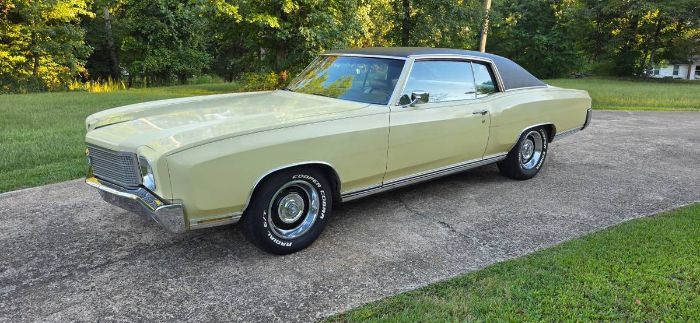
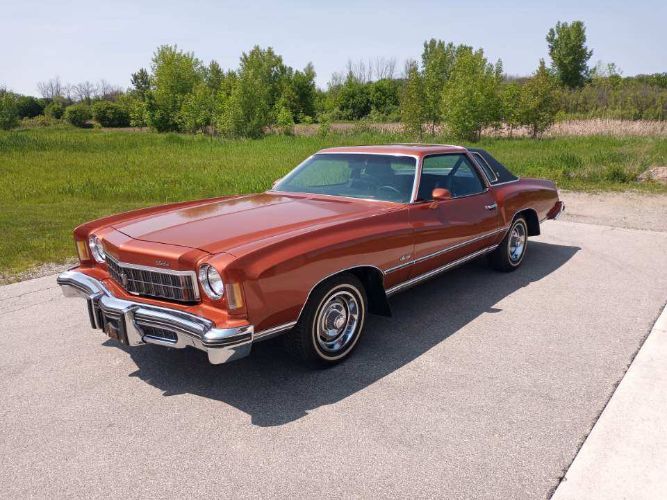
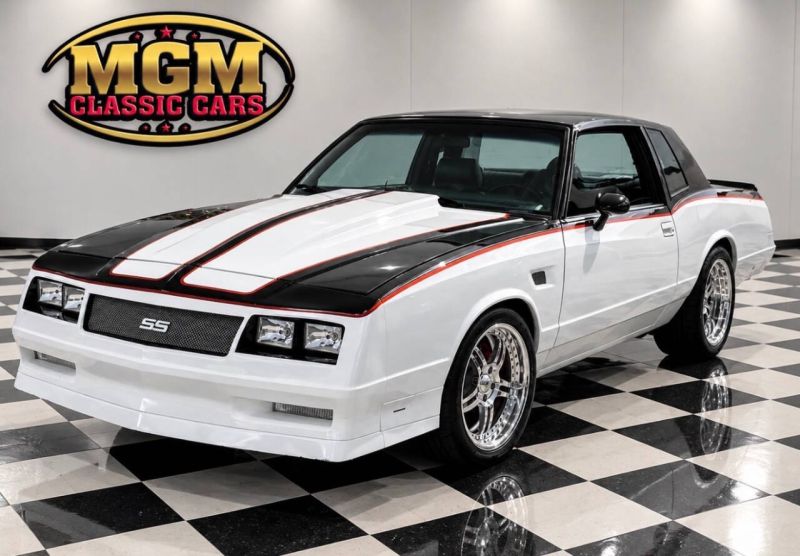
Anyone drawn to that history in a form they can actually own can still find classic Monte Carlos on the market today, carrying the same silhouette that was tested, refined, and occasionally terrified drivers at 2.66 miles of Alabama banking.
Talladega never stopped being the track that separated a genuinely well developed Monte Carlo from one that only looked fast on paper. That distinction shaped how Chevrolet's engineers prioritized their development budget through the 1980s, and it is a large part of why the aero work that started with modest goals on the Monte Carlo SS eventually produced a car specific enough to need its own name, the Aerocoupe, built almost entirely around the demands of tracks exactly like this one.