
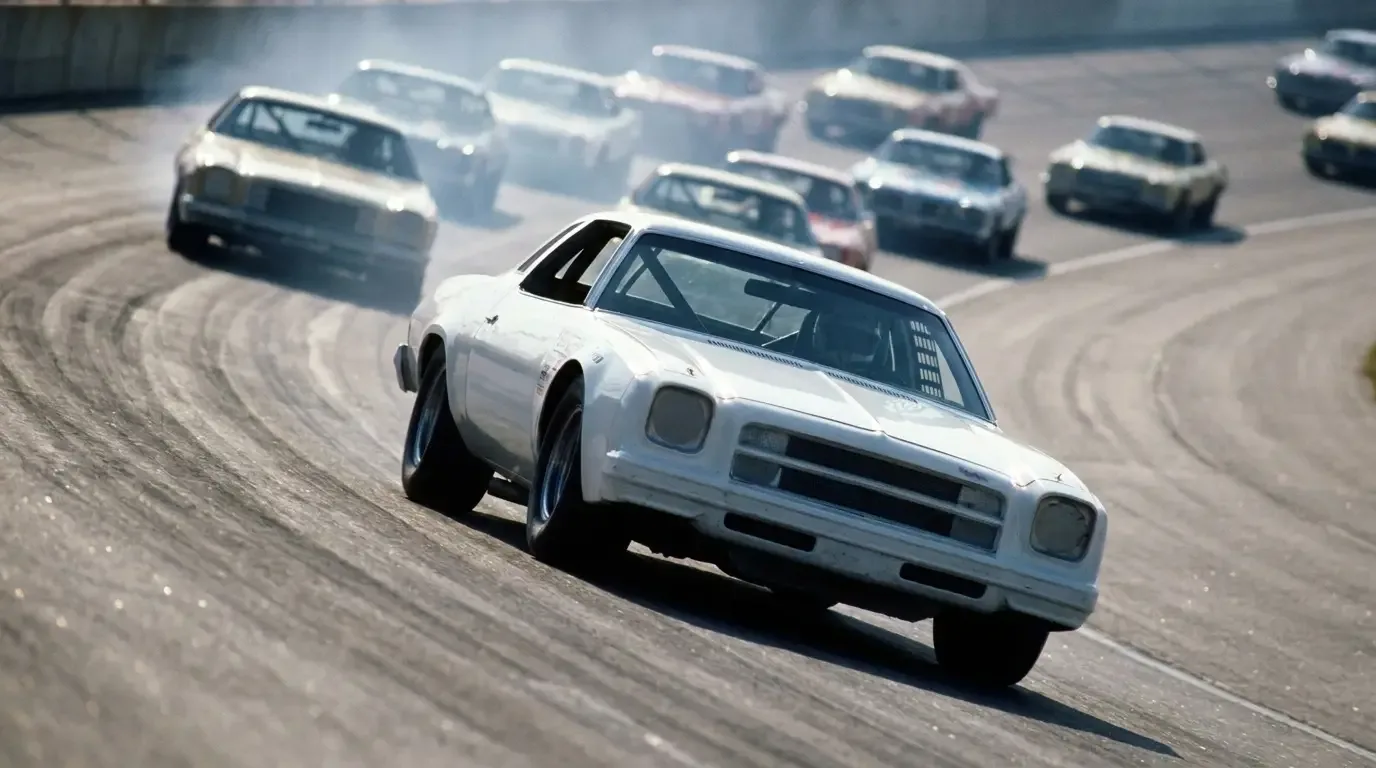
Here's the number that matters with the 1973 Laguna: a urethane nose instead of a chrome bumper and grille. That's it. That's the whole story people usually skip past on the way to talking about styling. Chevrolet didn't add a soft nose to the top of the Chevelle lineup because it looked modern, though it did. They added it because a body-color, energy-absorbing front cap was one accepted way to meet a new federal bumper standard, and that same soft-nose approach later gave Chevrolet's NASCAR program a body shape it could sharpen into something genuinely aerodynamic, a detail most buyers never connected to the styling.
History & Heritage
6 min read
Chevelle Laguna 1973-74: A New Nose on the Colonnade
Why the Chevelle Laguna's urethane nose debuted in 1973, the bumper standard and NASCAR aero data behind it, and what to check on a car today.
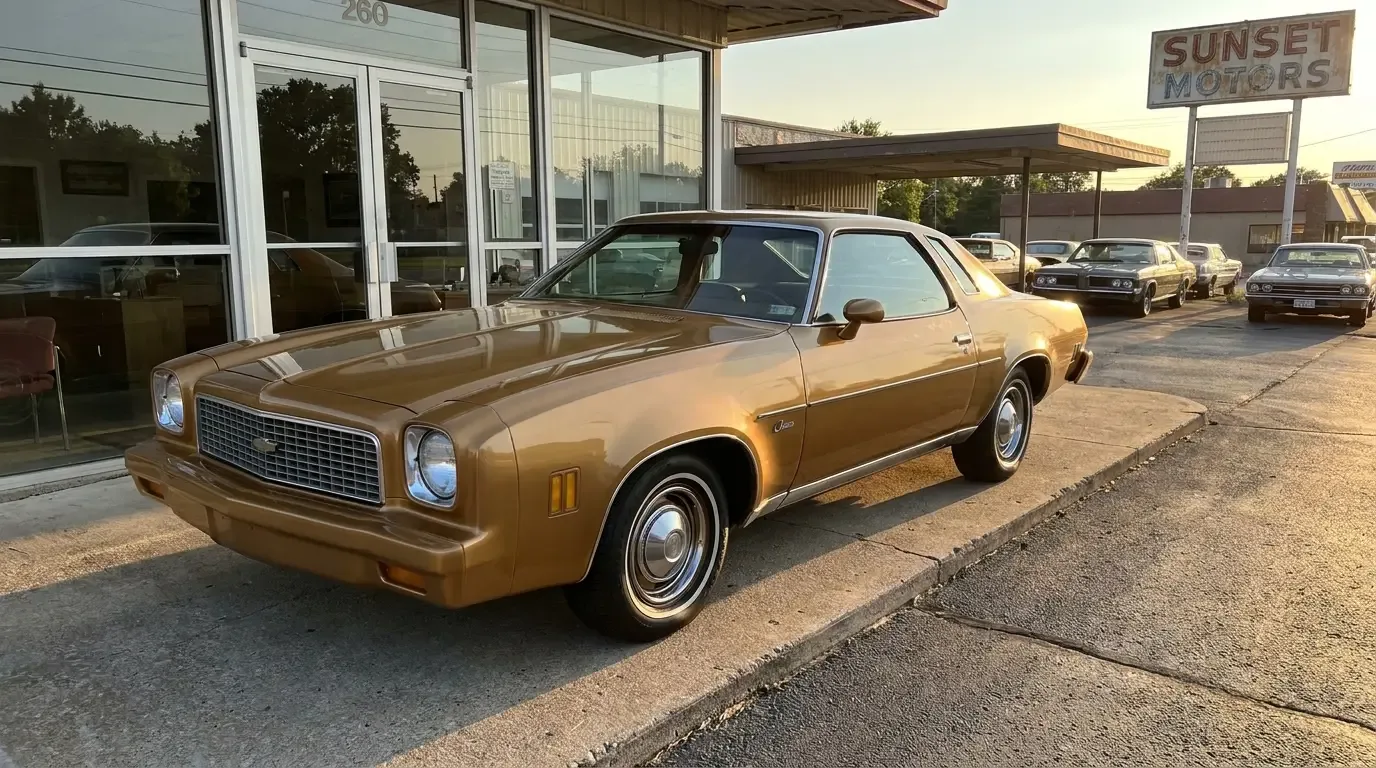
I look at cars in terms of what the spec sheet actually says versus what the marketing copy claims. The Laguna's debut is a good example of a car that got sold on styling language but was really an engineering answer to a couple of specific problems.
What actually launched in 1973
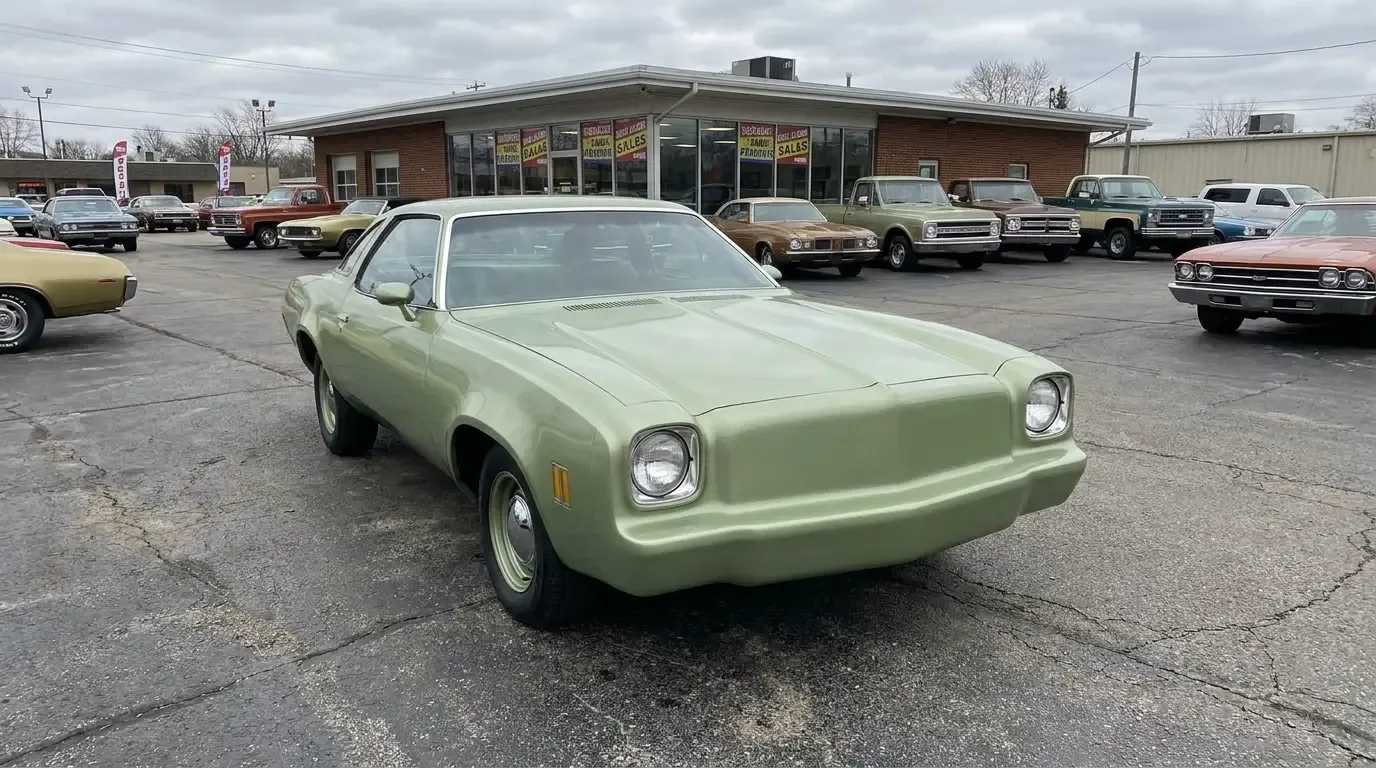
Laguna arrived for 1973 as the new top trim on the Chevelle line, sitting above Malibu. The defining feature was a molded urethane front cap that replaced the conventional chrome grille and bumper assembly used on Deluxe and Malibu models. Underneath, the Laguna shared its structure, wheelbase, and drivetrain options with the rest of the Colonnade Chevelle lineup. No unique engine, no unique suspension spec. The differentiation was the nose treatment, upgraded interior trim, and badging. Buyers cross-shopping a Laguna against a well-optioned Malibu weren't buying more performance. They were buying a different front end and a nicer cabin.
Engine availability tracked the rest of the 1973 Chevelle order sheet: 307 and 350 small-blocks as the volume choices, a 400 small-block in the middle, and the 454 big-block at the top, rated at 245 net horsepower for the year. None of those numbers changed because the badge said Laguna instead of Malibu.
| Year | Laguna identifier | Key change |
|---|---|---|
| 1973 | Laguna (base) | Debut of urethane soft nose, top-trim Chevelle |
| 1974 | Laguna / Laguna Type S-3 | S-3 sport variant added, aero-focused nose revision |
The bumper-standard angle nobody markets
Federal Motor Vehicle Safety Standard 215 took effect for the 1973 model year and required passenger cars to withstand a 5 mph front impact and a 2.5 mph rear impact against a barrier without damage to headlamps, fuel systems, and other safety-related equipment. The standard tightened further for 1974, raising the rear requirement to match the 5 mph front figure. A molded urethane cap over an energy-absorbing structure was one accepted way to meet the front requirement while keeping some styling flexibility, versus a heavier chrome bar bumper bolted straight to the frame. The Laguna got there first on the Chevelle line, and the timing lines up too closely with the standard's effective date to call it a coincidence.
Where racing fits into the story
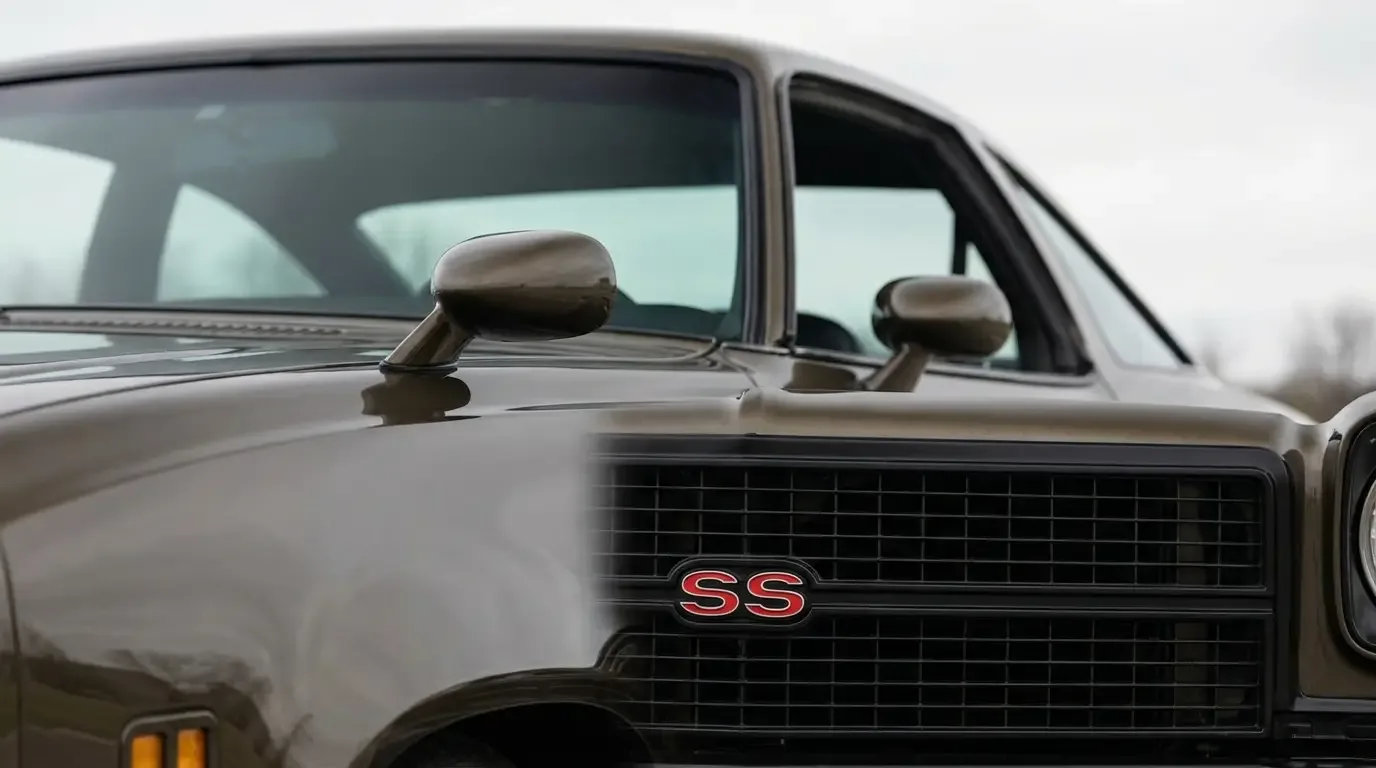
The racing angle is real, but it belongs more to what came after the Laguna's debut than to the 1973 nose itself. The original urethane front cap was a bumper-compliance solution first, styled to look good rather than engineered around a wind tunnel session. What it did give Chevrolet, though, was a body shape its NASCAR program could build on. The Laguna Type S-3 arrived for 1974 as a sportier variant, and it was the S-3's 1975 update, with a slanted, more aggressively sloped urethane nose, that Chevrolet's racing effort actually leaned on for aerodynamic advantage at NASCAR's superspeedways. The full story on that sharper, race-focused nose is its own subject, and I'd point you to next: Laguna Type S-3, 1974-1976 for the details on how far Chevrolet took the aero approach once the racing results started coming in.
What this means for buyers today
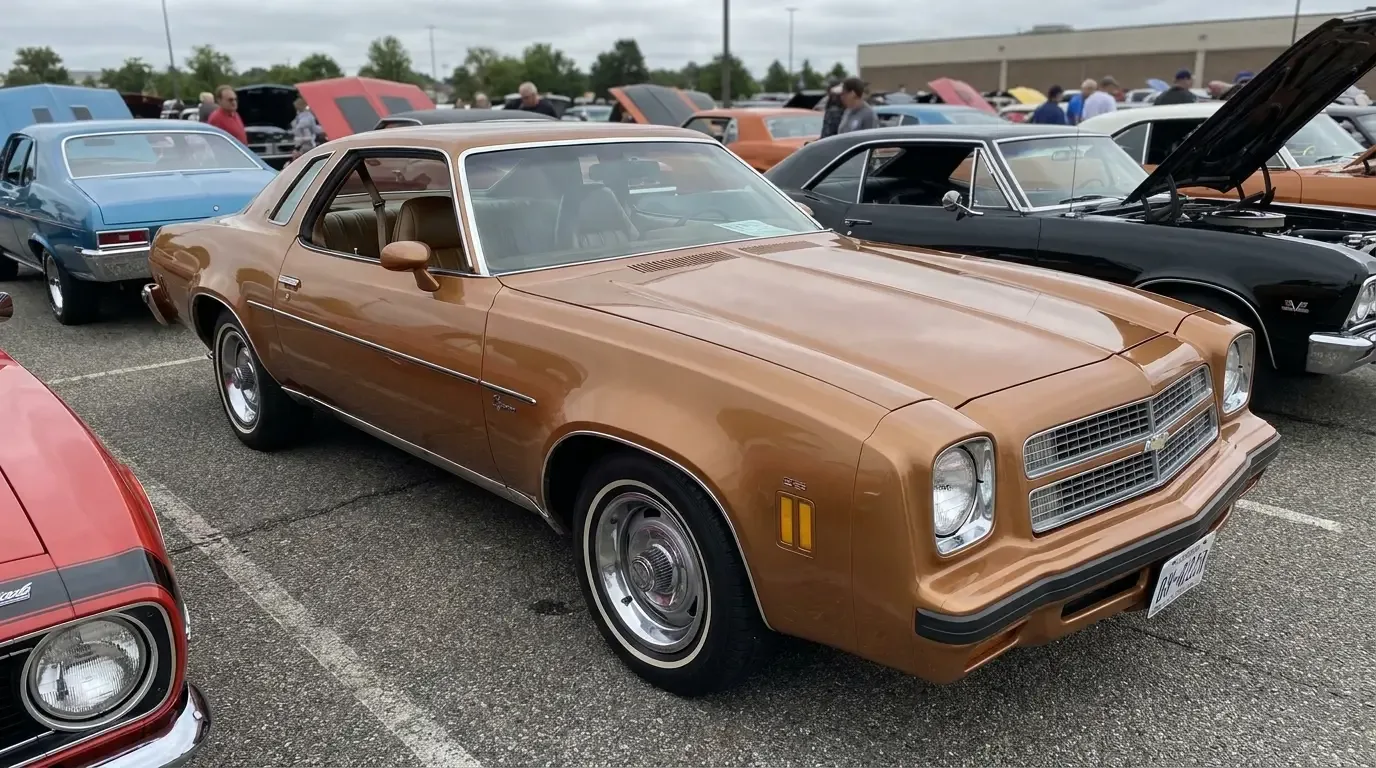
A documented 1973 or early 1974 Laguna isn't rare in the sense that production numbers were tiny, Chevrolet built these in real volume as the top of a high-volume lineup, but original, uncracked urethane noses are harder to find than the cars themselves. UV exposure and age make the material brittle over decades, and replacement panels aren't always a straightforward bolt-on match to factory fit and finish. If you're pricing out 1973-74 Laguna Chevelles, the condition of that nose panel should factor into your number as much as the engine option does. A 454 car with a cracked, poorly repaired front cap is not automatically worth more than a clean 350 car with an original, intact nose.
Documentation matters here too. Because Laguna shared its structure and drivetrain with Malibu, the only reliable way to confirm a car left the factory as a Laguna rather than being re-badged later is the trim tag and the RPO code on the cowl, not the badges bolted to the fenders. I've seen more than one Malibu wearing Laguna trim pieces added after the fact by a previous owner chasing the top-of-line look, and the giveaway is almost always a mismatch between the interior trim code stamped at the factory and what's actually installed in the car now. Take the ten minutes to check before you pay a Laguna premium for a car that isn't one. It's a small amount of homework against a purchase that, done wrong, costs real money down the line. A ten-minute cowl tag check is cheap. A misrepresented trim level is not.
"Everybody talks about the Laguna's styling. Nobody talks about the bumper standard and the wind tunnel numbers that actually put that nose on the car. The styling is the result. The regulation and the aero data are the cause."
Dan Reeves
For the full arc of how the Laguna fits into the rest of this generation, the 1973-1977 Chevelle story covers the years around it, and the classic Chevelle story traces the nameplate from 1964 through its final year.
Sources and notes
- Chevrolet Chevelle Laguna: Wikipediaurethane nose introduction, bumper-standard purpose, and Type S-3 aero evolution.
- What's in a Name: 1973 Chevrolet Laguna: Mac's Motor City GarageLaguna's debut as top Chevelle trim and nose design background.
- NASCAR Hero: 1974 Chevrolet Laguna S-3: MotoriousLaguna Type S-3 debut year and NASCAR aero development timeline.
- 50 Years Ago The NHTSA Tried To Make America's Cars Ugly: CarscoopsFMVSS 215 bumper standard requirements for 1973 and 1974 model years.
- 1973 Chevrolet Chevelle SS 454 Coupe 4-speed Specs Review, automobile-catalog.com454 net horsepower rating.
- 1974-1976 Chevrolet Chevelle Laguna S-3: Specs & History: Moto GalleryType S-3 model years and design changes.
Related Reading
Have a
Chevrolet Chevelle
for Sale?
Reach thousands of serious classic car collectors across the US.
Sell It Here →
Are You a Classic Car Dealer?
List your full inventory and connect with targeted classic car buyers.
Join as a Dealer →

About the author
Dan Reeves
Performance engine builder from North Carolina's motorsports corridor, focused on swaps, forced induction and making real, repeatable power.
Related Listings - Chevrolet Chevelle
More in History & Heritage
Comments
Be the first to comment on this article.