A reputation built on the wrong comparison
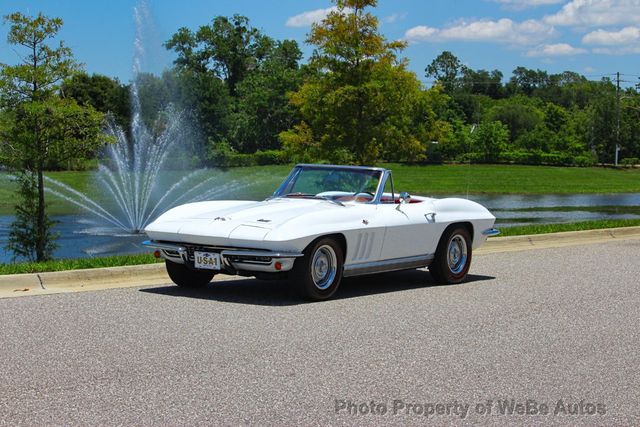
The C3 Corvette carries a specific kind of grudge that follows it through collector car circles to this day. The design gets praised. The mid-decade performance numbers get excused. And then someone brings up 1978, or 1980, and the conversation shifts into a familiar register: the C3 was a car that lost its way, a sports car that traded performance for survival and came out the worse for it. The reputation has stuck for fifty years, and it is, in important ways, built on a false premise.
The premise is this: compare the 1970 LT-1 to the 1975 base Corvette, note the horsepower difference, and conclude that Chevrolet abandoned the car. The problem with that comparison is that it ignores everything that happened between those two model years. The energy crisis, federal emissions standards, the transition to net-rated horsepower figures, the insurance industry's war on high-performance cars, and the near-total withdrawal of every other American manufacturer from the sports car segment. Understanding the Chevrolet Corvette C3 means understanding the decade it lived through, not the one that produced it.
What the critics get right
The case against the C3 is not invented. The criticisms are real, and they deserve a straight hearing before the defense.
The 1968 launch was rough. Road & Track's original test documented a litany of quality complaints: ill-fitting trim, a heating system that barely worked, a convertible top that leaked, and interior panels that rattled on anything short of glass-smooth pavement. The car arrived with a reputation for drama and delivered something more complicated. Some of those problems were traced to the rush to production after GM's 1967 delay; some were inherent in the complexity of the new body. Either way, buyers who expected finish-level execution from the most expensive American production car got a car that needed work.
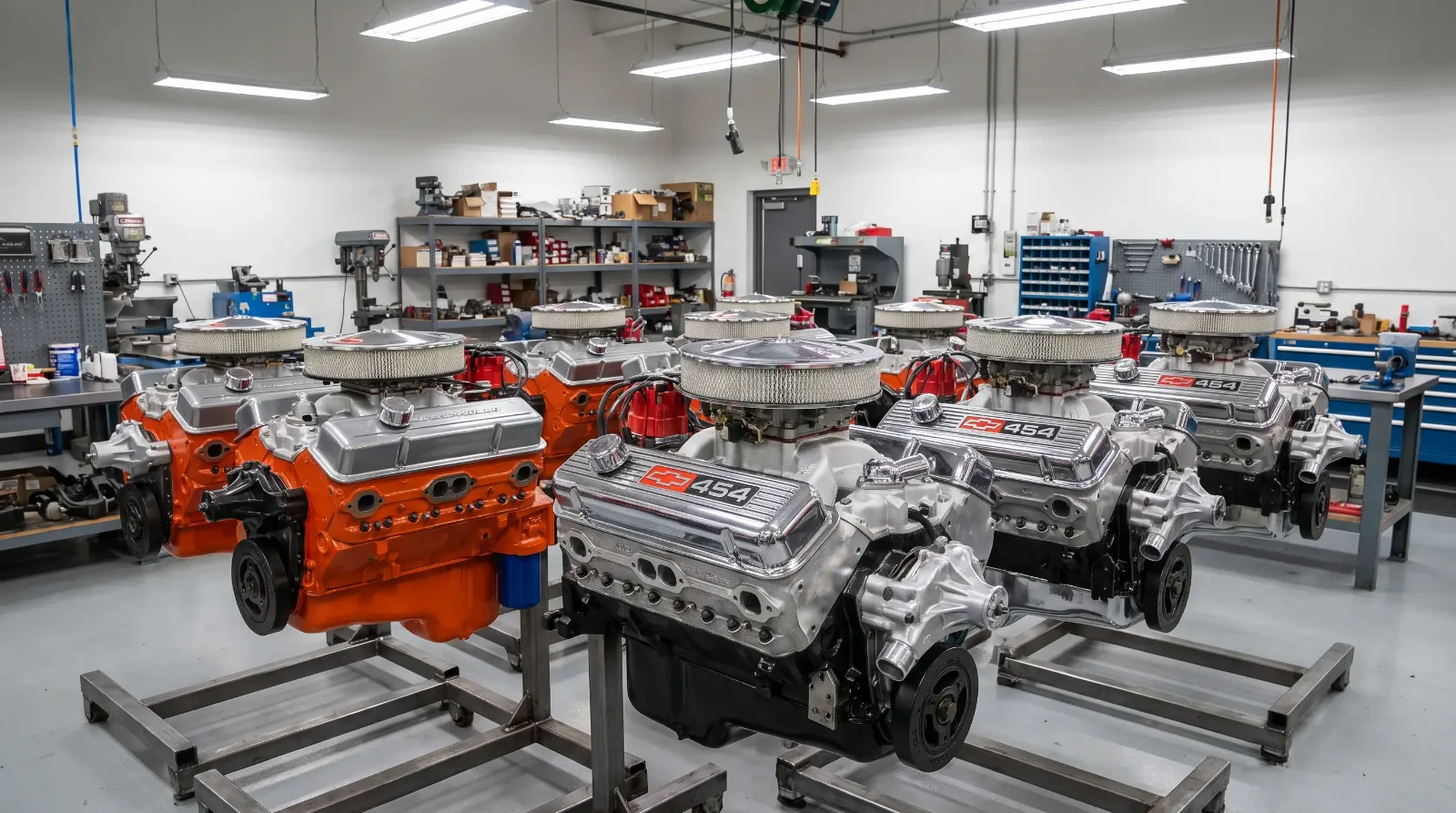
The horsepower story is also factually accurate, even if the interpretation needs adjustment. The 1970 LT-1 small-block produced 370 horsepower. By 1975, the base L48 was rated at 165. That is a real decline, and period accounts suggest plenty of buyers noticed it. The C3 malaise era horsepower slide did not happen overnight, but the trajectory was unmistakable. The 454 big-block, which had defined the car's performance ceiling, disappeared after 1974. The 1975 model lost its dual exhaust entirely. These were not cosmetic changes.
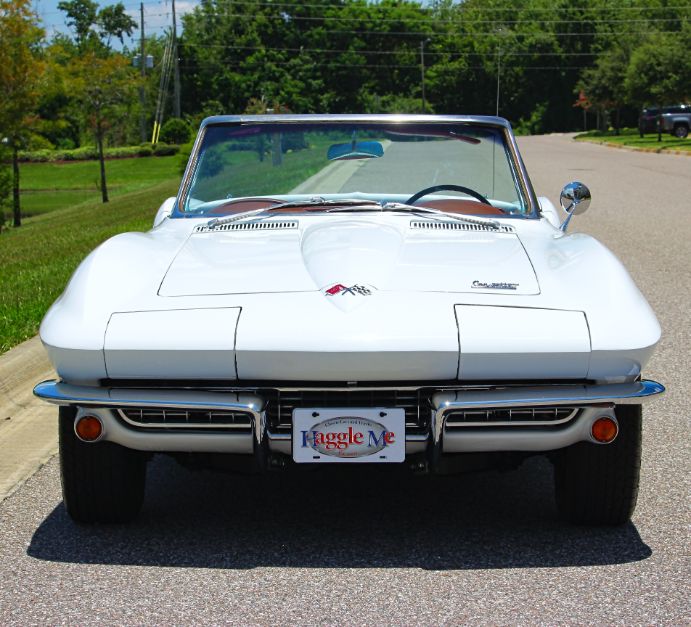
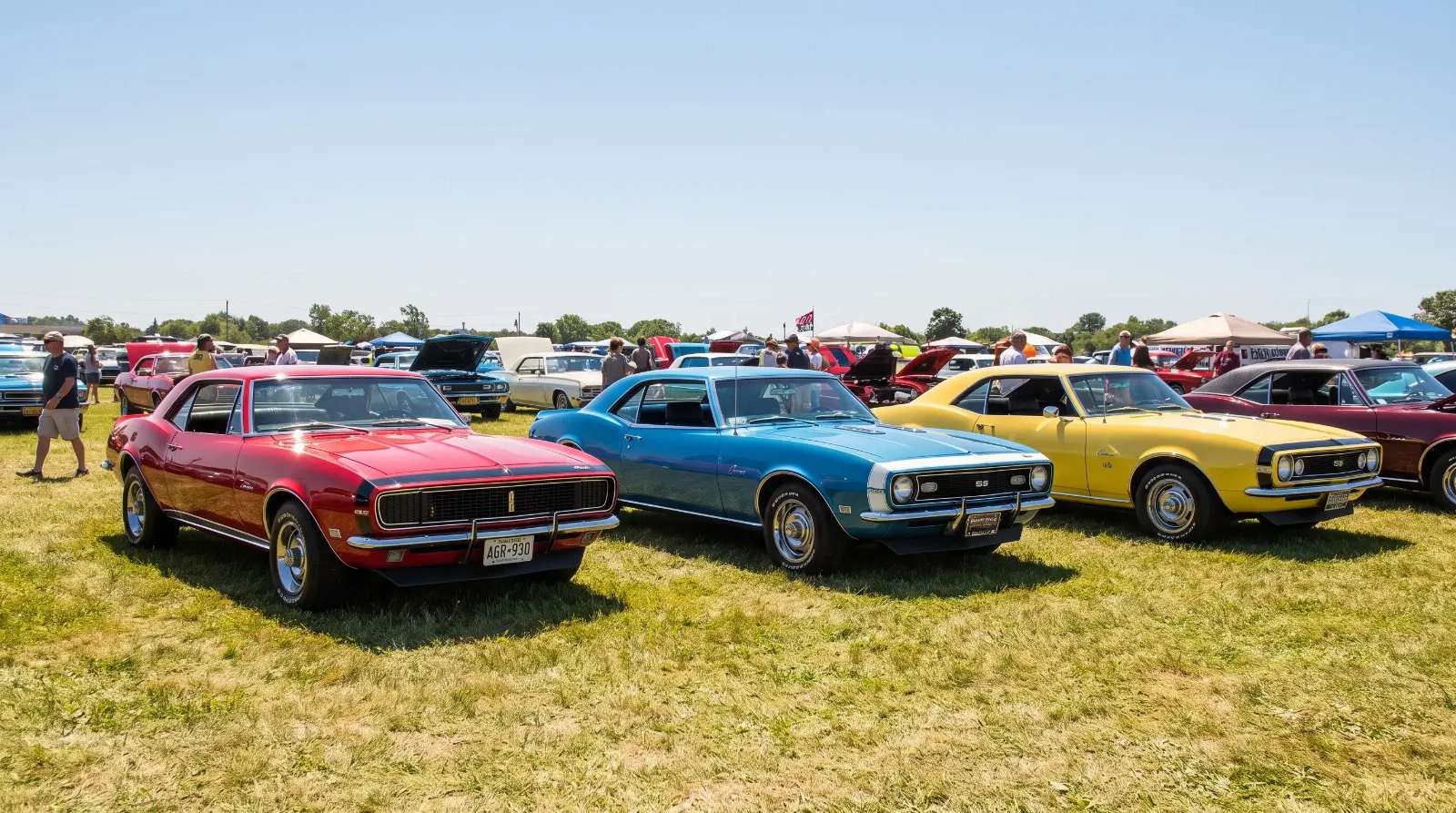
The rubber bumpers are a legitimate grievance. The 1973 front and 1974 rear urethane bumpers were imposed by federal 5-mph impact standards, and they changed the car's visual character in ways the original design did not anticipate. The 1968-to-1972 chrome bumper cars have always commanded premiums in the collector market, and that premium reflects something real about the design's integrity in its original form.
From 1975 through 1982, the car shed performance incrementally and never recovered it. The California emissions versions were slower still. By 1980, the base engine made 190 horsepower in a car that had once offered 435. No one defending the C3 should pretend otherwise.
The defense, which is stronger than it looks
Here is what the critics' comparison consistently omits: every other American manufacturer had already quit.
By 1975, Ford had killed the Mustang's Boss variants and was building a Mustang II based on the Pinto platform. Pontiac's GTO was gone. The Dodge Challenger and Plymouth Barracuda had both been discontinued. AMC's Javelin lasted through 1974. The cars that had defined the American performance market in 1970 were, five years later, either gone or unrecognizable.
The Corvette survived. It survived with reduced performance, but it survived as a genuine sports car with a V8, rear-wheel drive, and a chassis that still rewarded drivers who knew what to do with it. In a market where the definition of "performance car" had contracted to almost nothing, the C3 remained the fastest production car you could buy from an American manufacturer through most of the decade. Period road tests consistently confirmed this, even as they noted the horsepower losses. The competition had not slowed down; it had simply ceased to exist.
The LT-1 years of 1970 and 1971 also deserve more credit than the malaise narrative typically allows. A 1970 LT-1 coupe was a world-class performance car by any contemporary standard, and the LT-1 small-block in the 1970 Corvette remains one of the most technically accomplished engines Chevrolet built in the classic era. The 1971 LS6 454 raised the ceiling further still. These were not transitional compromises; they were the product of a serious engineering effort, and the LS6 454 Corvette of 1971 sits among the fastest American production cars ever built to that point.
The design, which the C3's critics tend to praise before pivoting to the performance critique, has aged in an interesting way. The Mako Shark design language that shaped the C3 was the work of Bill Mitchell's team at a moment when GM design was operating at genuine creative confidence. The long hood, the tunneled cockpit, the hip-hugging body sides: these were not fashionable affectations. They were a coherent visual argument, and they read better in 2026 than much of what surrounded them in 1968.
"The C3 is the car that kept the Corvette nameplate alive through conditions that killed everything else. That's not nothing. That's most of the story."
— Tom Ramirez
Fifteen years, which is the point
The C3 ran from 1968 through 1982, as explored in depth in the history of the C3's remarkable 15-year production run. No other Corvette generation has come close. The C1 ran nine years. The C2 ran five. The C4, which replaced the C3 in 1984, ran twelve.
Fifteen years is not inertia. It is a product of Chevrolet's sustained commitment to the car through the years when that commitment was most expensive. The C3 required continuous engineering revision to meet emissions standards that tightened every two or three years. The chassis needed updates to accommodate catalytic converters and new bumper standards. The interior was revised multiple times. These were not the actions of a manufacturer that had given up on a product; they were the actions of a manufacturer that had decided, at some cost, to keep the car in production.
The deeper story of the C3 Corvette's full history from Mako Shark to final edition is not about decline. It is about a car that found itself in an impossible regulatory and economic environment and chose survival over either transformation or cancellation. The choice had costs, and those costs are visible in the performance numbers from 1975 through 1982. But the alternative was no Corvette at all, which is what several other sports car segments produced in the same period.
The fair verdict
The C3 Corvette's reputation as a car that "lost its way" rests on comparing the best version of one era to the constrained version of another. That comparison is not wrong, exactly, but it is incomplete. The right comparison is between the C3 and its contemporary alternatives, American and otherwise. Measured that way, the car held up better than the reputation suggests.
The 1968 quality problems were real and documented. The horsepower decline was real and significant. The rubber bumpers changed the design's character. From 1975 onward, the car was a shadow of what it had been five years earlier in outright performance terms. These things are all true.
What is also true is that the C3 produced two of the greatest American performance engines ever offered in a production car. That it survived a decade in which the entire American sports car segment effectively ceased to exist. That its design has outlasted most of what competed with it. And that when the story of the American sports car is told accurately, the C3 is the chapter that kept the story going when it had every reason to end.
Historians who look at the C3 as a failure are looking at the wrong question. The right question is not "how did the C3 fall short of its 1970 peak?" The right question is "how did the Corvette survive the 1970s when nothing else did?" The answer to the second question is: it was the C3 that did it. The car that gets criticized for its 1978 spec sheet is the same car that kept the Corvette in production for the engineers who would eventually build the C4 and the C5. That continuity has a cost, and the C3 paid it. The reputation it carries should account for that.
Sources and notes
- National Corvette Museum — Corvette History — institutional record of production history and significant variants across all Corvette generations
- National Corvette Restorers Society (NCRS) — primary source for factory documentation standards, tank sticker records, and authentication protocols for C3-era cars
- Hemmings Motor News — 1968 Corvette buyers guide — period and retrospective coverage of the C3 launch and early production quality issues
- Hagerty — 1970 Corvette LT-1 profile — valuation context and historical performance data for the LT-1 years
- Road & Track — Corvette history overview — period road test references and retrospective analysis of the C3 across its production run