A Number That Lied — and the Truth Beneath It
In 1970, the Corvette's top engine — the LS6 454 cubic-inch big-block — was rated at 460 horsepower. By 1975, the base small-block produced 165. On paper, the car had been gutted. In showrooms, in magazines, and in the cultural memory that calcified around this period, those numbers became the central evidence of an era defined by failure: the malaise era, a decade when American automakers allegedly surrendered performance to regulators and insurance actuaries.
The truth is more complicated, and more interesting, than the numbers suggest. Some of the horsepower collapse was real. Some was accounting. And the engineers who kept the Corvette alive through the 1970s were working against constraints that would have killed a lesser machine entirely. The fact that a Corvette still existed in 1980 — still the fastest American production car available — is itself a kind of achievement the simple narrative obscures.
1971: The Compression Decision GM Made Before Anyone Forced Them
The federal Clean Air Act of 1970 set emission standards that would phase in through the decade. One consequence, understood immediately by engineers, was that the industry would need to transition from leaded to unleaded fuel — lead functioned as a lubricant and octane booster, and catalytic converters, the most practical emissions control technology, were poisoned by it.
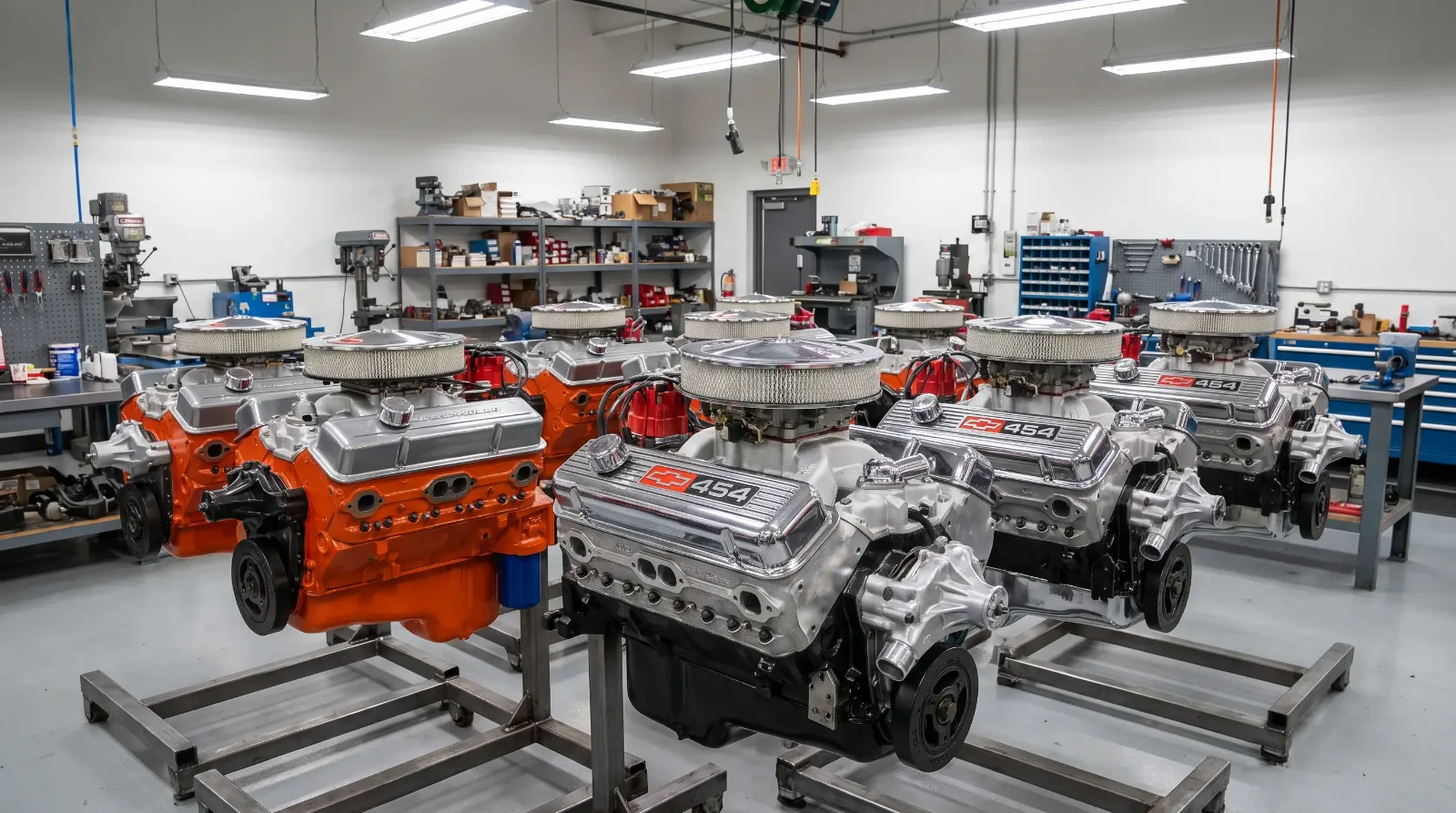
General Motors read the writing on the wall and moved early. For the 1971 model year, GM voluntarily reduced compression ratios across its entire engine lineup so that cars could run on regular fuel — anticipating the unleaded transition before it was legally required. The Corvette's engines followed. The 454 LT1 dropped from 11:1 compression to 8.5:1. Horsepower ratings fell accordingly, but this was a planned, proactive decision by GM engineers, not a regulatory ambush.
What happened next compounded the apparent damage dramatically.
1972: The Rating Change That Made Everything Look Worse
Beginning with the 1972 model year, the American automotive industry switched from SAE gross horsepower ratings to SAE net ratings. The difference was fundamental: gross horsepower was measured with the engine stripped of accessories — no alternator, no air filter, no exhaust restrictions — on an open test stand. Net horsepower measured the engine as it actually sat in a car, driving its own accessories, breathing through its production intake and exhaust system.
Net ratings were more honest. They were also dramatically lower — typically 20 to 30 percent below gross figures for the same engine. The Corvette's base 350 small-block, rated at 270 gross horsepower in 1971, became 200 net horsepower in 1972. The engine had not changed. The measurement had.
"The net horsepower figures gave buyers a better sense of what the engine actually produced in the car. But without context, the year-over-year comparison looked catastrophic. Magazines started printing both numbers, but the damage to public perception was done."
— Period analysis from Car and Driver, 1972 model year coverage
This matters because many popular accounts of the malaise era treat the entire horsepower decline as a single coherent story of performance destruction. In reality, the 1972 rating change alone accounts for a substantial portion of the apparent collapse — and it reflected increased measurement accuracy, not reduced engine output. For a deeper look at what the pre-malaise engines were capable of, the LS6 454 Corvette story captures the peak before the transition.
1975: The Catalytic Converter and What It Cost
If the compression reduction and rating switch were the first two acts, the catalytic converter was the third. Federal emissions standards required dramatic reductions in hydrocarbons, carbon monoxide, and nitrogen oxides. For 1975, GM fitted catalytic converters to virtually its entire lineup, including the Corvette. The catalytic converter was effective at cleaning exhaust — but it was incompatible with leaded fuel, demanded lower operating temperatures, and required engine tuning that further compromised output.
The 1975 Corvette's base L48 350 produced 165 horsepower net. This was genuinely reduced from the 190 net the same displacement engine made in 1973. The converter era had real costs in both performance and refinement. Early catalytic systems could run hot, were sensitive to rich mixtures, and constrained ignition timing in ways that engineers found frustrating.
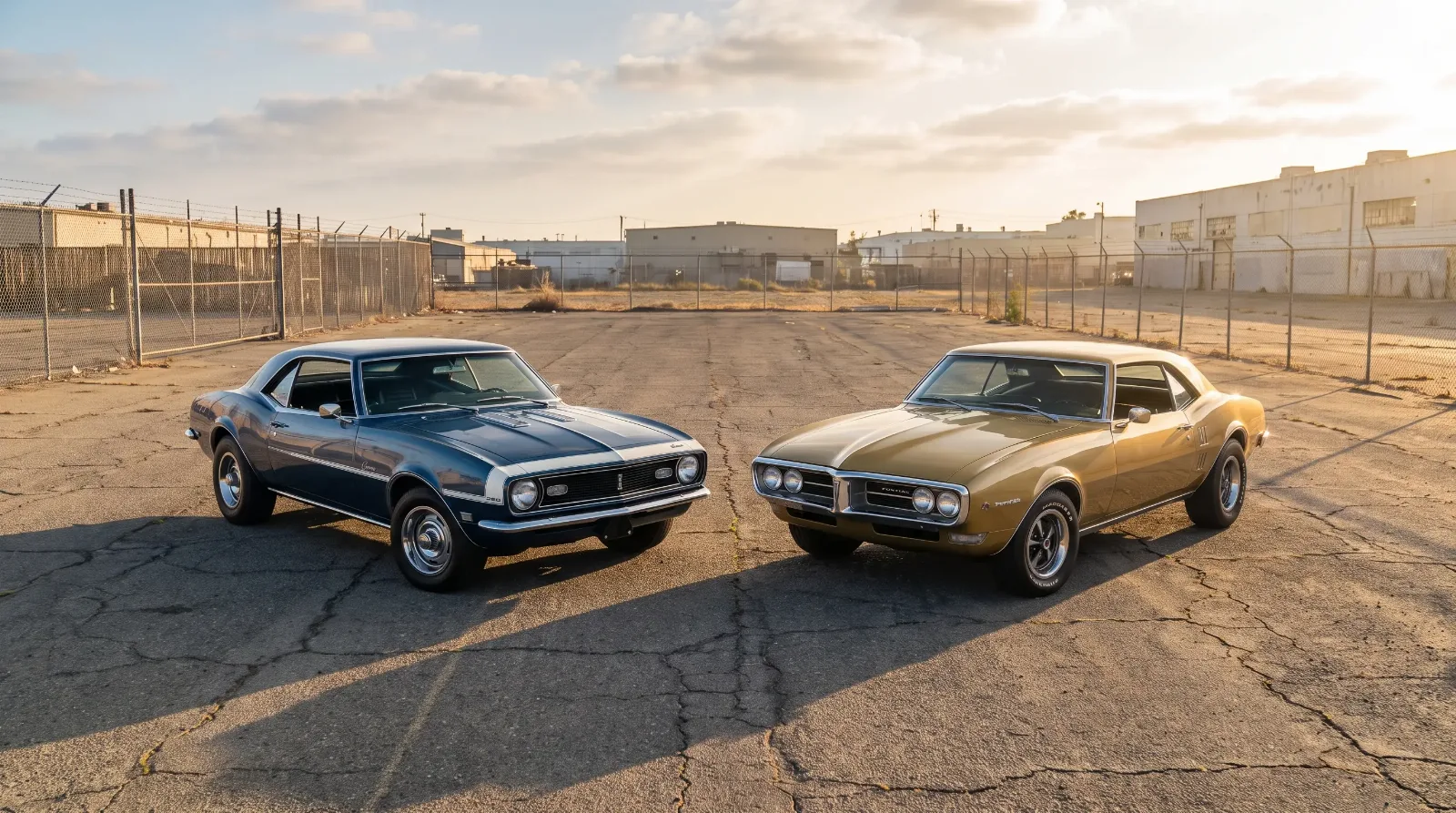
What the 1975 Corvette gained was cleaner exhaust, the ability to run on unleaded fuel at any station in the country, and survival. Other performance cars were not so fortunate. The Pontiac GTO was cancelled after 1974. The Plymouth Barracuda disappeared in 1974. The Dodge Challenger limped into 1974 and then vanished as a genuine performance car. Ford's Mustang retreated to a Pinto platform. The Corvette kept going.
The Cars That Actually Existed
Period road tests are a useful corrective to retrospective narratives. A 1975 Corvette tested by Car and Driver reached 60 mph in 7.7 seconds and ran the quarter mile in 15.8 seconds. These are not exciting numbers by the standards of 1969 — but they were the fastest figures available from any American production car that year. The Corvette remained the benchmark even during its weakest period, because everything else had fallen further.
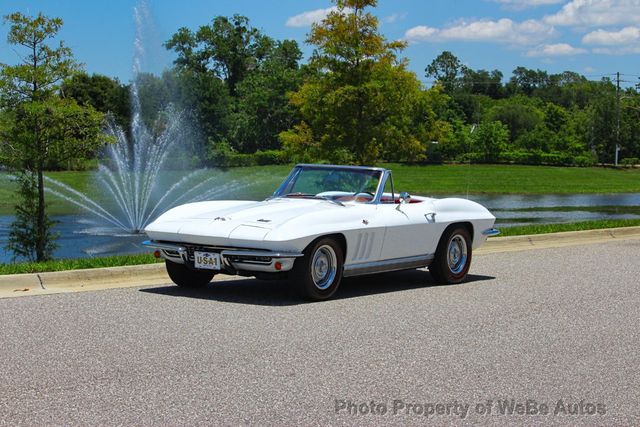
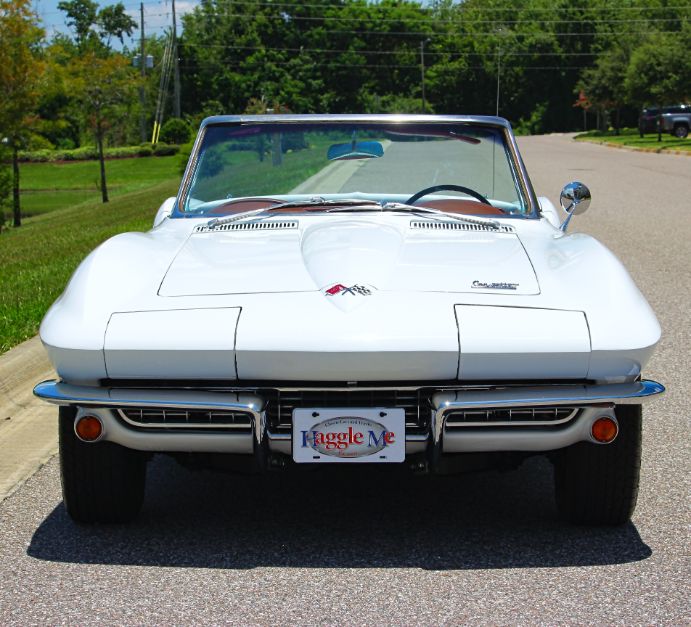
The full C3 era encompasses this span as part of a longer story, and the contrast between 1969 and 1975 is real. But context matters. A stock 1969 Corvette with the base 300-horsepower engine ran the quarter mile in roughly 15.5 seconds — barely quicker than the malaise-era car. The performance catastrophe was concentrated in the high-output options, which disappeared, not in the baseline car, which was slower but not by the margin the horsepower numbers suggested.
The LT1 small-block story of 1970 illuminates how good the high-output options had been — and makes the absence of comparable options after 1972 more legible as a loss. The 1971 model year represented the last gasp of that era before the transition took hold.
What "Malaise Era" Gets Right — and What It Misses
The malaise label is not wrong. Compression ratios fell. Horsepower fell. Emissions equipment added weight, complexity, and maintenance demands. The driving experience of a 1977 Corvette was objectively different from a 1969 model, and not entirely in ways that pleased enthusiasts. The cars were heavier, quieter, more compliant — increasingly oriented toward grand touring rather than performance.
What the label misses is the institutional accomplishment of keeping the Corvette in production at all. Zora Arkus-Duntov, the engineer most associated with the Corvette's performance identity, retired in 1975. His successor, Dave McLellan, inherited a car being squeezed by regulations, fuel crises, and cost pressures. McLellan kept the Corvette moving toward what would become the C4 — a genuinely modern sports car — without letting the marque collapse into irrelevance.
The engineers of the malaise era were not failing to do what the engineers of the 1960s had done. They were doing something different: threading the Corvette through a regulatory and cultural environment that destroyed most of its competition, keeping it recognizable, keeping it on sale, and preserving enough of its identity that the performance revival of the 1980s had something to build on.
The Corvette's full lineage runs through this difficult decade without interruption — which is, itself, the argument for reassessing what the malaise engineers actually accomplished.
Sources and notes
- Car and Driver — 1970s Corvette retrospective coverage
- National Corvette Museum — Production and history archives
- EPA — History of Transportation Air Pollution Regulations
- SAE International — J1349 Engine Power Test Standard (net horsepower methodology)
- MotorTrend — The Malaise Era: Performance Cars of the 1970s