
Every enthusiast has the same daydream, and it goes like this. You knock on a farmhouse door about a lawnmower, the old man points you toward the back of the property, and there under a collapsing roof and forty years of pigeon mess sits a car nobody remembered was there. The tires are flat. The paint is chalk. And somewhere under the dust is a fender tag that says you just found something rare. It almost never happens. That is exactly why the whole hobby cannot stop thinking about it.
Ownership & Lifestyle
6 min read
Barn-Find Culture and the Thrill of the Hunt
Inside barn find culture: why enthusiasts chase forgotten muscle cars, what an unrestored survivor is really worth, and how to hunt without getting burned.
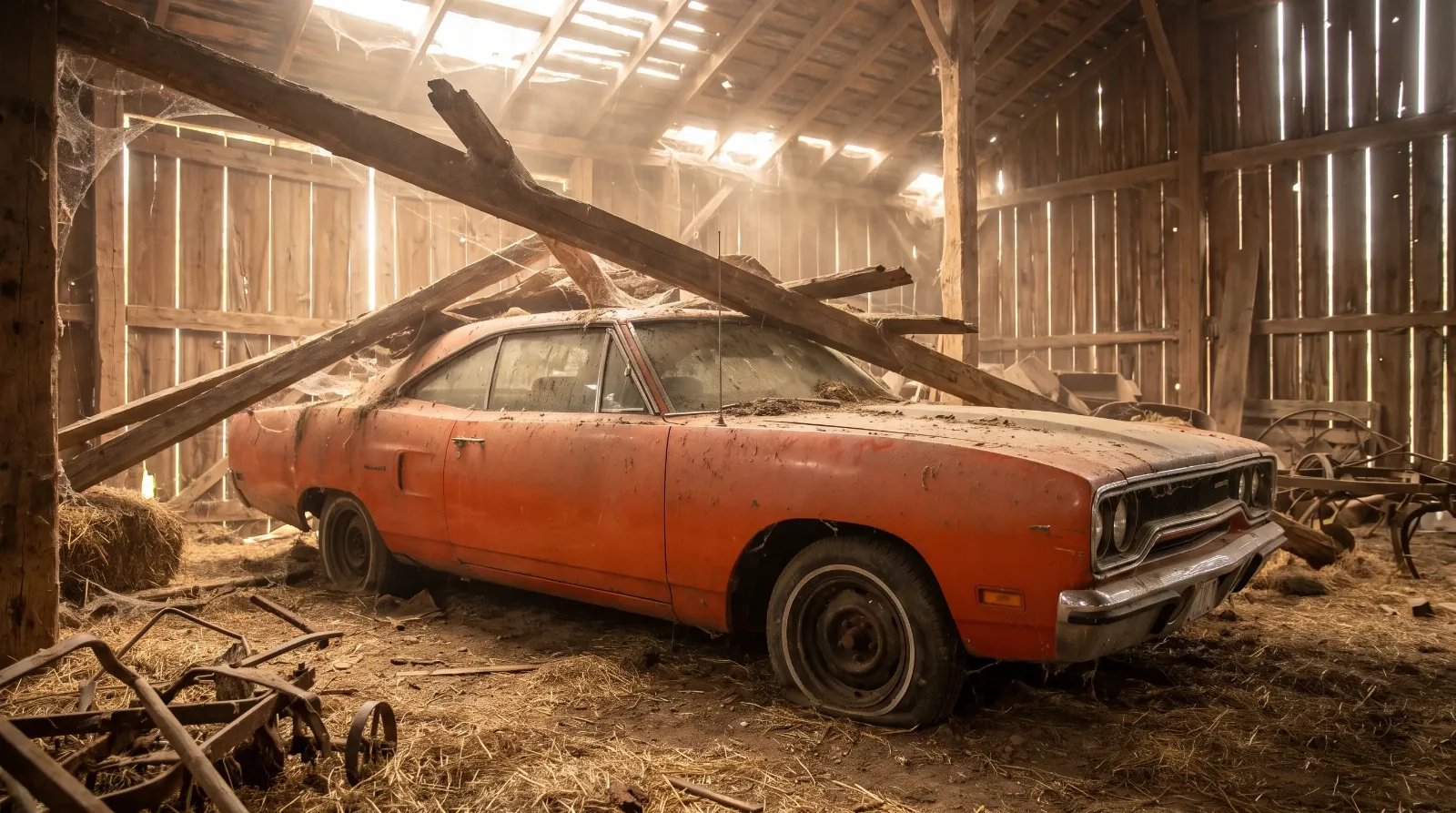
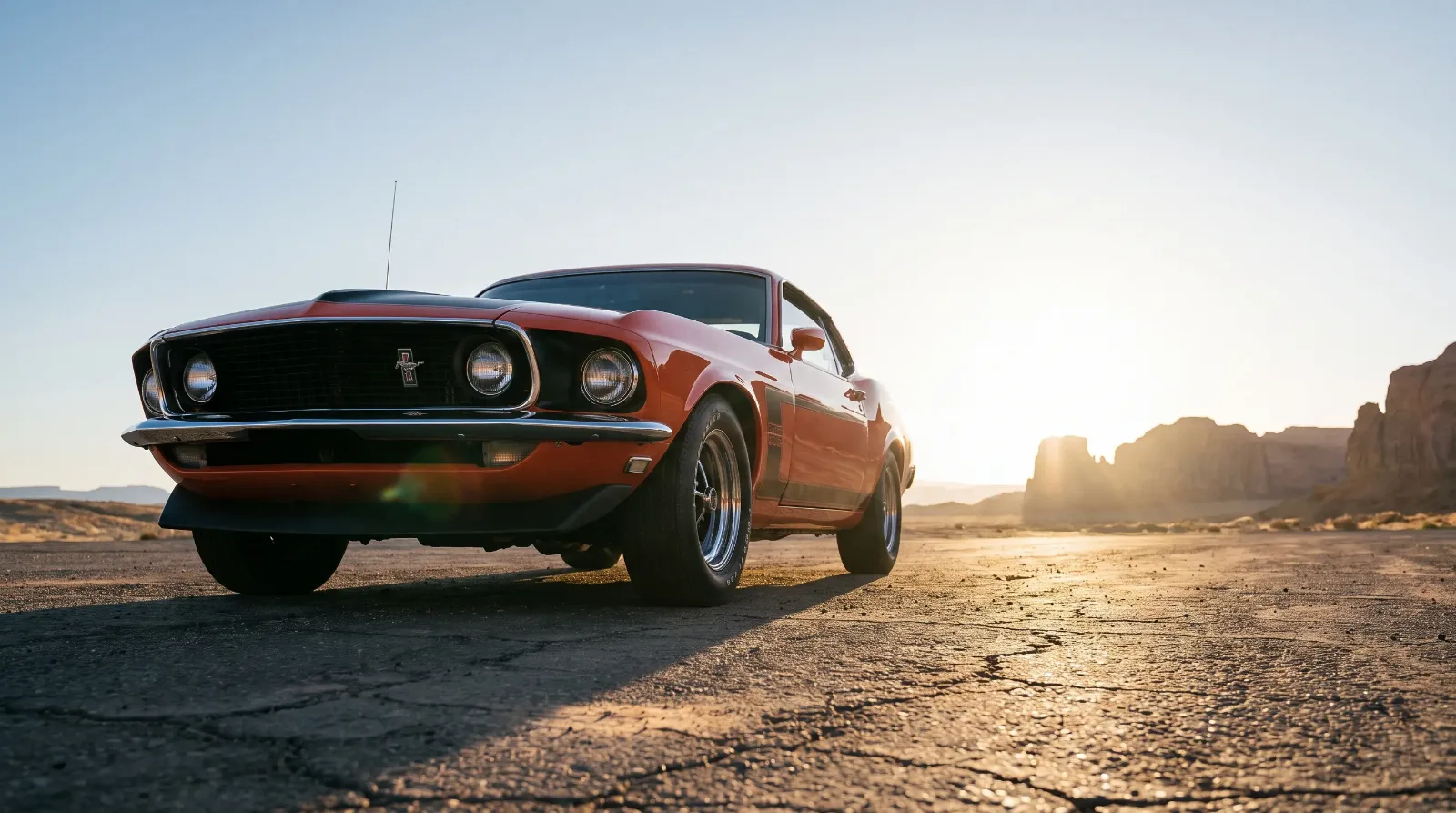
Barn-find culture is the belief, mostly against the evidence, that the great car is still out there waiting. It is a treasure-hunt story the collector world tells itself, and it has grown into its own genre with its own celebrities, its own magazines, and its own economy. For the full picture of how this fits into the wider world of the hobby, the muscle car culture feature lays out where the barn-find obsession sits inside muscle car culture as a whole.
Where the barn-find dream actually comes from
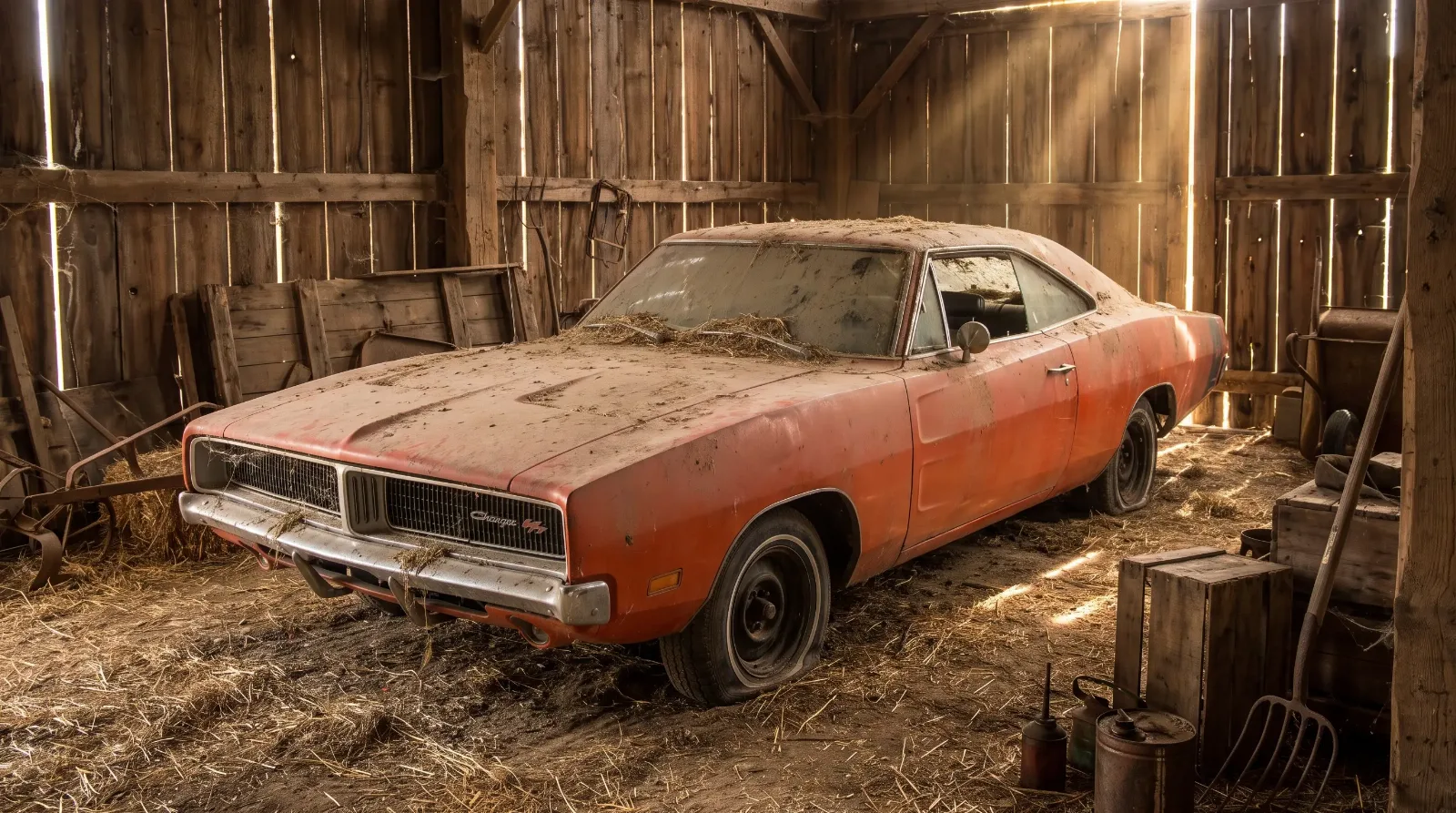
The dream has real roots. Muscle cars were built in enormous numbers and then treated as disposable, which is the exact recipe for lost survivors. A kid buys a Road Runner in 1970, drives it hard for three years, blows the transmission, and pushes it into a barn meaning to fix it someday. Someday never comes. He gets married, the barn gets a new roof, and the car sits under a tarp through four presidents until he dies and his kids find it.
Multiply that by hundreds of thousands of cars and you understand why the dream persists. The cars really were cheap, really were abandoned, and a real percentage of them really did survive by accident in the one condition collectors prize most, which is untouched. An original car that was never restored tells the truth about how it left the factory, and that truth is worth money that a repainted, re-trimmed car simply cannot match.
What a real barn find is worth versus the fantasy
The stories that go viral are the outliers. Somebody drags a genuine documented Hemi car out of a shed and the number makes the news precisely because it is rare. What the headlines skip is the far larger pile of barn finds that are rusted past saving, missing their original engines, or turn out to be ordinary cars whose owners convinced themselves they had a unicorn. The hunt is real. The jackpot is not the usual result.
Here is roughly how the projects sort out once the tarp comes off, and where the money actually goes.
| Project level | What you're really buying | Where the cost hides |
|---|---|---|
| Preservation survivor | Complete, original, runs or nearly runs | Recommissioning fluids, brakes, fuel system; resist the urge to restore it |
| Honest driver project | Solid body, numbers intact, tired everywhere | Interior, brakes, cooling; the long tail of small parts |
| Full restoration | Rust in the floors and frame, engine questions | Metalwork and paint, the two costs that dwarf everything else |
| Parts car reality | Rot beyond economical repair | The heartbreak of realizing the dream car is a donor |
The gap between the top row and the bottom row is where dreams get expensive. A rough-looking survivor can be the best buy on the property, while the shiny-in-the-photos project can be the one that eats a second mortgage in bodywork. Verifying which one you are looking at, in a dark barn, with the owner watching, is the actual skill the whole culture is built around.
How to hunt without getting burned
The romance of the barn find hides a lot of ways to lose money, and the people who do this well approach a discovery with a cold eye even when their heart is pounding.
Once you know what you are looking at, the market is wide open, and you do not have to wait for a farmer's shed to find one. Plenty of honest survivors and driver projects change hands through the same channels as any other collector car, and if the hunt has you itching, you can check out muscle cars for sale and see what is actually on the table right now.
Why the hunt matters more than the find
Strip away the money and the barn find is really about time. These cars are physical proof that a moment existed, and pulling one into the daylight after forty years is a small act of resurrection. That is why the discovery footage travels so far, why people who will never own a muscle car still watch a tarp come off with their breath held. It is not greed. It is the pleasure of watching something written off turn out to have survived.
"The best barn find I ever stood next to wasn't the rarest car in the row. It was the one where the owner's teenage handwriting was still on a fuel receipt tucked in the visor, dated the summer he parked it. You don't restore that. You just try to be worthy of it."
Patrick Walsh
That reverence is the same instinct that put photographers in fields chasing these cars in the first place, framing rust and chrome as something worth remembering. If the way these machines get documented and mythologized interests you, you can read the full story of muscle car photography and the magazine era that turned found cars into legends. The barn is where the dream sleeps. The camera is where it wakes up.
Related Reading
Have a
Classic Car
for Sale?
Reach thousands of serious classic car collectors across the US.
Sell It Here →
Are You a Classic Car Dealer?
List your full inventory and connect with targeted classic car buyers.
Join as a Dealer →

About the author
Patrick Walsh
Automotive journalist covering classic car shows, events, and the enthusiast community across North America.
More in Ownership & Lifestyle
Comments
Be the first to comment on this article.