
Before the internet, before car shows had livestreams, the way you learned about a new muscle car was to walk into a drugstore, spin the wire rack by the door, and hand over your allowance for a magazine. Inside were photographs so good they felt like a promise. A Road Runner shot low against a desert sky. A big-block engine bay lit like a jewelry counter. You read those pages until the staples gave out, and for millions of people that stack of paper was the entire hobby.
Ownership & Lifestyle
6 min read
Muscle Car Photography and the Magazine Era
How muscle car photography and magazines like Hot Rod, Car Craft and Motor Trend built the era's legend, and why the old paper is collectible today.
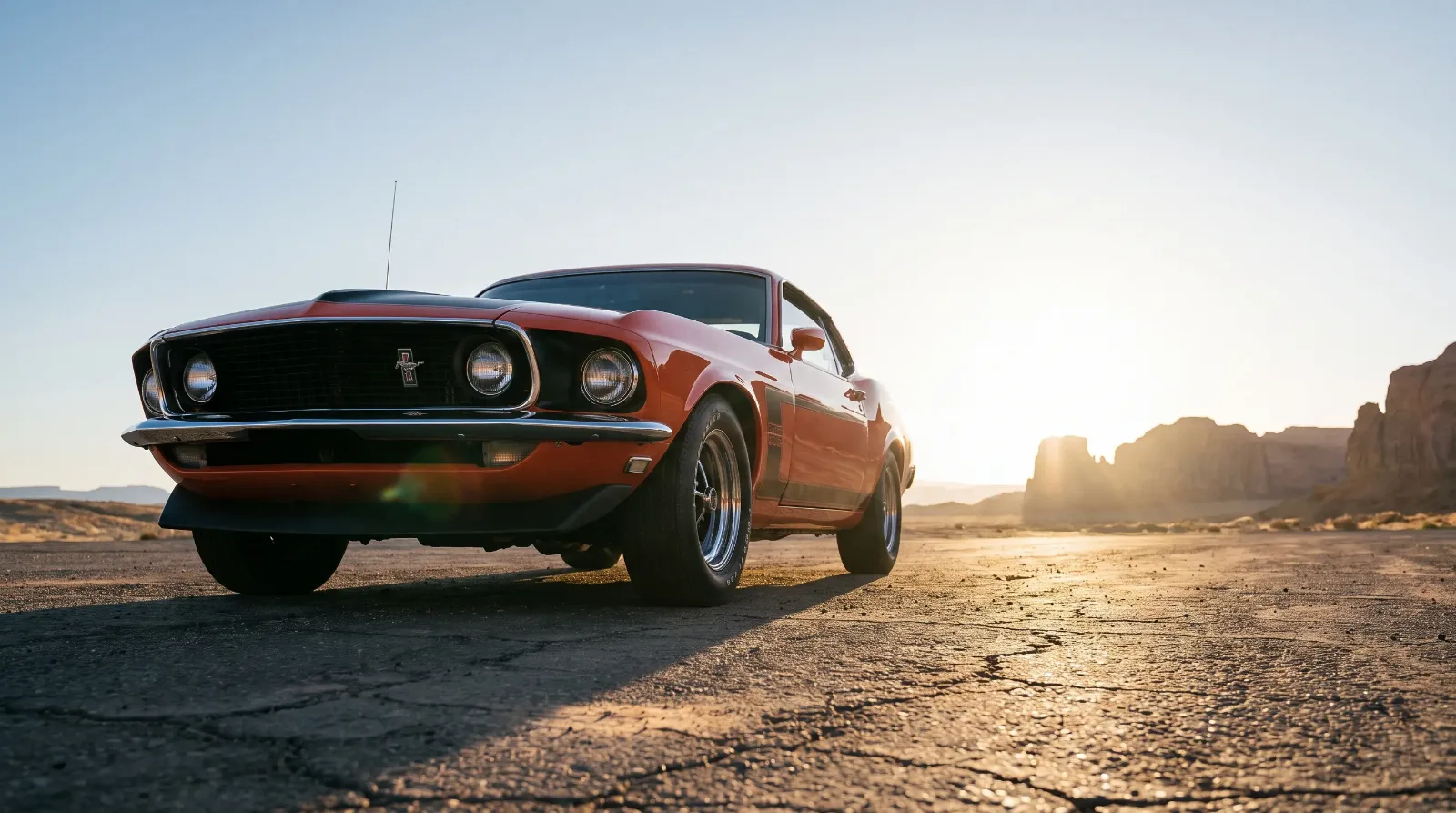
The muscle car era and the golden age of car magazines happened at the same time, and they fed each other. The factories needed a way to reach young buyers, the magazines needed cars that excited young readers, and a small army of photographers turned steel and chrome into desire twelve times a year. That machinery built the visual memory of the whole era. For how it all connects to the rest of the culture, the complete rundown covers the wider story these pages were part of.
The buff books that built the legend
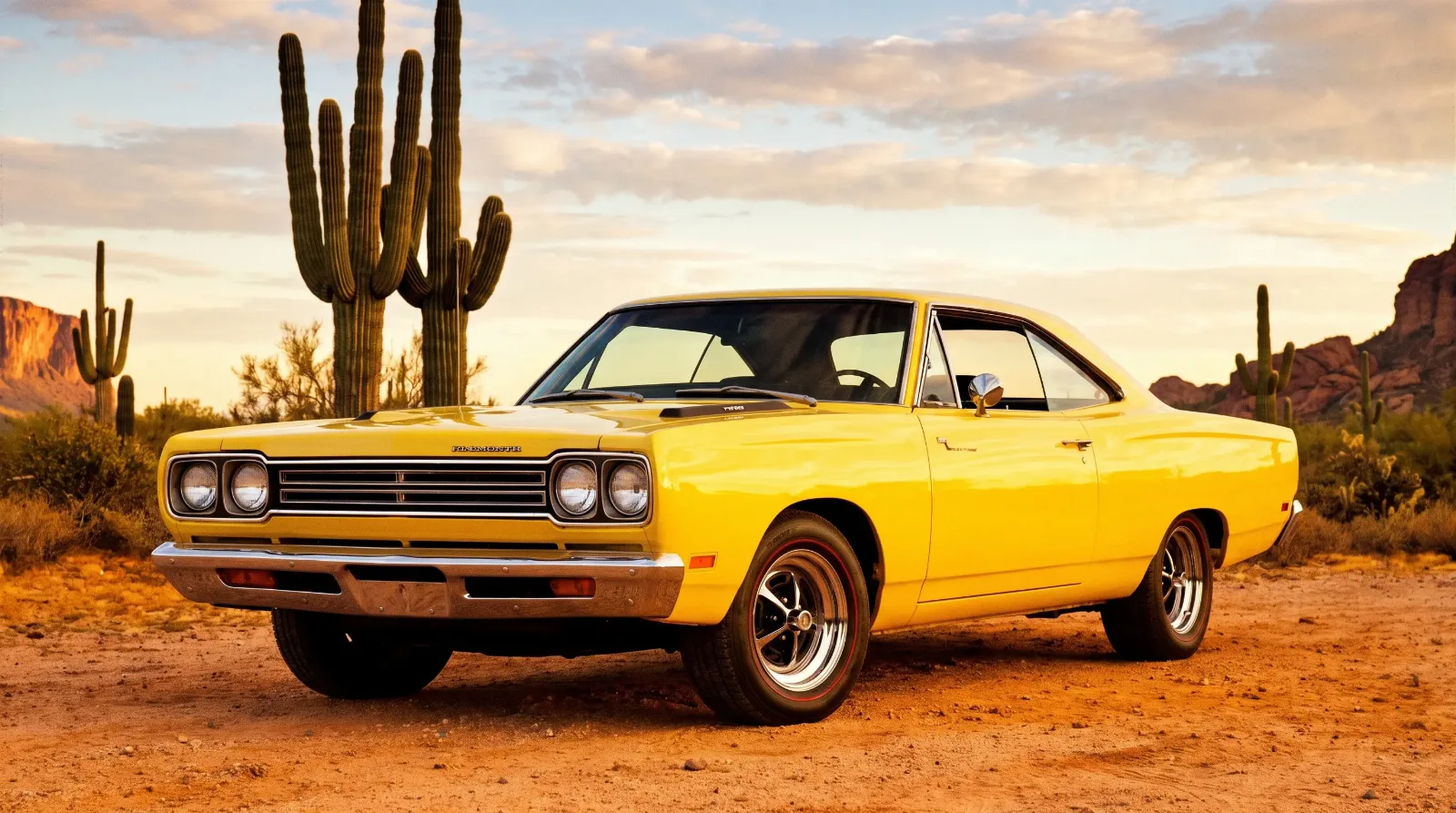
The enthusiast press had a nickname among the people who made it. They called them the buff books, and a handful of titles did most of the work of turning muscle cars into legends. Hot Rod, launched by Robert Petersen's company in January 1948, was the giant, the one that reached beyond hardcore gearheads into ordinary garages. Car Craft chased the younger, wilder end of the hobby. Motor Trend carried more of the mainstream new-car world, and Super Stock spoke straight to the drag racing crowd who cared about elapsed times above everything else.
Each had its own voice and its own reader, and the competition between them pushed everyone to shoot better, test harder, and write with more attitude. A car that got a glowing road test in Hot Rod moved off dealer lots. A car that got embarrassed at the drag strip in print carried that stink for a model year. The magazines had real power over which cars became heroes, which is a big part of why the era's mythology looks the way it does.
| Title | Roughly launched | Who it spoke to |
|---|---|---|
| Hot Rod | 1948 | The broad enthusiast base, from backyard to strip |
| Motor Trend | 1949 | Mainstream new-car buyers and road-test readers |
| Car Craft | 1953 | Younger builders and street-machine fans |
| Super Stock | 1964 | Hardcore drag racers chasing quarter-mile numbers |
How a muscle car actually got photographed
The photography looks effortless on the page, which is the whole point, but almost none of it was. A magazine beauty shot meant getting a heavy car to the right spot at the right hour, usually early morning or late afternoon when the light rakes low and makes the body panels do something. The photographer would drop the camera nearly to the pavement to make the car loom, kill any distracting background, and wait for the sun. One good frame could take a whole morning.
Then there was the working photography, which had its own grammar. The engine bay shot, lit to catch the intake and valve covers, sold the mechanical promise. The drag strip sequence, panning with a car launching hard enough to lift the front wheels, sold the performance. And the road-test images tied it all to a number, because a magazine's credibility lived and died on whether readers trusted its quarter-mile times. The camera made you want the car. The stopwatch told you whether the want was justified.
Why the old photography still holds up
Pull out a well-preserved muscle-era magazine today and the images still land, and there is a reason beyond nostalgia. The photographers were working on film, usually large or medium format for the beauty shots, and that discipline forced patience. You could not fire off two hundred frames and sort it out later. You composed, you metered, you waited for the light, and you made the shot count. The best of those images have a weight to them that a rushed digital snap rarely matches.
There is also the fact that they were photographing the cars new. The paint was fresh, the gaps were factory, the interiors had never been re-dyed. A modern photograph of a restored survivor is a picture of somebody's interpretation of the car. The old magazine shot is a picture of the actual thing, on the actual day, and for a collector trying to get the details right, those pages are a primary source you cannot buy at any restoration shop.
Collecting the paper, not just the cars
All of this has turned the magazines themselves into a collectible, and the market rewards exactly what you would expect. A clean, complete original issue with the road test that mattered, a first appearance of an important car, or a legendary cover shot pulls real money. Reprints and beat-up reading copies do not. The same rules that govern any paper collectible apply here, and condition separates the keepers from the recycling.
"I know guys with immaculate cars in the garage who get more sentimental about a stack of old Hot Rods than the machine itself. The car they can drive. The magazine is the exact moment they first wanted it, frozen on the page. You can't restore that feeling. You can only save the paper it came printed on."
Patrick Walsh
What the magazine photographers really did was teach a country how to look at these cars. The low angle, the raking light, the engine framed like a portrait, those became the visual language everyone still uses, right down to the way films later shot the same machines. If you want to follow that thread onto the big screen, you can read the full story of how muscle cars moved from the magazine page into the movies. The rack by the drugstore door is gone. The way it taught us to see is still everywhere.
Related Reading
Have a
Classic Car
for Sale?
Reach thousands of serious classic car collectors across the US.
Sell It Here →
Are You a Classic Car Dealer?
List your full inventory and connect with targeted classic car buyers.
Join as a Dealer →

About the author
Patrick Walsh
Automotive journalist covering classic car shows, events, and the enthusiast community across North America.
More in Ownership & Lifestyle
Comments (1)
F
Frank DeLuca
1 month ago
Never understood why this model gets overlooked. Equal or better engineering than the cars that get all the coverage, usually at considerably lower cost.