
The first car in the lot was a black GTO, and its owner had been there since six in the morning with a folding chair and a thermos. By the time the sun was up over the fairgrounds, there were forty more cars behind him, and the man in the folding chair knew most of them by their first names and their engine codes both. He told me he had been coming to that show for thirty-one years. He met his wife there. His son learned to drive stick in the parking lot afterward. None of that is in the brochure for the car, and all of it is why the car matters.
Ownership & Lifestyle
9 min read
Muscle Car Culture, Media & Legacy
From Woodward cruise nights to Bullitt and the buff books, here is how muscle car culture, movies, music and magazines built a legacy that still fills the show field.
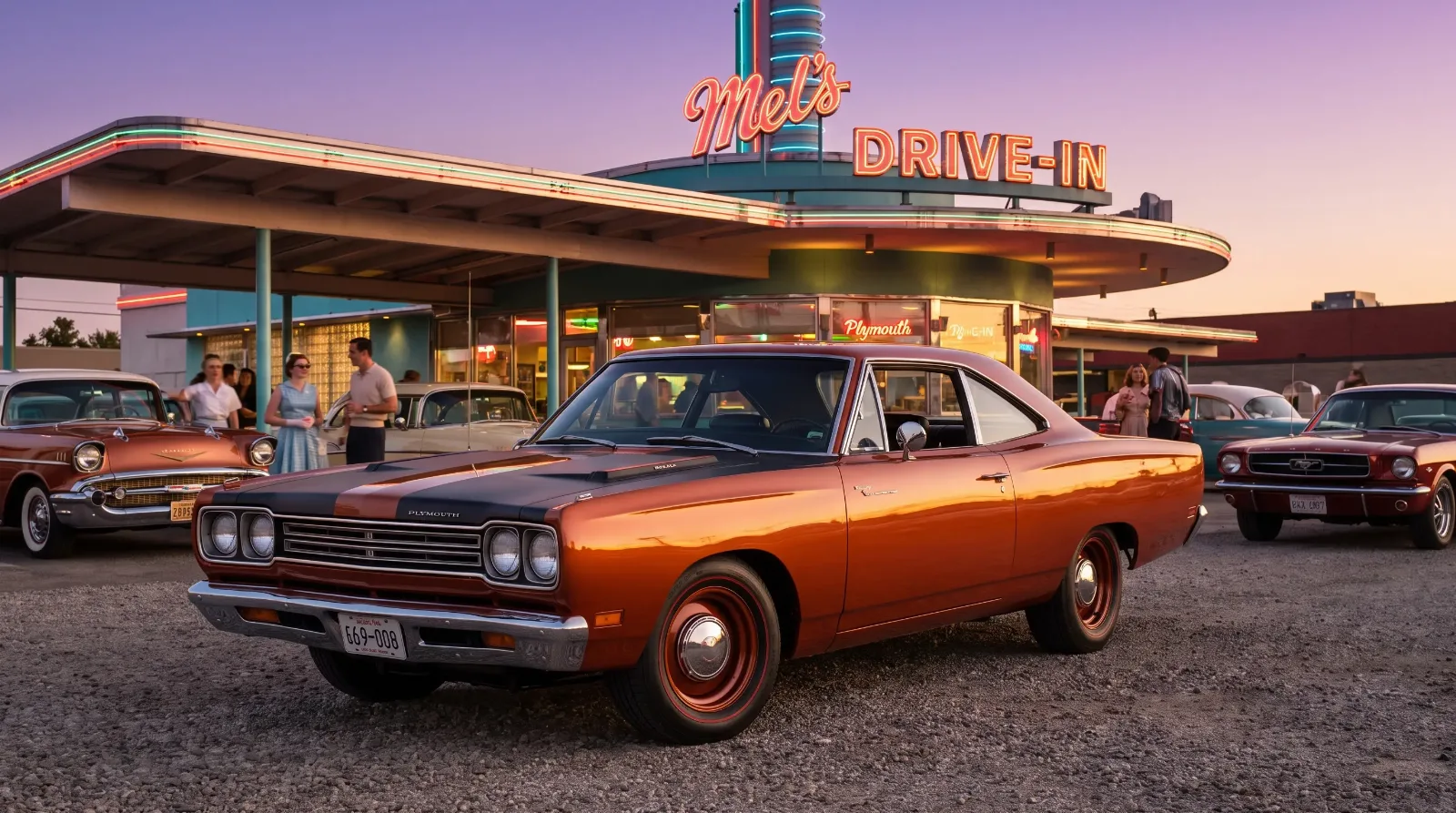
That is the thing people miss about muscle car culture. The horsepower was the excuse. The community was the point. These cars were built for about a decade, sold cheap to young people who wanted to go fast, and then written off as gas-guzzling relics for another decade after that. What kept them alive was not the factories. It was the drive-ins, the magazines, the movies, the guys who never sold the car they bought in high school, and the whole loose national network of people who understood exactly what the person in the next lane was talking about.
The parking lot before the show
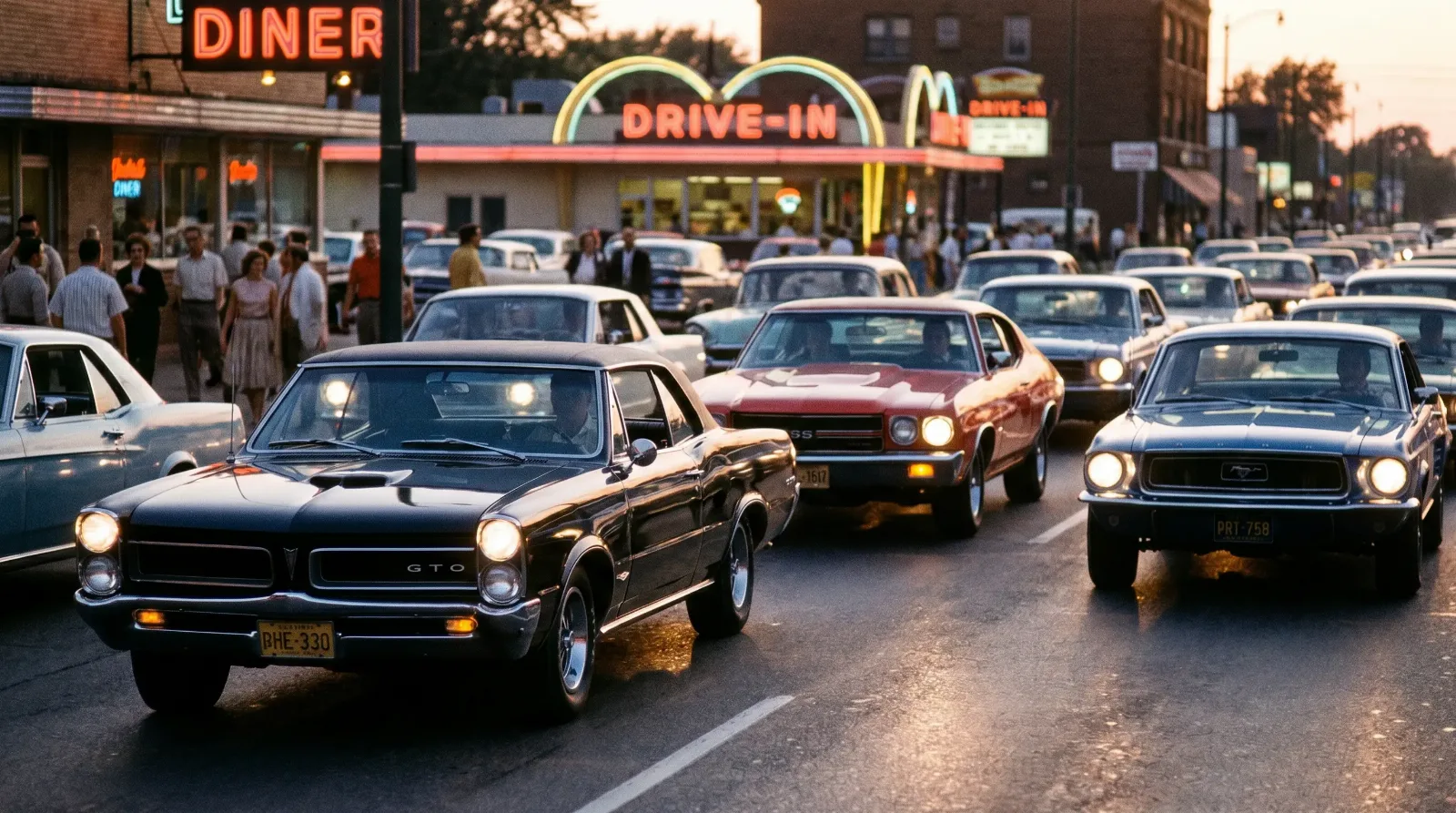
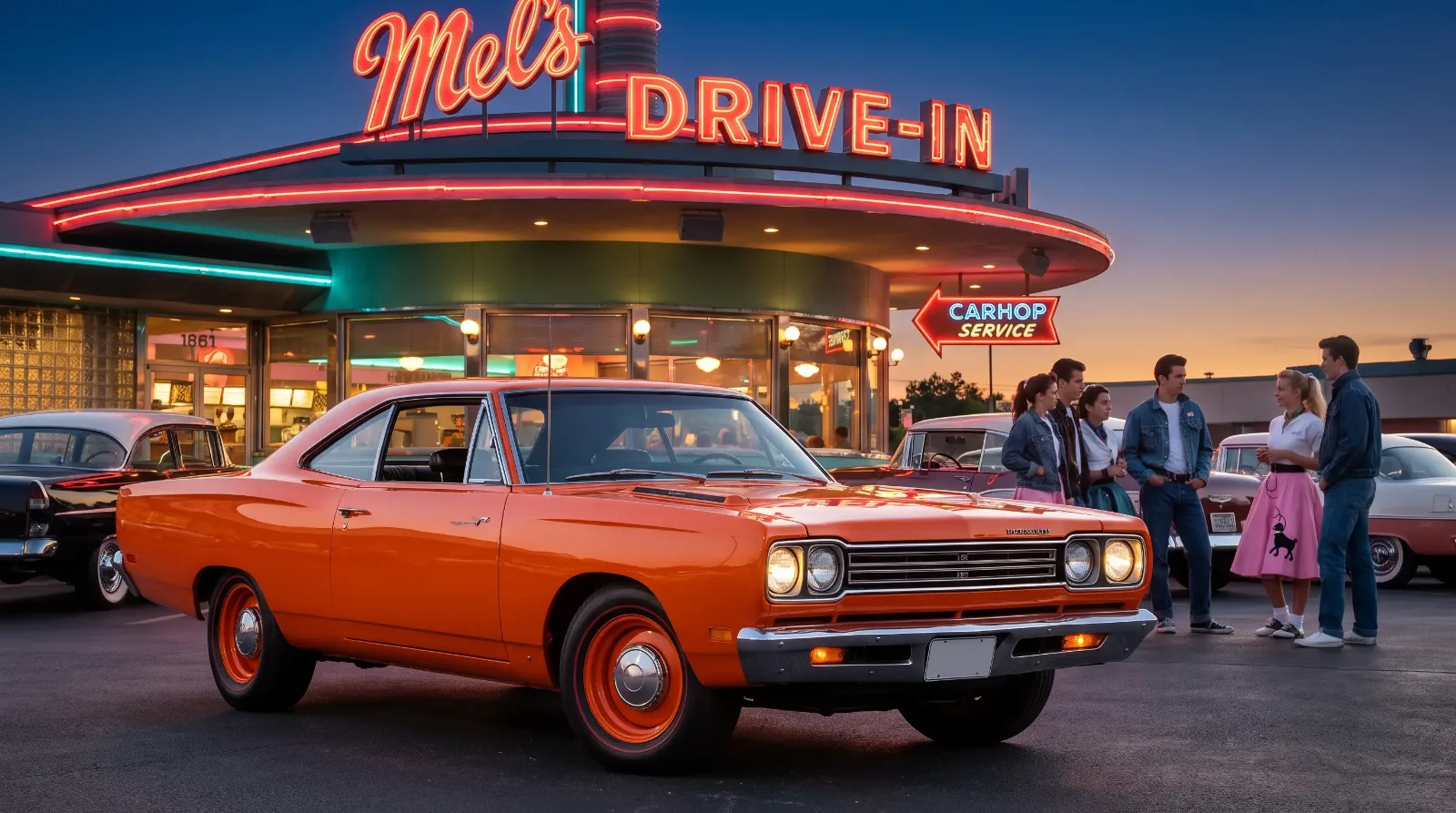
Long before muscle cars were auction stars, they were social currency on Saturday night. In the middle 1960s a kid with a summer job could put a real V8 in his driveway. A base Pontiac GTO stickered for a little over three thousand dollars when it launched in 1964, and a stripped Plymouth Road Runner came in under three grand a few years later. That was the whole business model. Cheap speed for people who could not afford a Corvette. The result was a street culture that ran on cruising, stoplight bragging, and the specific geography of every town's main drag.
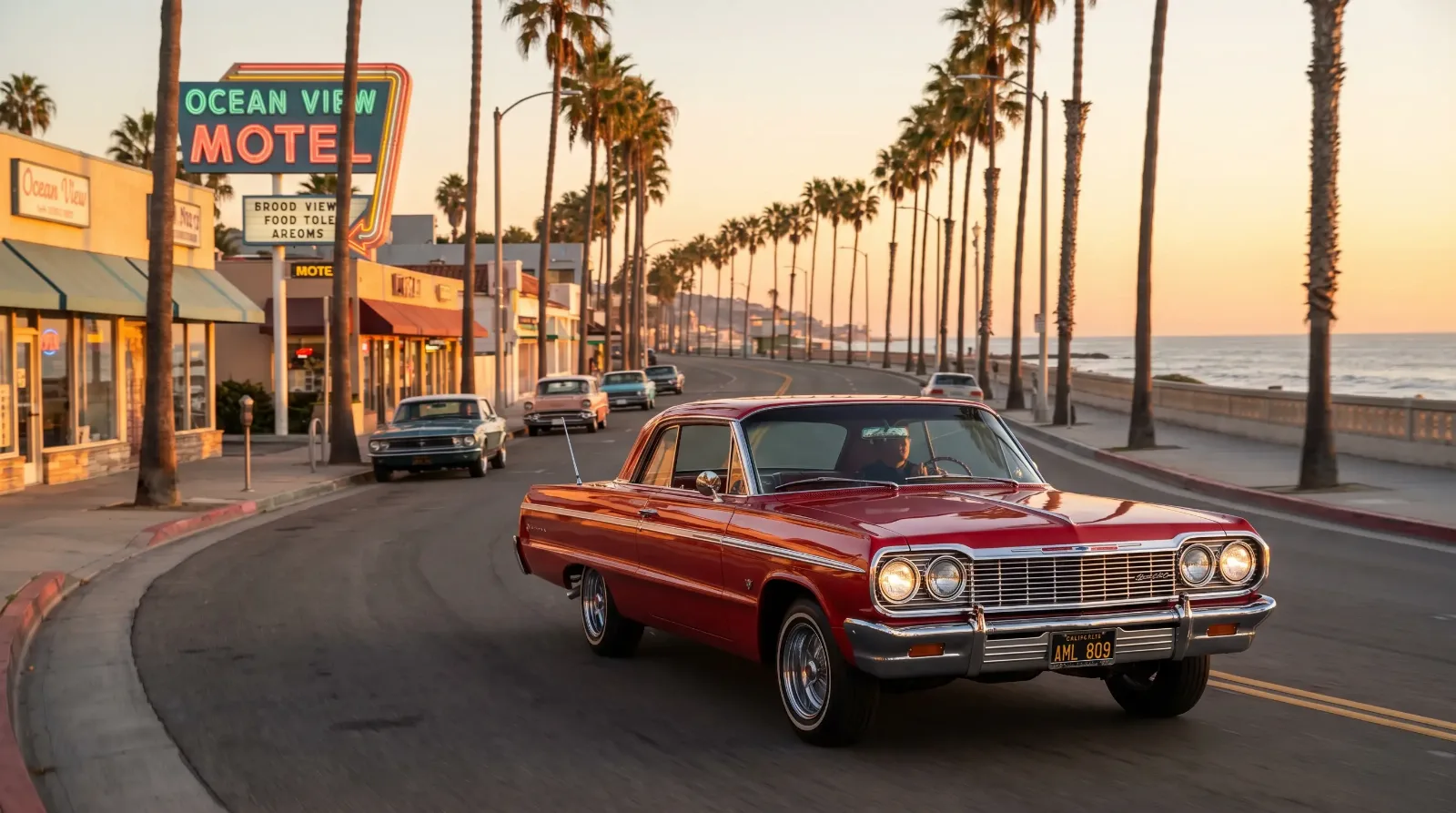
Woodward Avenue outside Detroit became the most famous of these, but every region had one. Van Nuys Boulevard in Los Angeles. Whittier in the east valley. Countless smaller strips where the whole ritual played out the same way: cruise, park, look, race, argue. The cars gave a generation a reason to be somewhere together, and the memory of that is still what fills the fairgrounds every summer. If you want the wider arc of how these machines went from cheap iron to icons, that history is worth reading in full, and you can read the full story of the segment from the beginning.
How muscle cars got into the movies
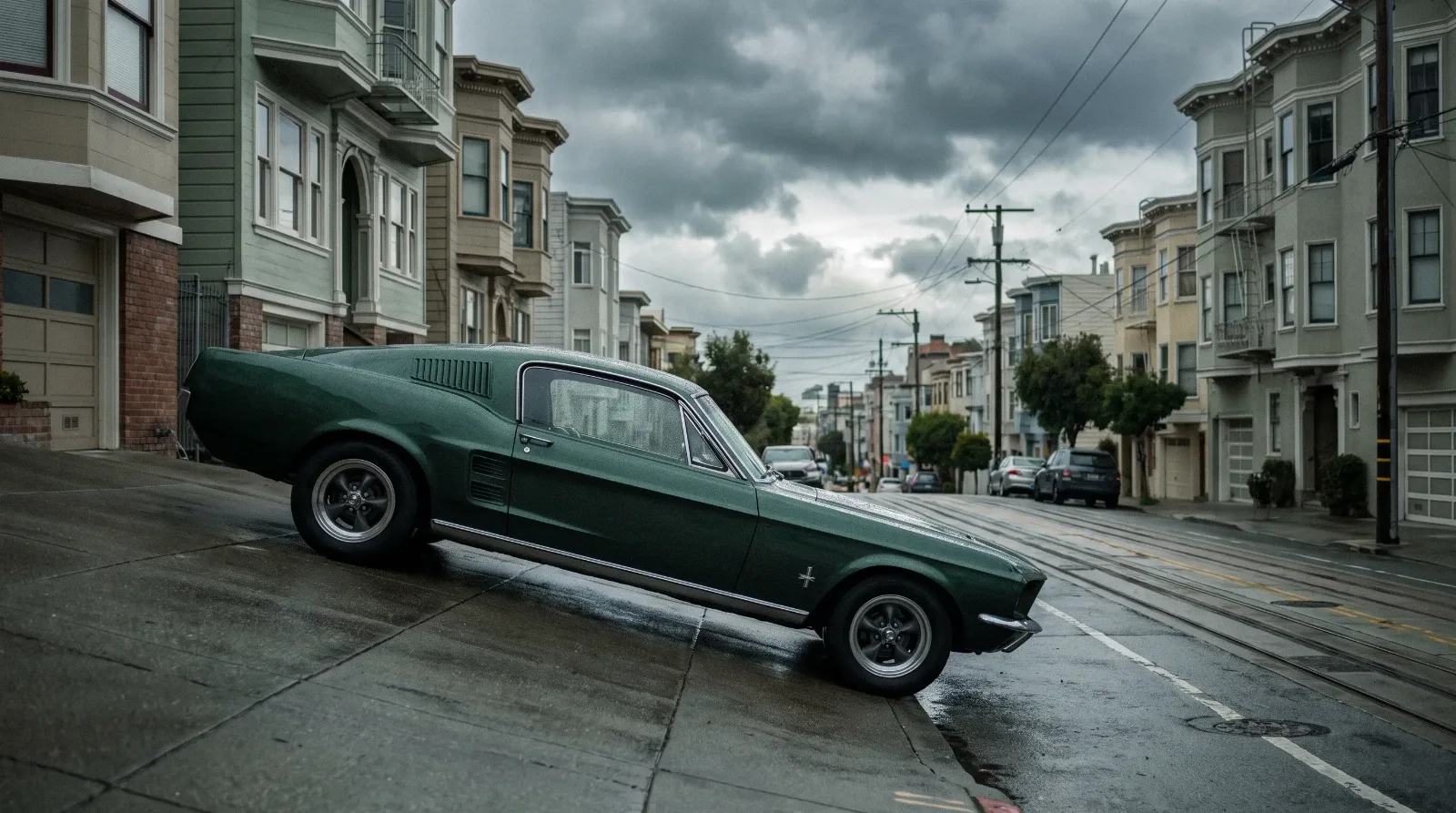
Hollywood figured out early that a loud American car chase sold tickets. The 1968 Mustang chase in Bullitt reset what an audience expected from a car scene, and it did it with almost no music, just two engines working against each other through the hills of San Francisco. After that the muscle car became a character. Vanishing Point put a white 1970 Dodge Challenger R/T on a doomed run across the desert in 1971. Smokey and the Bandit turned a black Pontiac Firebird Trans Am into a folk hero in 1977 and moved a lot of real ones off dealer lots in the process. Gone in 60 Seconds built its whole original 1974 plot around stealing a Mustang the thieves nicknamed Eleanor.
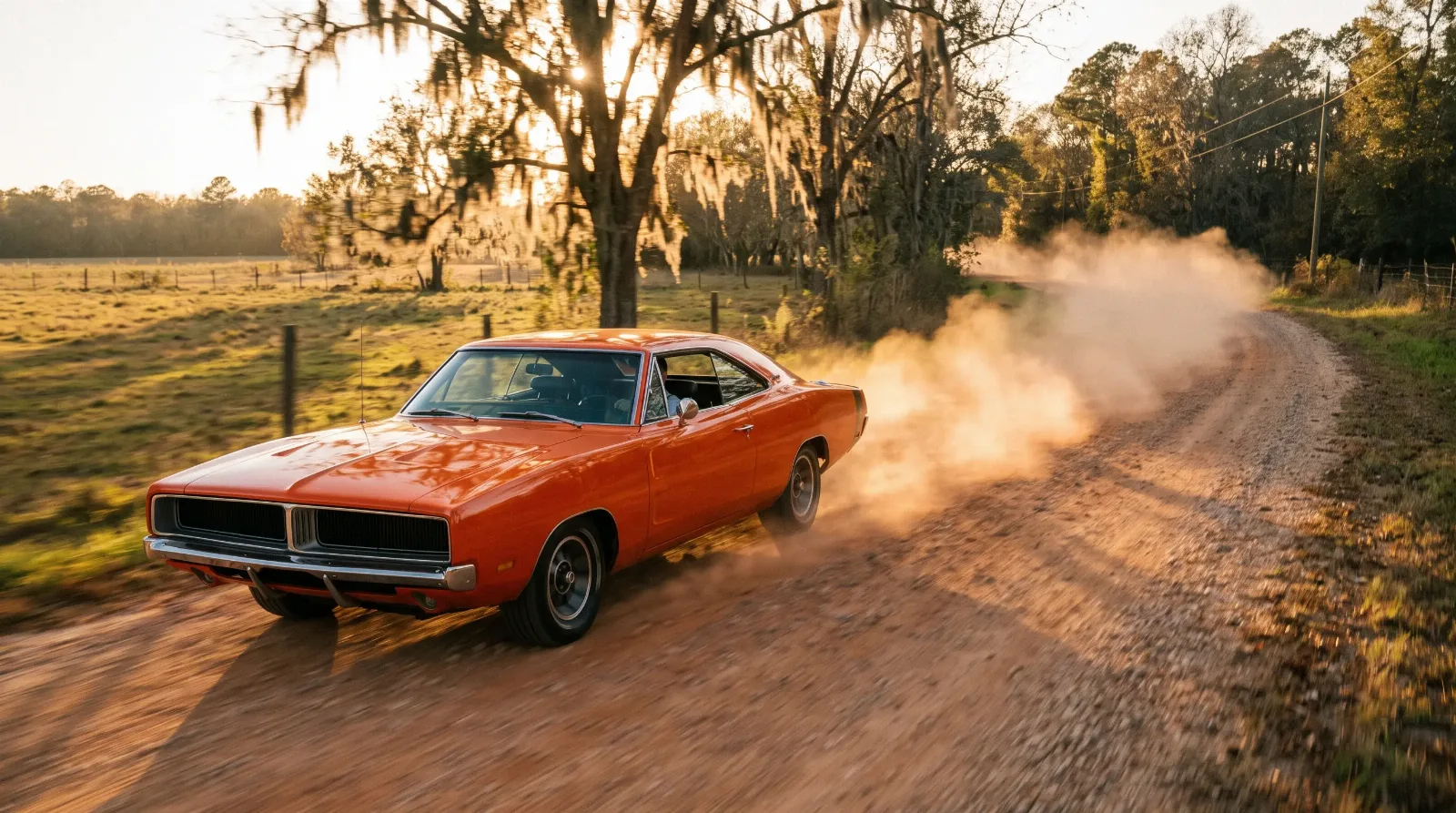
Television did the same work on a smaller screen. A generation of kids who never saw a real Hemi grew up watching an orange 1969 Dodge Charger sail over creek beds every week on The Dukes of Hazzard. The show reportedly went through hundreds of Chargers because the jumps destroyed them, which is its own kind of commentary on how disposable these cars once were. What the screen did, over and over, was attach a feeling to a shape. You did not need to know the engine code to know that the silhouette meant freedom, trouble, or both.
| Car | Screen appearance | Year |
|---|---|---|
| 1968 Ford Mustang GT fastback | Bullitt | 1968 |
| 1970 Dodge Challenger R/T | Vanishing Point | 1971 |
| 1974 Ford Mustang Mach 1 "Eleanor" | Gone in 60 Seconds | 1974 |
| 1977 Pontiac Firebird Trans Am | Smokey and the Bandit | 1977 |
| 1969 Dodge Charger "General Lee" | The Dukes of Hazzard | 1979 |
Music, radio and the sound of the street
The car culture and the music culture grew up together, and they borrowed from each other constantly. The Beach Boys turned a 409 Chevrolet into a hit record in 1962, naming the engine displacement right in the chorus. Ronny and the Daytonas built a whole song around the little GTO in 1964, and it moved units for Pontiac without Pontiac paying for a single note of it. Wilson Pickett recorded Mustang Sally. Radio and the drive-in fed each other, because the car was where you listened to the radio, and the radio was selling you the fantasy of the car.
By the 1970s that thread ran into rock and, later, into the muscle car as a symbol of a specific American moment that people already felt slipping away. The music kept the shapes alive in the imagination even while the real cars were rusting in side yards. When enthusiasts talk about why a certain year matters, they are often really talking about a song that was on when they first heard one go by.
The magazines that built the myth
Before the internet there were the buff books, and they did an enormous amount of the cultural heavy lifting. Hot Rod, Car Craft, Motor Trend and a shelf of others ran the quarter-mile times, tested the new engines, and printed the letters where readers argued about which factory built the fastest street car. A magazine cover could make a model's reputation. A published drag time could start a war between brand loyalists that ran for years. This is where the numbers that people still quote came from, and where the folklore around them hardened into fact whether or not it was accurate.
Those magazines also taught people how to work on the cars, which mattered enormously once the machines got old and cheap and landed in the hands of teenagers who could not afford a shop. A kid with a subscription and a socket set could keep a ten-year-old muscle car running. That practical knowledge is a big reason so many survived at all, and it feeds directly into the modern hobby, where owning one of these cars still means learning to keep it alive. If you are thinking about that side of it, our guide to the ownership and restoration reality is a good place to read the full story.
"I have interviewed a lot of owners over the years, and almost none of them lead with the horsepower number. They lead with where they were and who they were with. The car is a bookmark in a life. That is the part no spec sheet ever captured, and it is the reason these things will outlive every prediction that the hobby is dying."
Patrick Walsh
From used cars to blue-chip nostalgia
For a long stretch, roughly the middle 1970s into the early 1980s, muscle cars were just old used cars. Insurance was brutal, gas was expensive after the 1973 embargo, and emissions rules had already gutted the factory power. A running big-block Chevelle could be had for a few hundred dollars because nobody wanted the fuel bill. That trough is exactly why clean survivors are rare now. A lot of them got parted out, wrecked, or left to rot while they were worthless.
The turnaround came when the kids who wanted these cars in high school grew up, got some money, and went looking for the specific car they remembered. Nostalgia has a schedule, and it runs about thirty years behind the original. By the 1990s the auctions started climbing, and the culture shifted from cheap fun to serious collecting. The people who kept their cars through the lean years suddenly looked like geniuses. Whole reproduction-parts industries grew up to feed the restorations, which is the only reason a full rebuild is even possible today.
Why the culture still runs on Saturday nights
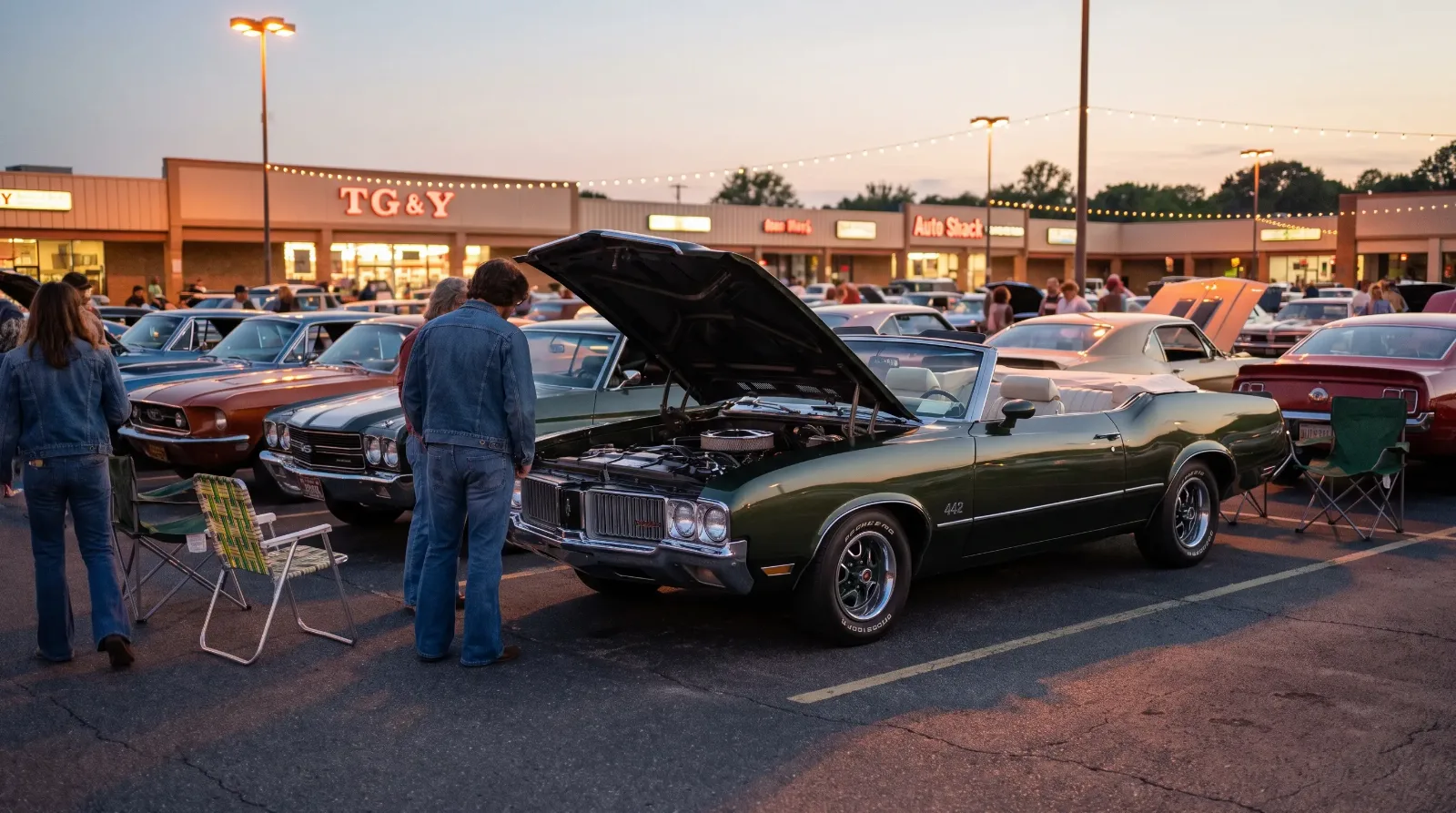
The factories stopped building these cars for real more than fifty years ago, and the culture has not slowed down. Cars and Coffee events pull hundreds of people into a parking lot before most of the town is awake. Cruise nights fill small-town main streets from May to October. The Woodward Dream Cruise draws something like a million spectators in a single August day, which is a staggering number for what is, technically, people looking at old cars. The machines are the reason everyone shows up. The reason they keep showing up is each other.
That is the legacy, and it is more durable than any of the metal. A muscle car is a social object. It gives strangers a reason to talk, gives fathers and daughters a project, gives a town a Saturday tradition. The values go up and down, the auction records get broken and forgotten, but the folding chair in the parking lot at six in the morning has not changed in forty years. When people are ready to join it, they usually start by looking, and you can browse classic muscle car listings to see what is out there. The culture, though, is the thing you cannot buy at a hammer price. You have to show up for it.
Related Reading
Article
The Classic American Muscle Car Story
Article
Muscle Car Racing: Strip, Street & Sanctioning
Article
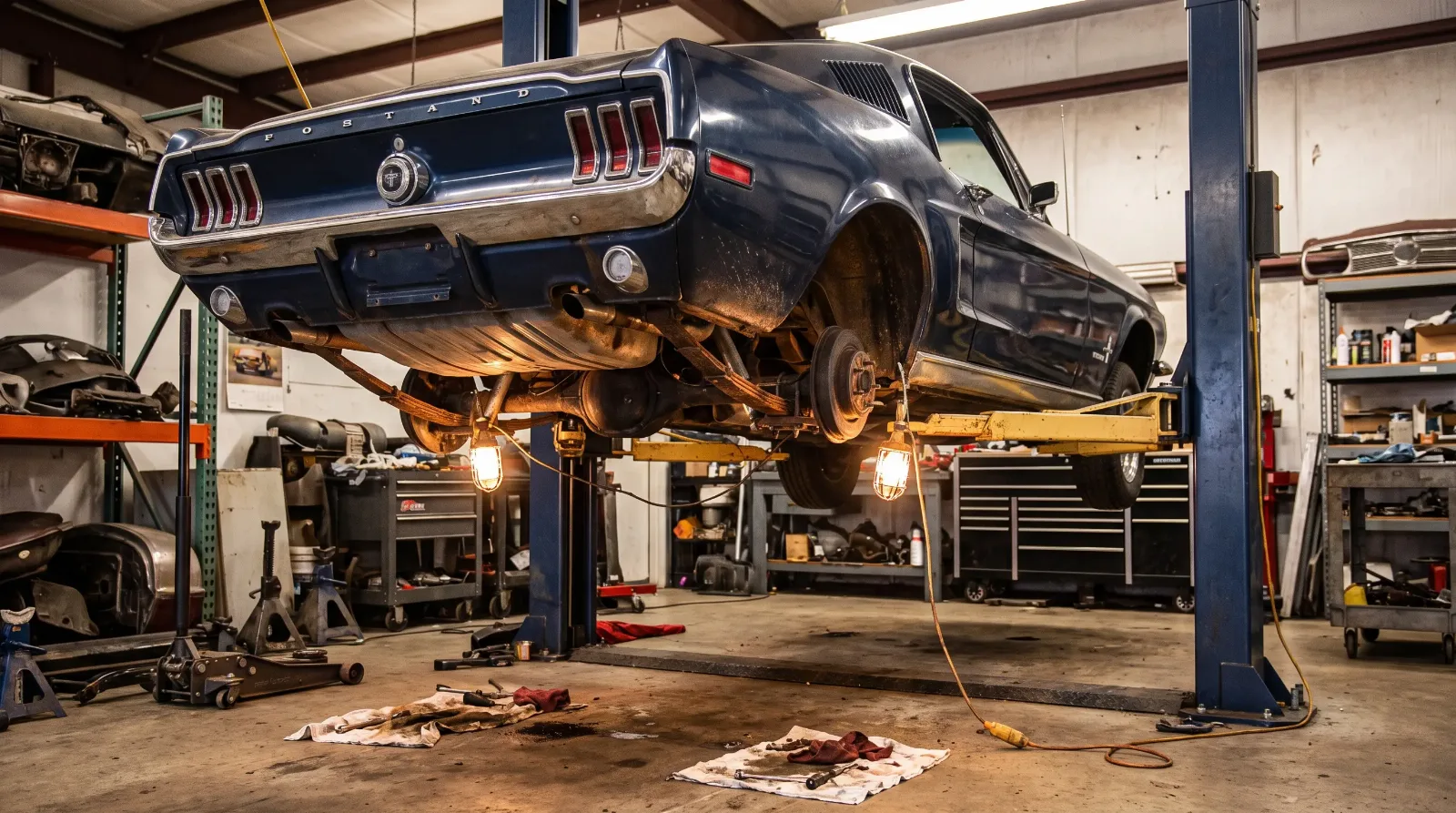
Restoring & Owning a Classic Muscle Car
Article
Muscle Cars in the Movies
Article
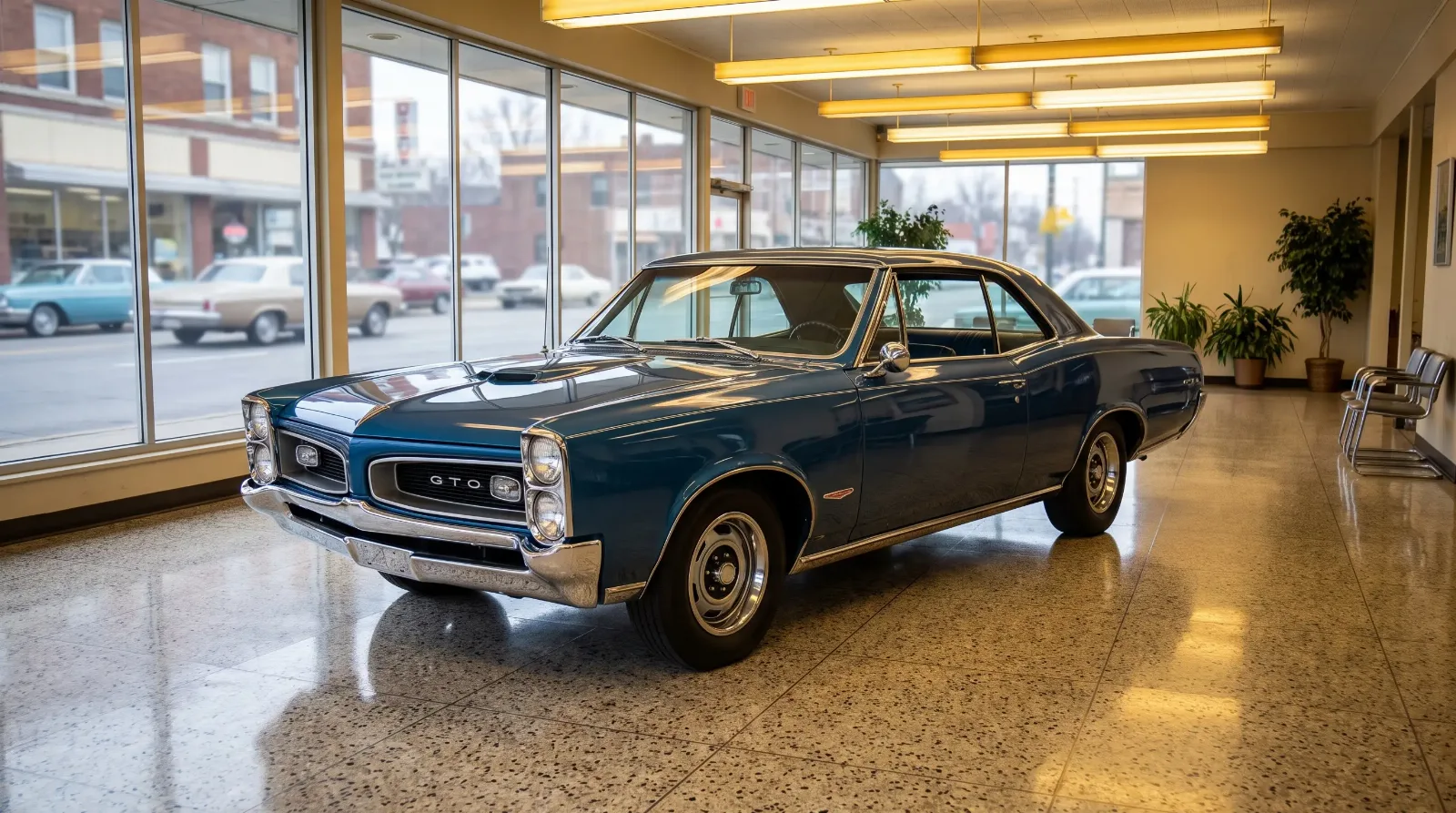
Muscle Car Advertising of the 1960s
Article
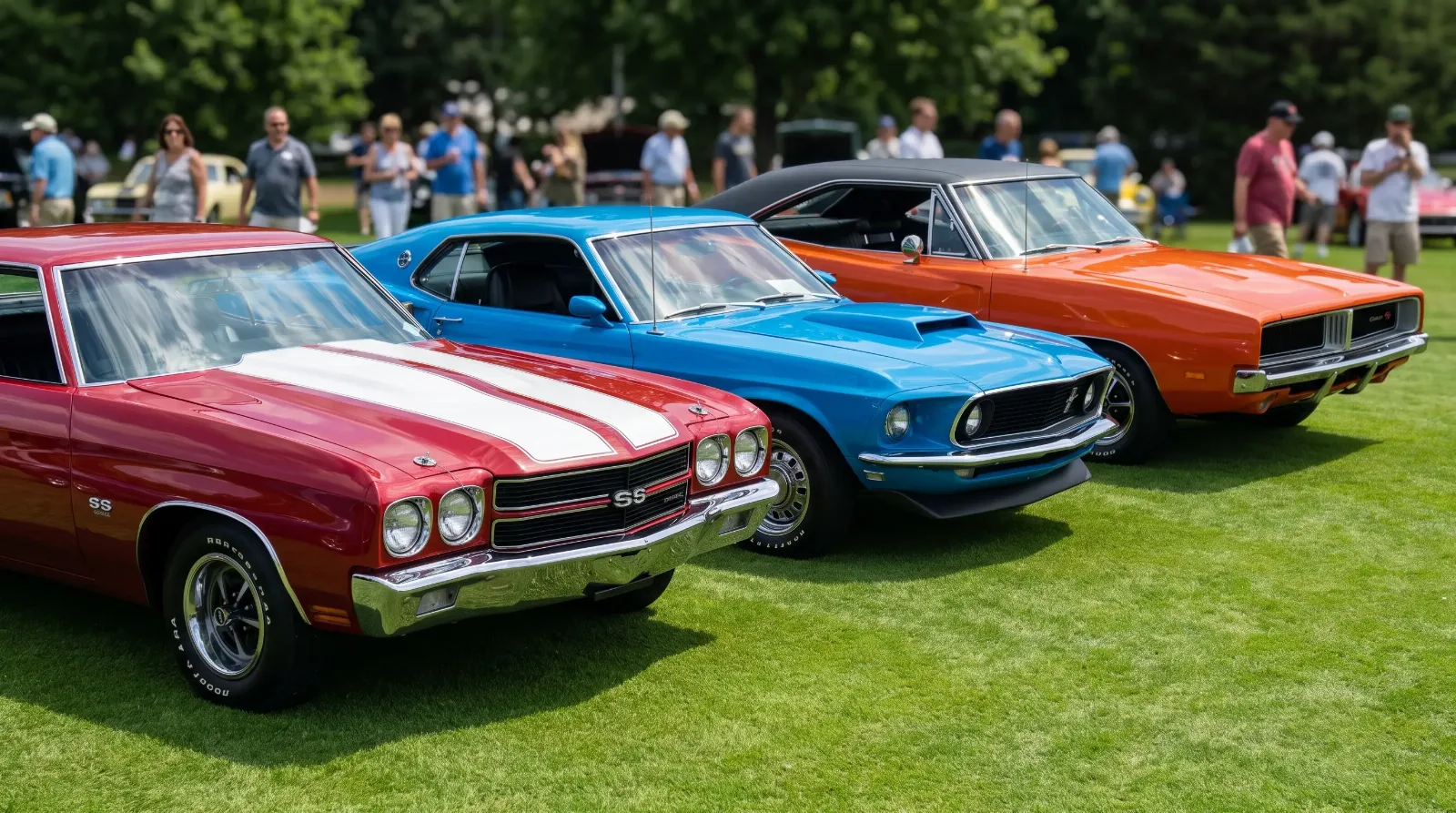
The Big Three Rivalry: Ford vs GM vs Mopar
Article
Muscle Car Nicknames and Their Origins
Article
Dealer-Special Muscle: Yenko, Baldwin-Motion, Mr. Norm's
Article
The Muscle Car Revival of the 2000s
Article
The Sound of Muscle: What Makes a Big-Block Roar
Article
Muscle Cars and the 1960s Youth Market
Article
Muscle Cars in Music
Article
Muscle Cars in Video Games and Model Kits
Article
Cruise Nights and Car Show Culture
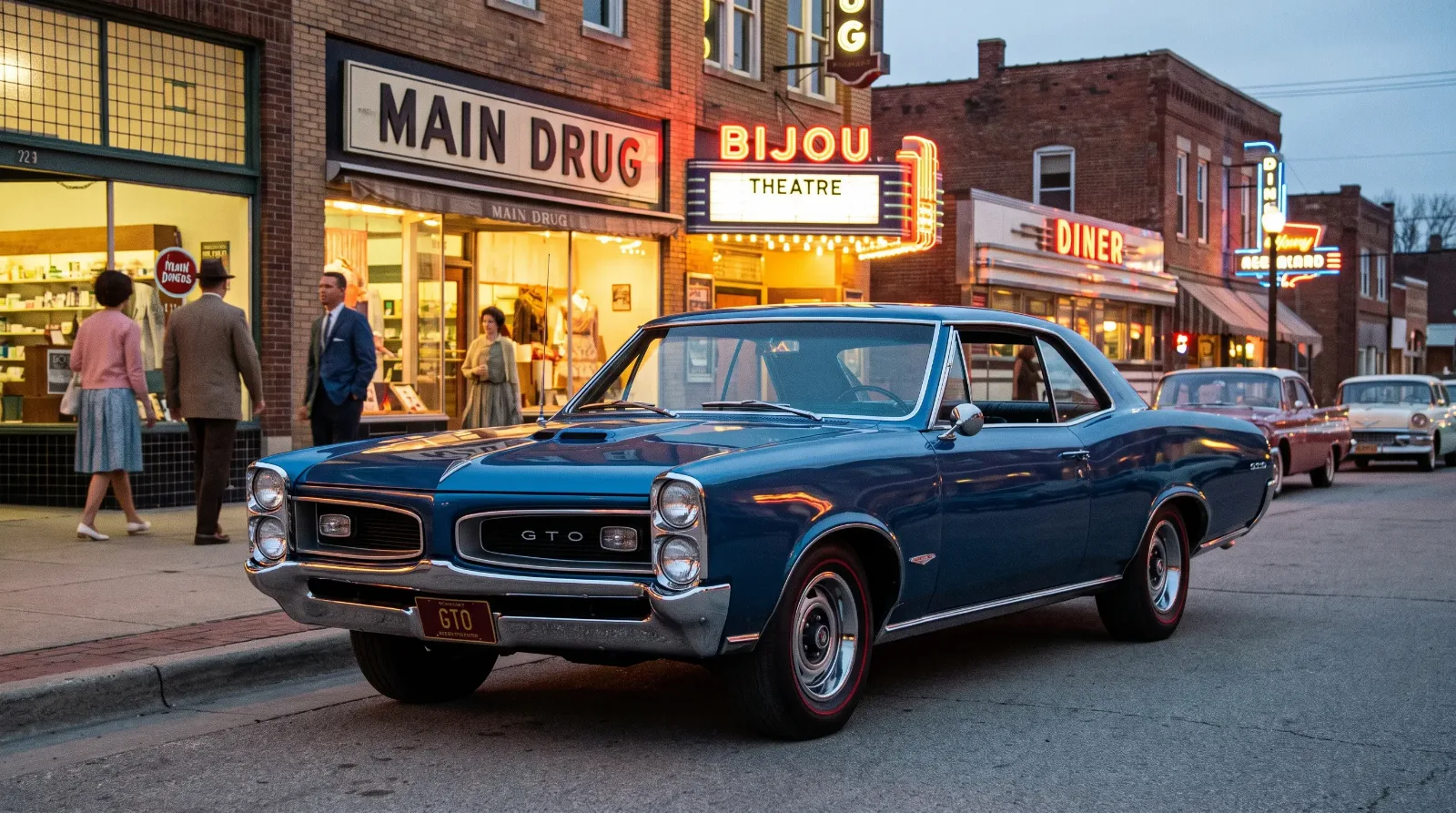
Article
How Muscle Cars Became American Icons
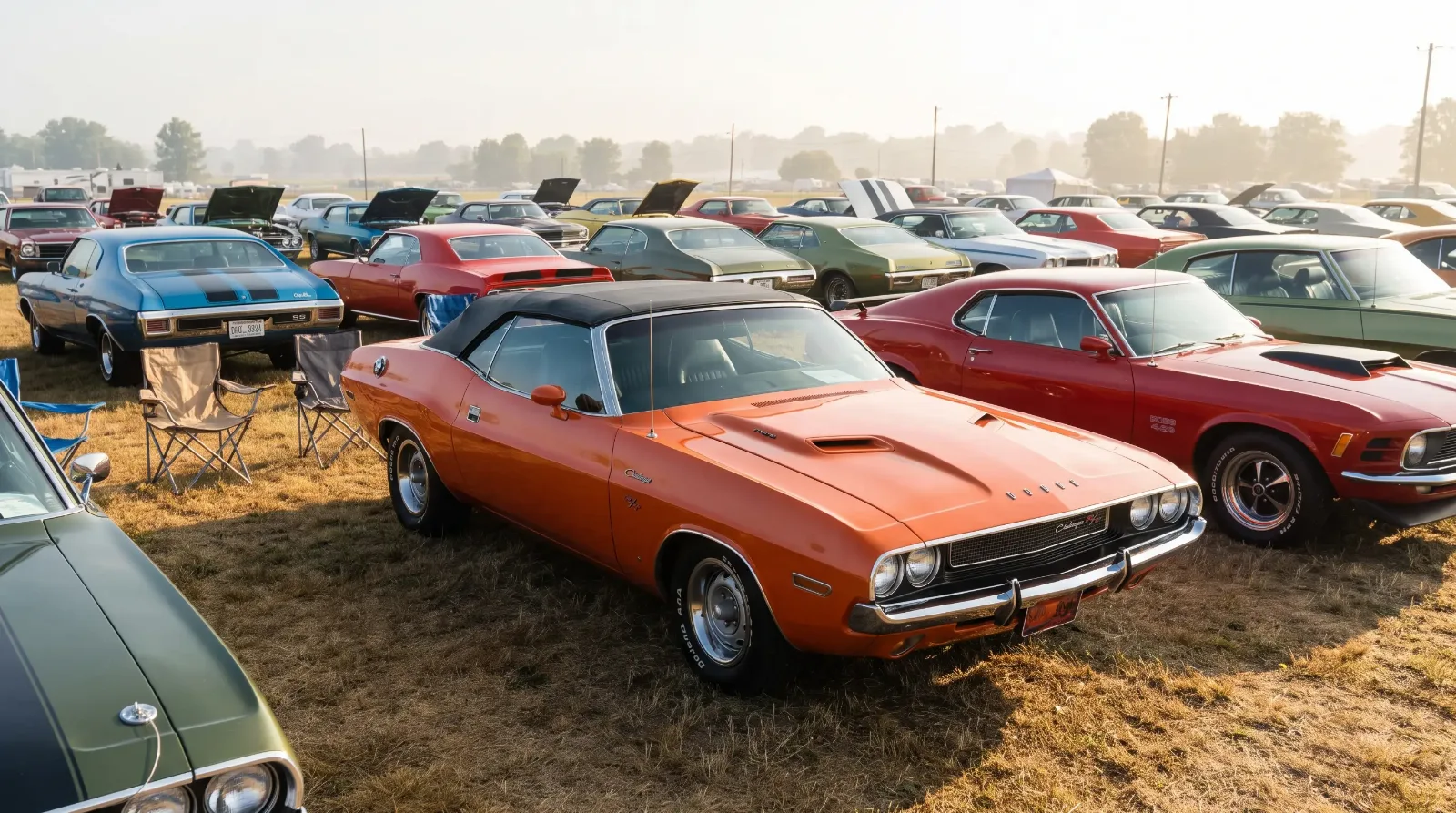
Article
Muscle Car Clubs and the Community
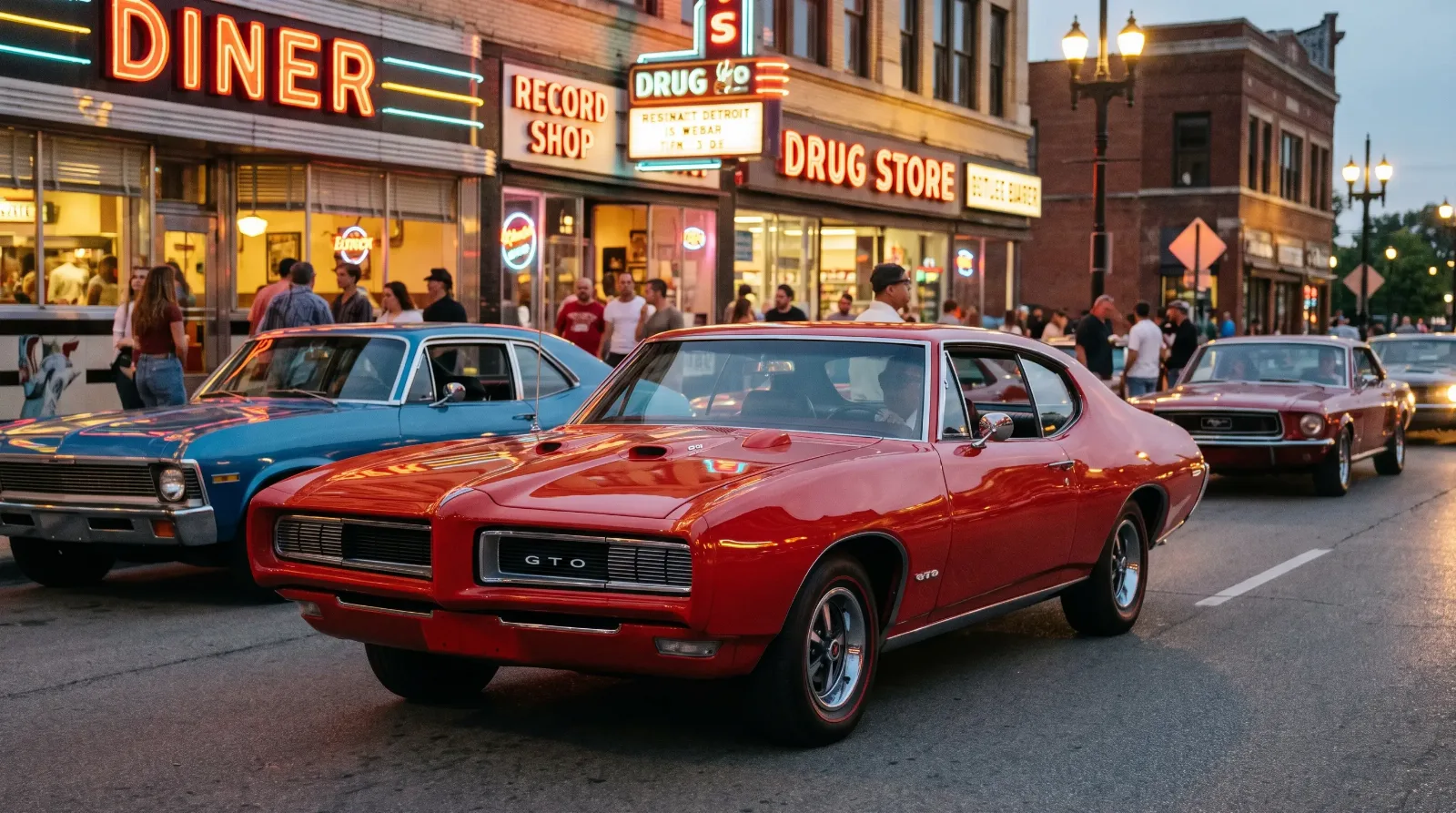
Article
Regional Muscle Culture: Detroit, California, and the South
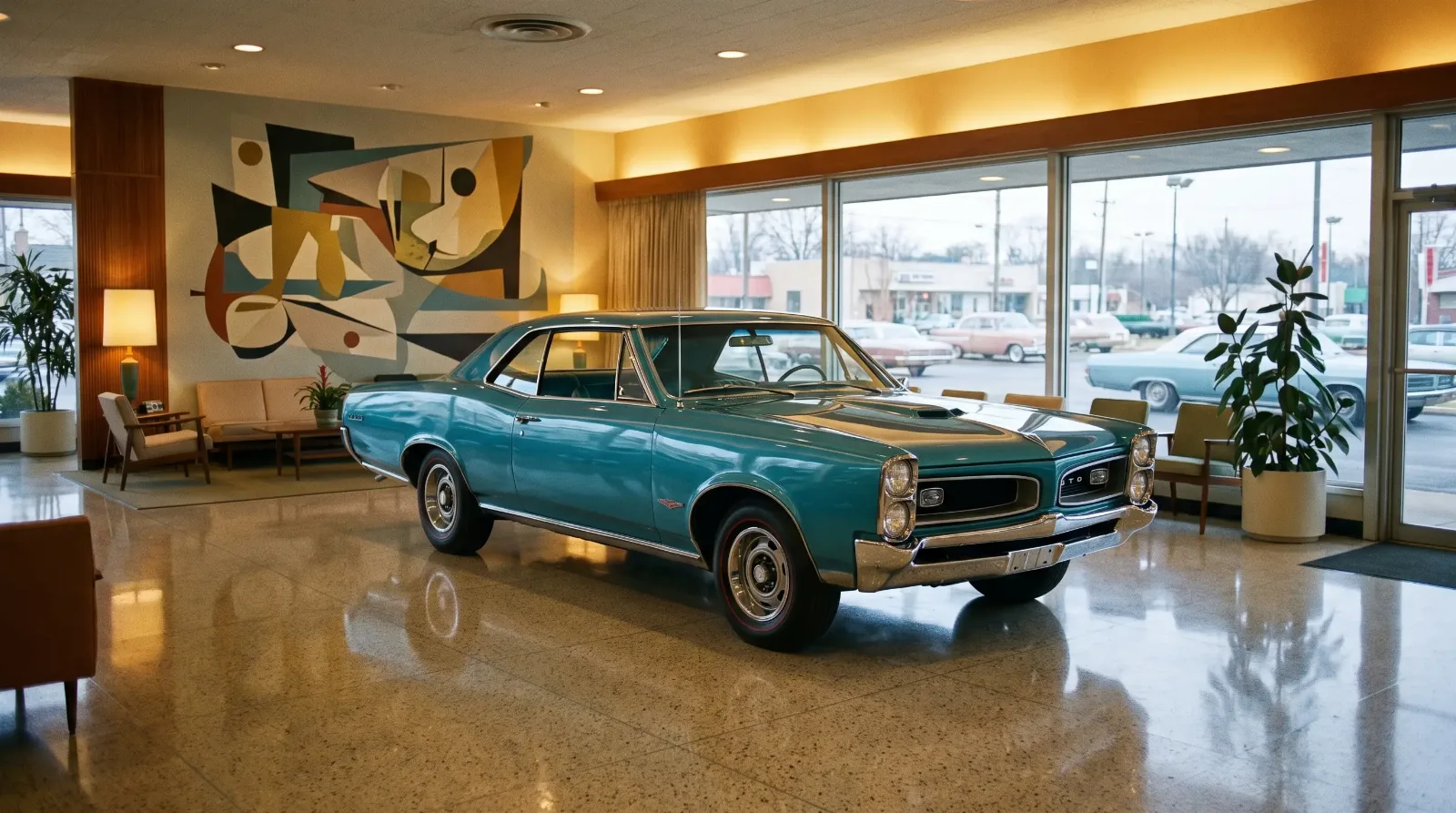
Article
Muscle Cars in Advertising Art and Poster Culture
Article
Muscle Cars on Television
Article
Barn-Find Culture and the Thrill of the Hunt
Article
Muscle Car Photography and the Magazine Era
Have a
Classic Car
for Sale?
Reach thousands of serious classic car collectors across the US.
Sell It Here →
Are You a Classic Car Dealer?
List your full inventory and connect with targeted classic car buyers.
Join as a Dealer →

About the author
Patrick Walsh
Automotive journalist covering classic car shows, events, and the enthusiast community across North America.
More in Ownership & Lifestyle
Comments (1)
D
Dale Pruitt
2 months ago
Never understood why this model gets overlooked. Equal or better engineering than the cars that get all the coverage, usually at considerably lower cost.