
Late in the afternoon at any cruise-in, there is always one person walking the rows with a notebook instead of a camera phone. They stop at the cars nobody else stops at. They ask the owner where the trim came from, who did the chrome, why the radio is the wrong year. That person already has the hard part of a blog figured out. What they usually lack is the rest: how to start a car blog that strangers find, read to the end and come back to next week. This guide is about that gap, and about the slow, unglamorous habits that close it.
Ownership & Lifestyle
8 min read
How to Start a Classic Car Blog People Read
Pick a narrow beat, shoot your own photos, build a mailing list and stack income slowly: how to start a car blog that readers come back to.
Pick a beat narrow enough to own
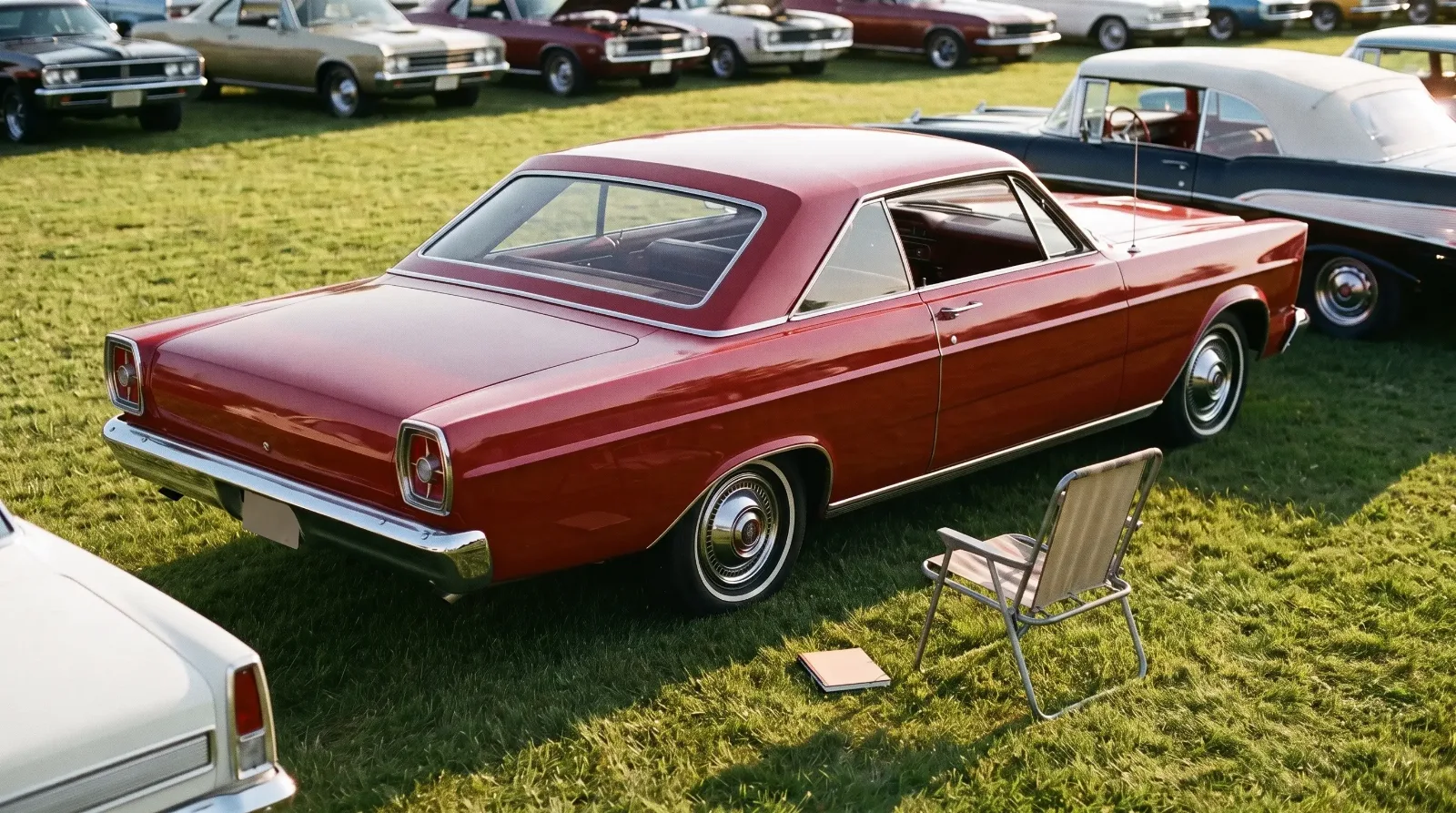
The general classic car blog is a crowded room. Big magazines, auction houses and clubs with decades of archives already cover "classic cars" as a subject, and a newcomer writing the same broad roundups has nothing a reader cannot get elsewhere. The blogs that build a following tend to pick a beat a reader can describe in one sentence: one marque's six-cylinder years, survivor trucks in the upper Midwest, the regional shows nobody photographs properly, the economics of a first restoration told one invoice at a time.
A narrow beat does three things for you. It tells search engines what the site is about. It tells readers why they should subscribe rather than just skim. And it gives you an endless supply of posts, because the deeper you go into one corner of the hobby, the more questions turn up. A writer who covers everything runs out of fresh angles in a year. A writer who covers one model's door hinges, paint codes and owners never does.
Test the beat before you build anything. Write down twenty post titles you could publish without stretching. If you stall at eight, the beat is too small or you do not know it well enough yet. If you hit forty without trying, you have found it.
How to start a car blog that earns a second visit
Most people who read one post on a new blog never return. The ones who do come back are reacting to something specific: a photo they could not find anywhere else, a fact the forums kept getting wrong, a voice that sounded like a person rather than a press release. That is the whole job, and it is mostly about how each post is made.
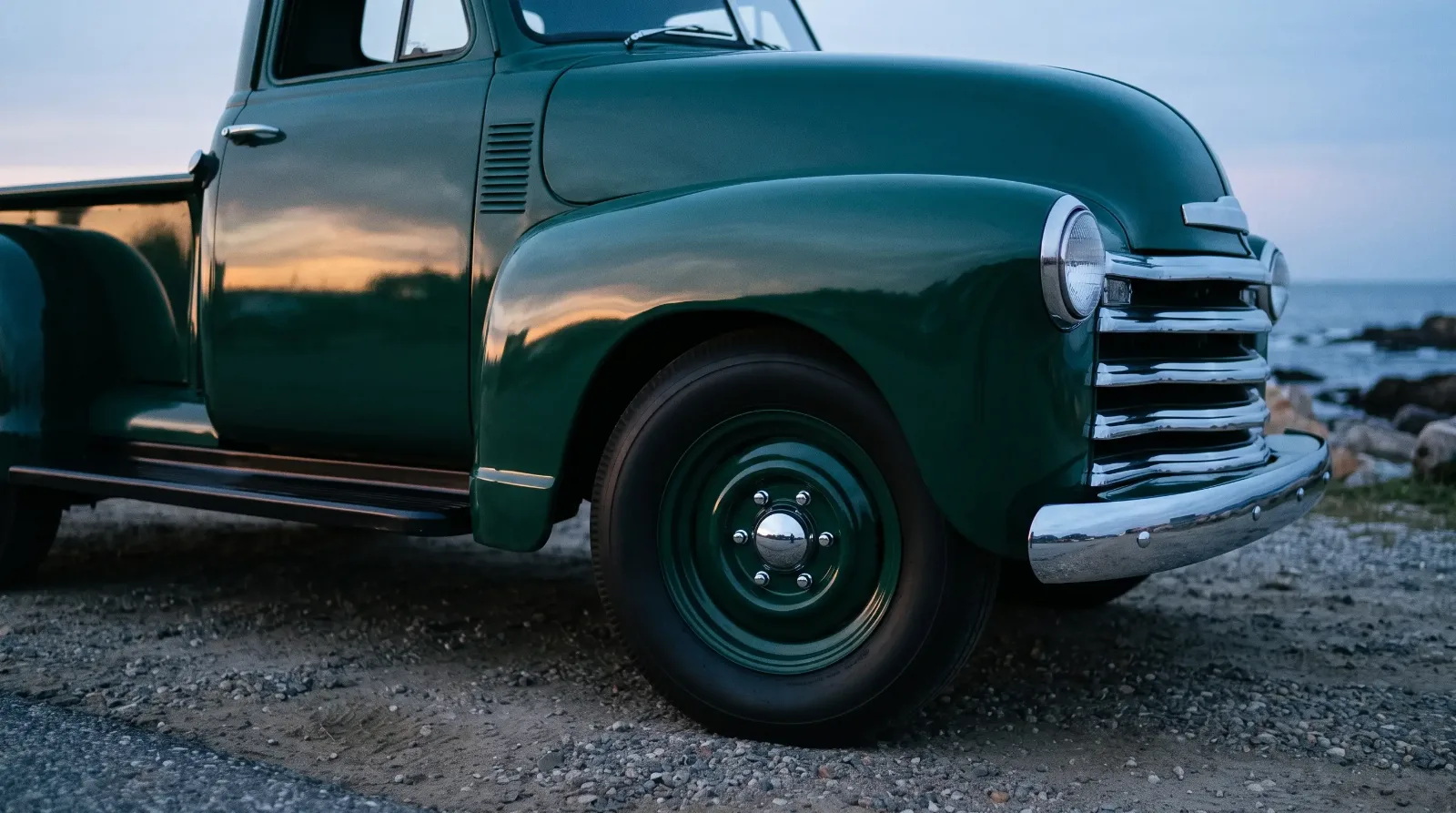
Shoot your own pictures. Stock photos and manufacturer press shots are the fastest way to look like every other site. A tight frame of a fender tag or a faded dealer decal, taken in decent light, tells a reader you were there. Caption it with what it shows and where.
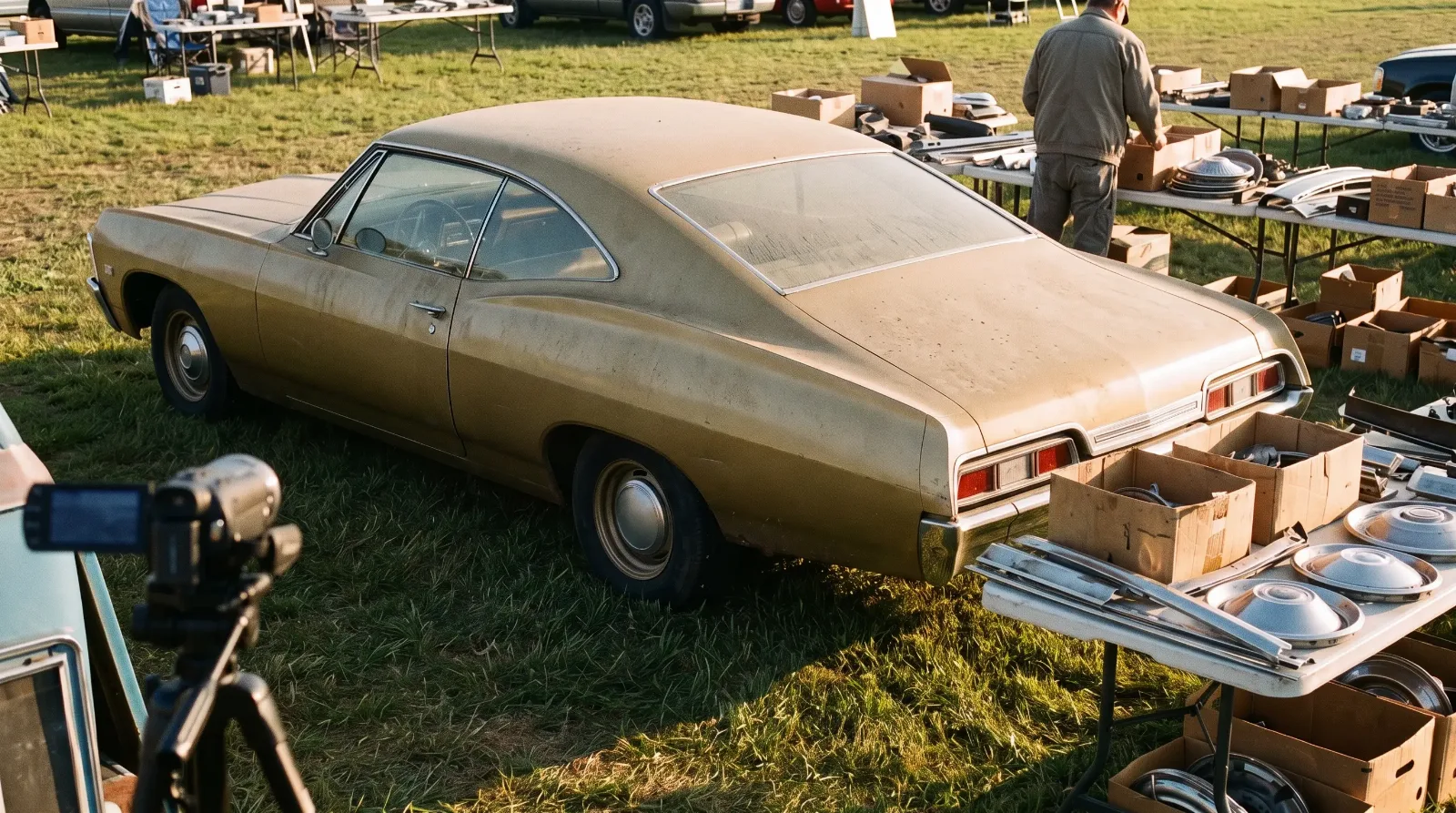
Write from the garage floor, not the encyclopedia. The posts that travel in this hobby are firsthand: what the seller said, what the inspection found, what the parts cost, what went wrong on the second attempt. Readers will not forgive a post that could have been written by someone who has never held a wrench or stood in a field at a swap meet.
Build in series. A one-off post is a visit. A twelve-part project log is a reason to subscribe. Even a simple recurring format, a monthly look at one car at a local show with the owner's story, gives readers a calendar to follow and gives you a deadline.
Finally, put the date and your name on everything, and correct mistakes in public. Car people will find your errors. Thank them, fix the post, and note what changed. That habit earns more trust than any design choice.
The plumbing: platform, photos and a mailing list
Choose a platform you own. A free page on someone else's network is fine for a test, but a blog meant to last should live on its own domain, where you control the address, the archive and the reader list. Any mainstream publishing system will do. The decision that matters more is the one most beginners skip: start collecting email addresses from the first week. Search traffic rises and falls with algorithm changes. A list of readers who asked to hear from you does not.
Keep photos organized from day one, with dates and locations in the file names. Once a blog passes a few hundred posts, a messy photo folder becomes the thing that stops you writing.
Speed and structure beat decoration. Clean headings, short paragraphs, captions on every image and a plain About page that says who writes the blog and why. Readers in this hobby are wary of sites that look like they exist only to sell parts.
Where the money comes in, and when
Income on a car blog arrives late and in small pieces, usually from several sources stacked together. The parent guide on how to monetize a car YouTube channel covers that stack across video and writing. For a blog, the entry points look like this, as of October 2026:
| Source | What it takes to start | Key terms |
|---|---|---|
| Google AdSense | An approved site | Publishers receive 80% of revenue after the advertiser platform's fee (about 68% when the advertiser buys through Google Ads); payout at $100 |
| Journey by Mediavine | At least 1,000 sessions in 30 days from US, Canada, UK or Australia | Entry program, effective January 2026 |
| Mediavine Official | $5,000 in annual ad revenue | Replaced the old 50,000 monthly sessions rule from January 2026 |
| Raptive | 25,000 monthly pageviews | Lowered from 100,000 in October 2025; geography rules apply |
| Amazon Associates | Three qualifying sales within 180 days of applying | Required disclosure statement on the site |
| Our partner program | A partner account and your own link | 25% of listing packages, 20% of dealer subscriptions for 12 months, 60-day cookie, 30-day confirmation, $50 PayPal payout |
Read that table as a sequence rather than a menu. Display ads need traffic before they pay anything worth the clutter on the page. Affiliate links can earn from a small, loyal readership, as long as the link fits the post: a parts retailer in a repair log, a listing link in a post about selling a project. For example, if a reader you referred buys a listing package, our partner program pays 25% of that package price, confirmed 30 days after the sale. That is arithmetic, not a forecast, and a new blog may go months before the first referral lands.
Whatever you link to, the reader has to know you earn from it. Any affiliate or referral link must be disclosed, close to the link and in plain words, and the details of the FTC disclosure rules are worth reading before your first paid link goes live.
Give it a year before you judge it
The honest timeline for a hobby blog is long. Search engines take months to trust a new site, and readers take longer. Most of the posts you write in the first year will be read by very few people, and then one of them will be picked up by a club forum or a marque group and send more visitors in a weekend than the rest of the year combined. You cannot predict which post that will be. You can only make sure there are enough good ones for it to happen.
So set a cadence you can keep when life gets busy. One solid post a week beats five in a burst and then silence. Keep a list of the people who comment and the questions they ask. Go to the shows. Talk to the owners who are not used to being asked about their cars. The blog that people read is almost always the one written by someone who kept showing up.
"The best car blogs I know read like a long conversation at the edge of a show field. Nobody is selling. Somebody is just telling you what they saw, and getting the details right."
Patrick Walsh
Start small, stay specific, and let the money follow the readers rather than the other way around. If the beat is right and the posts are honest, the audience comes, slowly, and it stays.
Sources and notes
- Google AdSense Help: revenue share
- Mediavine: publisher requirements
- Mediavine Help: programs and the publisher path to growth
- Raptive: lowering the traffic requirement to 25,000 pageviews
- Amazon Associates Help: new account review and the 180-day window
Note: all rates, thresholds and payout terms in this article were read on October 19, 2026, unless the text gives another date. Ad networks and affiliate programs change their terms often; check each program's own page before you rely on a figure. Partner program figures come from our own affiliate program page on the same date.
Related Reading
Have a
Classic Car
for Sale?
Reach thousands of serious classic car collectors across the US.
Sell It Here →
Are You a Classic Car Dealer?
List your full inventory and connect with targeted classic car buyers.
Join as a Dealer →
#car creators
#car blogging
#affiliate links
#how to start a car blog
#classic car blog
#blog monetization
#Mediavine

About the author
Patrick Walsh
Automotive journalist covering classic car shows, events, and the enthusiast community across North America.
More in Ownership & Lifestyle
Comments
Be the first to comment on this article.