
When a member of a local Mopar club near Nashville had a heart attack in his garage last spring, three other members had his 1970 Challenger torn down for a rebuild and finished before he got home from rehab. They did it quietly, would not take a dime, and handed him the keys to a running car. That is not a car club story people put in the newsletter. But it is the truest thing I know about what these clubs actually are. The cars bring people together. The people become the reason to stay.
Ownership & Lifestyle
6 min read
Muscle Car Clubs and the Community
Muscle car clubs are built on shared parts, shared labor, and loyalty that runs deep. How the registries, events, and community keep these cars alive.
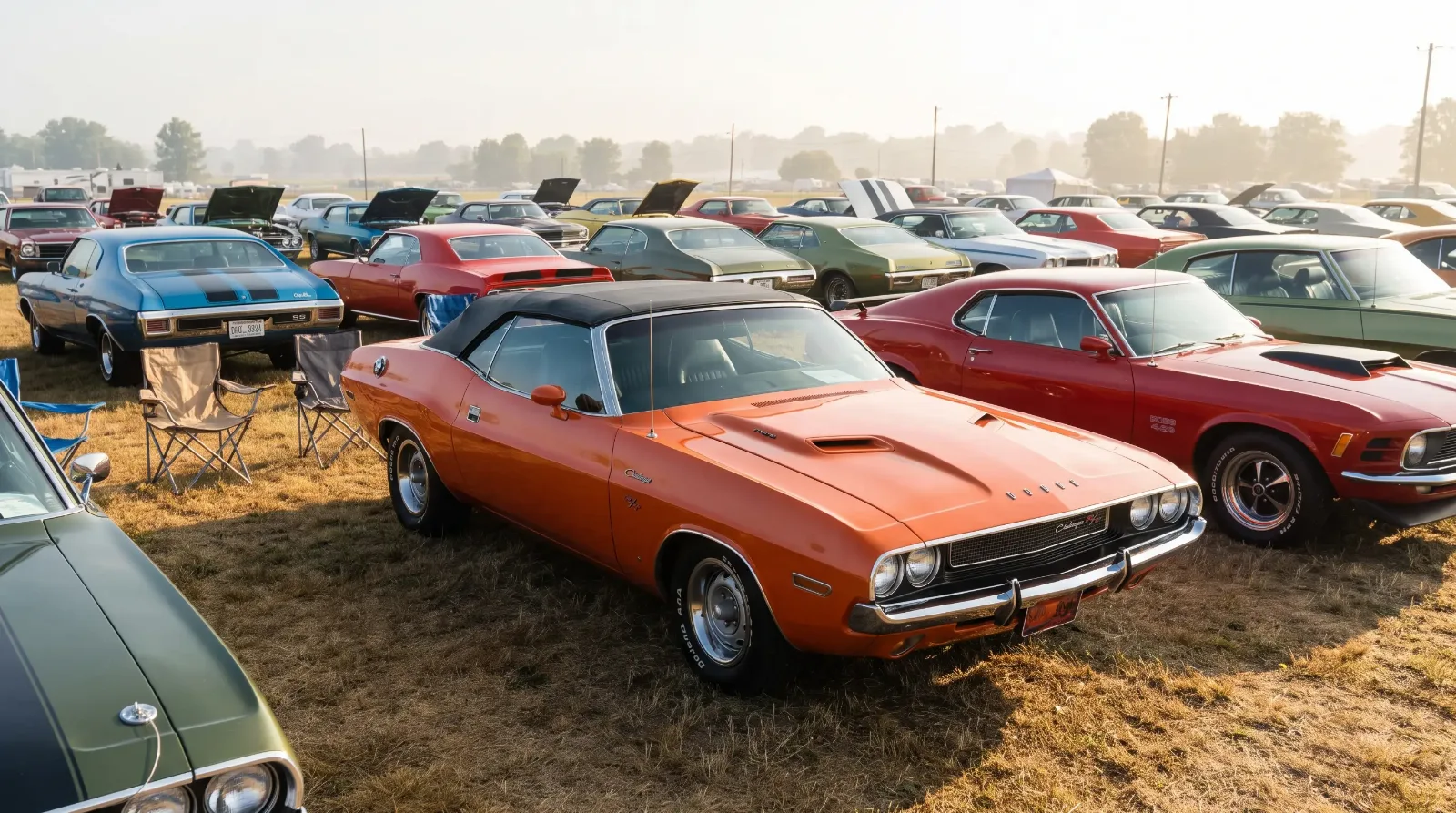
Muscle car culture looks, from the outside, like it is about horsepower and paint. Spend time inside a club and you learn the machinery is the smaller half of it. The community is built on shared knowledge, shared labor, and a kind of loyalty that surprises people who wander in expecting a hobby and find a family. For the wider frame, this is worth pairing with a closer look at muscle car culture and how the community fits inside it.
How the clubs came together
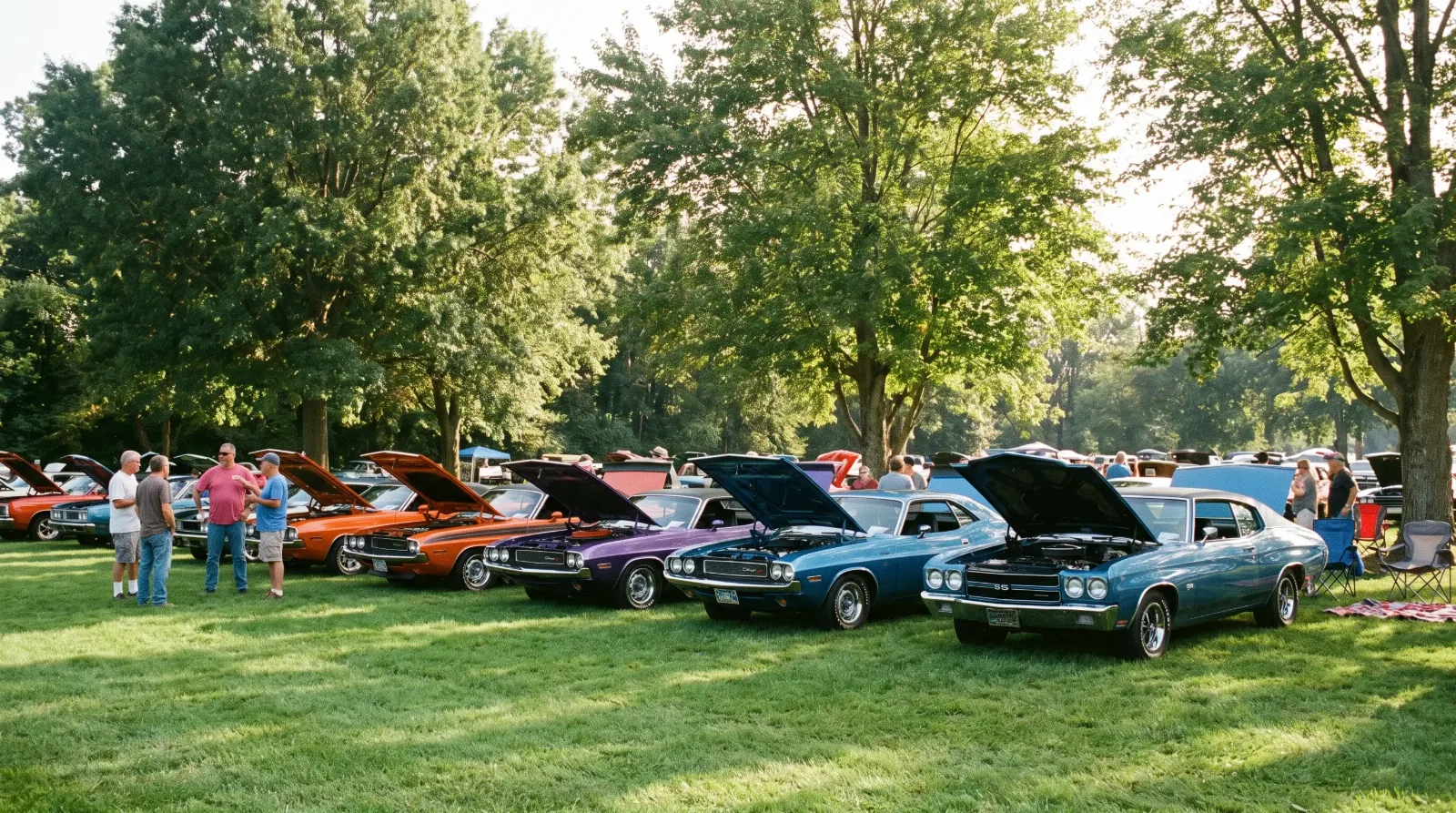
The first muscle car clubs formed almost by accident, the same way any group forms when people keep bumping into each other. Guys who owned the same car started recognizing each other at drag strips and dealerships in the 1960s. When the original era ended and the cars got cheap in the 1970s, small groups of owners banded together to trade parts nobody else stocked and information nobody else had.
Those informal groups hardened into real organizations over the following decades. National registries formed around specific models, marque clubs grew regional chapters, and eventually there was a structure covering almost every car worth preserving. The GTO Association of America, the various Chevelle and Mopar registries, the Shelby American Automobile Club, and dozens of others gave owners a place to belong and a standard to measure their cars against.
What a club actually does for you
The practical value of a club is enormous, and it is the reason a lot of people join in the first place. When a part for your car has not been manufactured in fifty years, the club is where you find one. When you need to know whether a trim tag reads correctly for your build, the club has three people who have spent years memorizing exactly that. The collective knowledge inside an active club is worth more than any single reference book.
Then there is the labor. Restoration is hard, expensive, and lonely if you do it alone. Inside a club it becomes a shared project. Members show up on weekends to help pull an engine, lend a tool, or just keep the owner company under the car. Nobody who has done a full restoration inside a good club would go back to doing one solo. The clubs also police each other in a healthy way. When someone tries to pass off a clone as a real numbers car, the registry members are the ones who spot it, and that honesty protects everybody's cars and everybody's money.
The events that hold it together
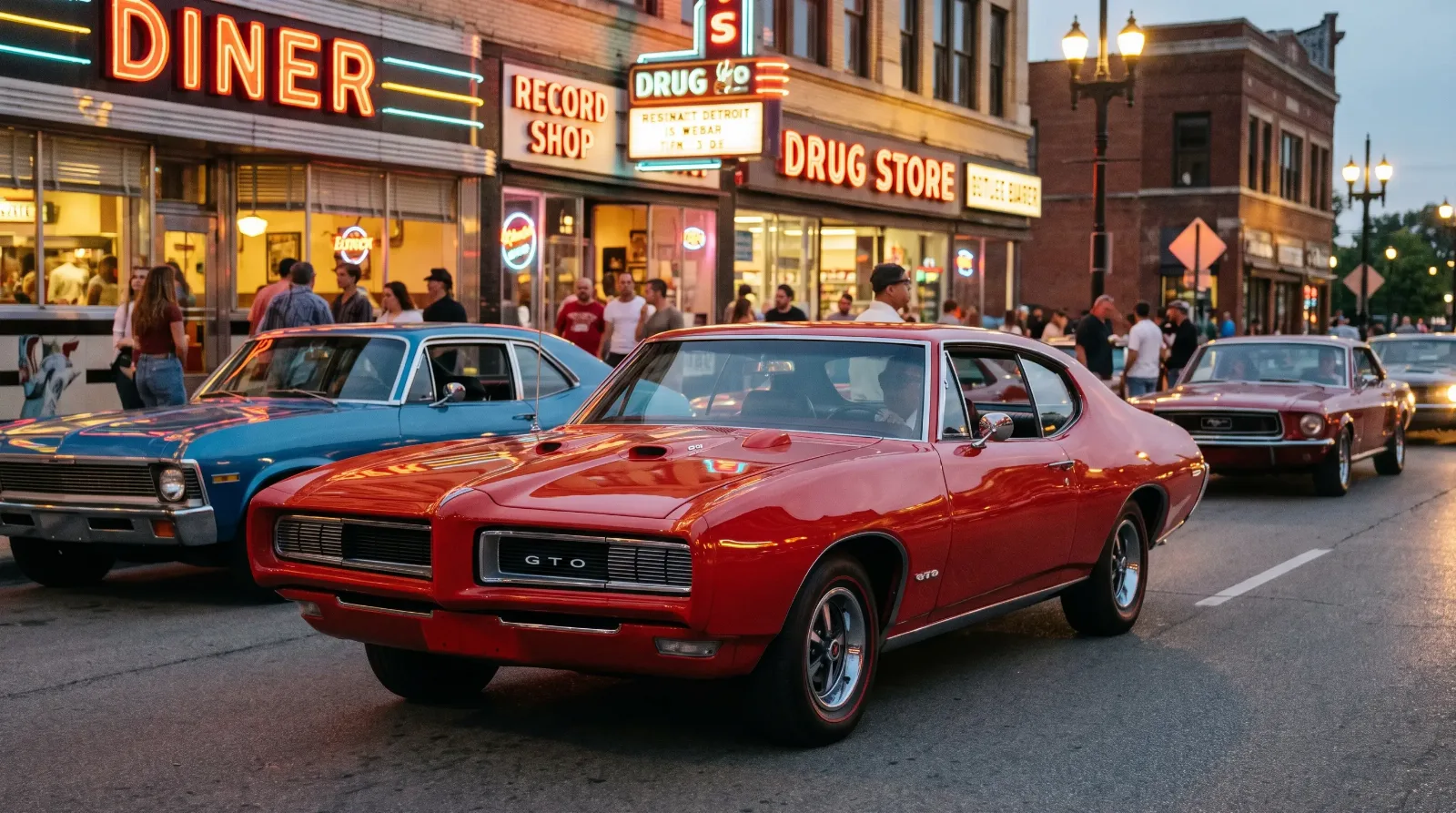
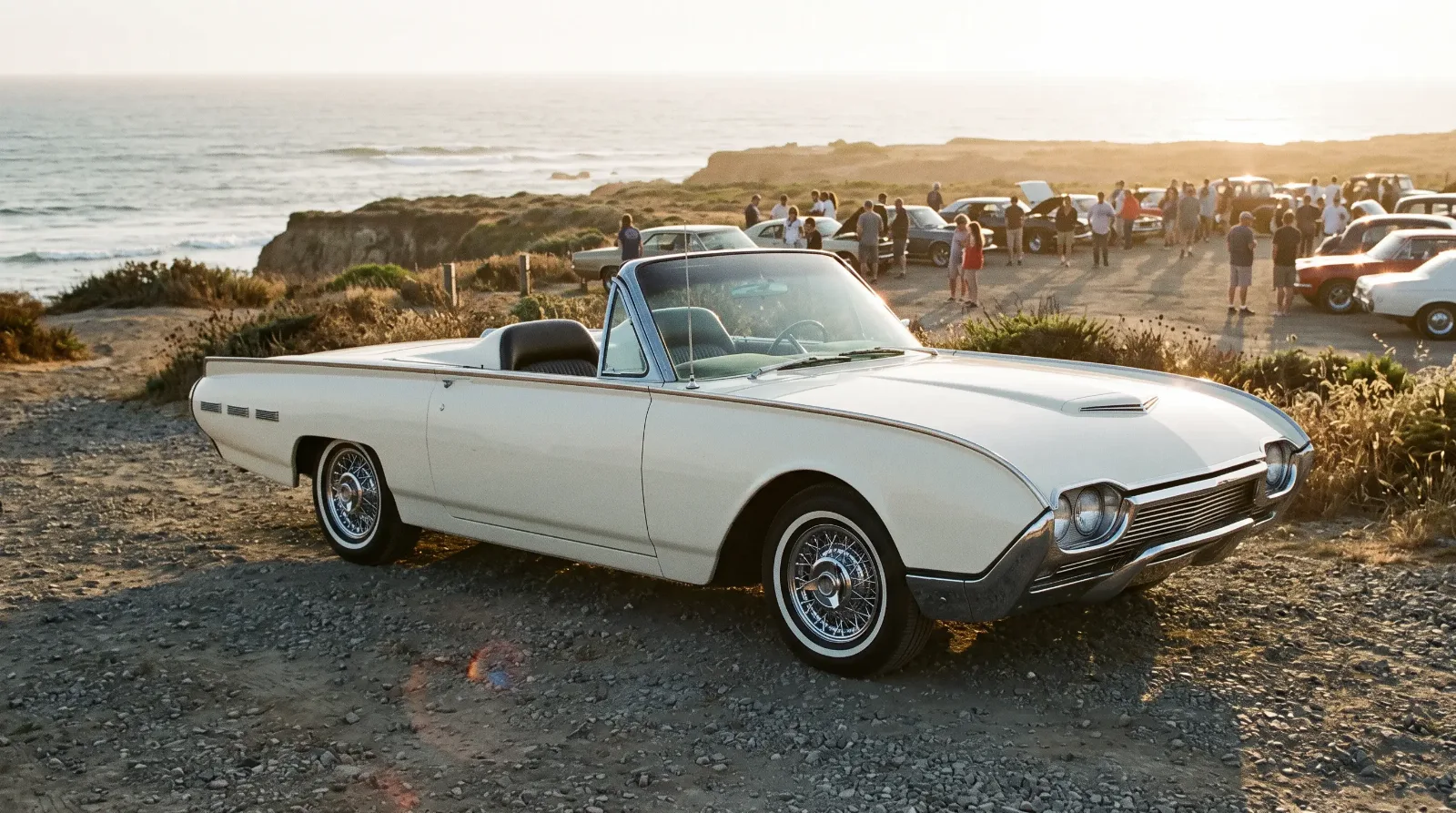
A club lives or dies by its calendar. The weekly cruise nights, the summer show circuit, and the big national gatherings are where the community actually happens face to face. Carlisle, Pennsylvania hosts some of the largest marque-specific events in the country, with the Chrysler, Ford, and GM nationals each drawing thousands of cars and the people attached to them for a single brand-focused weekend.
The Hot Rod Power Tour does something different and harder. It is a multi-day driving event that moves from city to city, and the point is not to park and be judged but to actually drive these cars hundreds of miles the way they were built to be driven. Events like these turn a scattered membership into a real community, because there is no substitute for spending a long weekend, or a long week, with people who love the same machines you do.
"I've been to a lot of club events over fifteen years, and the pattern never changes. Somebody's car breaks down on the way there, and by the time I hear about it, four strangers have already stopped to help and two of them are now friends for life. The breakdown is how you meet people in this hobby. The clubs just make sure somebody's always there when it happens."
Patrick Walsh
Passing it down and keeping it alive
The real test facing muscle car clubs now is age. The original owners are getting old, and a lot of clubs have spent the last decade worrying about who comes next. The good news, and I see it at events constantly, is that younger people are showing up. They come in through a first project car, an inherited machine, or just the pull of the sound, and the older members who once worried about the future are happy to teach.
That handoff is the whole game. A club is not really a group of cars. It is a chain of people passing down knowledge, parts, stories, and standards to whoever cares enough to receive them. The machines are how the chain stays visible, but the community is the thing being preserved. Where that community lands geographically shapes it too, and the flavor of a club in Detroit is not the flavor of one in the South. You can read the full story of how the region shapes the scene.
The Challenger owner near Nashville is back in his garage now, working on someone else's car this time. That is how it goes. You take the help when you need it, and then you spend the rest of your years handing it back. The clubs make sure the exchange never stops.
Related Reading
Have a
Classic Car
for Sale?
Reach thousands of serious classic car collectors across the US.
Sell It Here →
Are You a Classic Car Dealer?
List your full inventory and connect with targeted classic car buyers.
Join as a Dealer →

About the author
Patrick Walsh
Automotive journalist covering classic car shows, events, and the enthusiast community across North America.
More in Ownership & Lifestyle
Comments
Be the first to comment on this article.