
A woman I met at a show in Tennessee told me her father never owned a muscle car. He was a machinist who raised four kids on one income and never had the money for anything fast. But he cut a photo of a Hemi Road Runner out of a magazine in 1969 and kept it in his toolbox for the rest of his life. When he died, she found it, still folded, still there. That is the strange power of these cars. They became icons for millions of people who never got to own one.
Ownership & Lifestyle
6 min read
How Muscle Cars Became American Icons
Affordable speed, a young generation, and decades of culture turned the muscle car into a lasting American icon. Here is how the legend was built and why it holds.
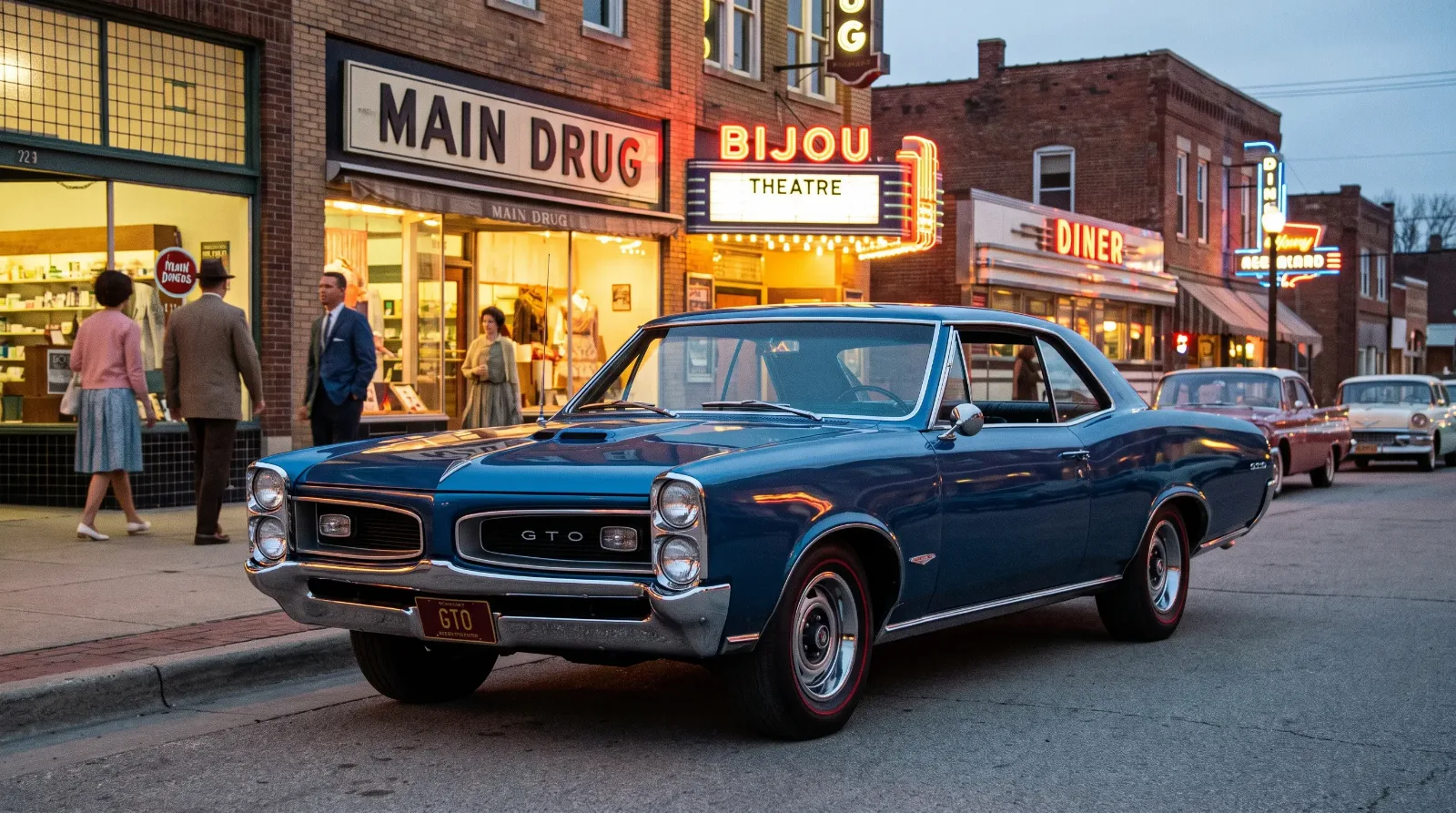
How a mid-priced Detroit product turned into a lasting piece of American identity is a real story, not an accident. It took the right machines at the right cultural moment, and then it took decades of the culture deciding these cars meant something. To see why it matters so much to so many people, it helps to start with the moment itself.
The right car at the right moment
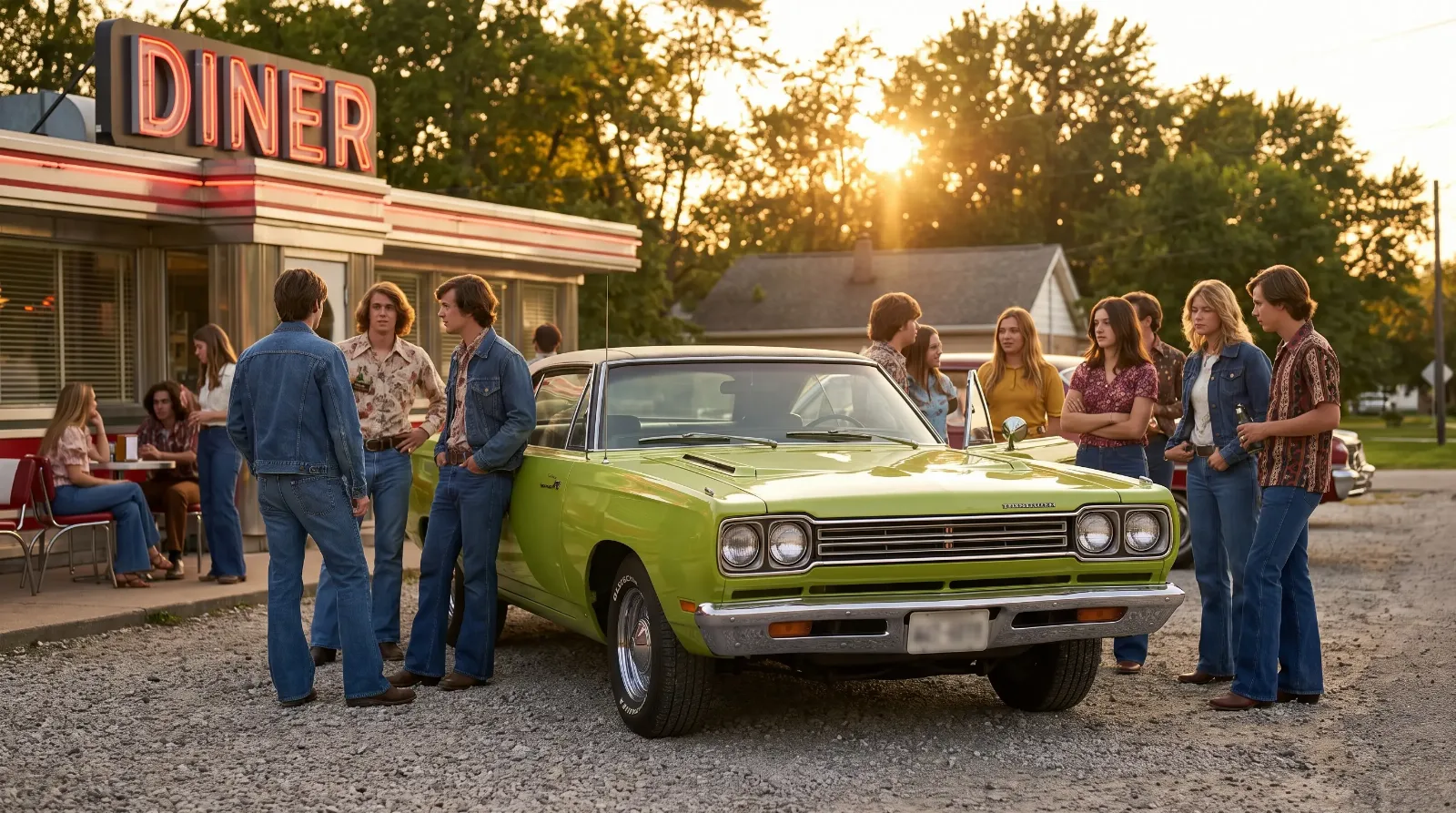
The muscle car arrived when the country was young and getting younger. The baby boom generation was hitting driving age in enormous numbers through the middle 1960s, and for the first time a huge population of teenagers and twenty-somethings had jobs, disposable income, and a hunger for something that felt like theirs. Detroit noticed.
The formula was almost democratic. Take a mid-size body, drop in a big engine, price it where a young person with a decent job could actually reach it. A GTO or a 4-4-2 was not a rich man's exotic. It was a factory worker's Saturday night, a way for an ordinary kid to own something genuinely fast. That accessibility is the root of the whole legend, and it separates the muscle car from the sports cars and luxury machines that stayed out of reach. If you want the full arc of where these cars came from, the muscle car story lays out the era from the ground up.
Speed you could buy with a paycheck
What made the muscle car an icon rather than just a fast car was the promise attached to it. These machines sold freedom in a very literal, very American package. A big V8, a manual transmission, an open road, and the sense that you could go anywhere and outrun anything. That promise landed hard on a generation raised on drive-ins, open highways, and the idea that the car was the ticket out of a small town.
The performance was real, not just advertising. A well-optioned muscle car of the late 1960s could run the quarter mile in the low 14s or better straight off the showroom floor, numbers that embarrassed far more expensive machinery. But the icon was built on more than speed. It was built on the feeling that speed was suddenly available to regular people, and that feeling is what stuck.
How the culture kept the legend alive
Plenty of products are popular for a few years and then forgotten. The muscle car did the opposite. After the original era ended in the early 1970s, killed off by insurance costs, emissions rules, and the fuel crisis, the cars could have faded into used-lot obscurity. Instead the culture reached back and pulled them up onto a pedestal.
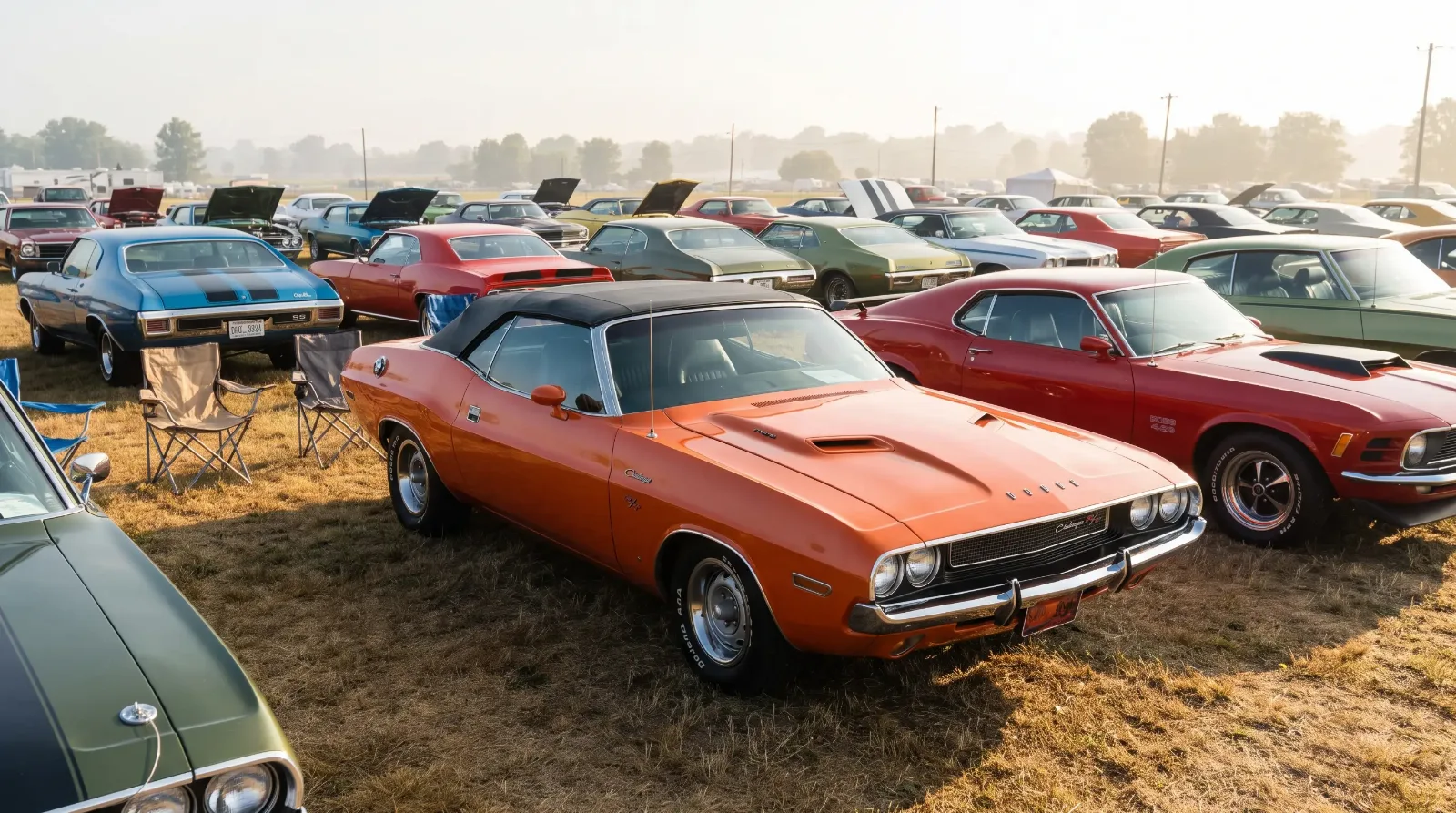
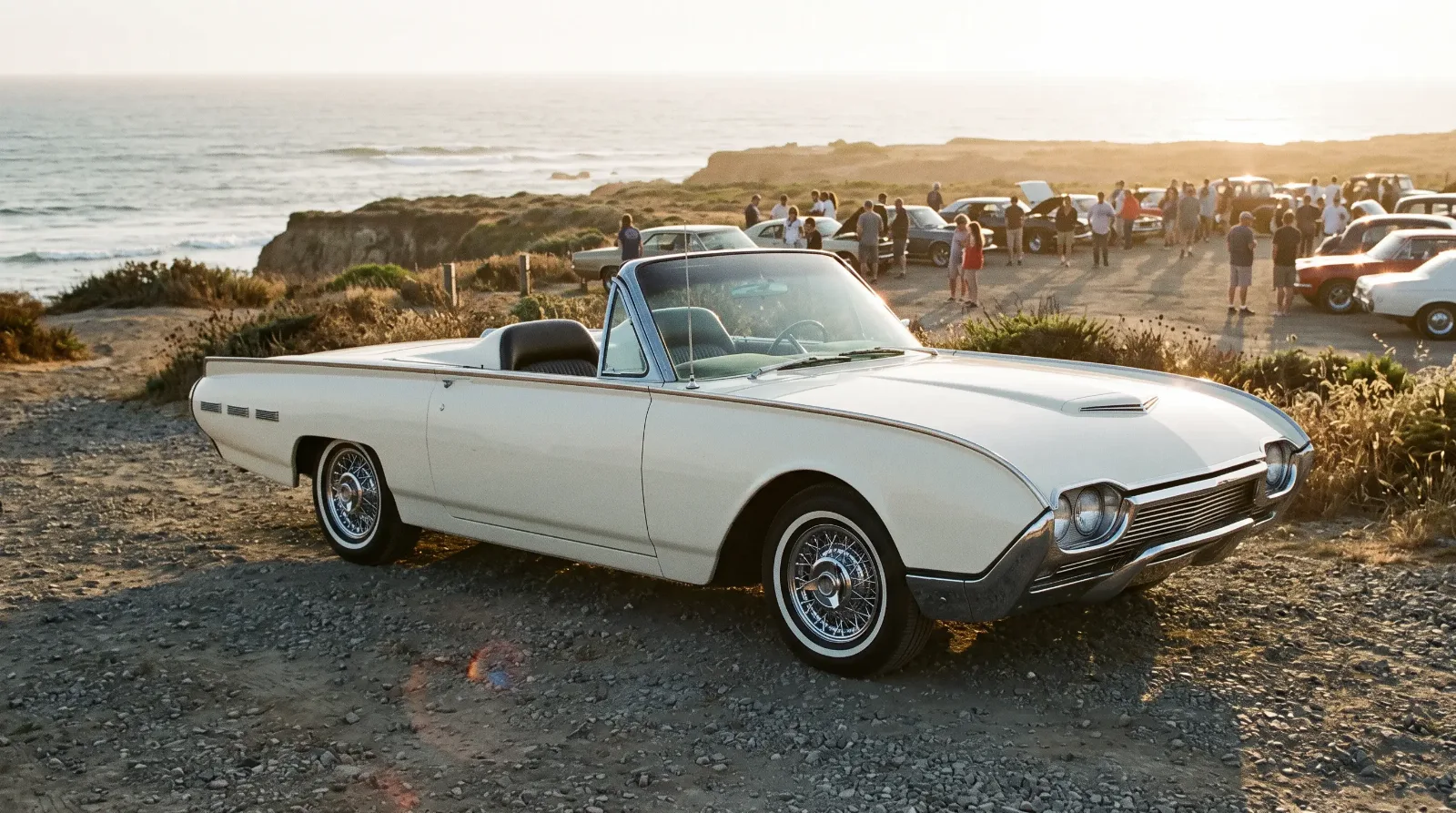
Movies did part of the work. Music did part of it. Magazines and, later, the entire restoration hobby did the rest. A whole community formed around keeping these cars running, correct, and visible, and that community is where the icon status actually lives now. The muscle car clubs and the people who fill them are the reason a 1970 Chevelle still means something to a teenager born forty years after it was built. You can read the full story of how that community holds the flame.
"People ask me why these cars matter more than faster, better-built machines that came later. I tell them it was never really about the lap times. The muscle car showed up at the exact moment a whole generation was deciding what freedom looked like, and it looked like a Judge with the windows down. You don't argue a symbol out of somebody. You just watch it hold."
Patrick Walsh
Why the icon still holds
The values tell you the culture is serious. Cars that sold for a few thousand dollars new now change hands for six figures when they are rare and documented, and even ordinary drivers command real money. That is not just nostalgia. It is a market voting with its wallet on which machines carry meaning, and the muscle car keeps winning that vote year after year. Anyone who wants to own a piece of it can check out classic muscle cars for sale and see what the icons trade for today.
The deeper reason the icon holds is that these cars still do exactly what they were designed to do. Start a 440 in a quiet garage and the whole building shakes. Drive one down a two-lane road and strangers wave. The muscle car was built to make an ordinary person feel like the fastest thing on the street, and sixty years later it still delivers that feeling on the first turn of the key.
That machinist in Tennessee never got his Road Runner. But he kept the picture for fifty years, and his daughter drives a muscle car now, partly because of a photo in a toolbox. That is how an icon works. It outlives the people who loved it and lands, whole, on the ones who come next. For the fuller picture of why these cars earned that place, here is see why it matters across the wider culture.
Related Reading
Have a
Classic Car
for Sale?
Reach thousands of serious classic car collectors across the US.
Sell It Here →
Are You a Classic Car Dealer?
List your full inventory and connect with targeted classic car buyers.
Join as a Dealer →

About the author
Patrick Walsh
Automotive journalist covering classic car shows, events, and the enthusiast community across North America.
More in Ownership & Lifestyle
Comments
Be the first to comment on this article.