
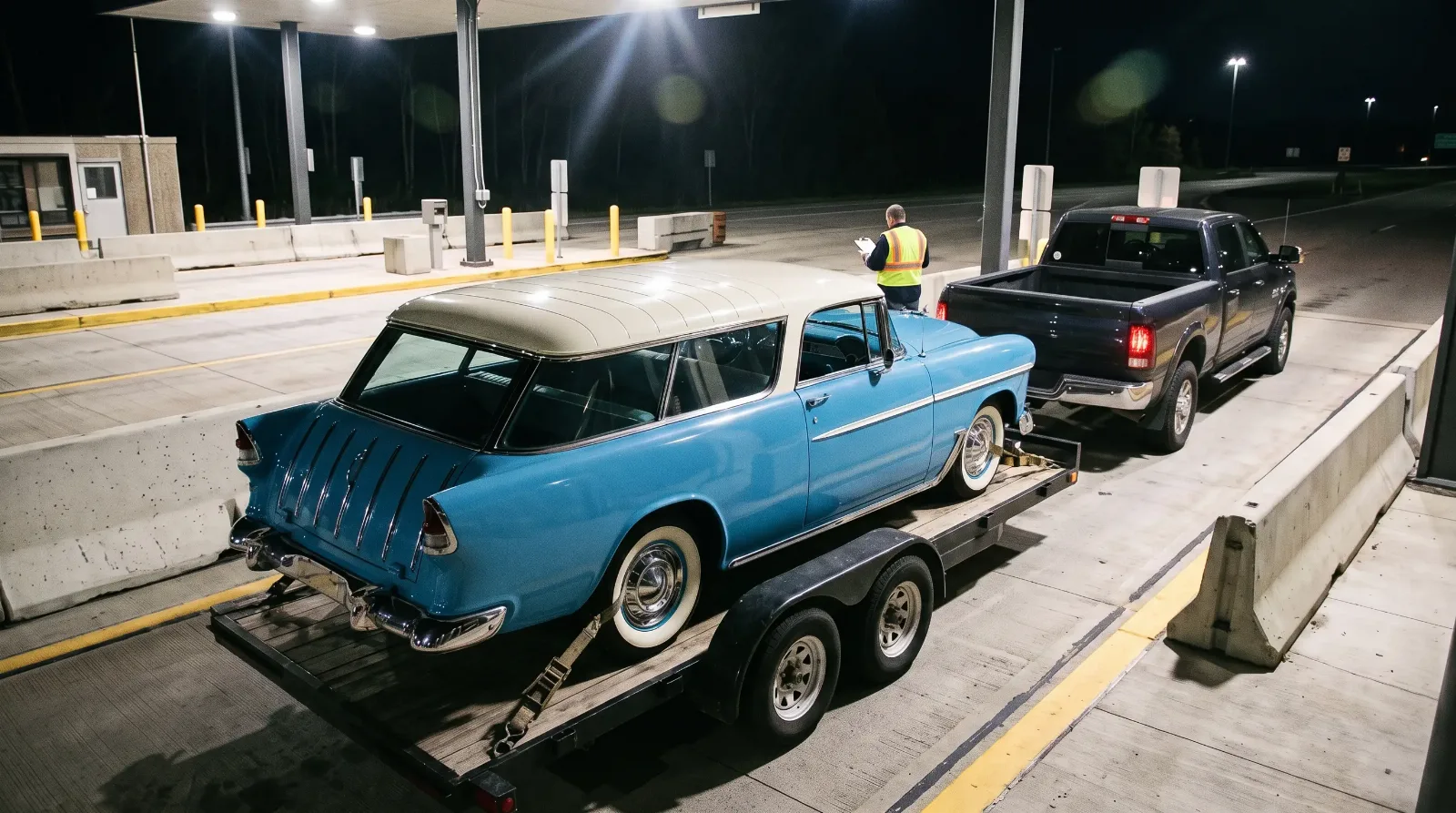
Park a 1969 Camaro at a cruise in Detroit, then trailer the same car to a show in Long Beach, then drive it to a gathering outside Atlanta. Three crowds, three completely different conversations. In Detroit they will ask who built the engine and whether the trim tag is correct. In California they will look at the stance and the paint and ask what you did to the suspension. In the South they will want to know how it runs and whether you would race it. Same car. Three regions that fell in love with muscle for different reasons and never quite got over their differences.
Ownership & Lifestyle
6 min read
Regional Muscle Culture: Detroit, California, and the South
Detroit prizes originality, California prizes style, the South prizes speed. How three regions fell for muscle cars differently and still shape the hobby.
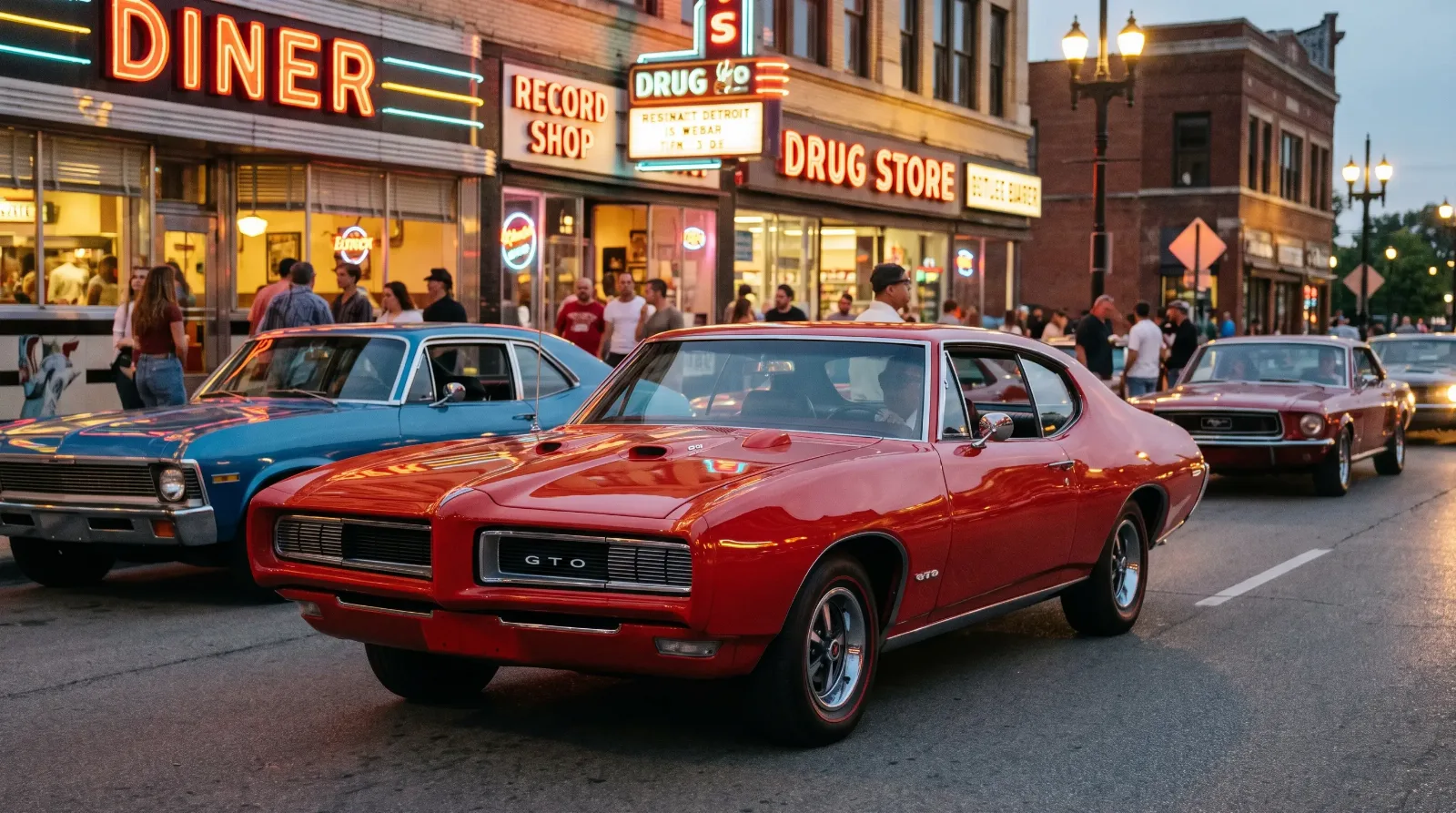
Muscle car culture is national now, but it did not grow up that way. It grew up local, shaped by geography, industry, weather, and the particular history of each place. The result is that the hobby still speaks in regional accents, and knowing them tells you a lot about where a car and its owner actually come from. This pairs well with the broader muscle car culture coverage.
Detroit: where the cars were born
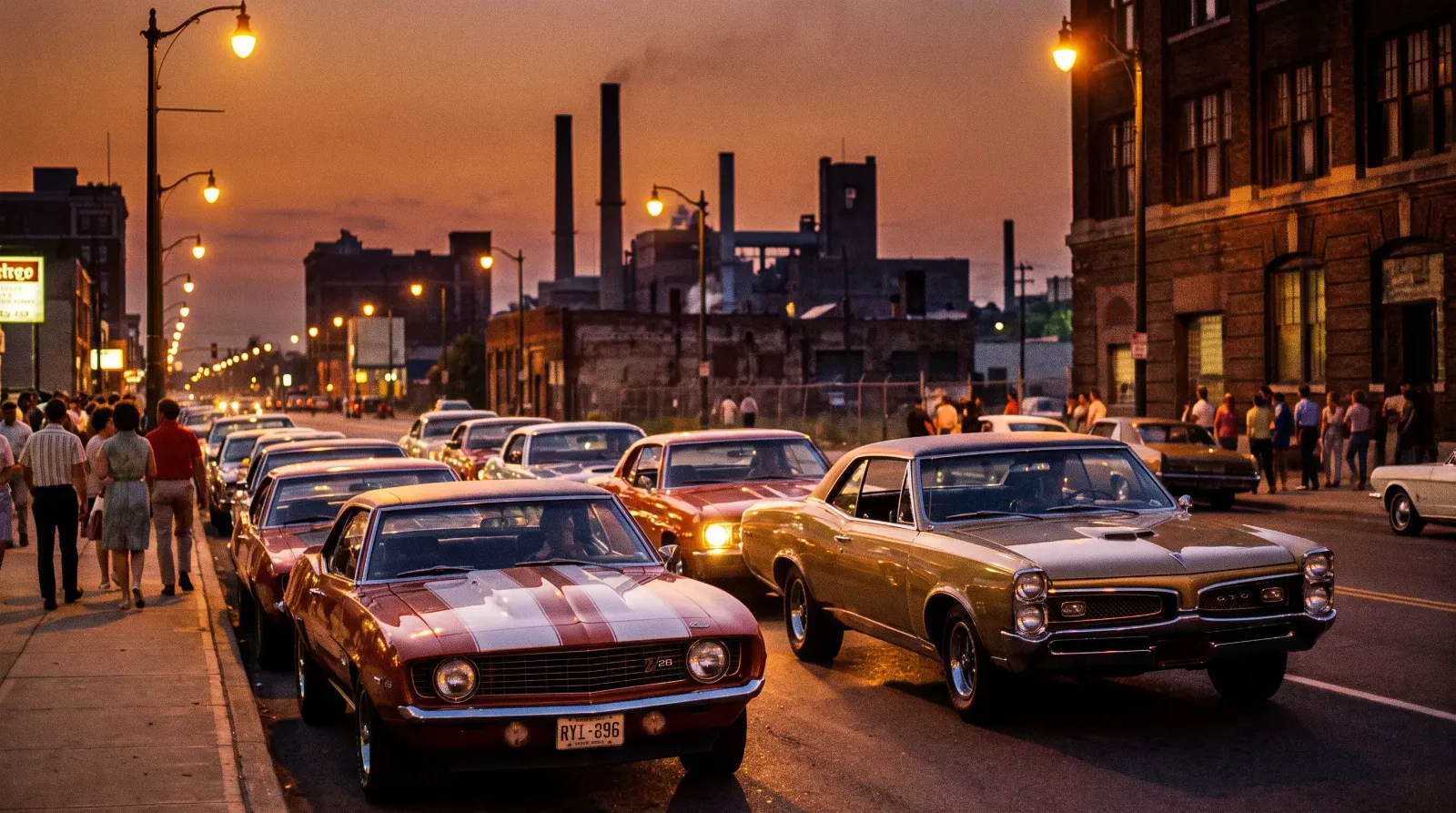
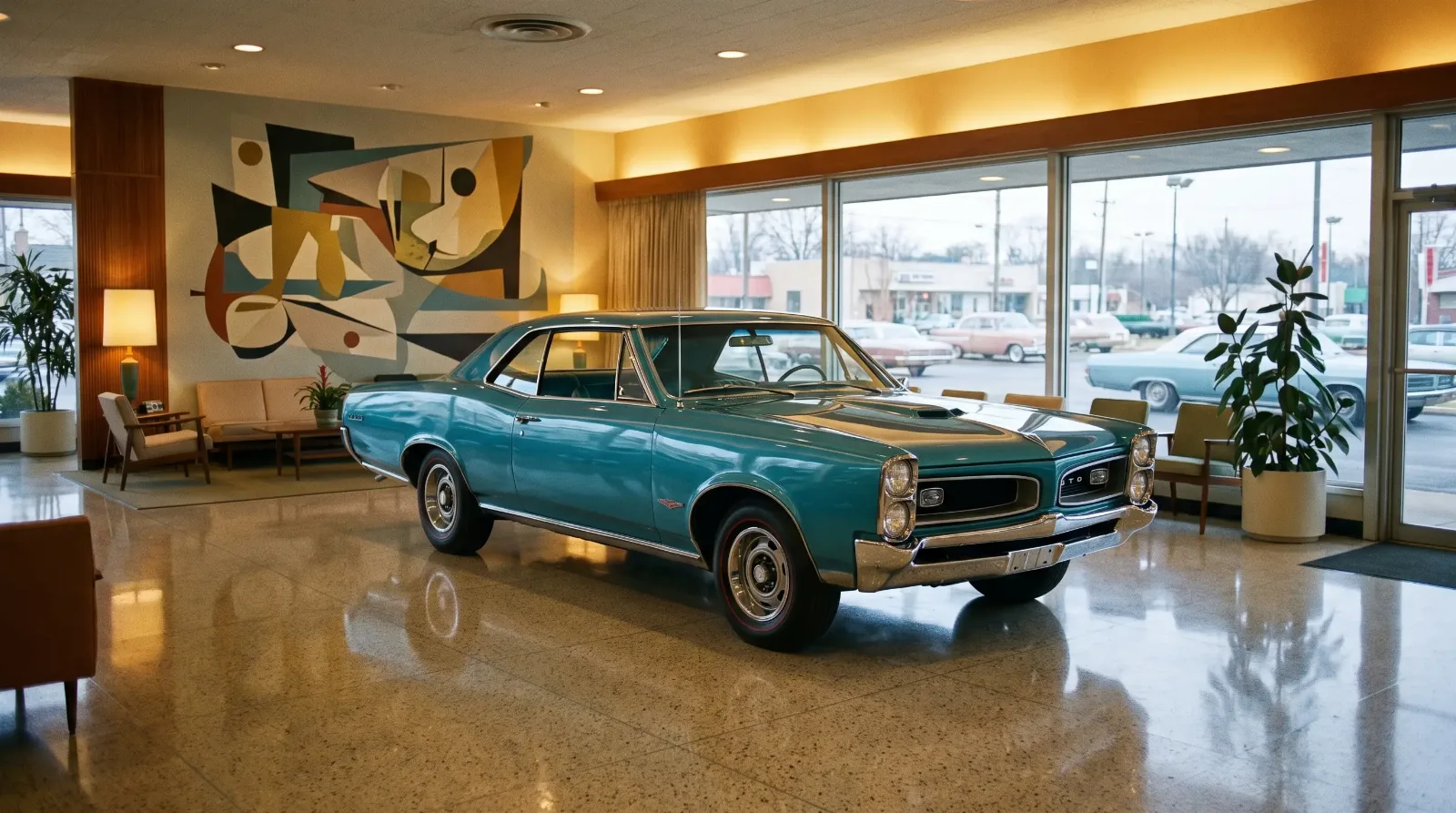
Detroit's relationship with muscle cars is different from everywhere else because Detroit built them. The people cruising Woodward Avenue in 1968 were often the same people who assembled the cars during the day. That gives the Motor City scene a factory-floor authenticity nobody else can claim. The knowledge runs deep, the standards run high, and the emphasis lands on originality and correctness.
Woodward Avenue remains the spiritual center. It is where the horsepower wars were literally settled in stoplight races between engineers testing their own products, and the Woodward Dream Cruise every August is the largest expression of that heritage. Detroit culture cares about numbers-matching engines, factory documentation, and getting the details exactly right, because in Detroit these were never just cars. They were the family business.
Southern California: style and the aftermarket
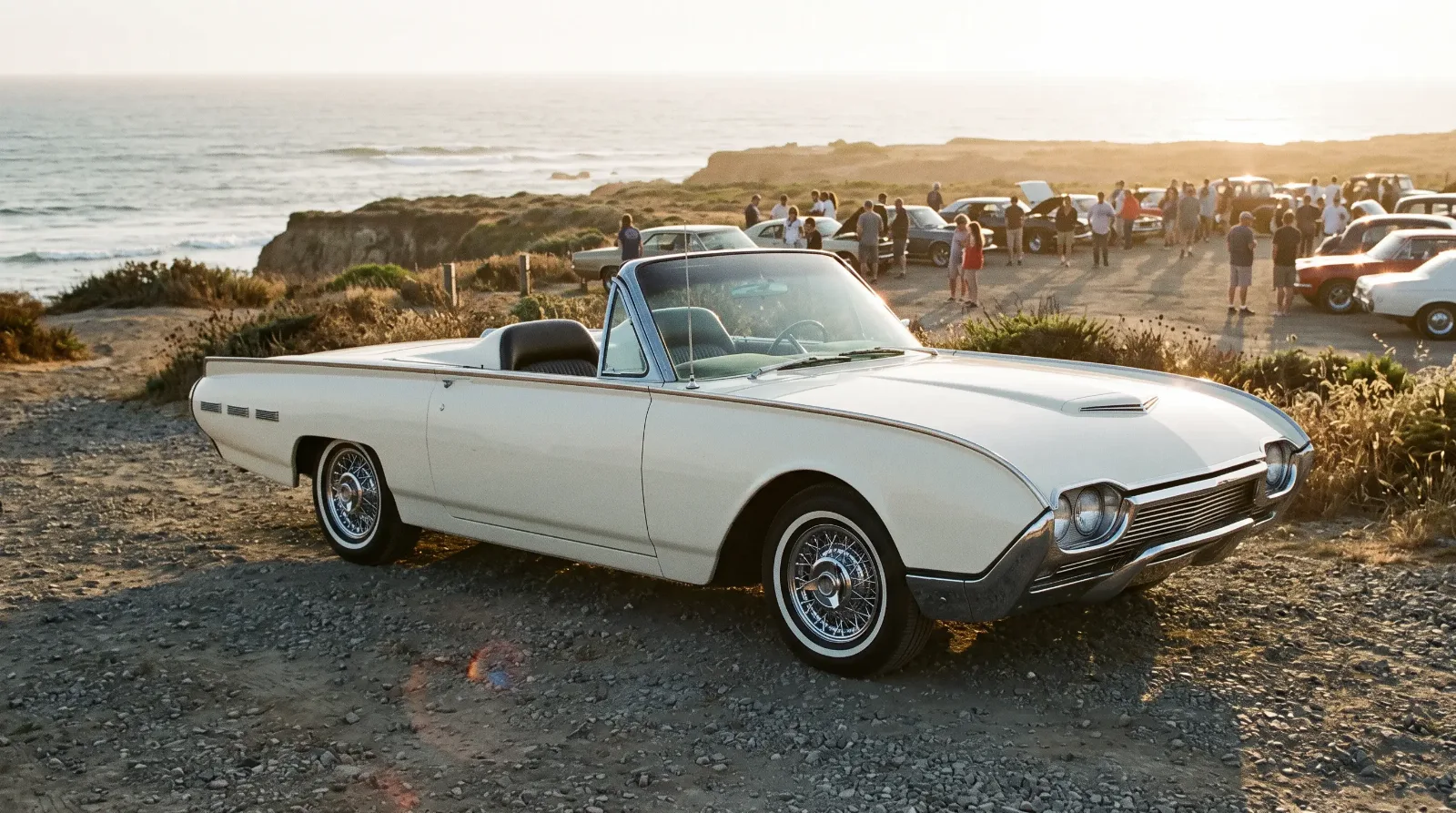
Southern California took the same cars and pointed them in a different direction. The car culture there predates the muscle era by decades, running back through hot rods, customs, and the dry lakes racers of the 1940s. When muscle cars arrived, SoCal treated them the way it treated everything, as a starting point for personal expression rather than a finished artifact to preserve.
The Southern California scene is where a huge share of the performance aftermarket grew up, and the regional attitude reflects it. Modification is respected, not frowned upon. Stance, paint, wheels, and a well-sorted suspension matter as much as engine numbers. Cruising the boulevards, from Van Nuys to the beach towns, gave the culture a public, style-first flavor that still marks a California car the moment it rolls off the trailer.
The South: horsepower and the racing bloodline
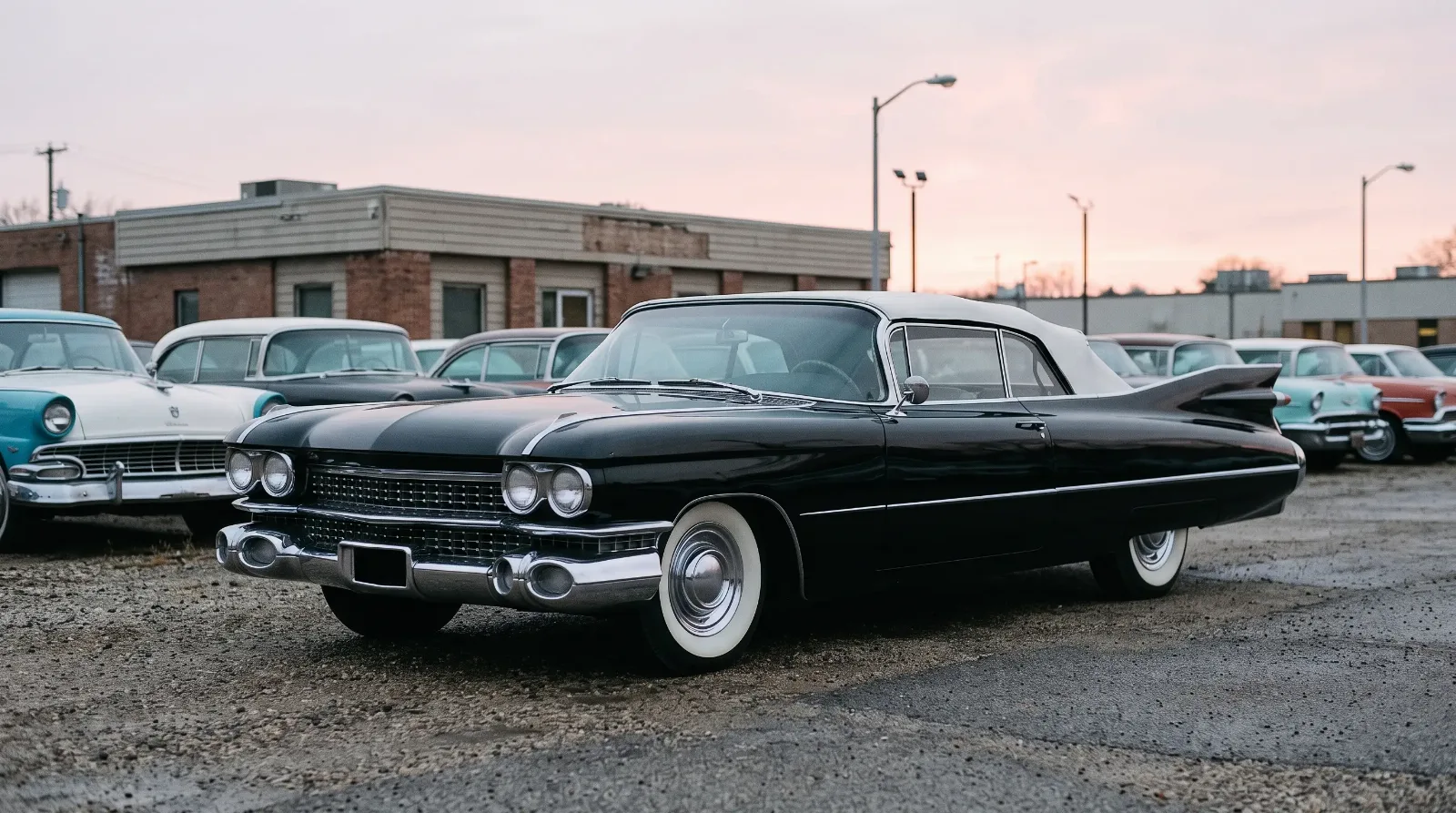
The South loved muscle cars for the most direct reason of all. They were fast, and the South already had a deep relationship with going fast. The region's racing roots run back to Prohibition-era moonshine runners who built quick cars to outrun the law, and that bloodline flowed straight into stock car racing and then into the muscle car.
Southern muscle culture leans toward driving and racing over static display. NASCAR grew out of the region, the drag racing scene ran hot across every small-town strip, and the emphasis on a car that actually performs is stronger here than anywhere. A Southern muscle car is more likely to be driven hard, raced on a weekend, and judged on what it does rather than how perfectly it sits. The culture respects a car that runs.
Reading a car by its region
You can often guess where a muscle car spent its life just by how it presents. The regional signatures are that consistent, and they come from real differences in climate, history, and local values rather than anything imagined.
| Region | Core value | Signature event | What gets prized |
|---|---|---|---|
| Detroit / Midwest | Originality, factory correctness | Woodward Dream Cruise | Numbers-matching, documentation |
| Southern California | Style, personal expression | Boulevard cruising, big shows | Stance, paint, aftermarket build |
| The South | Performance, racing heritage | Drag strips, NASCAR country | How hard it runs |
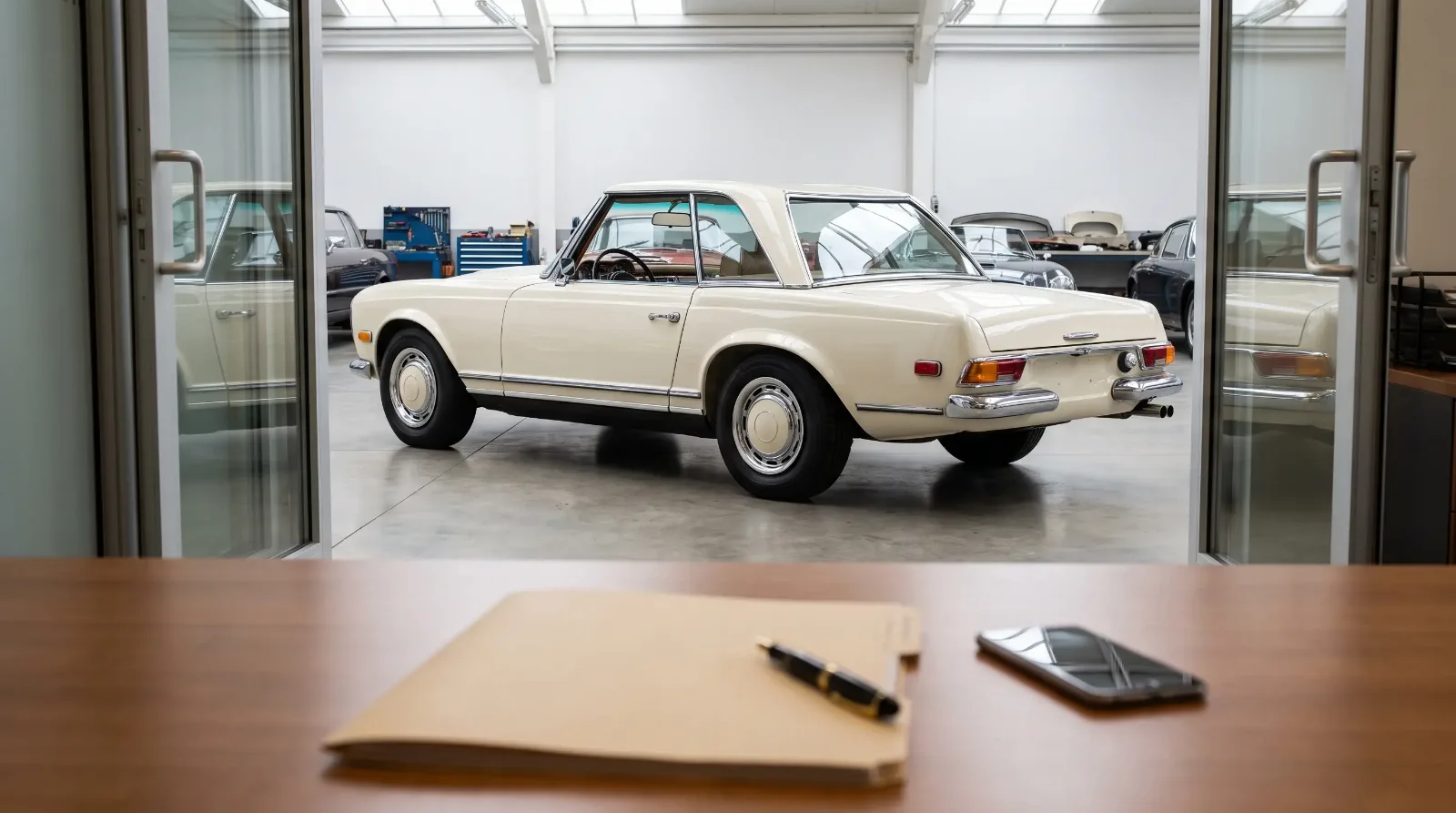
Climate plays into it too. A Southern or Western car often has a cleaner body from decades in dry air, while a Midwestern survivor that dodged the road salt is a genuine find. These are generalizations, and every region has its purists and its rebels. But the accents are real, and they persist even as the hobby has gone national. Even the way people talk about the cars shifts by region. A Midwesterner names the engine casting number, a Californian describes the paint code, and a Southerner tells you the trap speed. The vocabulary follows the values, and once you learn to hear it, a five-minute conversation at a show tells you where a car grew up.
"I've followed the same model of car to shows in all three regions, and it's like watching three different movies about the same actor. Detroit wants to know its birthday. California wants to know its wardrobe. The South just wants to know if it can run. None of them are wrong. They just fell for the car for different reasons, and sixty years later you can still hear it."
Patrick Walsh
One hobby, many hometowns
The regional differences are not a division. They are the richness of the thing. A national hobby that all sounded the same would be duller and smaller. Instead the muscle car culture carries the whole country inside it, Detroit's factory pride and California's style and the South's love of speed, all gathered around the same American machines.
The best part is watching the accents meet. Take a Detroit purist to a California show or a Southern racer to a Woodward cruise and something good happens. They argue, then they learn, then they realize they are all there for the same reason. The regions built the culture separately. Now they share it, and the conversation is better for never quite agreeing. To see how that shared culture shows up in print and paper, here is read the full story.
Related Reading
Have a
Classic Car
for Sale?
Reach thousands of serious classic car collectors across the US.
Sell It Here →
Are You a Classic Car Dealer?
List your full inventory and connect with targeted classic car buyers.
Join as a Dealer →
#woodward avenue
#regional muscle car culture
#Detroit muscle
#California car culture
#Southern racing

About the author
Patrick Walsh
Automotive journalist covering classic car shows, events, and the enthusiast community across North America.
More in Ownership & Lifestyle
Comments
Be the first to comment on this article.