
The first time somebody called a Pontiac GTO a Goat, it was probably not a compliment. Nobody is quite sure where the name started, whether it came from GTO said fast and sloppy or from the way the car butted its way to the front of a stoplight pack. It stuck anyway, and that is the strange magic of muscle car names. Half of them were dreamed up in a marketing meeting and half of them came off the street, and the ones that lasted are almost always the ones people gave the cars themselves.
Ownership & Lifestyle
6 min read
Muscle Car Nicknames and Their Origins
The Judge, the Goat, Super Bee, Beep Beep and more. Where classic muscle car nicknames came from, from TV catchphrases to street slang.
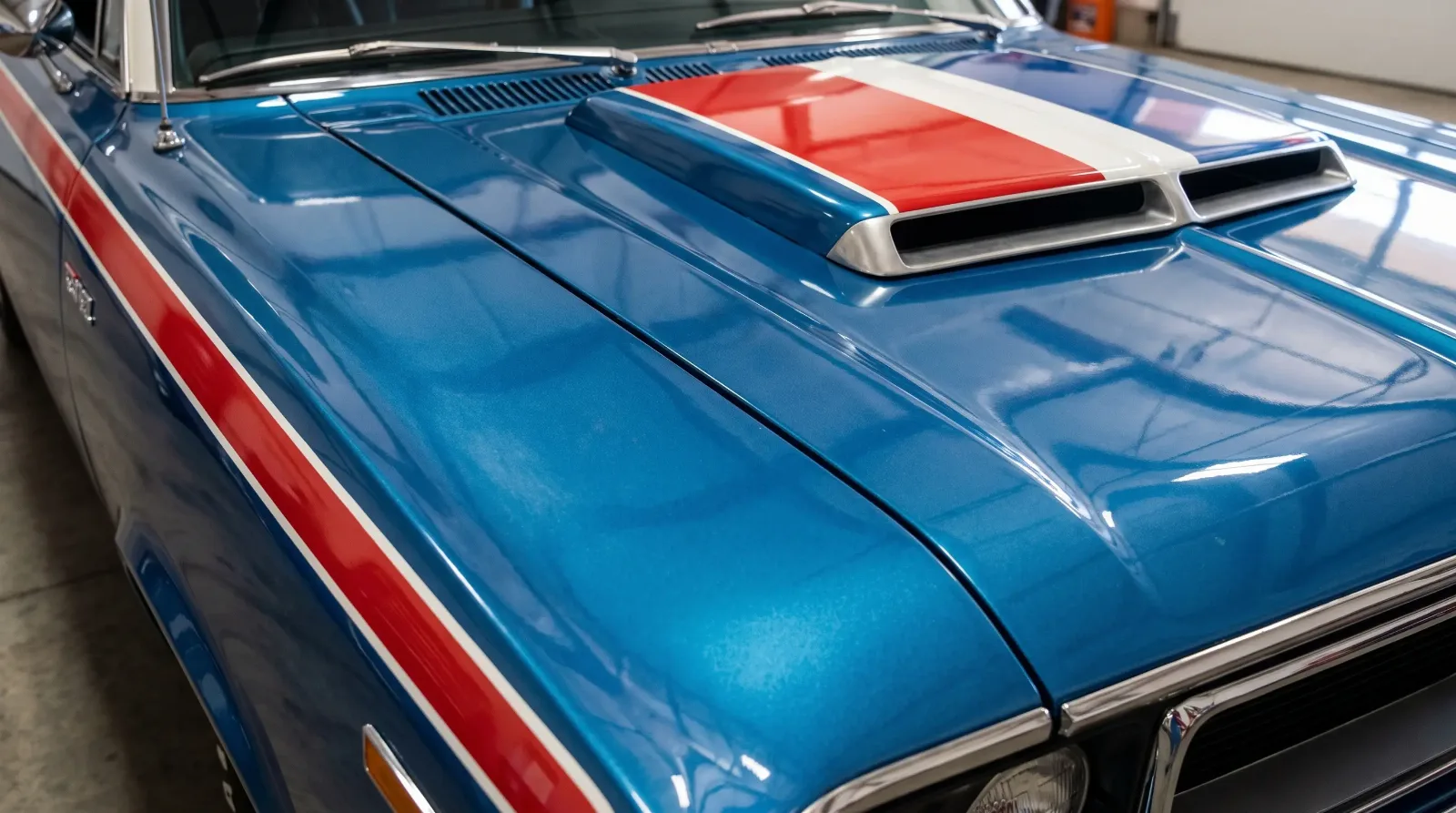
Muscle car nicknames are a language all their own, and once you learn to read them you understand the whole era better. Some were jokes. Some were television references nobody under sixty gets anymore. Some were just the sound a car made when it was doing what it was built to do. Together they tell you what these machines meant to the people who lived with them, a subject we cover it in detail across the rest of our culture coverage.
Names that came from television
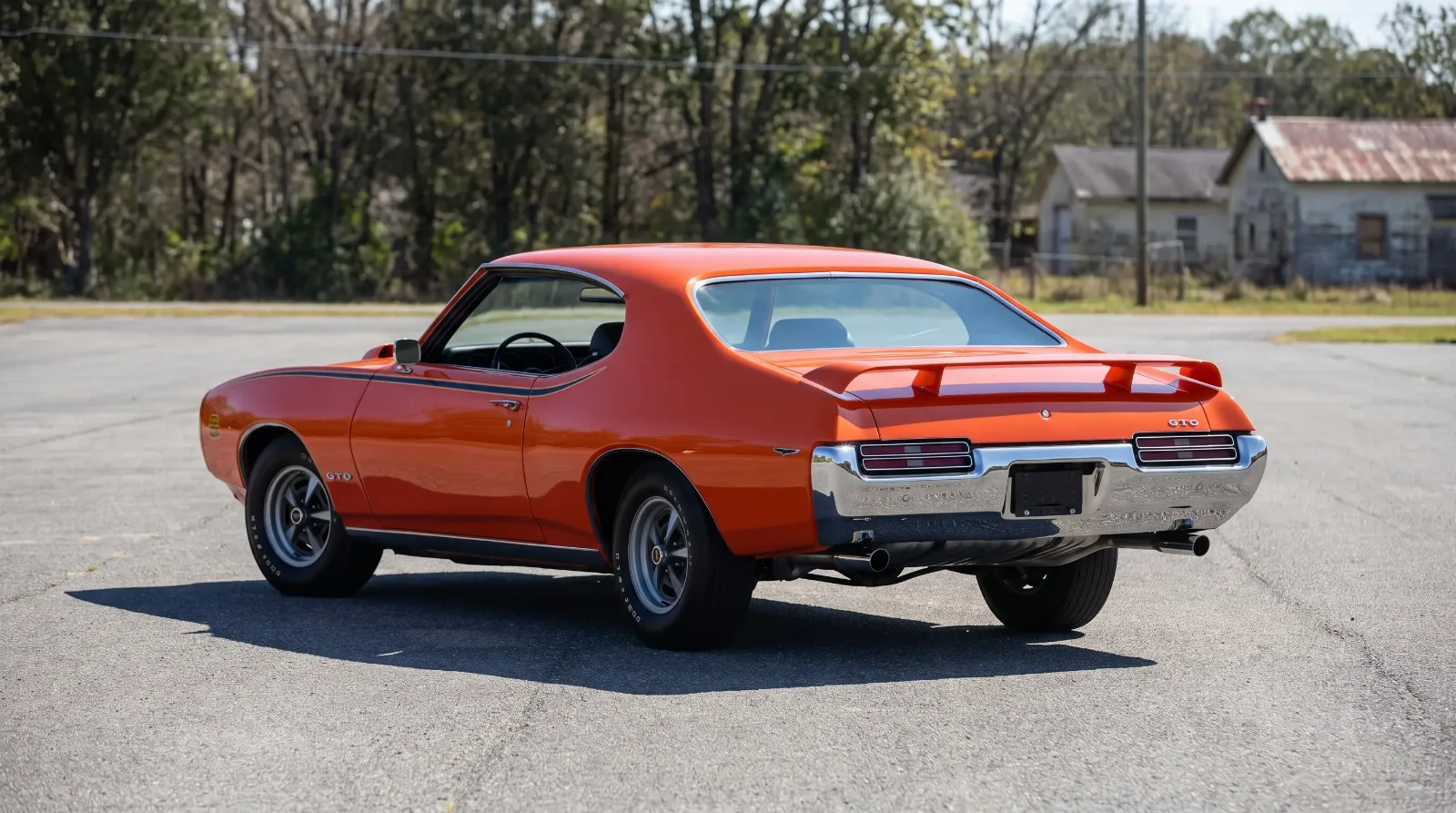
The best example of pop culture leaking straight into the sheet metal is the GTO Judge. In 1969 Pontiac needed a halo version of the GTO, and the marketing team reached for a catchphrase that was everywhere at the time. Here Comes the Judge was a running bit on the hit comedy show Laugh-In, repeated on stage and radio until the whole country knew it. Pontiac slapped the line on a loud, striped, wing-tailed GTO and the Judge was born. It was topical, it was a little goofy, and it worked.
That was the gamble with a television name. It made the car feel current and in on the joke, which is exactly what a young buyer wanted. The risk was that the joke would age, and it did. Today most people who love a Judge have no idea it was named after a comedy sketch. The name outlived the reference, which happens more often than you would think in this hobby. The car became the meaning.
Names that came from the cartoon
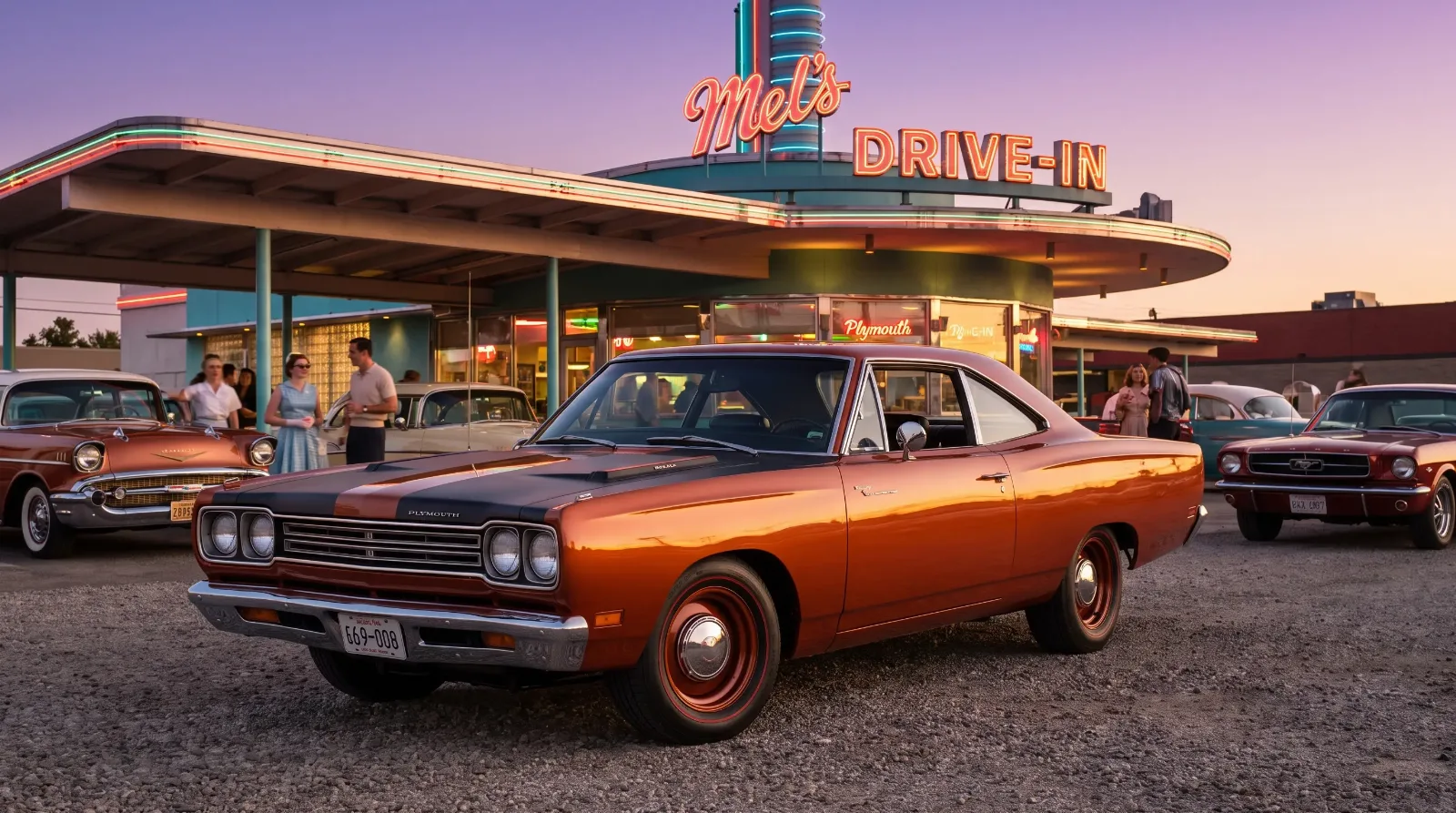
Plymouth went to the same well and drank deeper. For the 1968 Road Runner, the company licensed the Warner Bros cartoon bird, put it on the fenders, and built a horn that went beep beep to match. The name did double duty. It told you the car was fast and it told you it did not take itself seriously, which suited a budget muscle car built to undercut the competition. Kids loved it. Their fathers loved that it was cheap. The Road Runner became one of the defining cars of the era on the strength of a cartoon and a horn.
Dodge answered with its own insect. The Super Bee arrived on the Coronet as Dodge's entry in the cheap-and-fast class, tied to the Scat Pack theme and its cartoon bumblebee mascot. The name played on Coronet's B-body designation, turned into a bee, then dressed up with the bumblebee stripes that wrapped the tail. It was clever wordplay that also happened to look great on a fender badge. These were serious cars sold with a wink, and the names carried the wink.
| Nickname | Car | Where it came from |
|---|---|---|
| The Judge | 1969 Pontiac GTO | Laugh-In comedy catchphrase |
| Beep Beep | Plymouth Road Runner | Warner Bros cartoon and matching horn |
| Super Bee | Dodge Coronet | B-body wordplay plus the Scat Pack bee |
| The Goat | Pontiac GTO | Street slang, exact origin debated |
| The Machine | 1970 AMC Rebel | Factory model name worn on the flanks |
Names that came off the street
The factory names are only half the story. The other half came from the people, and those tend to be the ones enthusiasts actually use. The GTO is the Goat. The Barracuda became the Cuda, a shortening so natural that Plymouth eventually made it official on the badge. The Super Sport Chevelles and Camaros are just SS cars to anybody who owns one. Even the giant engines got their own slang, with the 426 Hemi called the elephant motor for its size and the way it dominated everything around it.
Street names work differently than marketing names. Nobody has to approve them and nobody can kill them. They spread by word of mouth at drag strips and drive-ins until they are simply what the car is called, and by the time the factory notices, it is too late to argue. That bottom-up naming is one of the truest signs of how deep these cars sank into everyday American life. People do not give affectionate nicknames to appliances. They give them to things they love.
The names that named a whole line
Some names were so good they escaped their original car and became categories. Boss started as the Boss 302 and Boss 429 Mustangs and grew into automotive shorthand for the best version of anything. The AMC entry deserves a mention here too, because the smallest of the independents swung above its weight with the Rebel Machine in 1970, a red-white-and-blue full-size bruiser that wore The Machine right on the flanks. It was a defiant name from a defiant company that could not match Detroit's budgets and made up the difference with nerve.
These naming instincts did not stop at the factory door. Dealers got into the act too, building and badging their own specials with names as bold as anything the manufacturers dared. That world of dealer-tuned machines has its own set of legendary nameplates, and you can read the full story of how the dealership performance shops made their mark.
"A great car name is a promise the machine has to keep. Call something the Judge or the Road Runner and you had better be able to back it up at the light, because everybody in the parking lot just heard the challenge."
Patrick Walsh
Ask an owner why he loves his car and he will almost always use the nickname, not the model designation. It is never the 1969 GTO Judge. It is the Judge. That small shift tells you everything. The names stopped being labels and became identities, and half a century later they are still the first thing out of anybody's mouth at a show.
Related Reading
Have a
Classic Car
for Sale?
Reach thousands of serious classic car collectors across the US.
Sell It Here →
Are You a Classic Car Dealer?
List your full inventory and connect with targeted classic car buyers.
Join as a Dealer →

About the author
Patrick Walsh
Automotive journalist covering classic car shows, events, and the enthusiast community across North America.
More in Ownership & Lifestyle
Comments
Be the first to comment on this article.