
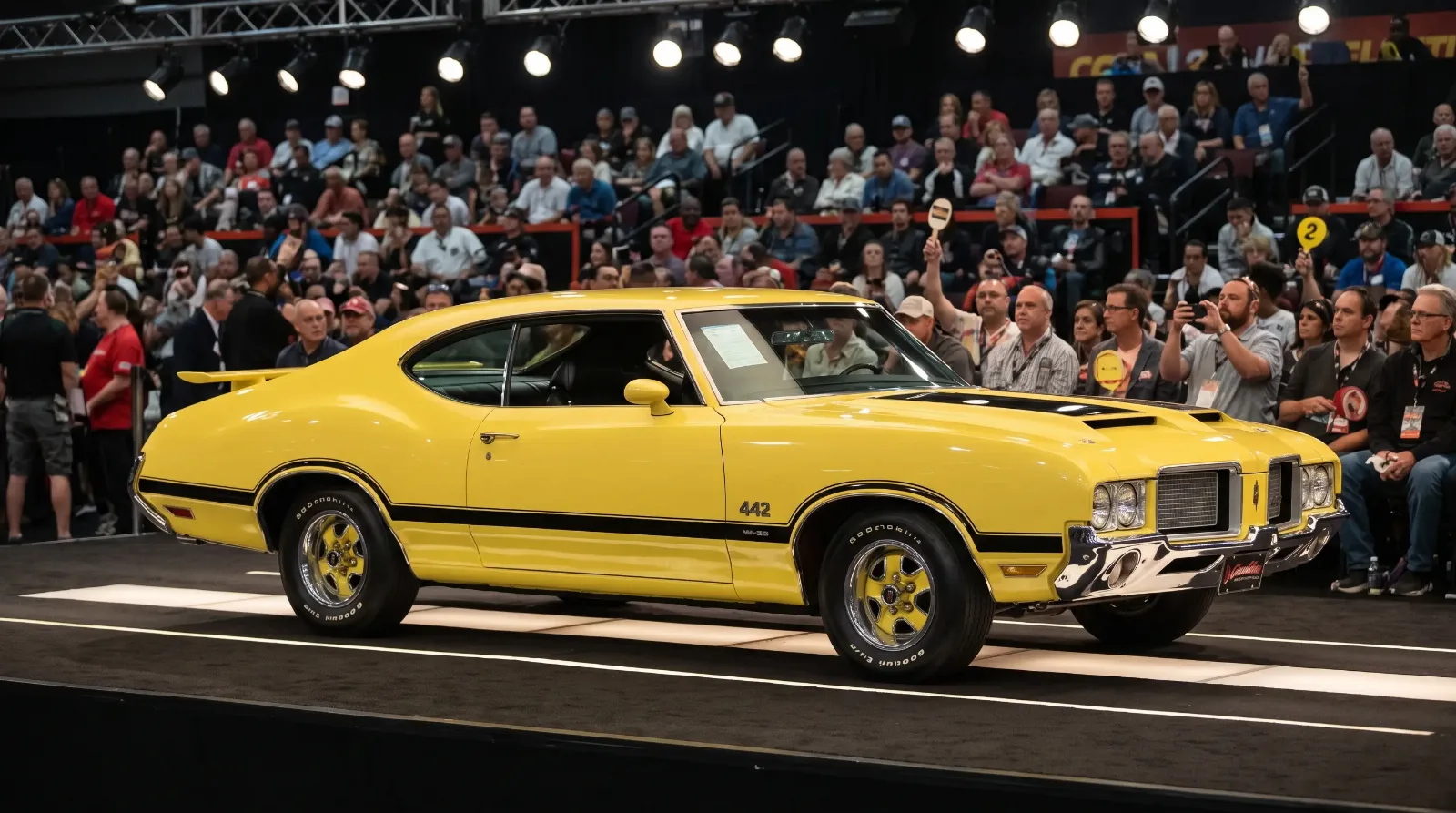
Detroit built a lot of fast cars in the muscle years, but the factories also drew lines they would not cross. Corporate rules capped engine sizes, insurance companies watched the horsepower numbers, and the accountants got nervous when a car got too wild. So a handful of dealers said fine, we will do it ourselves. They pulled cars off their own showroom floors, tore into them, and sold something the factory would not. I have worked on enough of these over the years to tell you they were the real deal, and today they are some of the most valuable American iron there is.
Ownership & Lifestyle
6 min read
Dealer-Special Muscle: Yenko, Baldwin-Motion, Mr. Norm's
The dealers who built muscle cars Detroit wouldn't. Yenko, Baldwin-Motion, Mr. Norm's, Royal Pontiac and how to spot a real one from a clone.
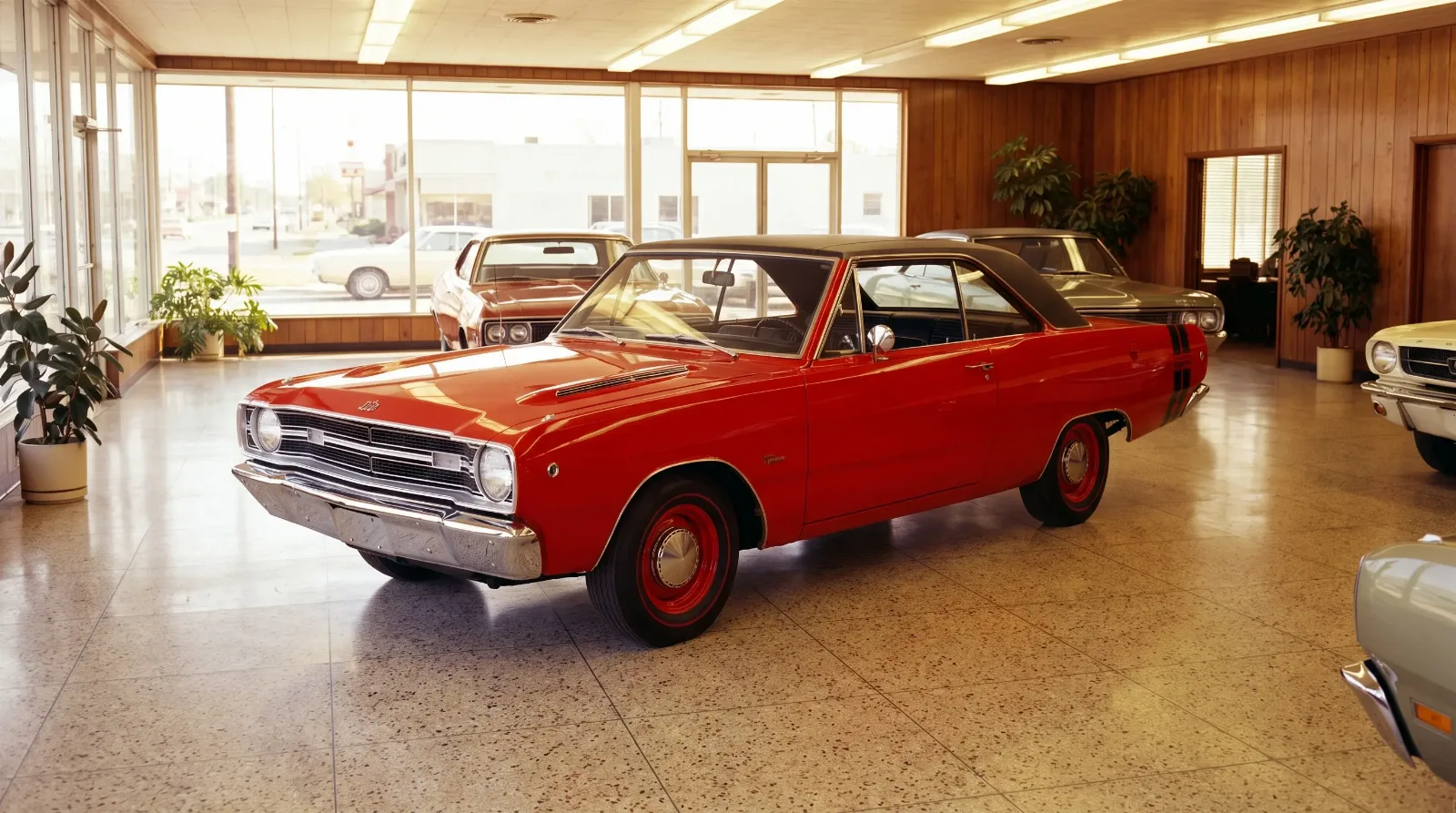
Dealer special muscle cars sit in a strange spot in the story. They came from the same factories, wore the same badges, and then got a second build from a guy who knew exactly which corners of the rulebook had gaps in them. The good ones are documented, the fakes are everywhere, and knowing the difference is most of the game. Our culture coverage has walked through the wider culture that produced these cars, but this is about the shops themselves.
How the dealers got around Detroit
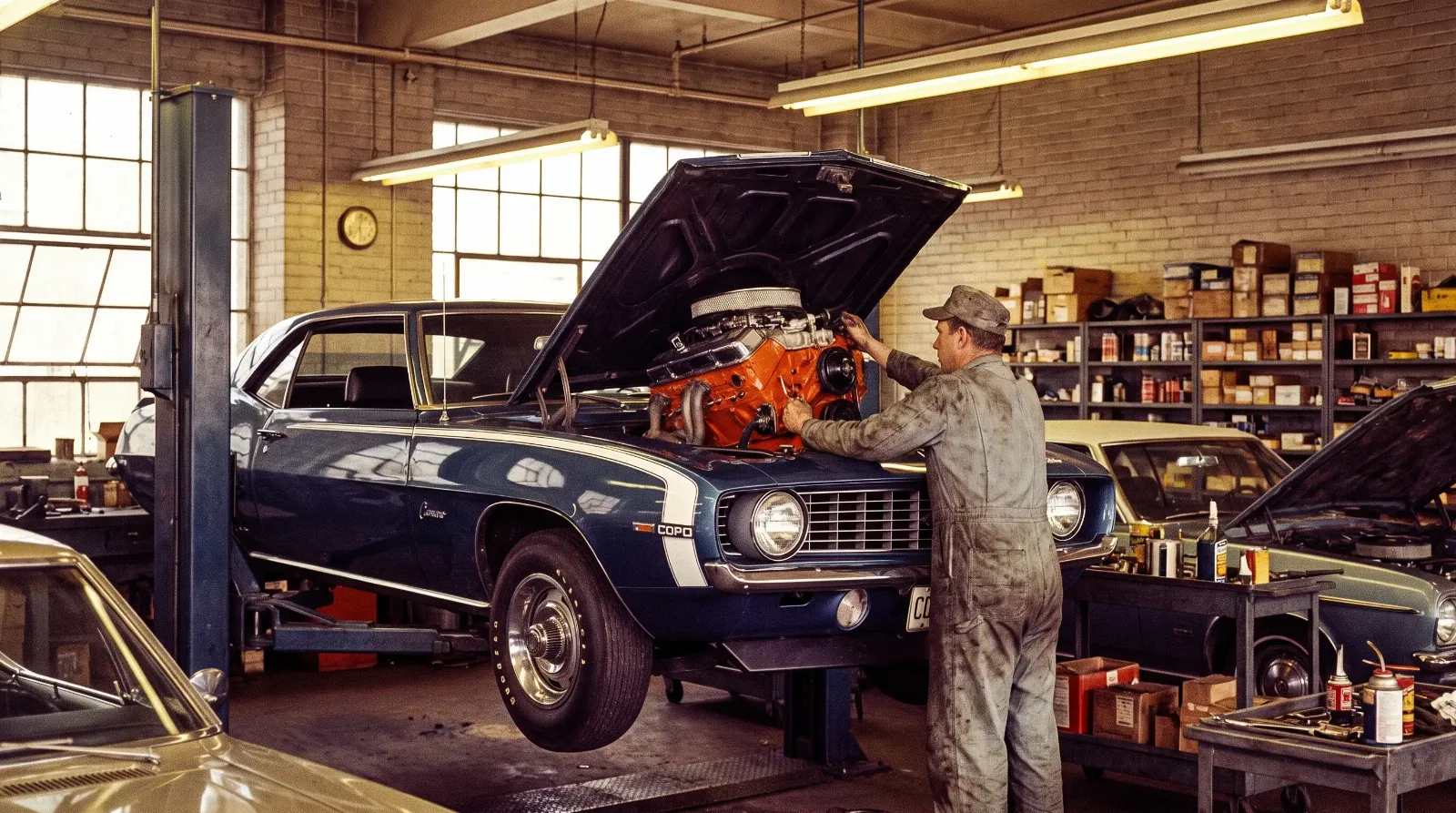
The trick most of these shops used was simple in principle and a headache in practice. If the factory would not put the big engine in the small car, the dealer would swap it in after the fact, or find a way to order it through a back channel. Chevrolet had a system called the Central Office Production Order, COPO for short, meant for fleet buyers and special orders. A few clever dealers figured out they could use it to order Camaros and Chevelles with the 427 big-block that the regular order sheet would not allow.
That is how you got factory-built 427 Camaros in 1969 without Chevrolet ever advertising one. The paperwork went through the side door. Other shops did the heavy lifting themselves, yanking the smaller engine on the lift and dropping in a 427 they sourced from the parts network. Either way the result was a car that ran far harder than anything the salesman down the street could hand you. The economics only worked because young buyers would pay for it, and plenty did.
The shops that made the names
A few names carry real weight, and they earned it. Don Yenko ran a Chevrolet store in Canonsburg, Pennsylvania, and his Yenko Super Cars turned Camaros, Novas, and Chevelles into 427 monsters. By 1969 Yenko was using the COPO system to get the factory to build the 427 Camaros for him, then adding his own stripes, badges, and warranty. Those sYc cars are blue-chip today.
Out on Long Island, Baldwin Chevrolet teamed up with Joel Rosen's Motion Performance to build the Baldwin-Motion Phase III cars, and Rosen famously guaranteed his 427 Camaros would run a certain quarter-mile time or he would make them right. In Chicago, Norm Kraus ran Mr. Norm's Grand-Spaulding Dodge and built some of the wildest Mopars around, including small Dart bodies stuffed with big Chrysler engines. Nickey Chevrolet, also in Chicago, worked with Bill Thomas to build 427 Camaros of its own. And up in Royal Oak, Michigan, Ace Wilson's Royal Pontiac turned out the Royal Bobcat GTOs, tuned right there at the dealership.
| Dealer / tuner | Location | Known for | Signature build |
|---|---|---|---|
| Yenko Chevrolet | Canonsburg, PA | Yenko Super Cars (sYc) | COPO 427 Camaro, Nova, Chevelle |
| Baldwin-Motion | Long Island, NY | Phase III performance guarantee | 427 Phase III Camaro |
| Mr. Norm's Grand-Spaulding Dodge | Chicago, IL | Wild Mopar packages | Big-block and Hemi Dart GSS |
| Royal Pontiac | Royal Oak, MI | Royal Bobcat tuning | Bobcat GTO |
| Nickey Chevrolet | Chicago, IL | Early 427 swaps | 427 Camaro |
What to watch for when you buy one
Here is where I get blunt, because this is where people lose real money. A genuine dealer special is worth a fortune, and that means the fakes outnumber the real ones by a wide margin. Anybody can order a set of Yenko stripes and a badge kit. Stripes and badges prove nothing. What you want is documentation, a paper trail back to the dealer, and where it applies, the correct COPO or order codes on the cowl tag and the build records.
I have crawled under cars wearing all the right emblems that turned out to be a base coupe with a swapped engine and a good paint job. The tribute cars are fine if that is what you want and you pay tribute money for them. The problem starts when somebody prices a clone like the real thing. Get the numbers checked by someone who knows the specific shop, because each dealer had its own way of documenting a car, and the registries and marque experts have seen every trick. Do not write the check on the strength of a stripe.
Why they still matter
These cars taught the whole industry a lesson that stuck. The dealers proved there was a market for cars built past the factory limits, and that lesson never went away. When the horsepower wars came back decades later with big-engine factory specials and dealer-tuned modern muscle, the blueprint was already written on Long Island and in Chicago and Canonsburg. If you want to see how that appetite came roaring back, read the full story of the modern revival.
What I respect about the original dealer builders is that they were not marketing men. They were car guys with a lift and a parts book who wanted to build something faster than the corporation would allow, and they bet their own money on it. The muscle car hub covers the factory side of the era, but the dealer specials are the part of the story built by hand, one car at a time, by people who could not leave a fast car alone.
"A real dealer car has the paperwork to back the badges. If all you've got is stripes and a story, you've got a clone, and I've seen too many people pay Yenko money for a base coupe with a swap."
Mike Sullivan
Find a documented one and you own a genuine piece of history, built by a shop that dared to do what Detroit would not. Just make sure the tag matches the tale before you get excited. In this corner of the hobby, the paperwork is worth as much as the engine.
Related Reading
Have a
Classic Car
for Sale?
Reach thousands of serious classic car collectors across the US.
Sell It Here →
Are You a Classic Car Dealer?
List your full inventory and connect with targeted classic car buyers.
Join as a Dealer →

About the author
Mike Sullivan
Detroit-area muscle car enthusiast and restoration specialist with three decades of hands-on experience working on American iron.
More in Ownership & Lifestyle
Comments (1)
D
Dale Pruitt
2 months ago
Market for these has been stable longer than I expected. Thought prices would soften after the last run-up. They've held.