
I was standing in a convention center in Scottsdale in the middle of the 2000s, watching a well-dressed crowd bid a 1971 Hemi Cuda past a million dollars, and the man next to me kept shaking his head. He had owned one of these in 1974. Sold it for a couple thousand because it drank gas and scared his insurance man. Now he was watching the same car, more or less, sell for the price of a house. That moment says almost everything about the muscle car revival. The cars had not changed. What changed was how America decided to feel about them.
Ownership & Lifestyle
6 min read
The Muscle Car Revival of the 2000s
How the 2000s muscle car revival happened: aging buyers, televised auctions, Hollywood, and retro badges that confirmed the classics as icons.
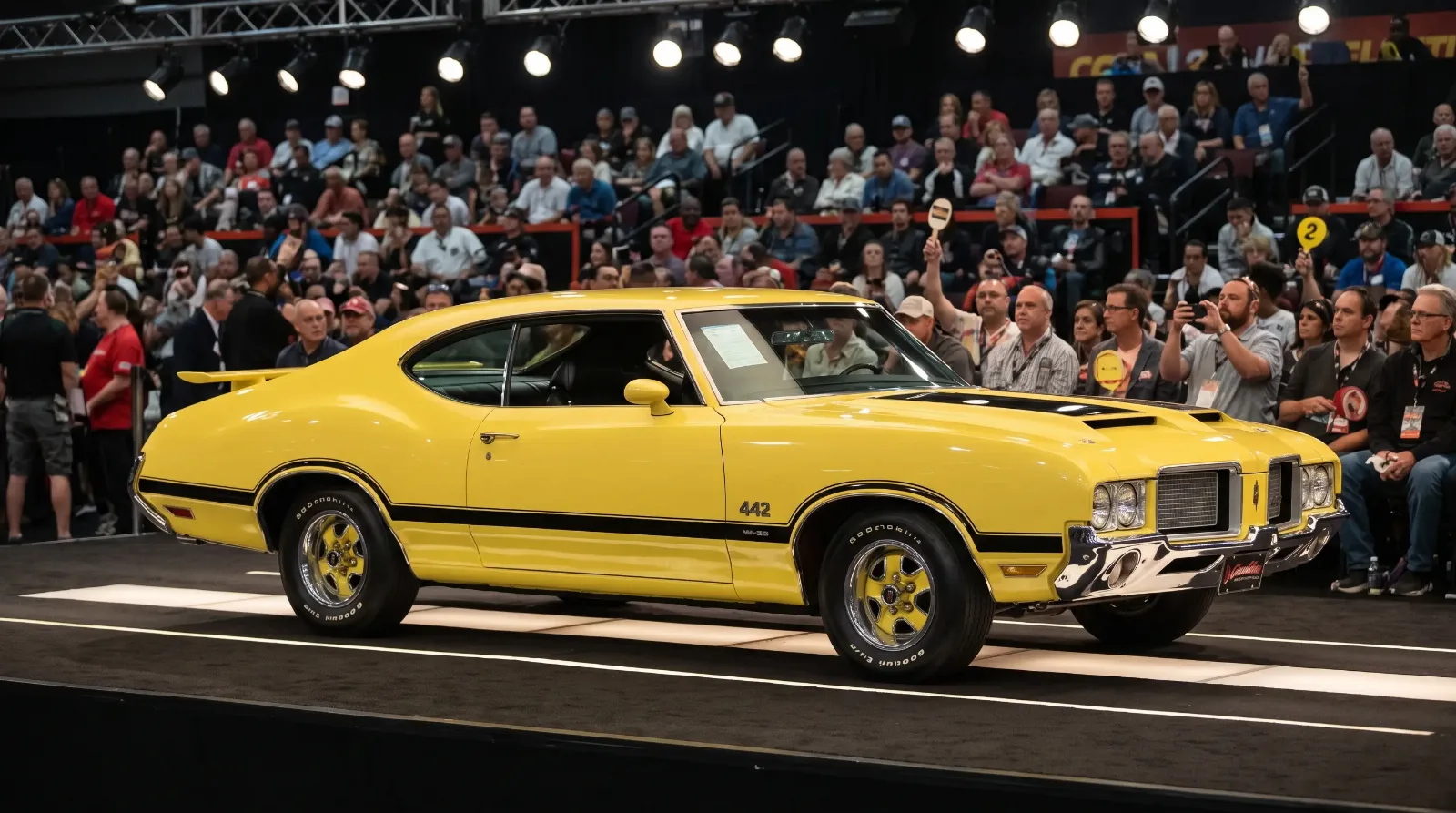
The revival of the 2000s was not really about new cars, though a few showed up wearing old names. It was about the classic era coming back into focus after thirty years in the wilderness, and a whole country deciding that the loud, thirsty, gloriously impractical machines it had dismissed were worth remembering. If you want the wider context, the muscle car culture guide lays out how muscle car culture spread from the street to the screen and back.
Why the originals never really left
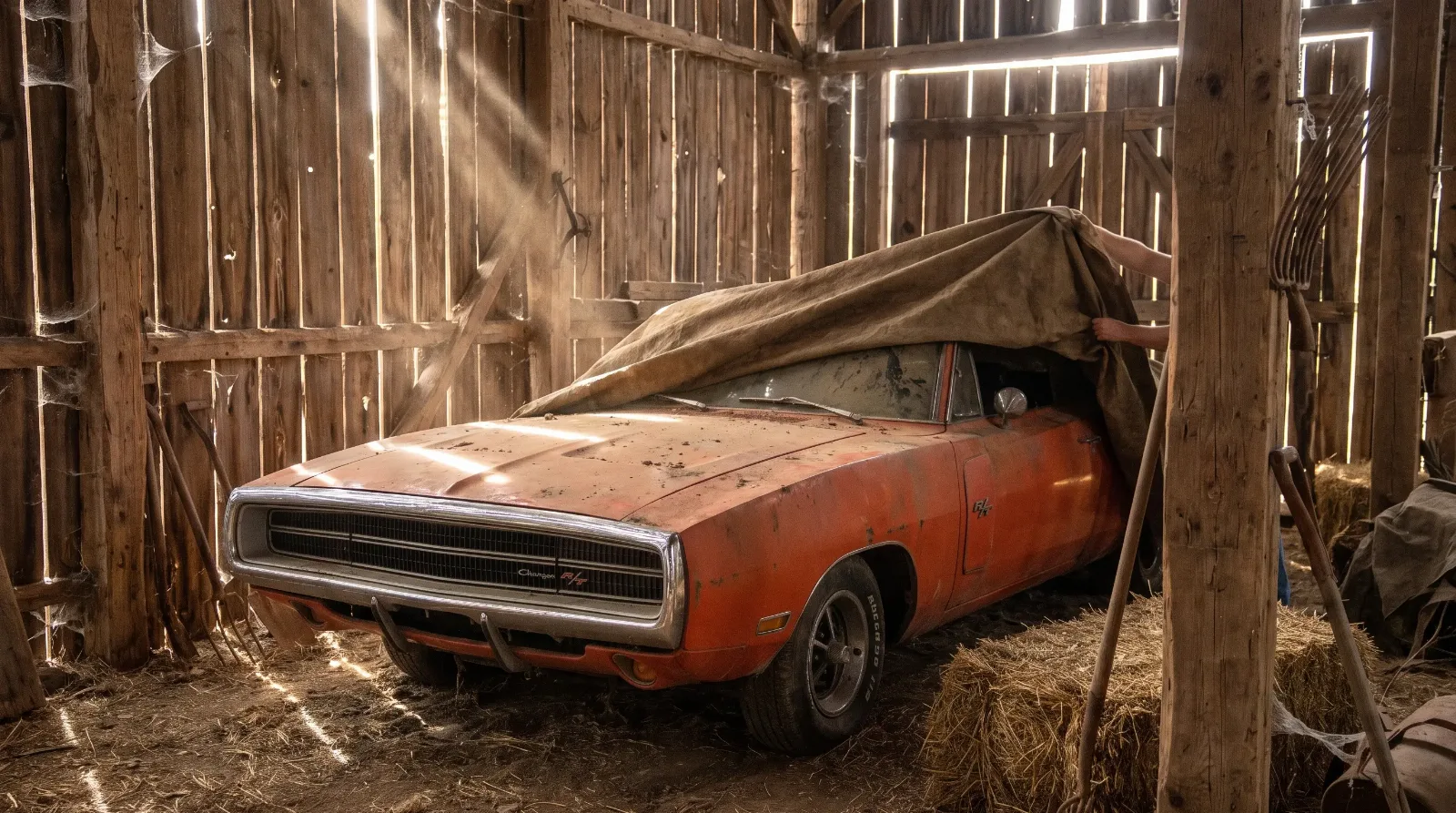
The classic muscle era ran out of road around 1971 and 1972. Insurance surcharges, emissions rules, and the first oil shock choked off the high-compression V8, and by the mid-seventies the badges that once meant something were stuck on soft, strangled cars making half the power. For most of the 1980s a real muscle car was a used car. Cheap, unfashionable, and quietly disappearing into scrap yards and back fields.
But a certain kind of person never stopped loving them. The guys who had been teenagers in 1968 grew up, paid off their mortgages, and started thinking about the car they wished they had never sold. That is the engine behind almost every collector market. A generation reaches the age and the income where it can finally buy back its youth, and it does, all at once. By the late 1990s that wave was building. By the middle 2000s it broke.
The auction block rewrites the story
Nothing drove the revival into public view like the televised auctions. When Barrett-Jackson landed on cable television, ordinary people who had never set foot on an auction floor watched muscle cars trade hands for numbers that made the evening news. A Hemi car crossing the block for seven figures was a story even non-enthusiasts repeated. Suddenly the rusty Chevelle in the neighbor's garage was not junk. It was an asset.
That attention changed behavior fast. Cars that had been driven and modified without a second thought became things to document, restore, and preserve. Build sheets and factory paperwork went from trivia to money. Rare option codes and the difference between a real Super Sport and a clone started to matter to people who once would not have cared. The market got serious, and with the seriousness came a flood of research, reproduction parts, and specialists who could make a tired original look the way it did on the showroom floor.
Hollywood keeps the engine running
The screen did its part too. When the first street-racing blockbusters arrived at the start of the decade, they put a charged Charger and a fleet of loud American iron in front of a young audience that had missed the original era entirely. The cars in those films were props, but the effect was real. Kids who were not alive when the GTO was new came out of the theater wanting the sound, the stance, and the attitude.
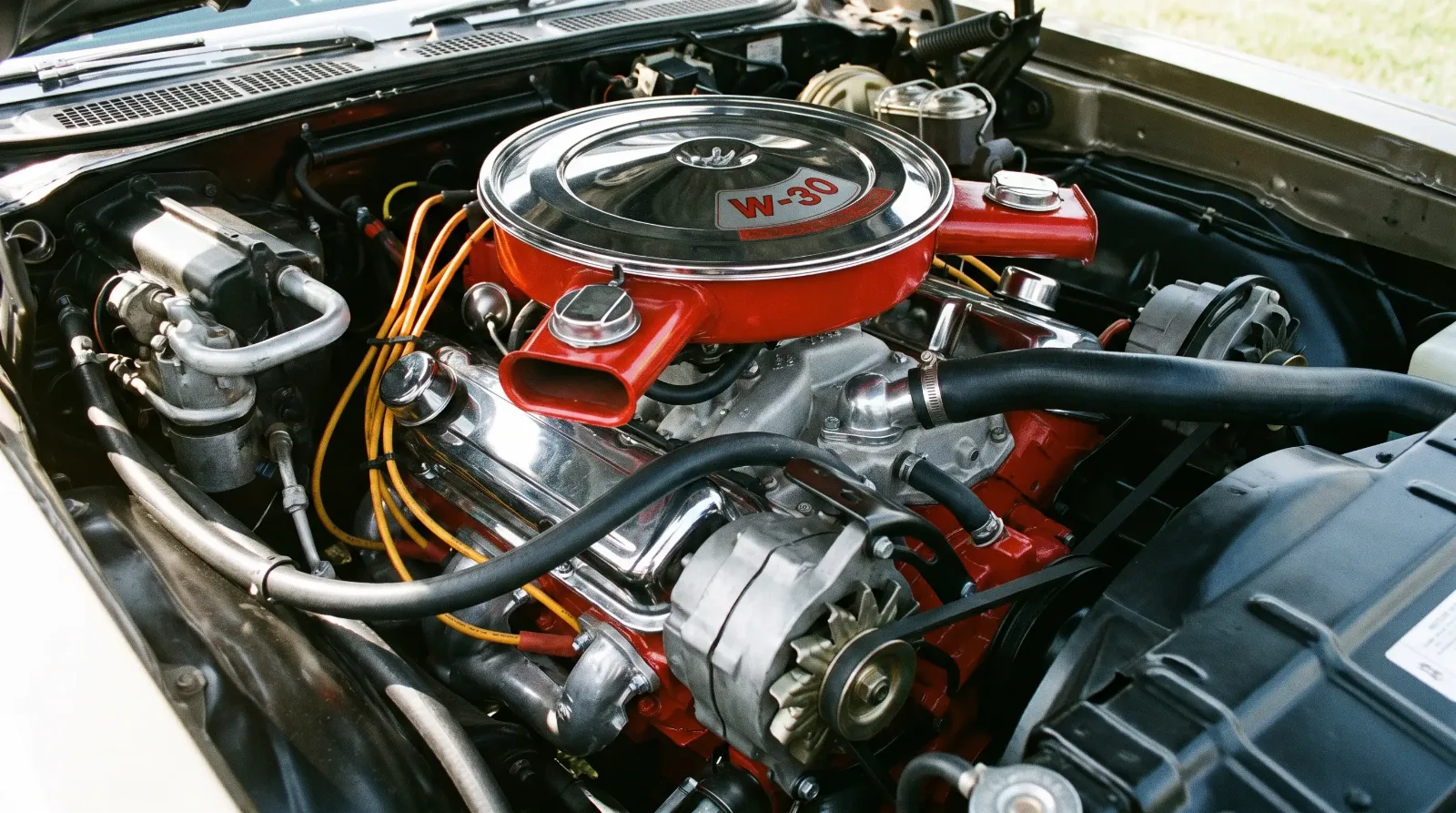
That is how a revival actually works. It needs the older buyers with the money and the younger fans with the hunger, and the 2000s had both at the same time. Part of the pull was always the noise these cars make, the specific low rumble that no modern engine quite copies, and if you want to understand that better you can read the full story of what gives a big-block its voice.
"The revival didn't invent anything. It just gave the country permission to admit it had loved these cars all along, and then it handed them a paddle and told them what that love was going to cost."
Patrick Walsh
New badges, old souls
The carmakers noticed, of course. When a retro-styled Mustang arrived for 2005 wearing the shape of a 1967 fastback, it sold on nostalgia as much as horsepower, and a returning Challenger and Camaro followed the same playbook later in the decade. But it would be a mistake to read those cars as the point of the revival. They were the result of it. Detroit builds what people already want, and by the time the retro models rolled out, the wanting had been proven at every auction and cruise night in the country.
What the modern cars really did was confirm the legacy. They borrowed the names, the stripes, and the silhouettes of the classics because those things had become cultural shorthand for a kind of American confidence. The originals were the reference. The new cars were the tribute.
| Force in the revival | What it drove |
|---|---|
| Aging first-owner generation | Rising demand and prices for the cars they grew up with |
| Televised collector auctions | Public awareness, documentation, serious money |
| Street-racing films | A new, younger fan base with no memory of the original era |
| Retro-styled new models | Confirmation of the classics as cultural icons |
What the revival was really about
Strip away the auction drama and the movie money and you are left with something simpler. The muscle car revival was a country making peace with its own past. For a long time these cars stood for everything a more cautious era wanted to leave behind, the waste, the danger, the swagger. Then enough time passed that the swagger read as romance instead of recklessness.
The lasting result is not the new cars in the showroom. It is that the originals are safe now. A 1970 Chevelle or a Boss 429 will never again be scrapped for being old and thirsty, because a generation decided they were worth more than that. The revival did not bring muscle cars back. They never actually left. It just made sure they would stay.
Related Reading
Have a
Classic Car
for Sale?
Reach thousands of serious classic car collectors across the US.
Sell It Here →
Are You a Classic Car Dealer?
List your full inventory and connect with targeted classic car buyers.
Join as a Dealer →

About the author
Patrick Walsh
Automotive journalist covering classic car shows, events, and the enthusiast community across North America.
More in Ownership & Lifestyle
Comments
Be the first to comment on this article.