
A location scout on a car chase film once told a story about the day the picture car coordinator brought three options to set: a Charger, a Mustang, and a Chevelle. The director walked around all three, said nothing for a while, then put his hand on the Chevelle's fender and asked what year it was. That was the whole decision. Nobody argued. There's something about the shape of this car that seems to end conversations rather than start them, and that instinct has repeated itself across decades of film and television in ways that go well past any one franchise.
Ownership & Lifestyle
6 min read
Why Hollywood Always Reaches for a Chevelle
From heist films to crime dramas, the Chevelle keeps landing on screen. Here's why its shape and reputation make it a favorite for casting directors.
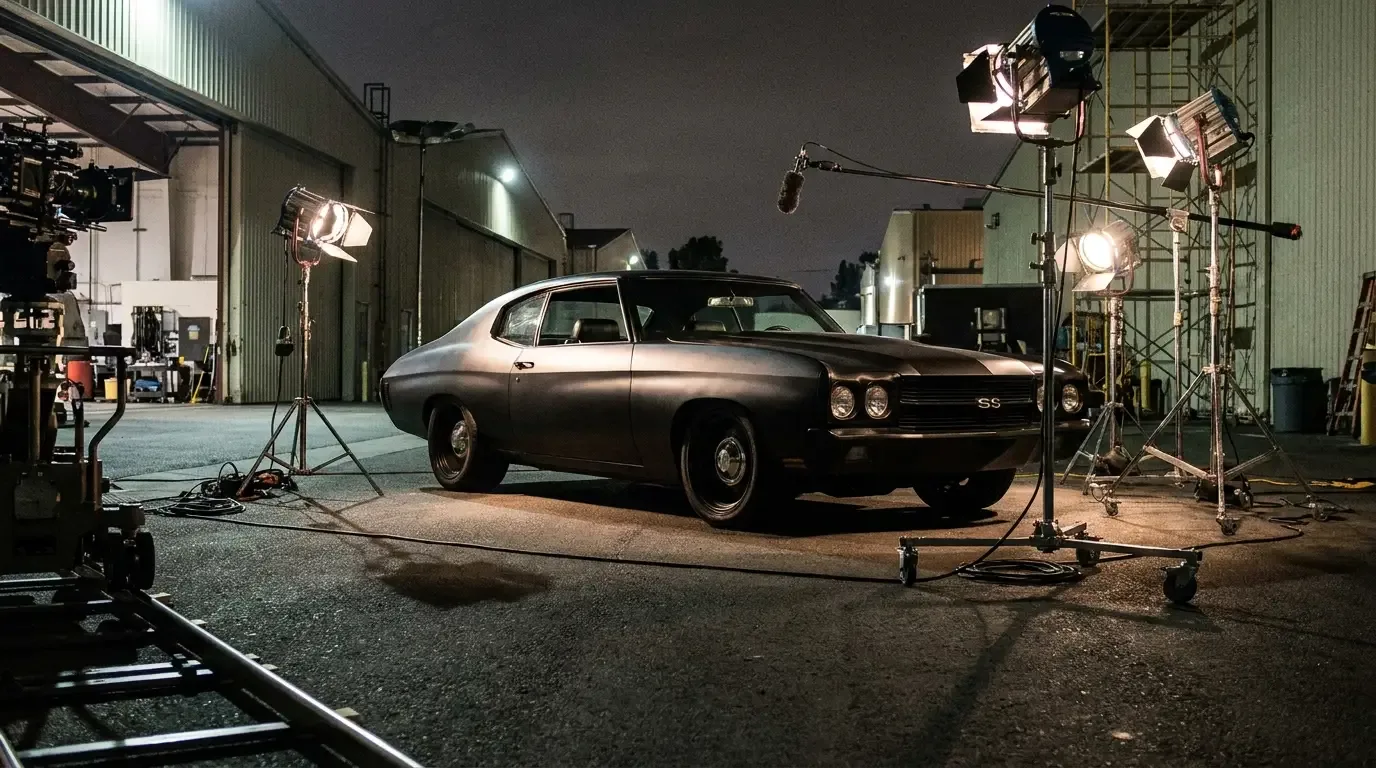
Chevrolet's mid-size A-body wasn't built to be a movie star. It was built to be a family sedan platform that Chevrolet happened to bolt big-block engines into for a few good years. But somewhere between the factory floor and the present day, the Chevelle became shorthand for a certain kind of American menace, and Hollywood noticed.
The shape does the acting
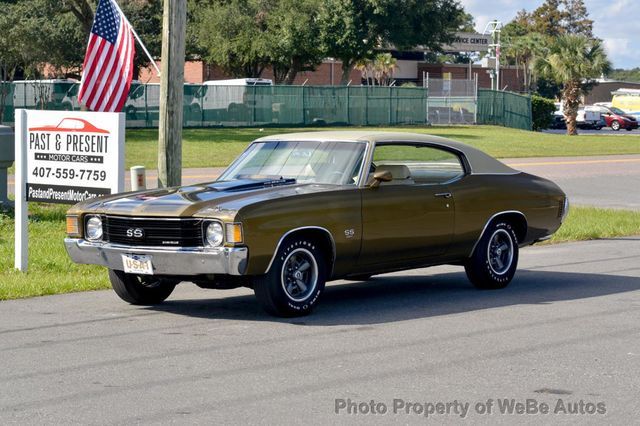
Directors and production designers talk about silhouette more than most people realize. A car has maybe a second and a half of screen time in a wide establishing shot before the audience's eye moves on, and in that second and a half, the vehicle has to read instantly. The Chevelle, particularly the 1970 to 1972 SS variants, has a low, wide, slightly hunched stance that photographs as aggressive from almost any angle. It doesn't need dialogue to explain what kind of character drives it.
Compare that to a lot of contemporary muscle, which tends toward chrome and brightwork that can read as flashy or even comic depending on lighting. The Chevelle's design leans plain in a way that becomes an asset on camera. It looks like a car that has been driven hard and worked on in a garage rather than one that's been polished for a showroom, which is exactly the read a lot of scripts are chasing when they need a character who's dangerous but not cartoonish.
A working-class car with an outlaw résumé
Part of the Chevelle's screen appeal traces back to who actually owned these cars new, and who kept them running after the muscle car era ended. This wasn't a car built for country club driveways. It was a car bought by young factory workers, service members, and blue-collar buyers who wanted real power for real money. That history gives the Chevelle a built-in credibility that a script doesn't have to invent. When a character in a heist film or a crime drama drives a beat-up Chevelle, audiences accept it without being told why, because the car itself carries decades of that association.
It also helps that the Chevelle has appeared often enough, across enough different kinds of productions, that it has become something close to a visual cliché in the useful sense, a shorthand the audience already understands. Once a shape becomes recognizable enough to skip explanation, directors reach for it again and again, which only reinforces the association further. It's a self-feeding cycle, and the Chevelle has been riding it for longer than most muscle cars manage.
Beyond the big franchises
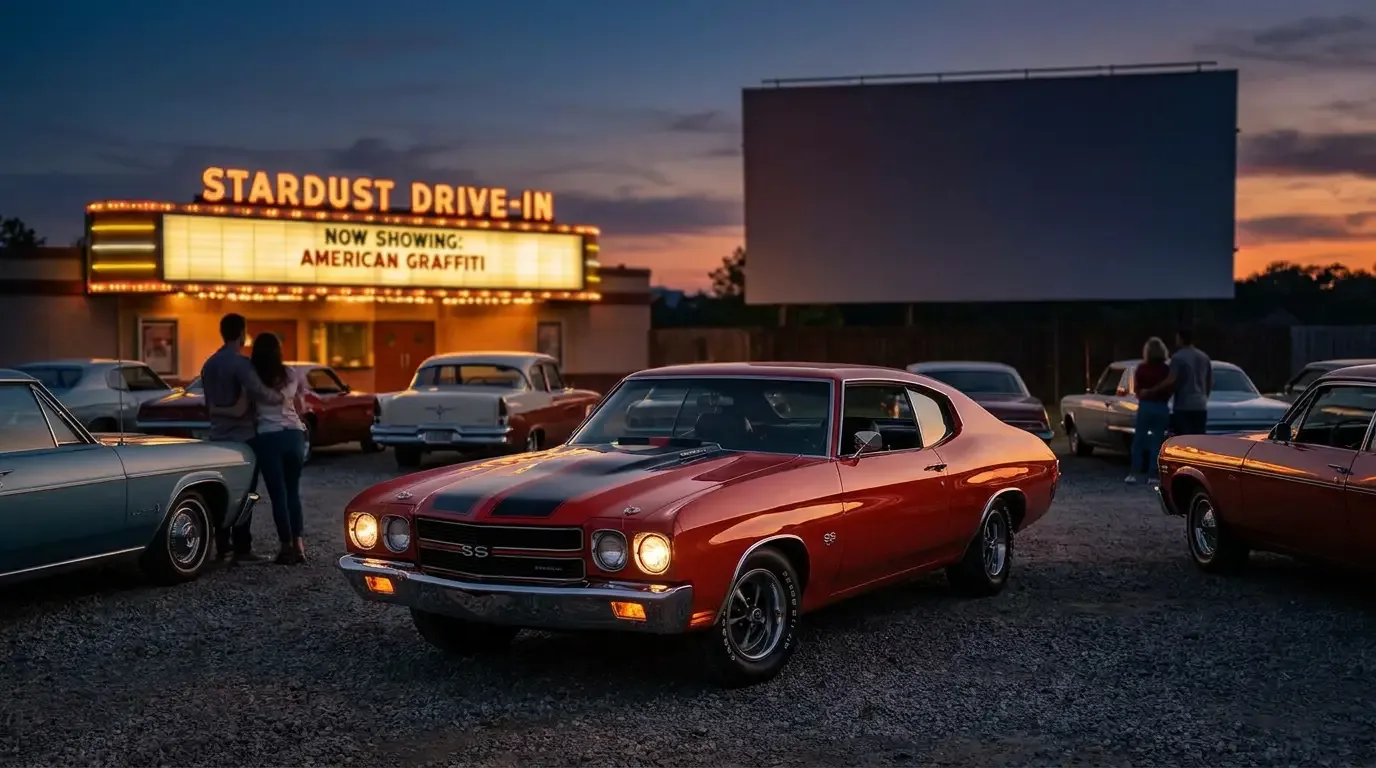
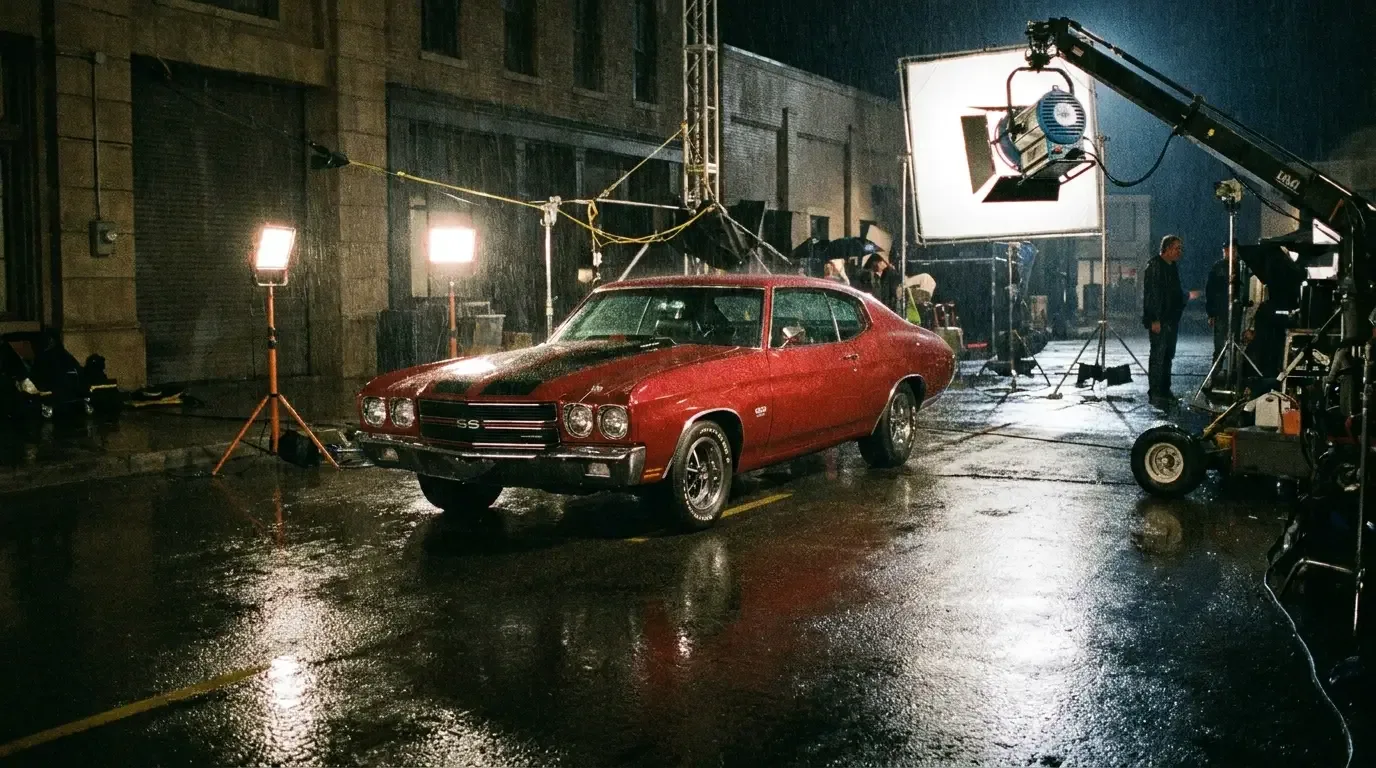
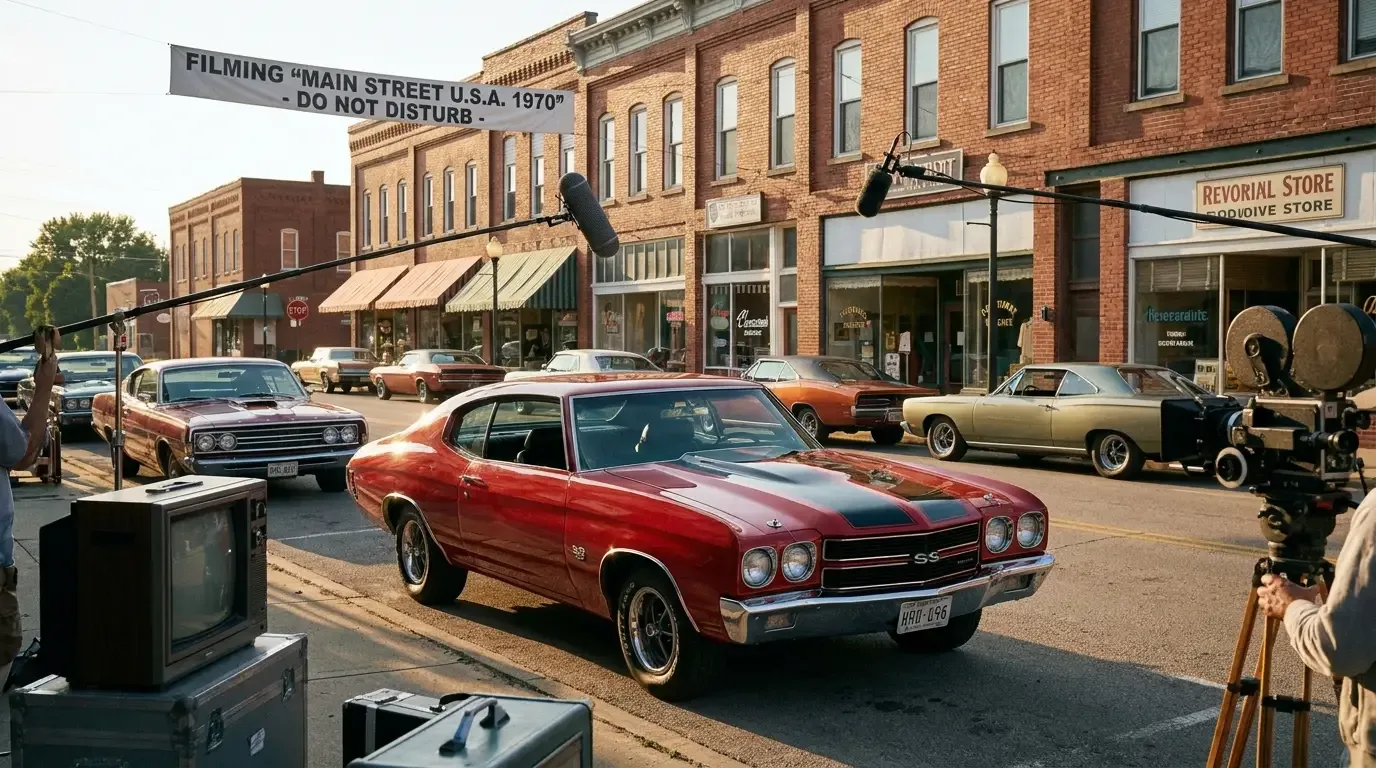
The car's screen resume runs deeper than any single blockbuster series. It's appeared as a supporting player in crime dramas, as the car a small-town sheriff can't quite catch, as the vehicle a getaway driver trusts more than anything newer. the Chevelle's screen legacy traces that full spread, but the pattern holds across almost every appearance: the Chevelle rarely plays the hero's daily driver. It plays the car that shows up when things are about to go wrong, or the one a character reaches for specifically because it won't draw attention until it needs to.
That casting instinct isn't accidental. A production designer picking cars for a script is thinking about what a vehicle communicates before a single line of dialogue is spoken, and the Chevelle communicates capability without polish. It's the automotive equivalent of casting a character actor who can walk into a scene and immediately be believed, rather than a leading man who needs three scenes of setup.
Why the choice keeps holding up
Cars go in and out of fashion on screen the same way they do on the street. Fox-body Mustangs had their moment, Japanese tuners had a decade that defined an entire genre of film, and lately restomod trucks have started showing up more often as the villain's ride of choice. Through all of that, the Chevelle has kept a steady presence rather than a trend-driven spike, which suggests the appeal isn't nostalgia for a specific era of filmmaking. It's something closer to the car simply working, reliably, in whatever decade a script needs a piece of American muscle with a chip on its shoulder.
There's a practical angle too. Chevelles from the muscle car years survive in real numbers, which means production companies can source multiple examples for stunt work without depleting an already scarce pool the way they might with a rarer model. That combination of visual impact and actual availability is hard to match, and it's a big part of why casting directors for cars keep landing on the same conclusion the location scout reached that day on set.
"I've talked to enough people on film sets to know the decision is rarely about horsepower on a spec sheet. It's about whether the car looks like trouble the second it rolls into frame. The Chevelle has never had to try very hard at that."
Nora Beckett
None of this is lost on the people who actually restore and drive these cars today. Owning one means inheriting a little of that reputation, whether or not the car ever sees a film set. For the next stop in the Chevelle's screen story, next: Chevelle on the Small Screen looks at how television, working on a smaller budget and a faster schedule than film, found its own reasons to keep casting the same car.
Sources and notes
- TopSpeed, 10 Legendary Movies That Featured A Chevrolet Chevelle SS
- IMCDb: Chevrolet Chevelle SS in movies and TV series
- Hagerty, 11 Best Movie Muscle Cars
- AutoTrader.ca: Films That Won't Leave Chevelle Alone
- Fast & Furious Wiki, 1970 Chevrolet Chevelle SS
- Craig Smith Chevrolet: Famous Chevrolets in Movies and TV Shows
Related Reading
Have a
Chevrolet Chevelle
for Sale?
Reach thousands of serious classic car collectors across the US.
Sell It Here →
Are You a Classic Car Dealer?
List your full inventory and connect with targeted classic car buyers.
Join as a Dealer →

About the author
Nora Beckett
Automotive features writer and photographer who tells the human stories behind the cars, from show fields to cross-country road trips.
Related Listings - Chevrolet Chevelle
More in Ownership & Lifestyle
Comments
Be the first to comment on this article.