
Maya Torres bought her first truck at twenty-four, in a gravel lot outside Round Rock, from a retired lineman who wanted it gone before his knees gave him a reason to keep climbing into the bed. It was a 1984 Chevrolet C10, faded blue over rust-freckled white, bench seat cracked down the middle like a dry lakebed. She had never driven a manual transmission. She stalled it twice pulling out of the lot. She still tells people it was the best four thousand dollars she ever spent, and she is not the only one her age saying something close to that about a truck her parents would have called basic transportation.
Ownership & Lifestyle
6 min read
Why Millennials and Gen Z Are Chasing Square Body C10s Today
A generation raised on sealed engine bays and marketing they can see through is buying square body C10s for the same plain honesty that once made them disposable work trucks.
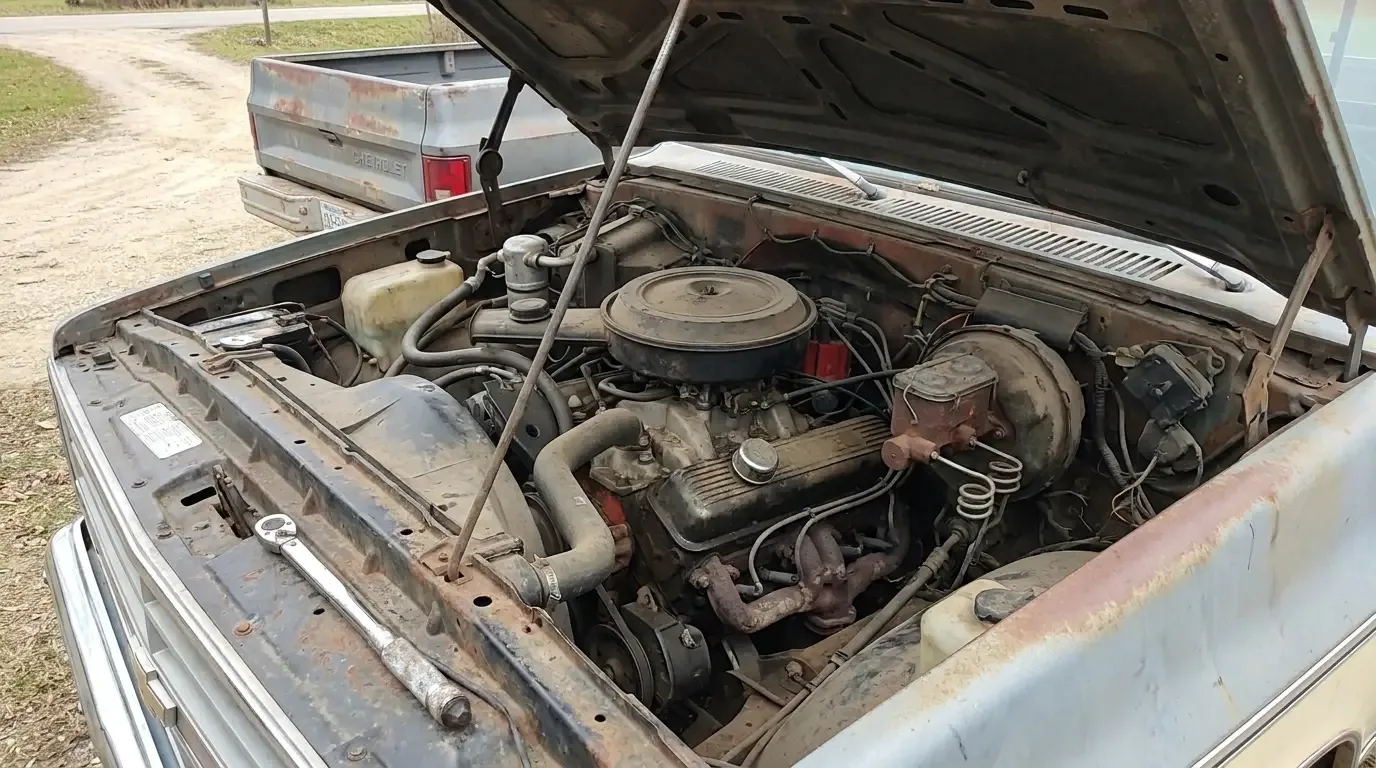
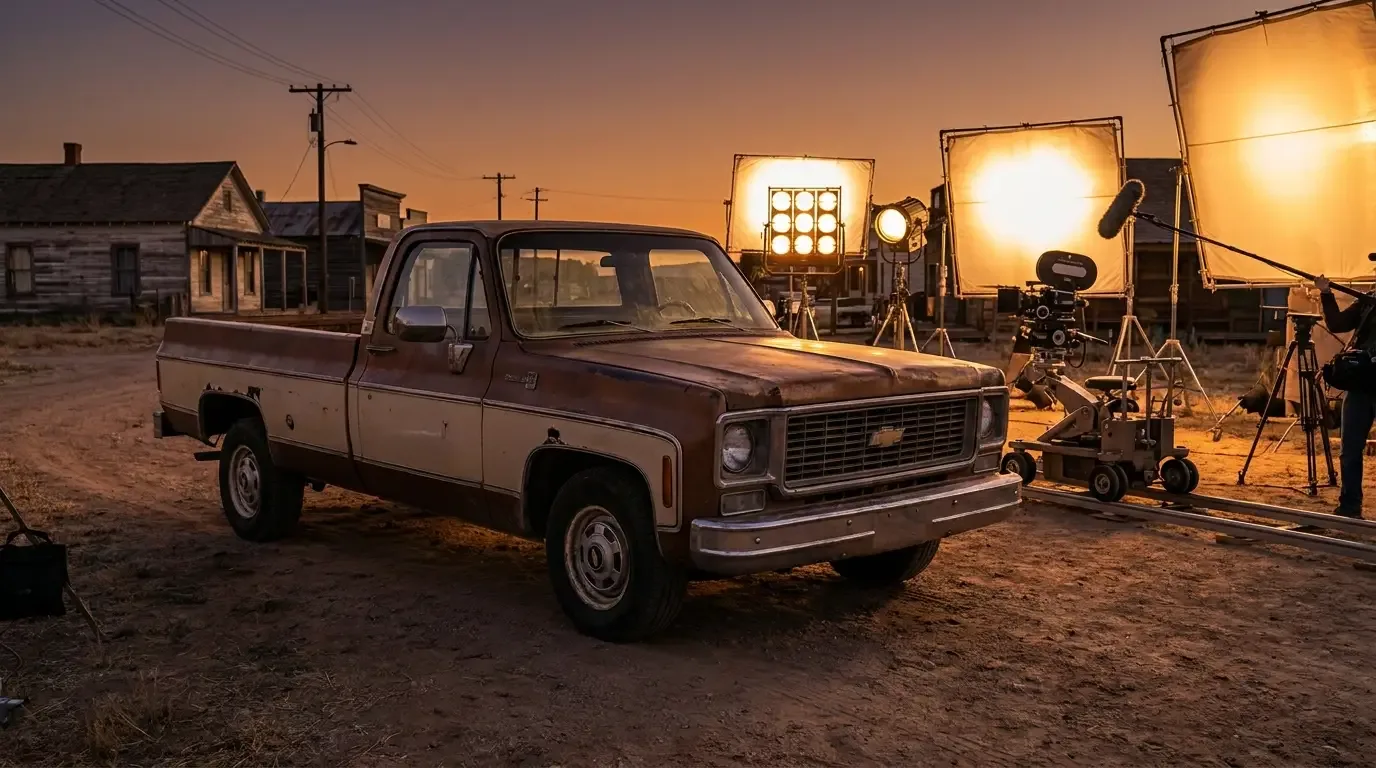
Square body Chevrolet and GMC pickups, built roughly from 1973 through 1987, spent most of their existence as exactly what they looked like: cheap, plain, replaceable work trucks. Nobody kept the sales brochures. Nobody expected them to matter in forty years. And yet somewhere in the last decade, a truck built to be used up and sold for scrap became one of the vehicles a younger generation actually wants to own, not inherit, not admire from a distance at a car show, but drive to work on a Tuesday.
A shape that reads honest in a dishonest-looking market
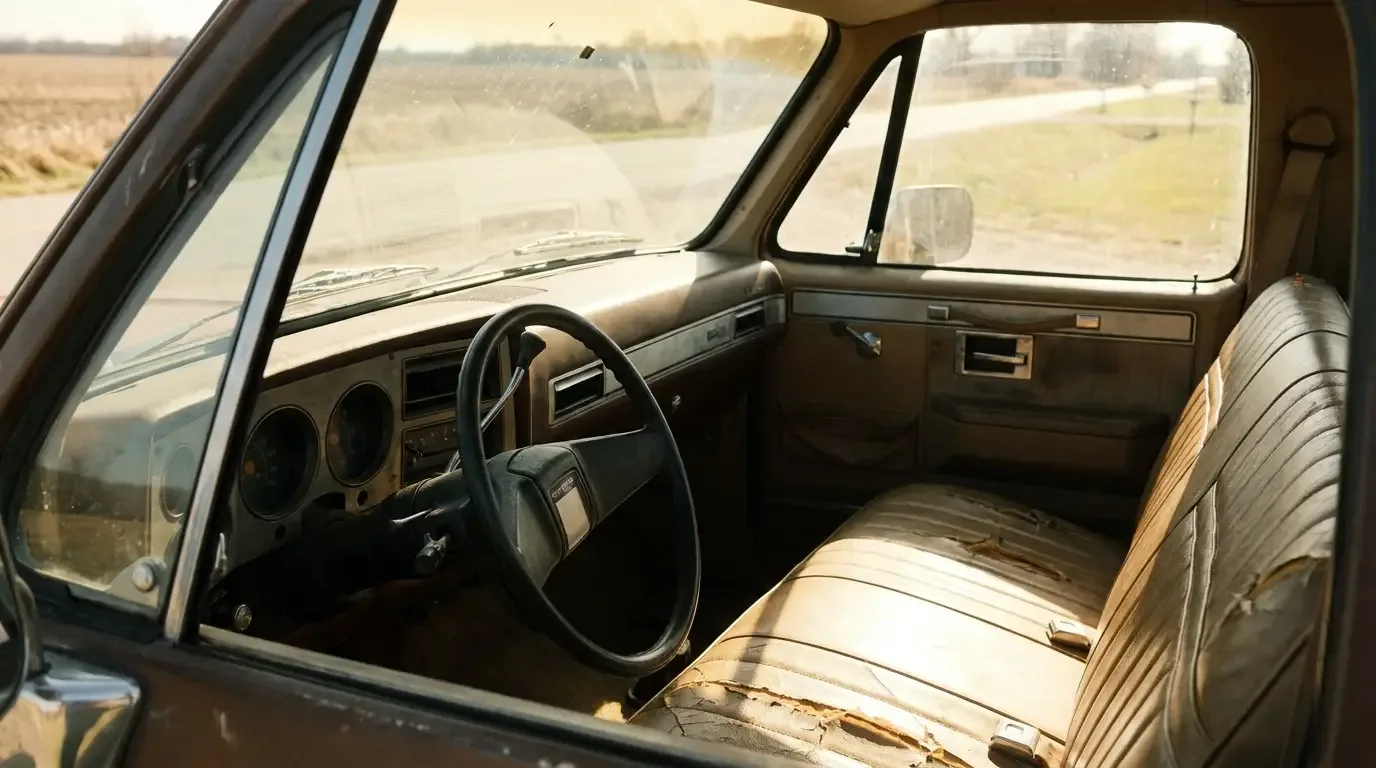
Ask someone in their twenties why they wanted one of these trucks instead of something newer, and the answer rarely starts with horsepower. It starts with the glass. The square body has thin pillars and enormous windows, a greenhouse that lets a driver actually see the road instead of squinting through a slit between two door-mounted screens. The hood is flat. The fenders are simple. There is no character line trying to convince you the truck is angry or aerodynamic or anything other than what it is, a box on wheels built to carry lumber and cattle feed. That plainness has become the appeal. In a market full of trucks styled to look tough, a square body looks like it does not need to try, and that reads as more honest to a generation raised on marketing they can see through.
There is a documented cultural throughline here too. Anyone who wants the fuller version of how this shape went from farm equipment to something people photograph on purpose should read the culture piece, which traces the aesthetic shift in more detail than one truck's story can cover.
The economics actually make sense, for now
A square body is also one of the last classic trucks a person under thirty can plausibly afford to buy, insure, and fix without a second job funding it. Rough drivers still turn up in the five to twelve thousand dollar range in a lot of regions, parts are mostly reproduction and cheap because the platform shared so much with millions of other GM trucks and cars, and the mechanical layout is simple enough that a first-time owner with a torque wrench and a weekend can do real work on it. That last part matters more than the price tag. Younger buyers who grew up locked out of their own vehicles by manufacturer diagnostic software and sealed engine bays are drawn to something they can actually open up and understand, even if they learn it by getting it wrong the first three times.
Social media did what dealer lots never could
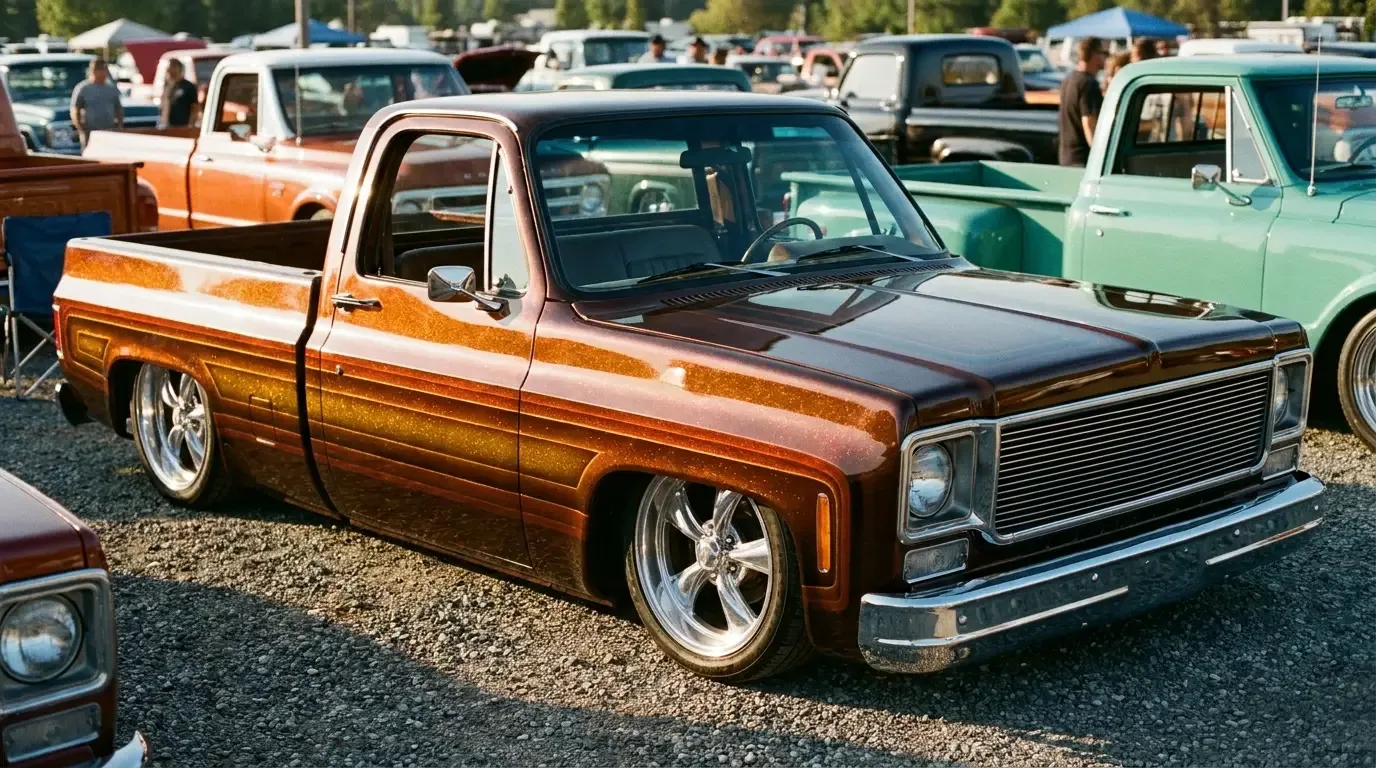
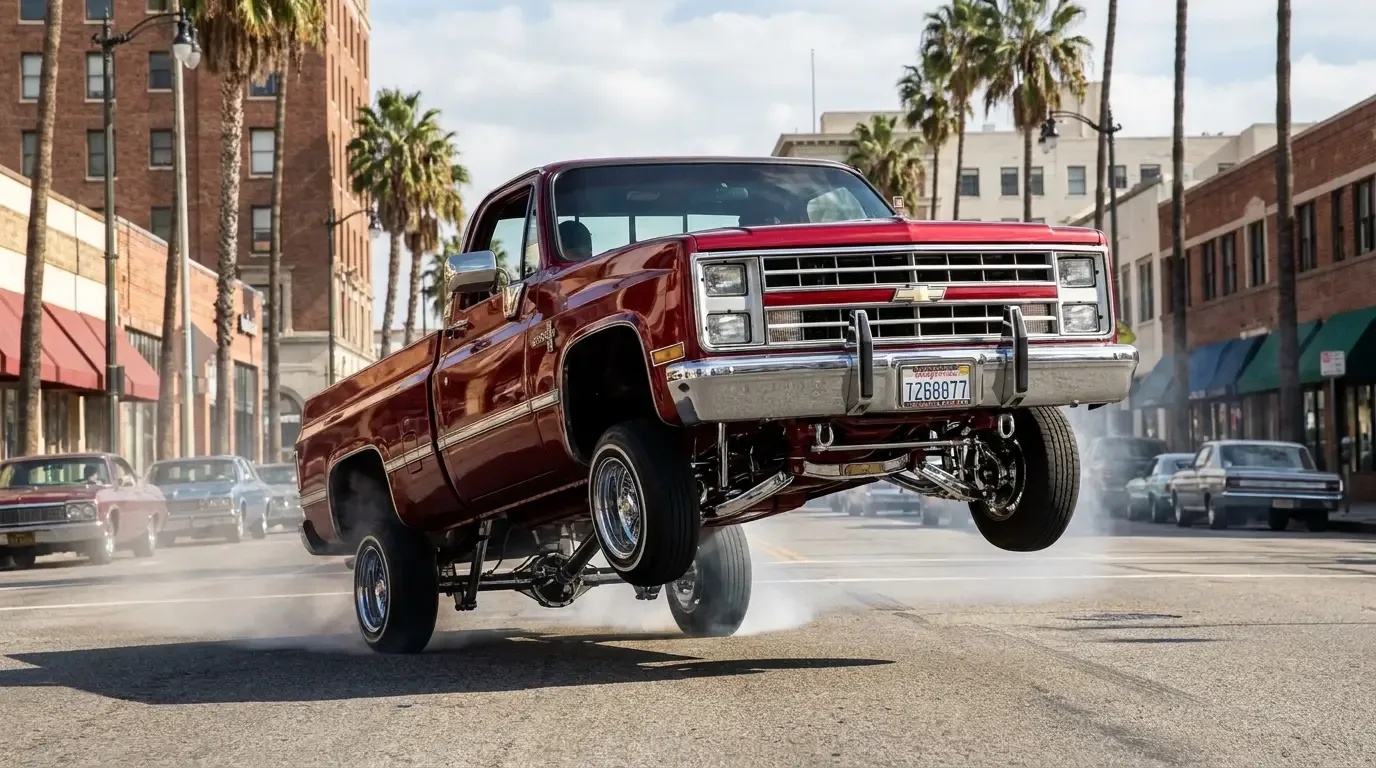
None of this happens in a vacuum. A generation that discovers cars through a phone screen found the square body through the same channels everyone finds anything now, and the truck photographs unusually well. Low light, a dusty tailgate, a friend leaning on the bed rail, it all works because the truck's simplicity leaves room for the photo to do the talking instead of competing with chrome and body lines for attention. That same visibility fed back into the culture the truck already had running through decades of film and television appearances, which is part of why its long run in pop culture keeps introducing the shape to people who were not alive when it was new.
There is also a rivalry running underneath all of this that predates anyone currently buying these trucks online. The square body Chevy exists in direct conversation with the Ford trucks built across the same years, and plenty of younger buyers are picking a side in an argument that started before they were born. Reading up on the Chevy vs Ford rivalry that never really ended explains why a truck badge can still start a real argument at a gas station forty years after the trucks left the factory.
What ownership actually looks like right now
Talk to enough younger owners and a pattern shows up. Few of them are chasing a numbers-matching restoration or a concours trailer queen. Most want a daily-ish driver with the original 350 or a mild small block, a truck that can carry a mattress on a Saturday and still start Monday morning. That expectation shapes the whole scene around them. Shops that used to specialize in show-quality restorations have added simpler, budget-conscious mechanical refreshes to their menu because that is what a twenty-six-year-old buyer actually wants and can afford. It is a truck bought to be used, the same job it had the first time, just with a different kind of owner behind the wheel.
"Maya still stalls it sometimes at the light on Fifth Street. She says she likes that it keeps her honest. A truck that does not forgive a bad clutch foot teaches you something newer cars stopped bothering to teach."
Nora Beckett
Why this truck instead of something older or newer
The square body sits in an unusual sweet spot. Old enough to feel like a real classic, with the visual honesty and mechanical simplicity that implies, but young enough that parts, knowledge, and forgiving pricing all still exist in abundance. A generation that came of age watching the trucks they could actually afford get more expensive and more locked down found, almost by accident, one that offered the opposite. Maya did not buy her truck because she read a market report. She bought it because it looked like something worth learning on, and stalling it twice in a gravel lot did not change her mind.
Sources and notes
- Hagerty's 1973-1987 Chevrolet/GMC truck buyer's guide
- Chevrolet C/K third generation (square body) production history
- GM-Trucks.com forum on the "Rounded Line" internal designation
- Squarebody C10 complete guide, including current pricing bands
- Current 1973-1987 Chevrolet C10 listings on ClassicCars.com
Related Reading
Have a
Chevrolet C10
for Sale?
Reach thousands of serious classic car collectors across the US.
Sell It Here →
Are You a Classic Car Dealer?
List your full inventory and connect with targeted classic car buyers.
Join as a Dealer →

About the author
Nora Beckett
Automotive features writer and photographer who tells the human stories behind the cars, from show fields to cross-country road trips.
Related Listings - Chevrolet C10
More in Ownership & Lifestyle
Comments
Be the first to comment on this article.