
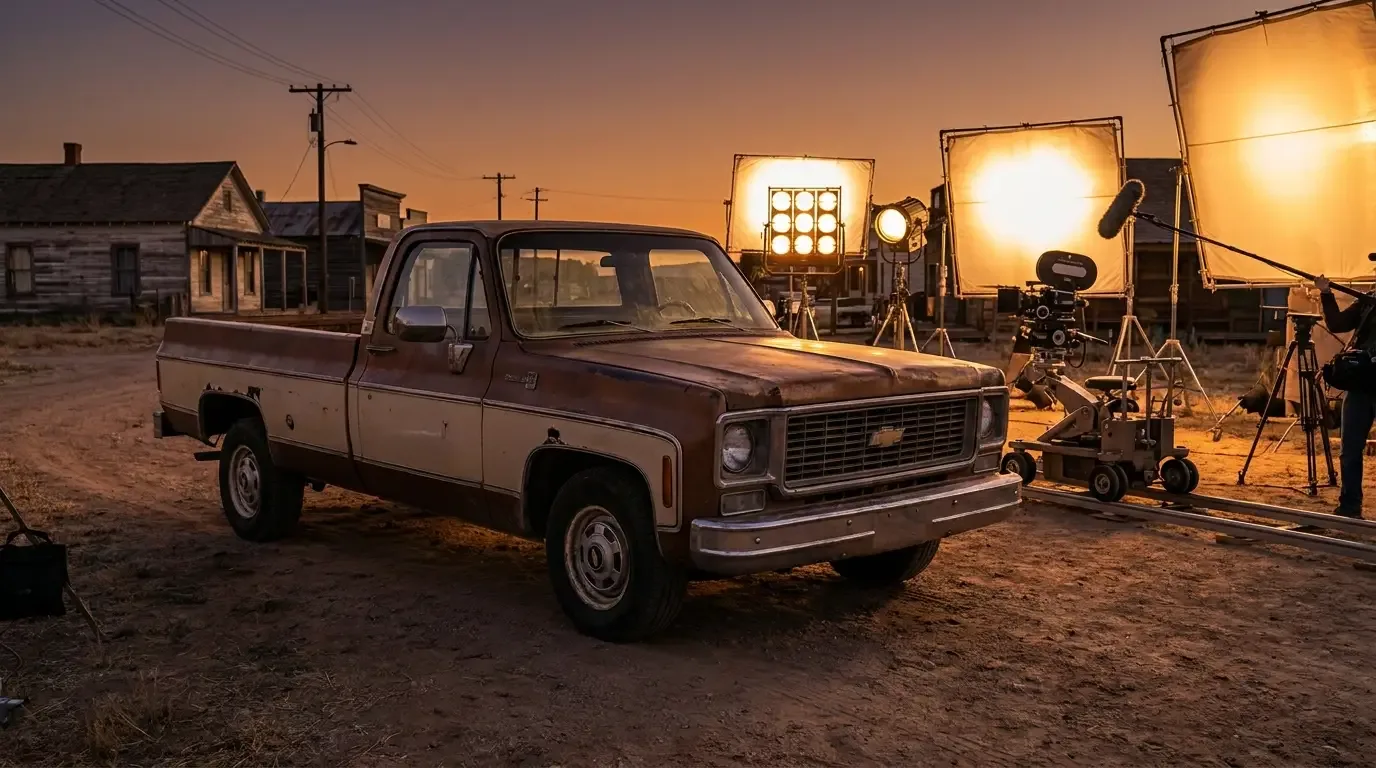
The dent in the driver's door came from a gate, not a parking lot. Everybody who saw the truck at the show that weekend asked about the paint, the wheels, the stance, and almost nobody asked about the dent, which was the one detail the owner actually wanted to talk about. He had left it there on purpose during a full frame-off build, a single unrepaired scar from thirty years of opening and closing a cattle gate one-handed with a coffee in the other. The judges did not deduct for it. Some of them understood exactly what it was.
Ownership & Lifestyle
6 min read
Why the C10 Became America's Favorite Farm-to-Show Truck
A truck built to do farm work and then be scrapped instead found a second life on the show circuit, where its dents and worn patches became the whole point rather than something to erase.
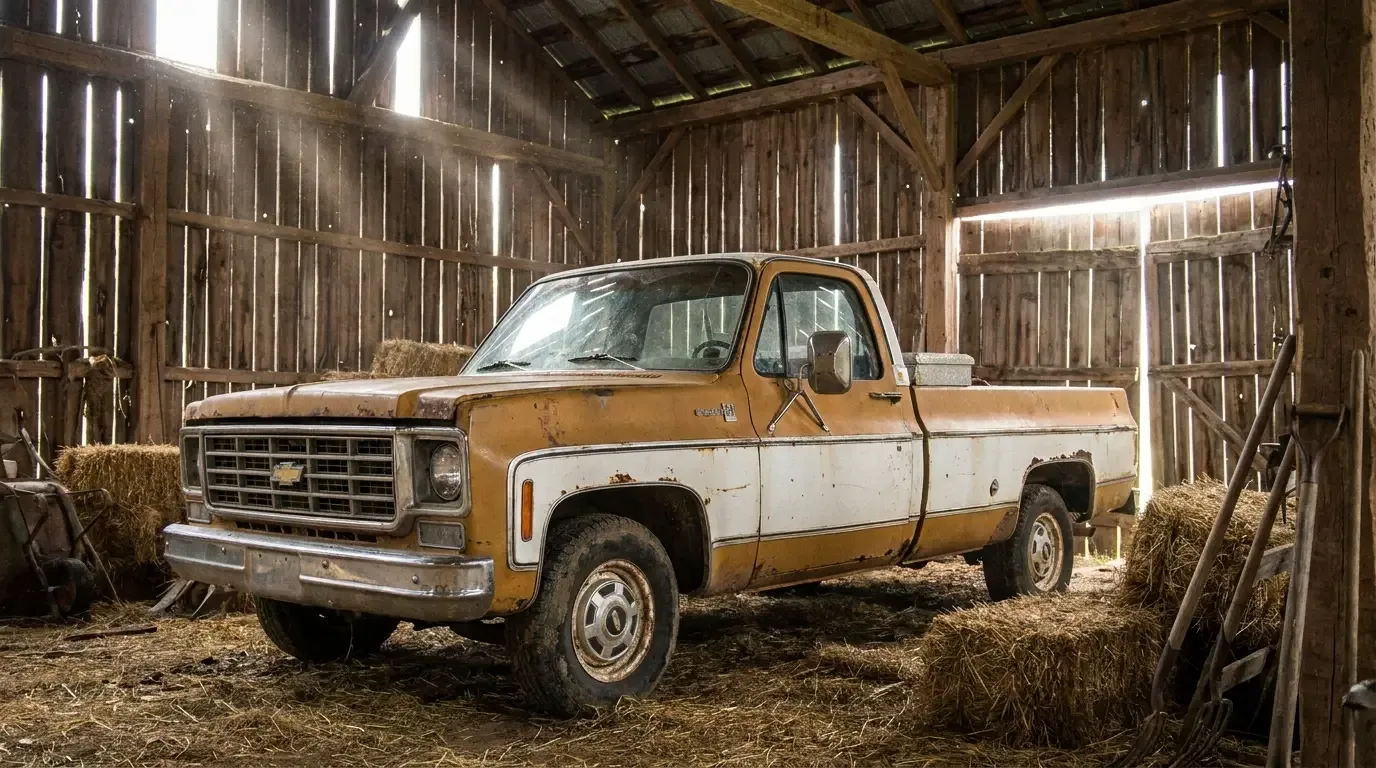
That small decision, keeping one honest mark on an otherwise transformed truck, says something about why the Chevrolet C10 makes this particular journey so well. A truck built to be replaceable spent decades doing the kind of work nobody photographs, and then, somewhere along the way, people started building tents around them at shows instead of parts stores around them at auctions.
What a working life actually does to a truck
Before any of these trucks sat under a show canopy, most of them sat in a barn, or a field, or the gravel apron outside a feed store, doing exactly the job the factory built them for. That work leaves a particular kind of evidence. Floors worn thin from boots, not rust. A tailgate that does not latch quite right because it got dropped and raised ten thousand times carrying hay bales and fence posts. A bench seat with a permanent low spot on the driver's side from one person sitting in the same place for two decades. None of it is glamorous, and none of it was meant to last as a story anyone would tell later. But it is real in a way that a truck bought new and babied never quite manages to be, and that realness is exactly what the show circuit eventually learned to value.
The turn from tool to something worth keeping
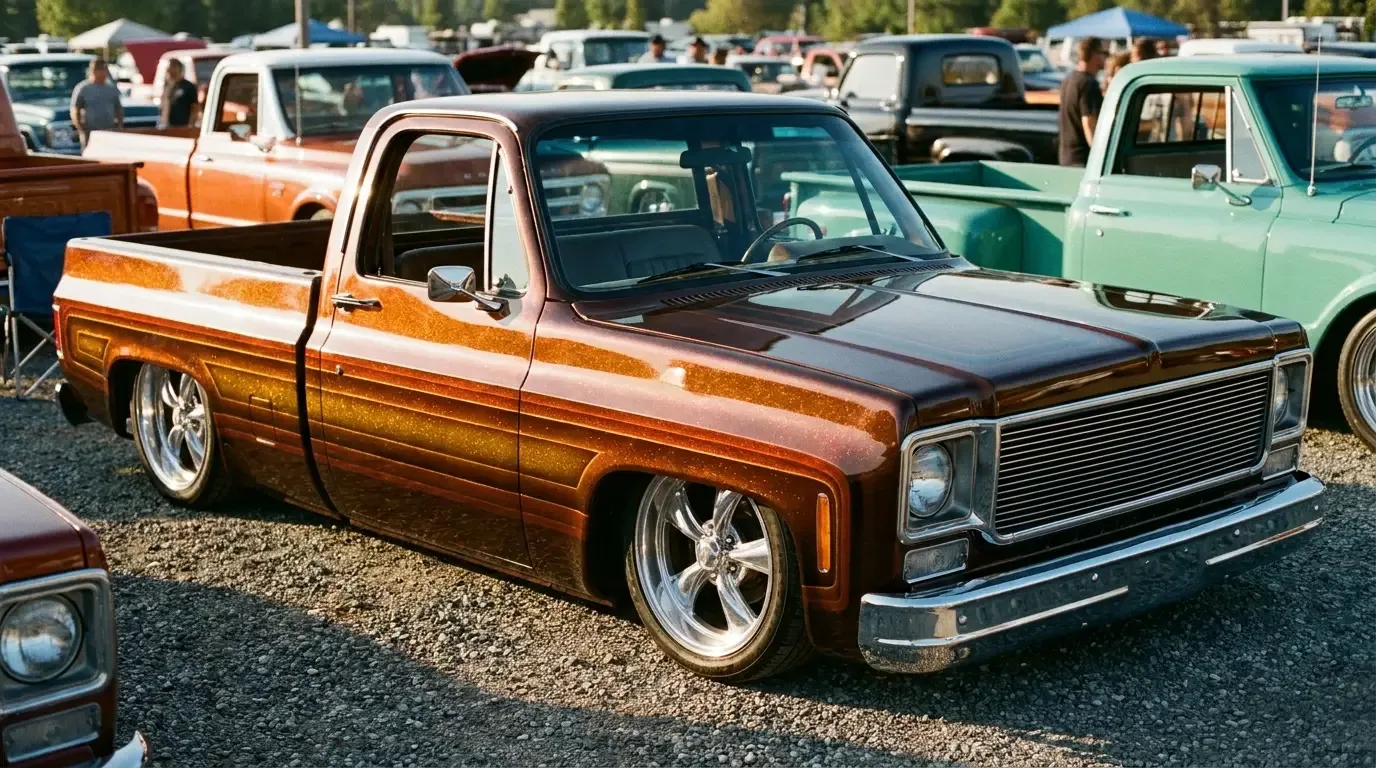
Nobody decided all at once that these trucks mattered. It happened truck by truck, usually when a family member who had used one for years could not bring themselves to sell it for scrap value and instead let it sit, half-forgotten, until somebody younger looked at it differently. A grandson sees a truck his grandfather drove to the co-op every week for thirty years, and where an earlier generation saw a worn-out work vehicle, he sees a machine with a story attached to every dent and worn patch of paint. That shift in perspective, more than any single show or magazine feature, is what moved these trucks from the back forty to the front row at a Saturday cruise-in. The broader version of that shift, how an entire category of plain trucks became genuinely collectible, is covered in more depth in C10 culture, which traces the arc across the whole platform rather than one truck's path.
What show culture chose to preserve, and what it changed
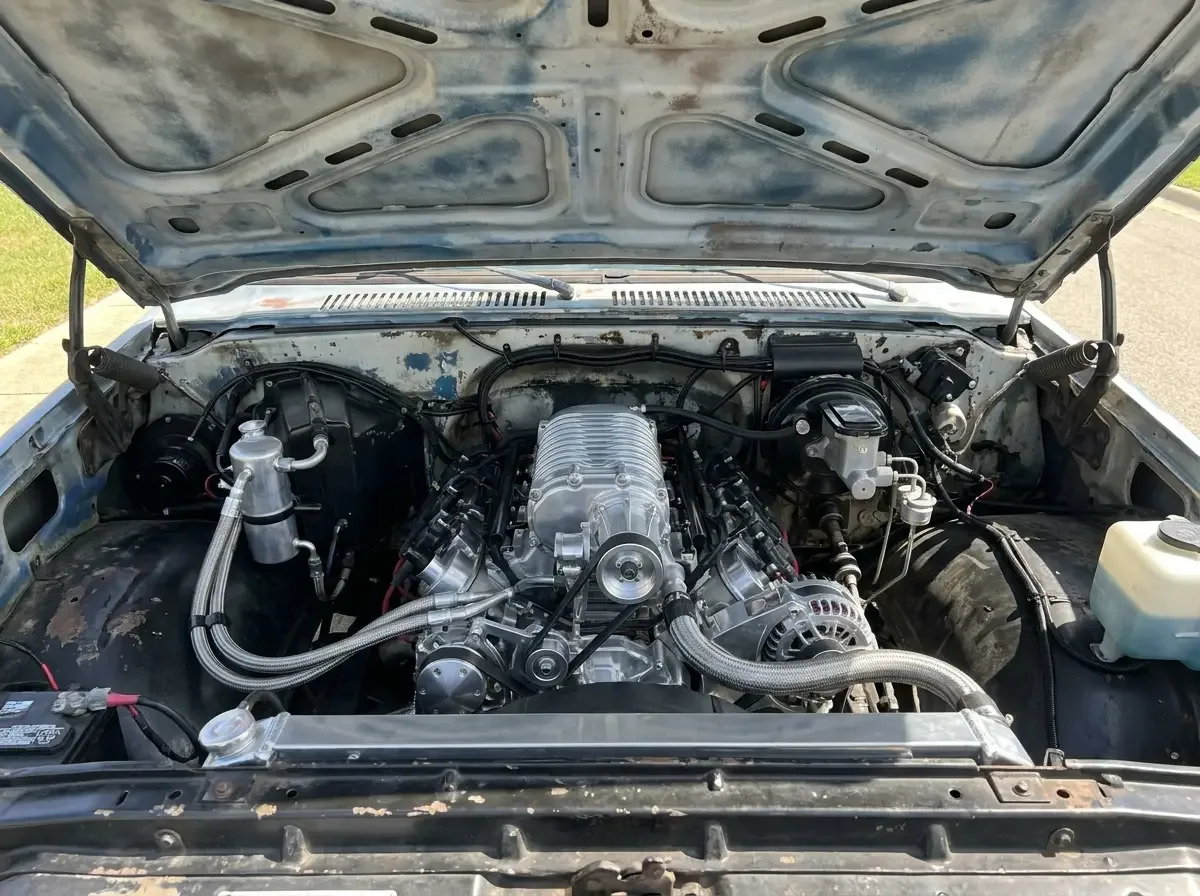
The trucks that make this jump successfully tend to keep something of their working history visible, even after a full restoration. A builder might replace every mechanical system underneath while leaving a single original panel unrepaired, or preserving a faded stencil from a long-closed feed store on the door. It is a deliberate choice, and it runs counter to how restoration used to work, when the goal was erasing every trace of a hard life and returning a truck to showroom condition. Now plenty of owners want the opposite: proof that the truck did something before it became beautiful. That same instinct pushes a lot of these builds straight into the restomod scene many of these trucks end up in, where a modern drivetrain gets dropped into a body that still wears its working-life scars on purpose.
"He told me the dent stayed because his grandfather never fixed it either. Some repairs are actually erasures, and he did not want to erase that particular gate."
Nora Beckett
The builders who specialize in that in-between stage
A small but growing group of shops has figured out there is real demand for exactly this kind of build, and it is a harder job than either a straight restoration or a straight restomod. Preserving wear on purpose while rebuilding the mechanical guts underneath takes more judgment than either extreme, because the builder has to decide, panel by panel, what stays and what gets fixed. Fix too much and the truck loses the working history that made it worth building in the first place. Fix too little and the owner ends up with something that rattles apart on the drive home from the show. The best shops doing this work talk to the family before they touch anything, because the story behind a specific dent or a faded decal is often the only reason it survived this long, and losing that context by accident is the one mistake that cannot be undone once a panel gets stripped and repainted.
Pricing for this kind of build sits in an odd spot too. It usually costs more than people expect, since keeping original sheet metal intact while rebuilding everything underneath it often takes more labor than simply cutting out a rusted panel and welding in a fresh reproduction one. Buyers who come in expecting a discount for not wanting a full cosmetic restoration are usually surprised to learn the opposite is often true.
Why the arc still resonates with people who never worked a farm
Most people admiring a farm-to-show C10 at a Saturday cruise-in never baled hay in their life, and that is precisely why the story lands. The truck carries an authenticity that is increasingly rare and increasingly valued, proof of a life lived before anyone thought to preserve it. A show truck built from scratch to look worn can never quite fake that, no matter how good the paint shop is. A truck that actually earned its wear, and then got a second life being admired for it, tells a story no amount of styling can manufacture. That is the whole appeal, distilled down to one unrepaired dent in a driver's door that a judge chose not to deduct for.
Sources and notes
Related Reading
Have a
Chevrolet C10
for Sale?
Reach thousands of serious classic car collectors across the US.
Sell It Here →
Are You a Classic Car Dealer?
List your full inventory and connect with targeted classic car buyers.
Join as a Dealer →

About the author
Nora Beckett
Automotive features writer and photographer who tells the human stories behind the cars, from show fields to cross-country road trips.
Related Listings - Chevrolet C10
More in Ownership & Lifestyle
Comments (1)
H
Hank Weaver
1 month ago
The market has really moved on these. What was an affordable driver not long ago is starting to get out of reach for regular buyers.