
A fellow at our club spent most of one winter telling anybody who would listen about the consignment dealer handling his roadster. Beautiful showroom, he said. Coffee machine, good lighting, a salesman who knew the car's history better than he did. By spring the car had been on the floor four months, the price had come down twice, and nobody could tell him how many cars that showroom had actually sold the year before. One of the older members finally asked the dealer for a list. It never came, and the roadster came home in June.
Market & Values
8 min read
How to Vet a Classic Car Consignment Dealer
Public records, the questions that get real numbers, and how to call references: vetting classic car consignment dealers before you hand over the keys.
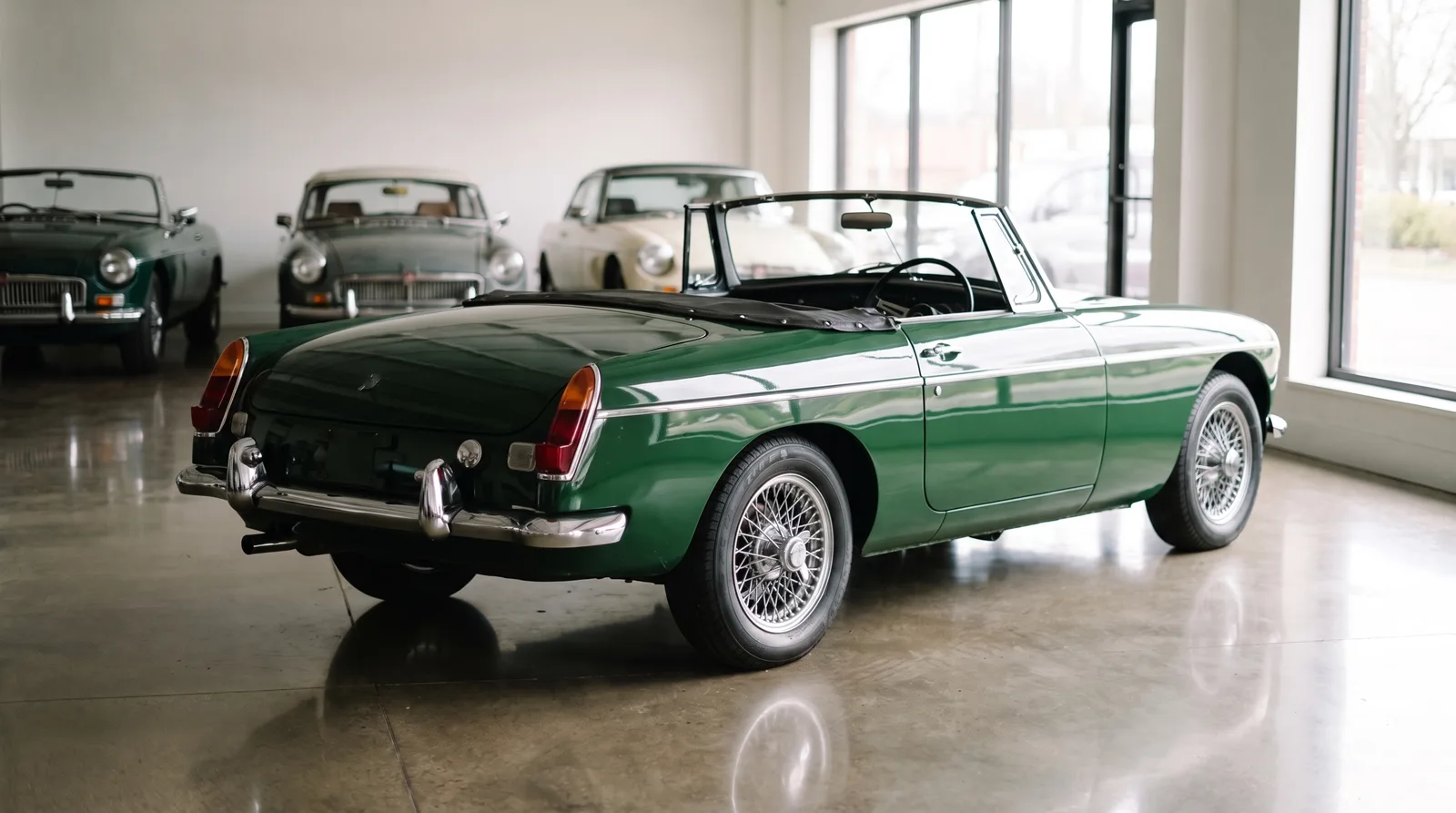
Nobody in that story was a crook. The dealer simply had more floor space than buyers, and our friend had judged the business by the coffee. That is the most common way owners pick from among classic car consignment dealers, and it's the one this piece is meant to replace. If you are still deciding whether classic car consignment is the right route at all, start there. This is about what happens after you've decided, when you're sitting across from somebody who wants your car on their floor.
Start with what can be checked from home
Before you visit anybody, spend an evening with the public record. It costs nothing, and it narrows the list faster than any conversation.
Look up the business registration with your state's secretary of state. It tells you the legal name, when the entity was formed, and whether it's in good standing. A dealer that has been selling cars under the same name for fifteen years is a different proposition from one that formed eighteen months ago, and different again from one whose registration has lapsed. Then check whether the business holds a dealer license. In many states, selling other people's cars on consignment is dealing in vehicles; California's Vehicle Code, for instance, defines a dealer to include anyone in the business of selling vehicles "consigned to be sold," and its DMV runs a free online Occupational License Lookup that shows a dealer's license status. Licensing rules and thresholds vary by state, so check with your own state's motor vehicle agency, which often publishes a similar lookup. If you are in California, the law also requires a written consignment agreement and payment to you within 20 days of the sale, which gives you two more things to ask about.
Search the county court records where the business operates. You're looking for judgments, liens and lawsuits, and in particular any brought by former consignors. One dispute in a long history is ordinary commerce. A pattern of sellers suing to get paid is the whole answer. Search the business name alongside words like "consignment," "paid" and "owed," and read seller reviews in preference to buyer reviews, since you are the seller.
Then read the dealer's current listings closely, the way a buyer would. How good are the photographs? Do the descriptions mention flaws, or only virtues? Do they include the kind of documentation details serious buyers look for? Your car will be presented exactly the same way. And look at the dates. If you can find when a listing first went up, through the dealer's own site or the marketplaces it advertises on, you'll learn more about how fast that floor moves than any salesman will tell you.
Questions to ask, and what the answers sound like
A good dealer answers specific questions with specific numbers. The answers below aren't magic phrases. They're the difference between a business that tracks its own performance and one that doesn't.
| Ask this | A good answer sounds like | A weak answer sounds like |
|---|---|---|
| How many consigned cars did you sell last year, and how many did you take in? | Two numbers, roughly, without having to think too long | "We sell a lot of cars" |
| What's your average time from intake to sale in my price range? | A range in weeks, with a reason it's longer or shorter for my car | "It depends on the market" |
| Can you show me three cars like mine that you sold, and what they brought? | A short list, sometimes with the sale prices | Photos of cars on the floor right now |
| Where do buyer funds go, and how many days until I'm paid? | A separate account and a day count | "We pay quickly" |
| Can I see your insurance certificate for consigned vehicles? | The document, or a promise to send it today | "You're covered, don't worry" |
| May I call two or three sellers you've worked with this year? | Names and numbers | Hesitation, or only buyers offered as references |
Pay attention to the order of the conversation, too. A dealer who talks first about your car, its condition, its paperwork and what comparable cars have sold for is thinking about how to sell it. A dealer who talks first about the asking price, and names a figure higher than you expected, is thinking about how to sign it.
Call the references, and ask the right things
Most sellers never call. The ones who do tend to ask "Were you happy?", which gets a polite yes from almost anyone. Better questions are concrete and hard to fudge.
Ask how long the car was on consignment before it sold, and whether the price was reduced along the way. Ask how many days passed between the buyer paying and the seller's money arriving. Ask whether any charges appeared at closing that the seller hadn't expected. Ask whether the car came back with more miles than agreed, or any damage. And ask the one question that tells you most: would you consign with them again, and would you change anything in the contract if you did?
I once watched a man settle a whole argument about a dealer with a single bank statement. Everybody had a story about that outfit, some good, some bad. He just held up the page showing the deposit date against the sale date, eleven days apart, and the debate was over. That's what references are for. You want the dates, not the feelings.
"Everybody's got an opinion about a dealer. Ask for the sold list and the payout dates instead. Paper doesn't have an opinion, and it's usually right."
Wayne Coburn
Warning signs that don't show up on a website
Some problems only appear across the desk. A few to watch for:
- A floor full of the same cars month after month. If you visit twice, a few weeks apart, and nothing has moved, your car won't either.
- Reluctance to let buyers bring their own inspector. Serious buyers walk when they're told no, and the ones who stay discount the car for the doubt.
- A request to leave the signed title, or a broad power of attorney, at intake.
- A contract presented as standard and not open to changes, especially on fees, term length and withdrawal.
- Vague answers about what happens if the car doesn't sell: who moves it, who pays, and whether storage keeps running.
No single item on that list proves a bad dealer. Two or three together usually do.
When the vetting says keep looking
Sometimes you do all of this and nobody nearby passes. The dealers with good records don't handle your kind of car, and the ones who want it can't show you a sold list. That's useful information, not a dead end. It may mean your car is better suited to a different route, and the numbers behind consignment vs private sale are worth working through before you settle for a dealer you don't trust.
When you do find the right one, you'll know it the same way you'd know a well-documented car. The answers line up, the references agree with each other, and the paperwork backs up the story. Our friend with the roadster did consign it again the next year, with a dealer half the size who handed him a sold list on the first visit. It was gone in five weeks, and he showed the club the payout date to prove it.
Sources and notes
- California Vehicle Code section 285: definition of a dealer, including vehicles consigned to be sold
- California DMV: Occupational License Lookup for vehicle dealers
- California Vehicle Code section 11729: consignment agreement and 20-day payment rule
- Classic Auto Mall: basic steps of the consignment process (published fees and storage policy)
- Streetside Classics: consignment guide (how a large consignment dealer describes its process and term)
Licensing and consignment rules differ by state; this is general information, not legal advice.
Related Reading

#classic car dealers
#consignment
#sell a classic car
#seller protection
#classic car consignment dealers
#dealer references

About the author
Wayne Coburn
Longtime Corvette owner, judge and club figure who knows the cars, the records and the people behind them.



Comments
Be the first to comment on this article.