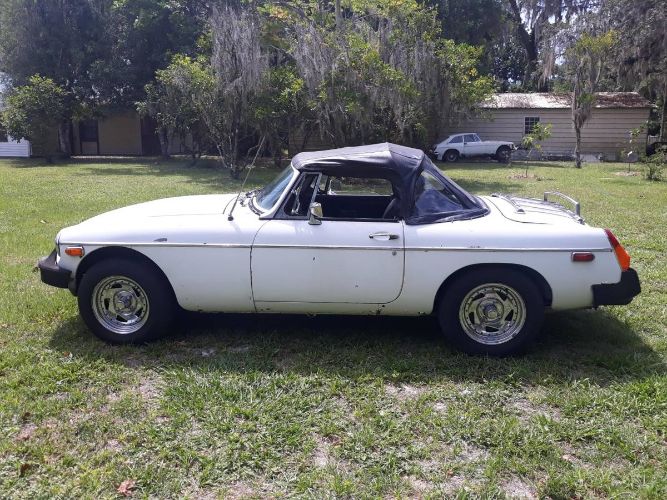
I came to the MGB through the back door, as a Datsun person who kept borrowing a friend's roadster for weekend runs up the coast. What struck me wasn't the horsepower (there isn't much) but the engineering integrity: a proper monocoque structure, all-synchromesh gearbox, independent front suspension, and a remarkably well-sorted chassis for a car designed in 1960. More than half a million MGBs were sold over eighteen years, which means parts availability is exceptional and the community is enormous. It also means the market is flooded with cars that have been poorly maintained, badly restored, or modified in ways that hurt both performance and value. Buying right requires knowing exactly what to look for.
Common Issues
Sill rust is the primary structural concern and the MGB's most common serious problem. Because the sill is load-bearing in a unibody car, a rusted sill means the entire body lacks rigidity, doors will sag, gaps will open, and the car is genuinely unsafe to drive hard. Floor pan rust at the front corners and rear footwells is nearly universal on cars that have seen wet-climate use and is manageable but requires honest assessment of extent. Inner wing rust above the front suspension turrets is a more serious structural issue that affects geometry and alignment. The B-Series engine has an inherent tendency to run warm, and overheating, usually from thermostat failure or a clogged radiator, causes head gasket failure over time. British Leyland electrical systems of this era used a single-wire earth return through the chassis, which corrodes progressively; poor earths cause all manner of intermittent faults. The original Lucas electrical components have a deserved reputation for unreliability that can be addressed with modern relays and improved earthing.
What to Look For
Press firmly along both sills, the structural backbone of a monocoque MGB. Any flex, softness, or hollow sound indicates internal corrosion requiring major structural repair. Inspect floor pans from underneath, checking particularly the front corners at the bulkhead and rear footwells. Push your hand into the front wheel arches above the suspension turrets and feel for softness, inner wing rust here affects suspension geometry and is expensive to correct properly. Check the battery box area (under the rear seat on roadsters) for acid damage and corrosion. On chrome-bumper cars, verify the overriders are original, replacements are available but correct originals add value. Test overdrive if fitted: should engage smoothly at highway speed with a noticeable drop in engine revs. Check the wiring under the dashboard for improvised repairs, a consistent harness is important for fire safety on British cars of this era. Inspect the convertible top frame on roadsters for broken bows and correct folding action.
Price Guide
Chrome-bumper MGB roadsters (1962–1974) in driver condition trade at $12,000–$18,000; restored show-quality examples reach $28,000–$42,000 for the best early cars. The price premium for pre-1965 three-bearing engine cars is significant among purists, add 20–30% for correct early cars. Rubber-bumper cars (1975–1980) trade at a consistent 20–30% discount: drivers at $7,000–$11,000, excellent condition at $16,000–$22,000. MGB GTs (coupes) sell for 15–25% less than equivalent roadsters in the same condition, the best value in the segment. Project cars, running but rough, are available in the $3,500–$7,000 range and represent good value given parts availability. Beware "restored" cars with high asking prices and no documentation; a professional respray on a rusty car is common in this market.
Did You Know?
The MGB was in continuous production for eighteen years, making it one of the longest production runs of any sports car in history up to that point. Over half of all MGBs built were exported to North America, which is why U.S.-spec parts are the most common and least expensive to source worldwide. The MGB GT coupe was styled with input from the great Italian design house Pininfarina. When production ended in 1980, workers at the Abingdon factory staged a sit-in protest, the closure of MG's historic home factory was considered a national automotive tragedy in Britain.