
1951 Classic Cars for Sale
Chrysler's Hemi V8 launched with 180 horsepower, the Korean War froze chrome allocations, and Hudson's Hornet began winning NASCAR races nobody expected it to win
Chrysler released the FirePower V8 in 1951 with a hemispherical combustion chamber design and 180 horsepower from 331 cubic inches. The engineering press called it the most sophisticated American production engine yet built, and they were not exaggerating. The hemispherical chamber placed the spark plug at the apex, allowed larger valves on both sides, and breathed better than anything else on an American showroom floor. It was immediately obvious that this engine had headroom.
The National Production Authority imposed restrictions on chromium use by mid-1951 in response to Korean War material requirements. Chrome was allocated, not freely available. Some manufacturers reduced bright work on lower-priced models. The restrictions did not cripple styling departments, but they forced some creative decisions, and a few 1951 and 1952 models look slightly plainer on lower trim lines than their predecessors for exactly this reason.
Hudson's Hornet appeared for 1951 with a 308 cubic-inch inline six, the largest displacement six-cylinder in American production at that time, and it immediately went racing. Herb Thomas won the 1951 NASCAR Grand National championship in a Hornet. Marshall Teague ran them on the beach at Daytona. The Hornet was heavier than it looked, but its Twin H-Power dual carburetor option and low step-down center of gravity made it genuinely fast in a straight line and stable in the corners.
- Chrysler introduced the FirePower Hemi V8 for 1951 in the New Yorker and Saratoga lines, displacing 331 cubic inches and producing 180 horsepower, the highest output of any American production passenger car engine at that time
- Herb Thomas won the 1951 NASCAR Grand National championship driving a Hudson Hornet, the first of three consecutive manufacturer championships Hudson would claim, validating the Twin H-Power dual carburetor setup as a genuine performance modification
- The National Production Authority restricted chromium allocation to American automakers beginning in mid-1951, forcing visible changes to bright trim specifications on several lower-priced model lines as Korean War material priorities took effect
Showing 128 listings
 Dealer
 United States
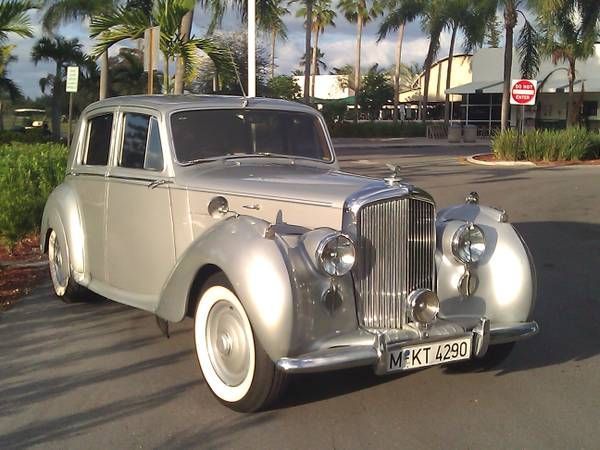
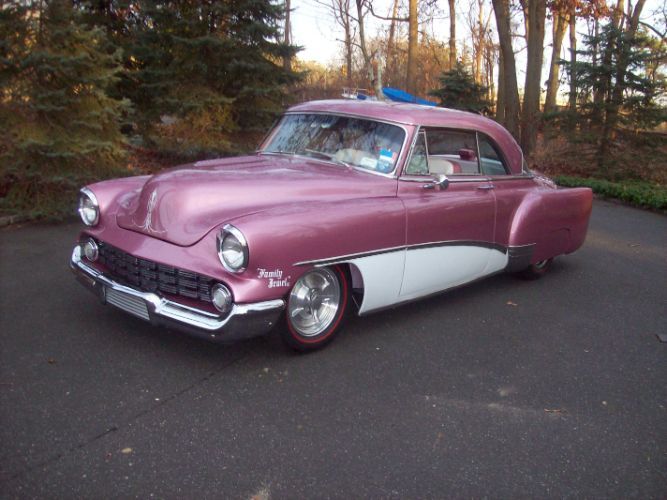
1951 Bentley Mark VI
 Dealer
United States
Dealer
United States
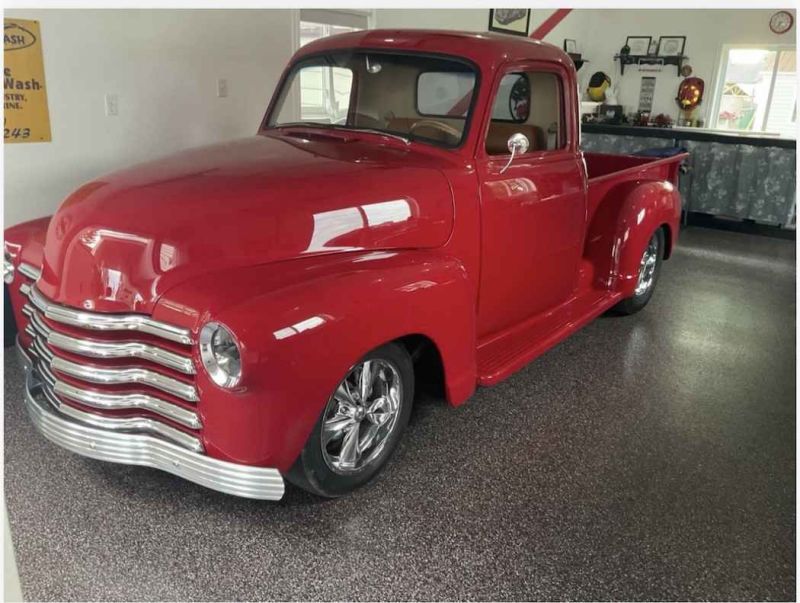
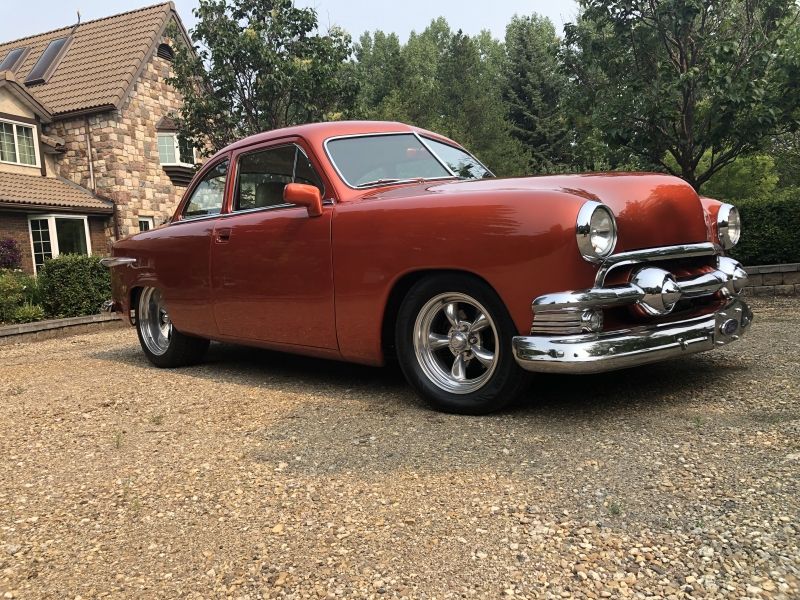
1951 Chevrolet Styleline

 Dealer
United States
Dealer
United States
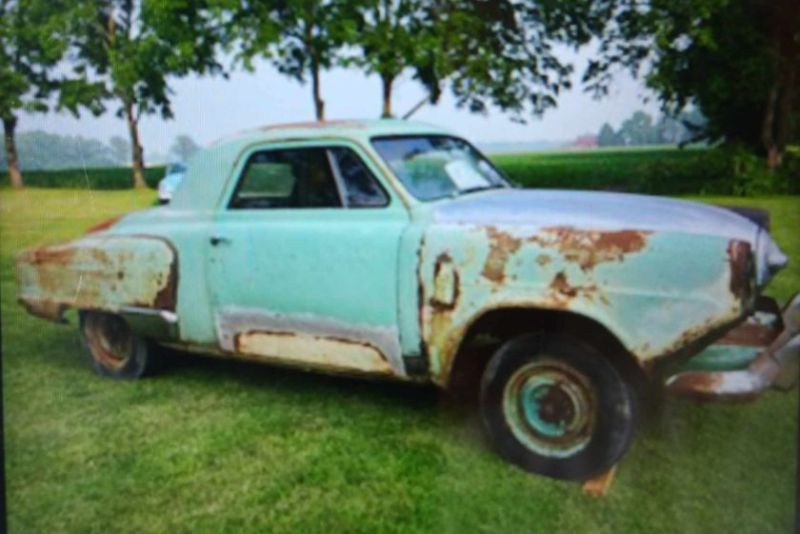
1951 Studebaker 2R10-22 Pickup
 Dealer
United States
Dealer
United States
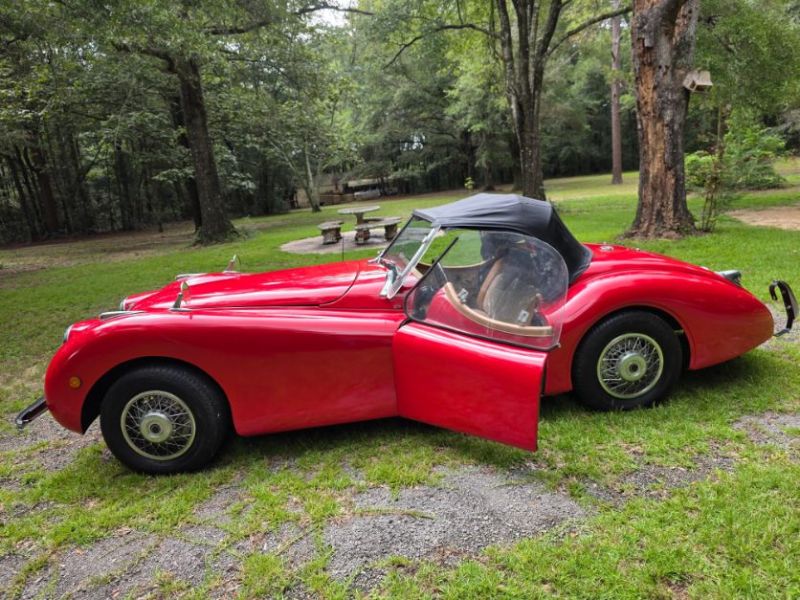
1951 Jaguar XK120
 Dealer
United States
Dealer
United States
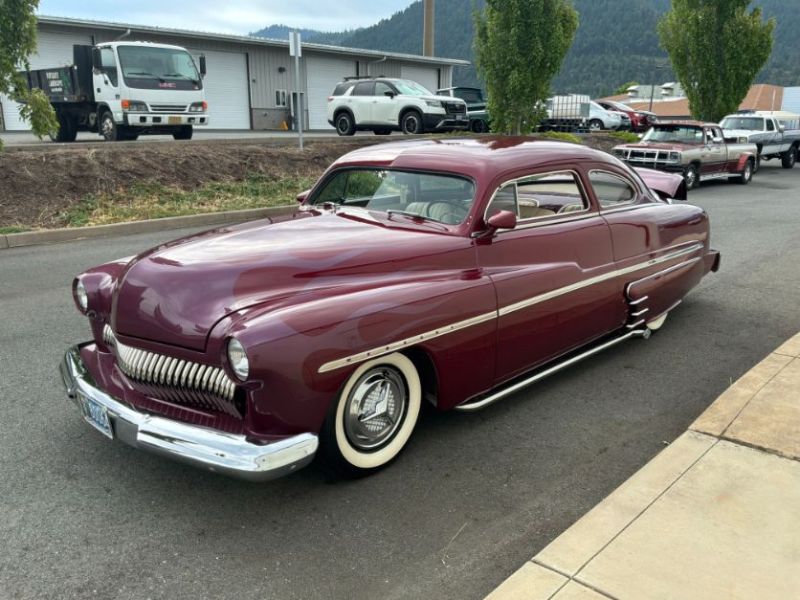
1951 Mercury Lead Sled
 Dealer
United States
Dealer
United States
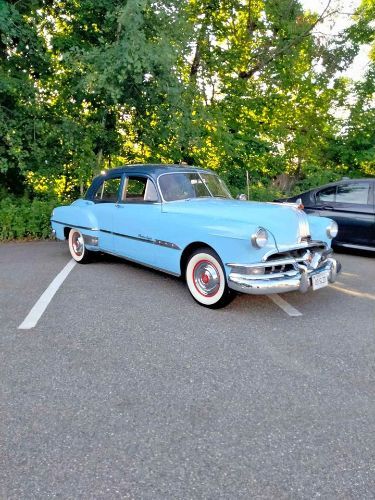
1951 Pontiac Chieftain
 Dealer
United States
Dealer
United States
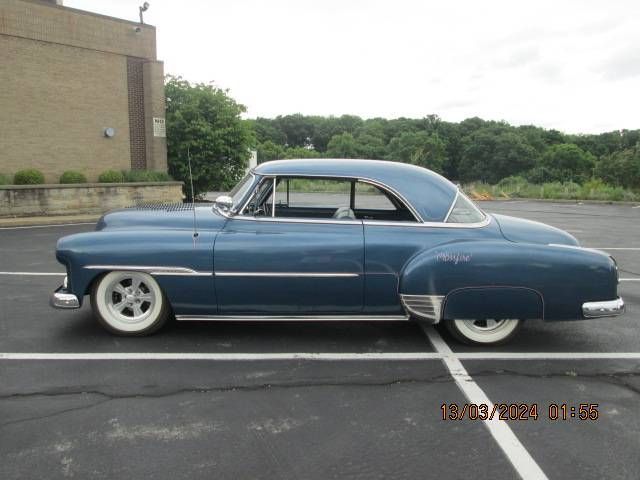
1951 Chevrolet Bel Air
 Dealer
United States
Dealer
United States
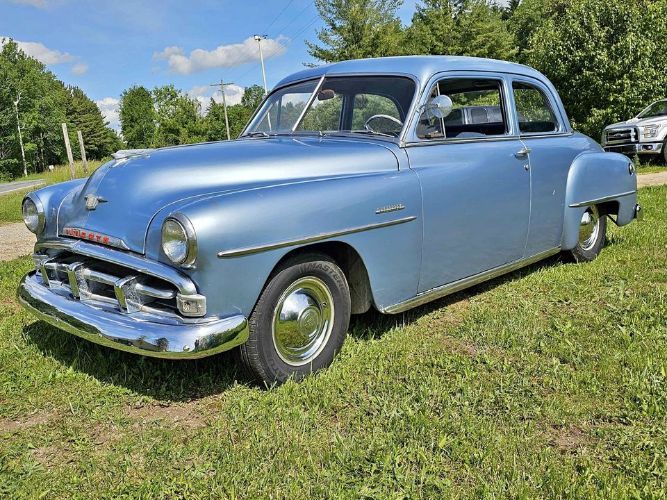
1951 Plymouth Cambridge
 Dealer
United States
Dealer
United States
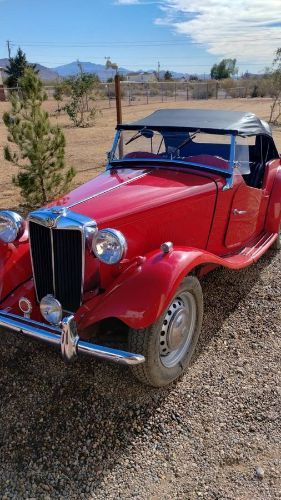
1951 MG TD
 Dealer
United States
Dealer
United States
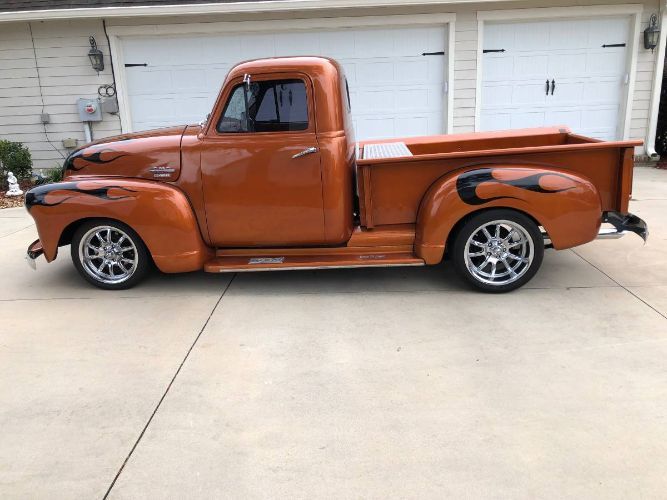
1951 GMC 3100
 Dealer
United States
Dealer
United States
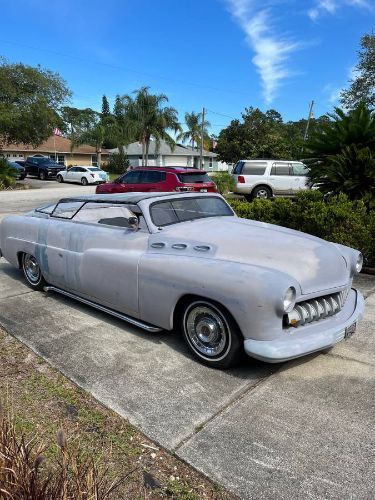
1951 Mercury Monterey
 Dealer
United States
Dealer
United States
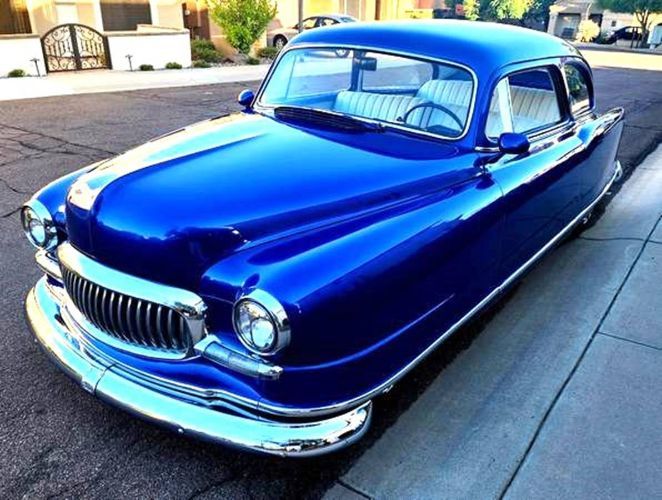
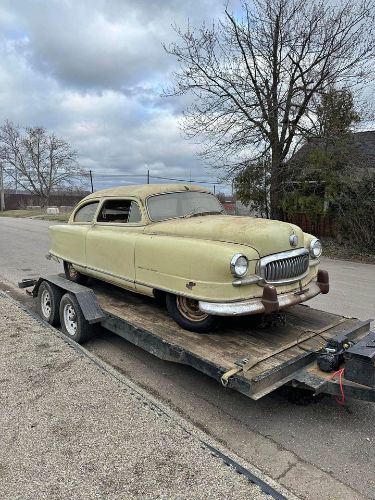
1951 Nash Statesman
 Dealer
United States
Dealer
United States
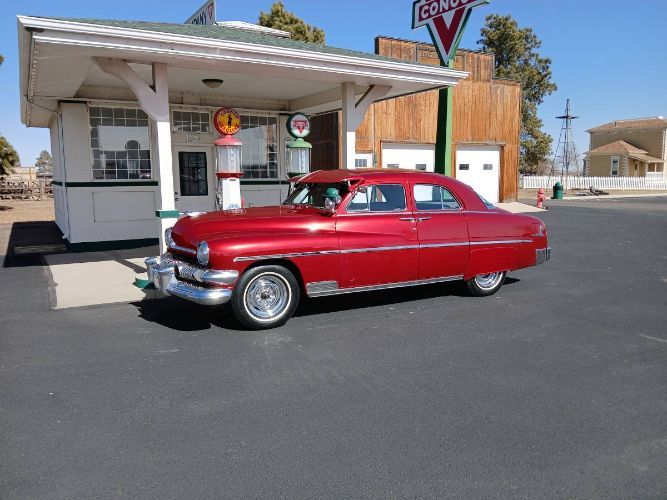
1951 Nash Statesman
 Dealer
United States
Dealer
United States
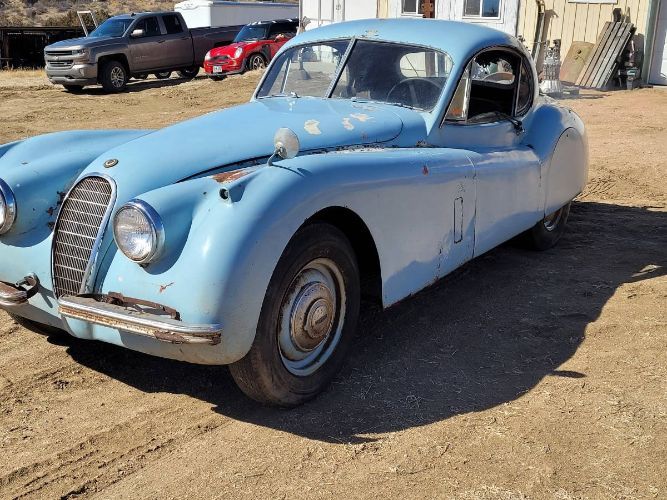
1951 Mercury Eight
 Dealer
United States
Dealer
United States
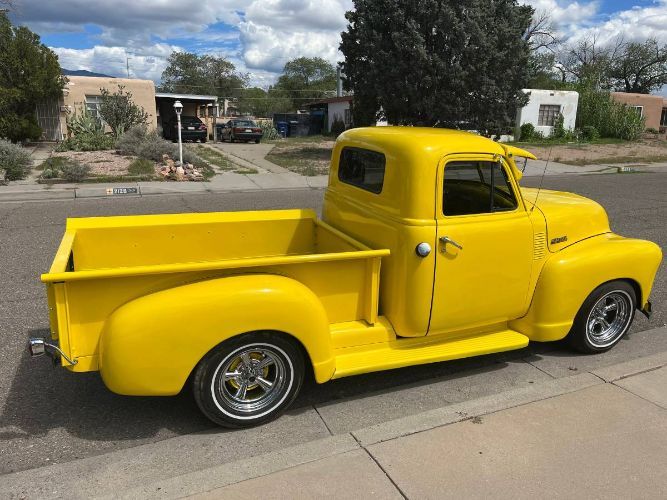
1951 Jaguar XK120
 Dealer
United States
Dealer
United States
1951 Chevrolet 3100
 Dealer
United States
Dealer
United States
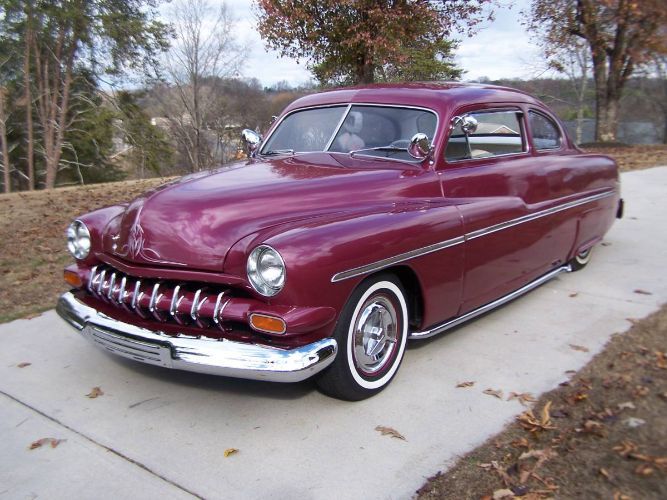
1951 Mercury Eight
 Dealer
United States
Dealer
United States
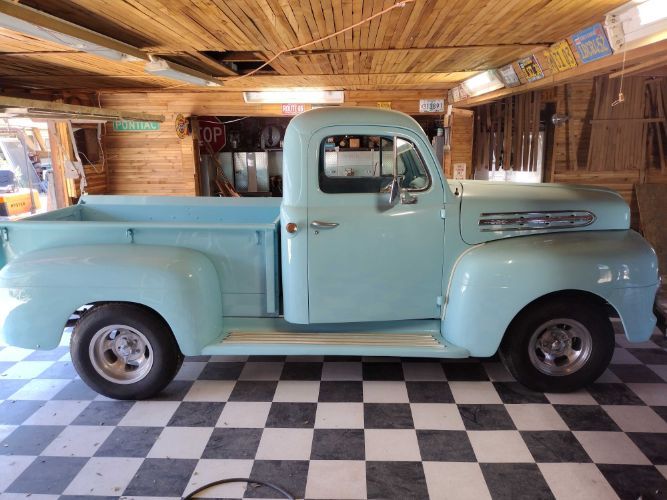
1951 Ford F-1
 Dealer
United States
Dealer
United States
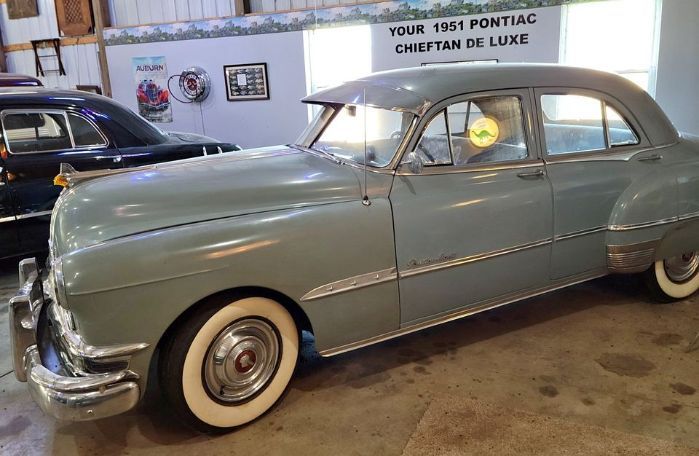
1951 Pontiac Chieftain
 Dealer
United States
Dealer
United States
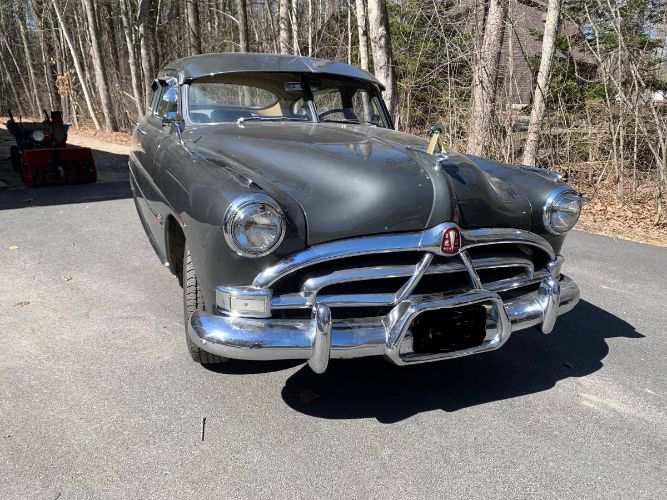
1951 Hudson Hornet
Market: Chrysler FirePower Hemi cars from 1951, particularly the New Yorker Convertible and Saratoga, have appreciated strongly as collectors recognize the engine's historical position, with convertibles regularly exceeding $65,000 and coupes finding buyers in the $35,000 to $55,000 range. Hudson Hornet Club Coupes with documented Twin H-Power equipment trade between $30,000 and $50,000, with race provenance documentation adding considerable premium.
Buyer's note: On 1951 Chrysler FirePower Hemi cars, verify that the correct dual-point distributor and original carburetion are present, since these engines were frequently modified in period and correct early Hemi drivetrain components are now genuinely difficult to source.