




TL;DR
- The F-150 arrived in 1975, slotted between the F-100 and the F-250.
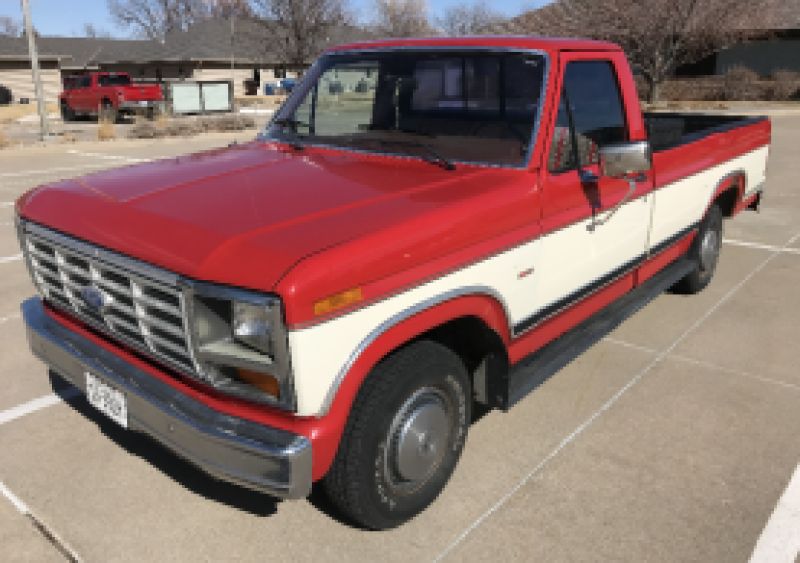
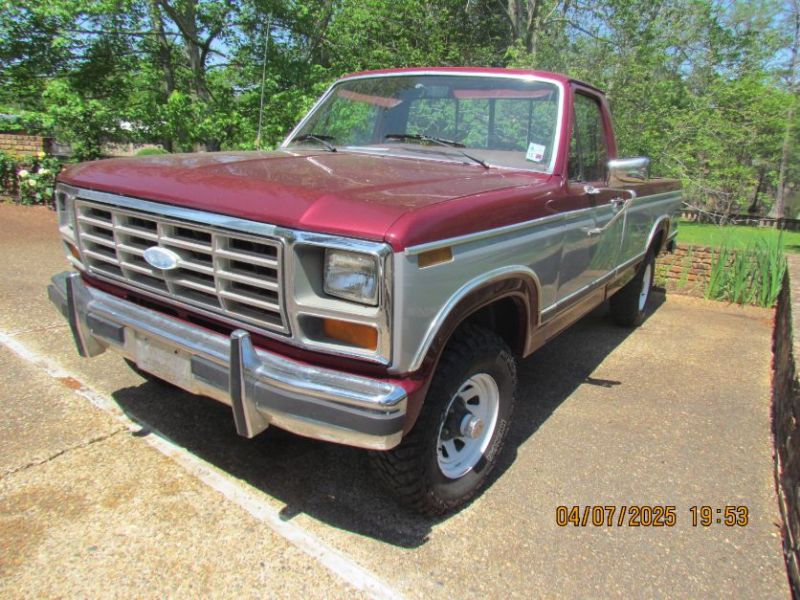
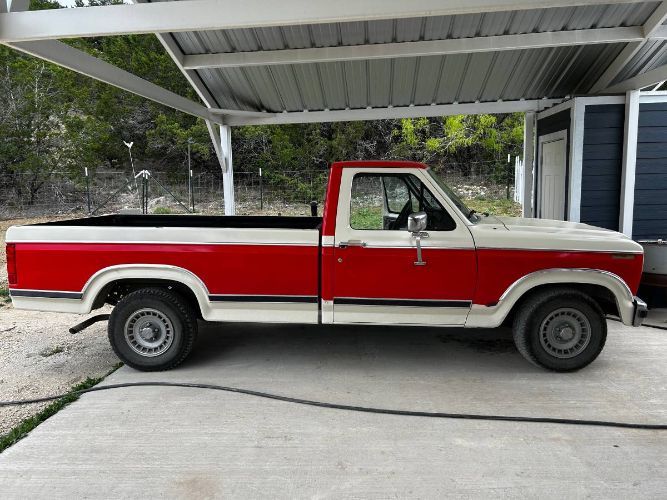
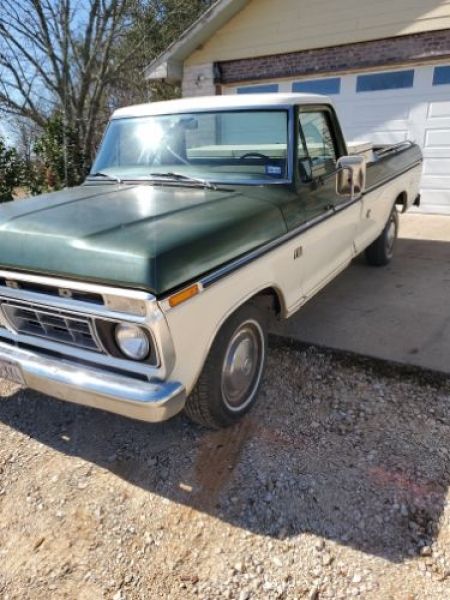
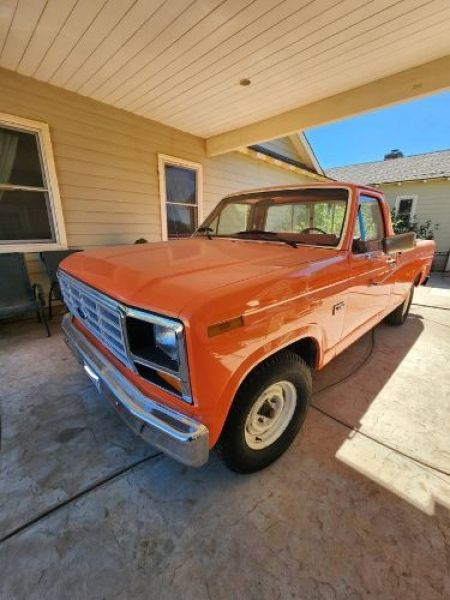
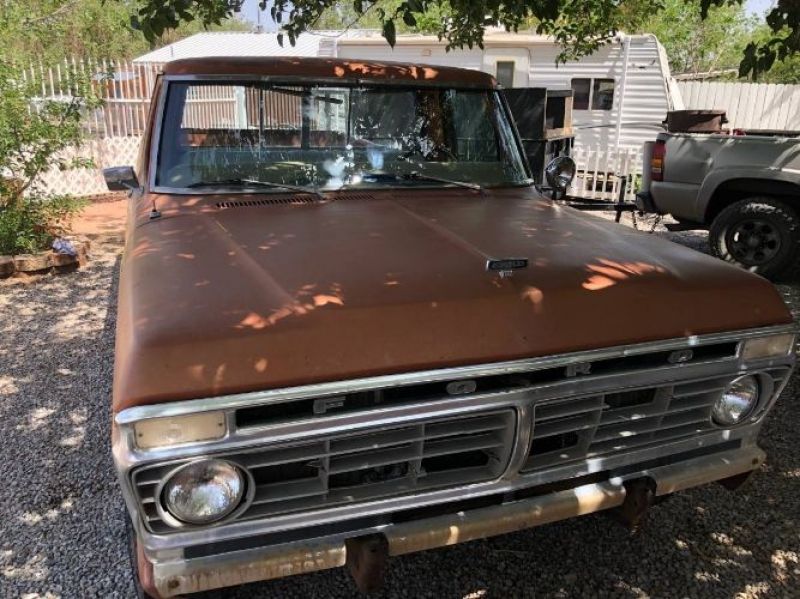
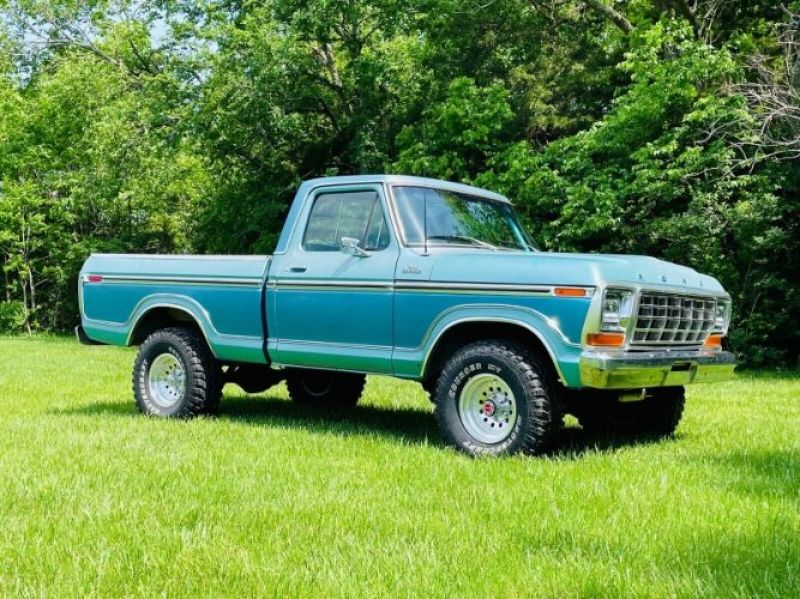
- The 1973-1979 dentside and 1980-1986 bullnose trucks are the classic-era F-150s to chase.
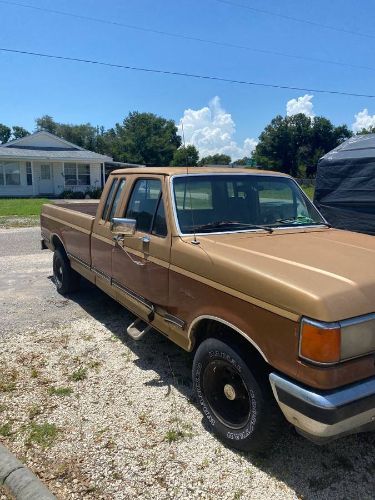
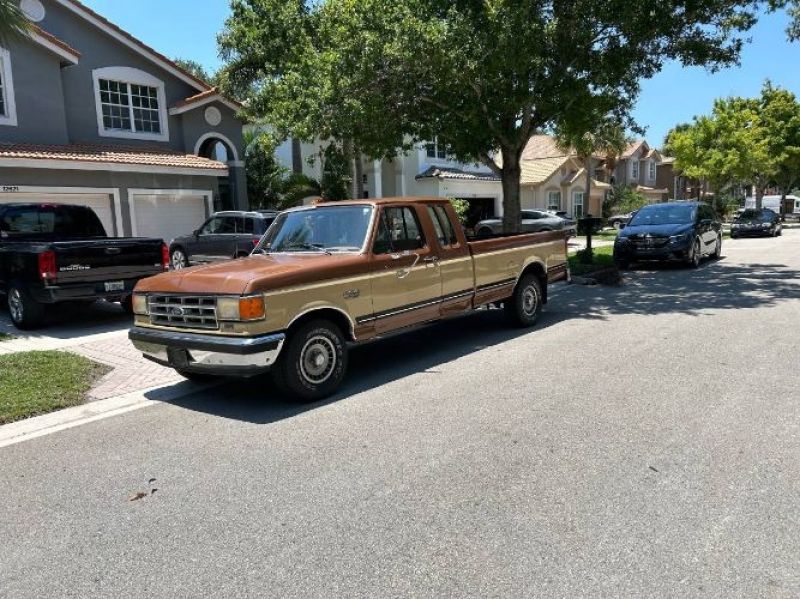
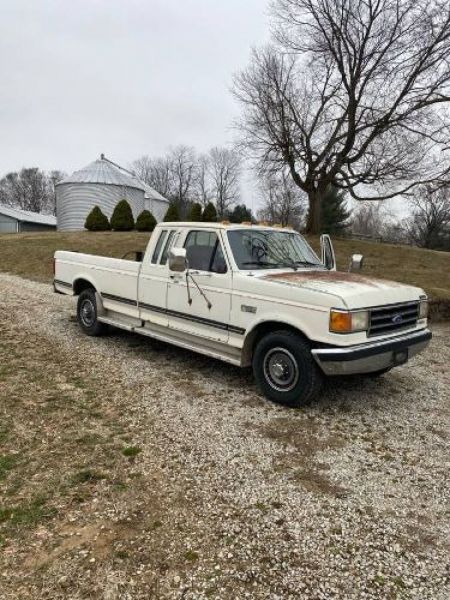
- The 1987-1991 trucks brought fuel injection and are the easiest classics to drive every day.
- The 300 six is bulletproof; 302 and 351 V8s are the common upgrades.
Buying a classic Ford F-150
The F-150 took over as Ford's mainstream half-ton and went on to become the best-selling truck in America. The early ones are now genuine classics, simple and tough and easy to find parts for. Check current values on our classic car valuation page and compare with the truck it replaced, the Ford F-100.
Which F-150 to buy
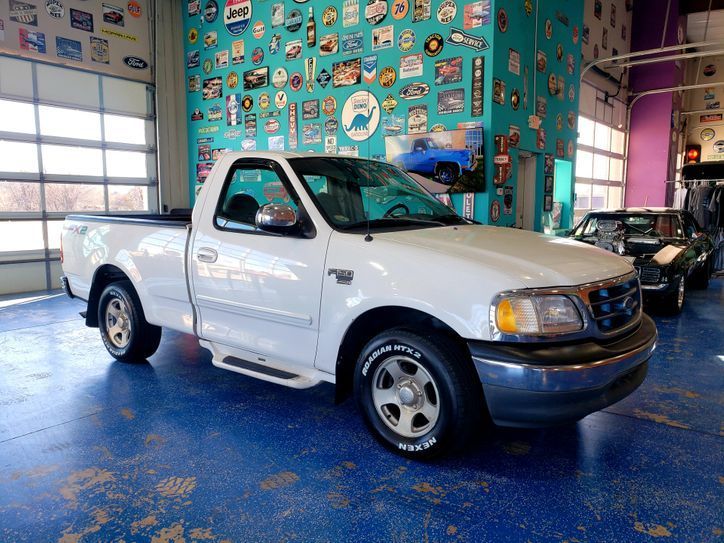
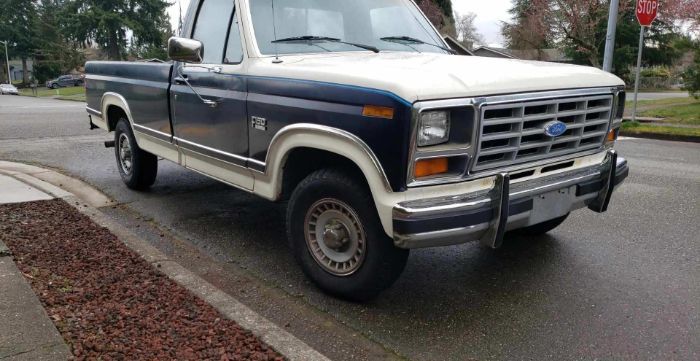
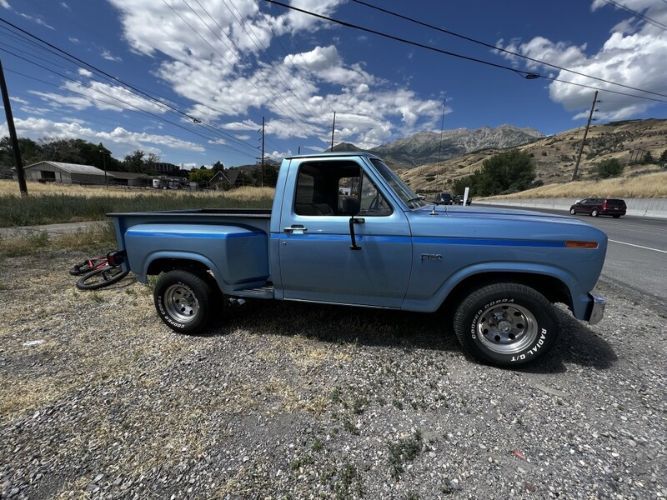
The 1975-1979 dentside trucks share the handsome square styling of the era and the 300 six or FE and 385-series V8s. The 1980-1986 bullnose trucks were the first ground-up redesign since the mid-sixties, lighter and more aerodynamic. The 1987-1991 trucks added fuel injection and a smoother interior, which makes them the practical pick if you want a classic you can drive without fuss.
| Generation | Years | Engines | Nickname |
|---|---|---|---|
| Sixth | 1975-1979 | 300 six, 351 / 400 / 460 V8 | Dentside |
| Seventh | 1980-1986 | 300 six, 302 / 351 V8 | Bullnose |
| Eighth | 1987-1991 | 300 six EFI, 302 / 351 EFI | Fuel-injected |
What to inspect
These trucks are common and cheap, so condition separates a keeper from a money pit. Rust and a healthy drivetrain set the price.
🔧 Inspection Priorities
- Cab corners, floors, and rockers. The standard Ford rot spots; check the seams and under the mats.
- Bed sides, wheel arches, and rear crossmember. Rust and haul damage are common and add up.
- Frame and front Twin I-Beam suspension. Look for rot, sag, and worn bushings.
- Engine and fuel system. Carbureted trucks need a tune; the 1987+ EFI trucks are easier to live with daily.
"The early F-150 is the everyman classic truck. Parts are everywhere, the 300 six runs forever, and a clean one is still attainable money."
— Robert