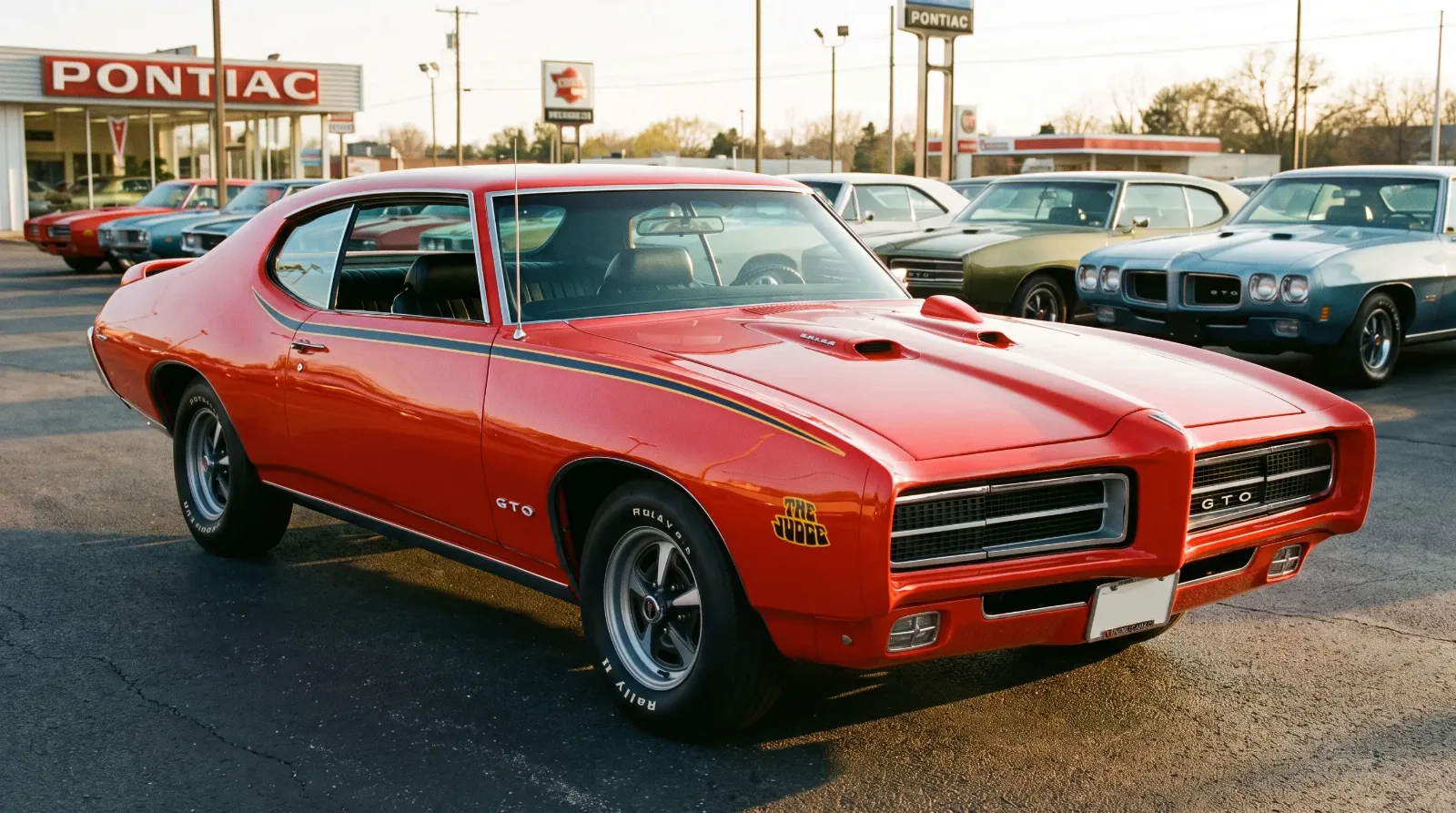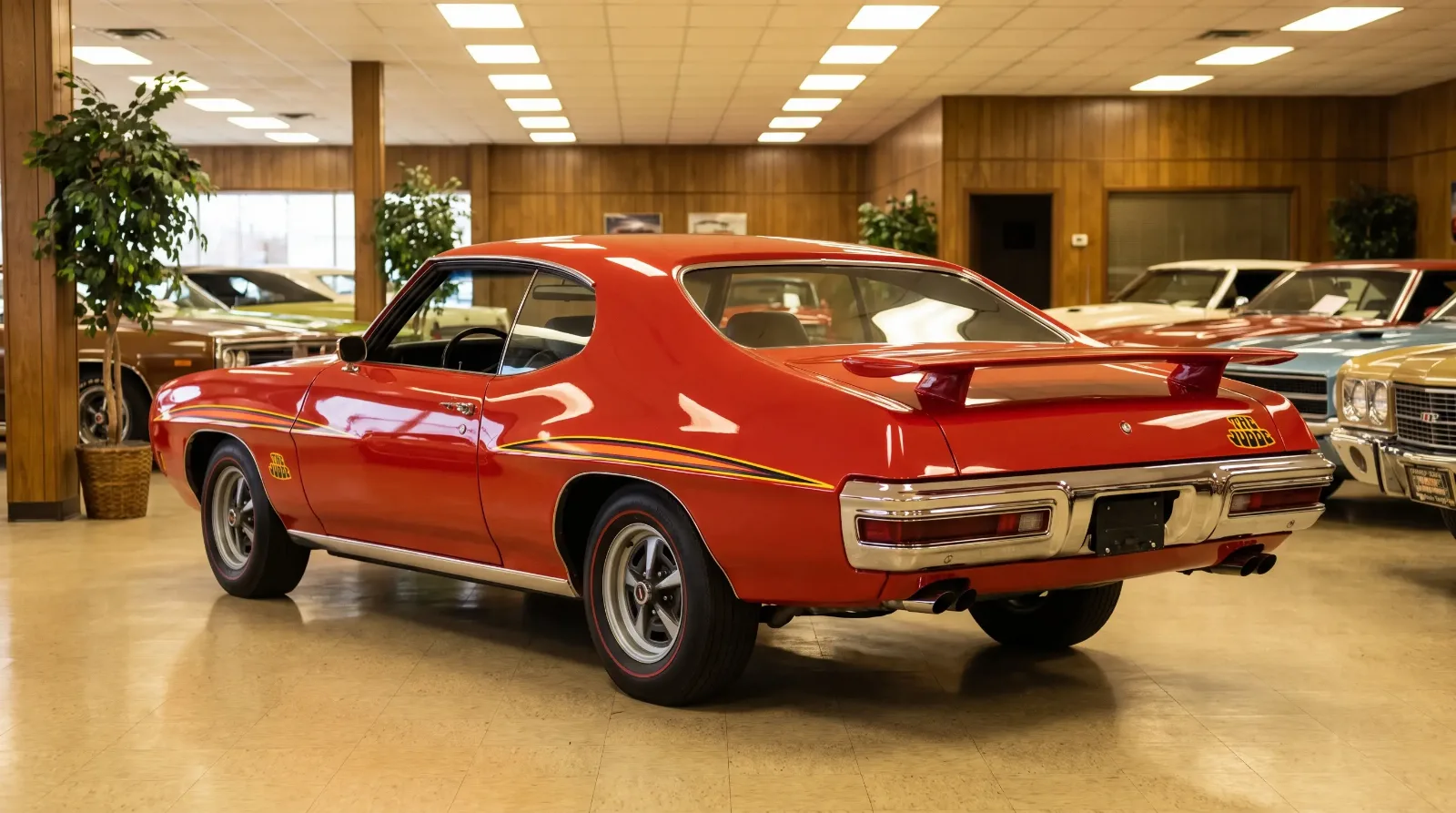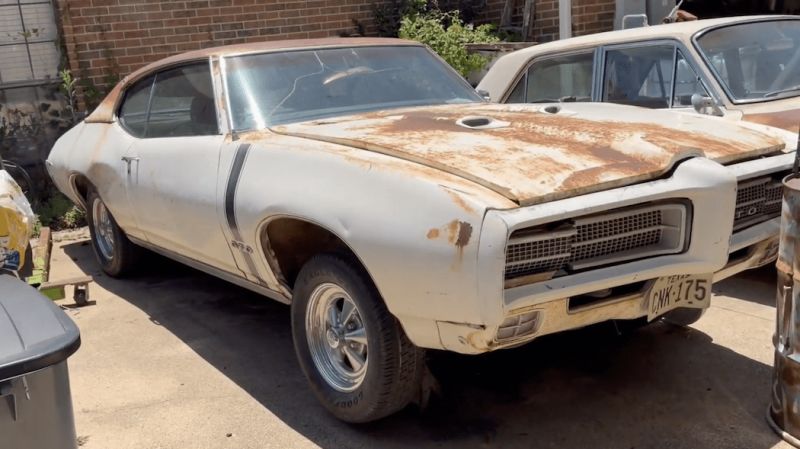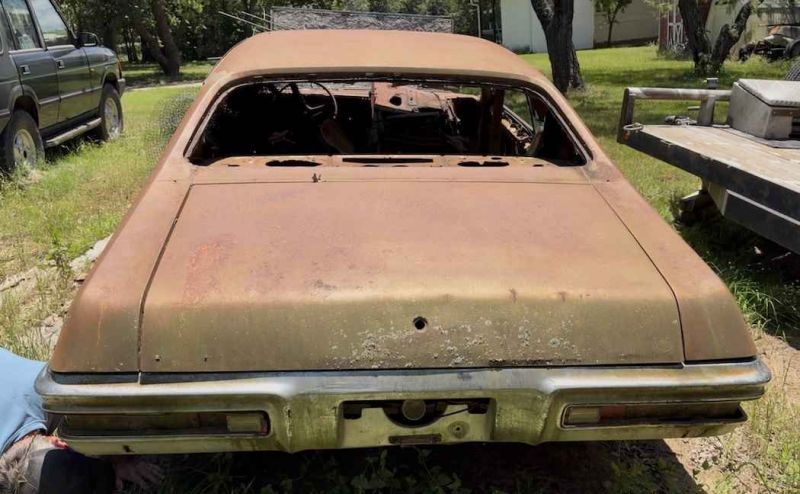
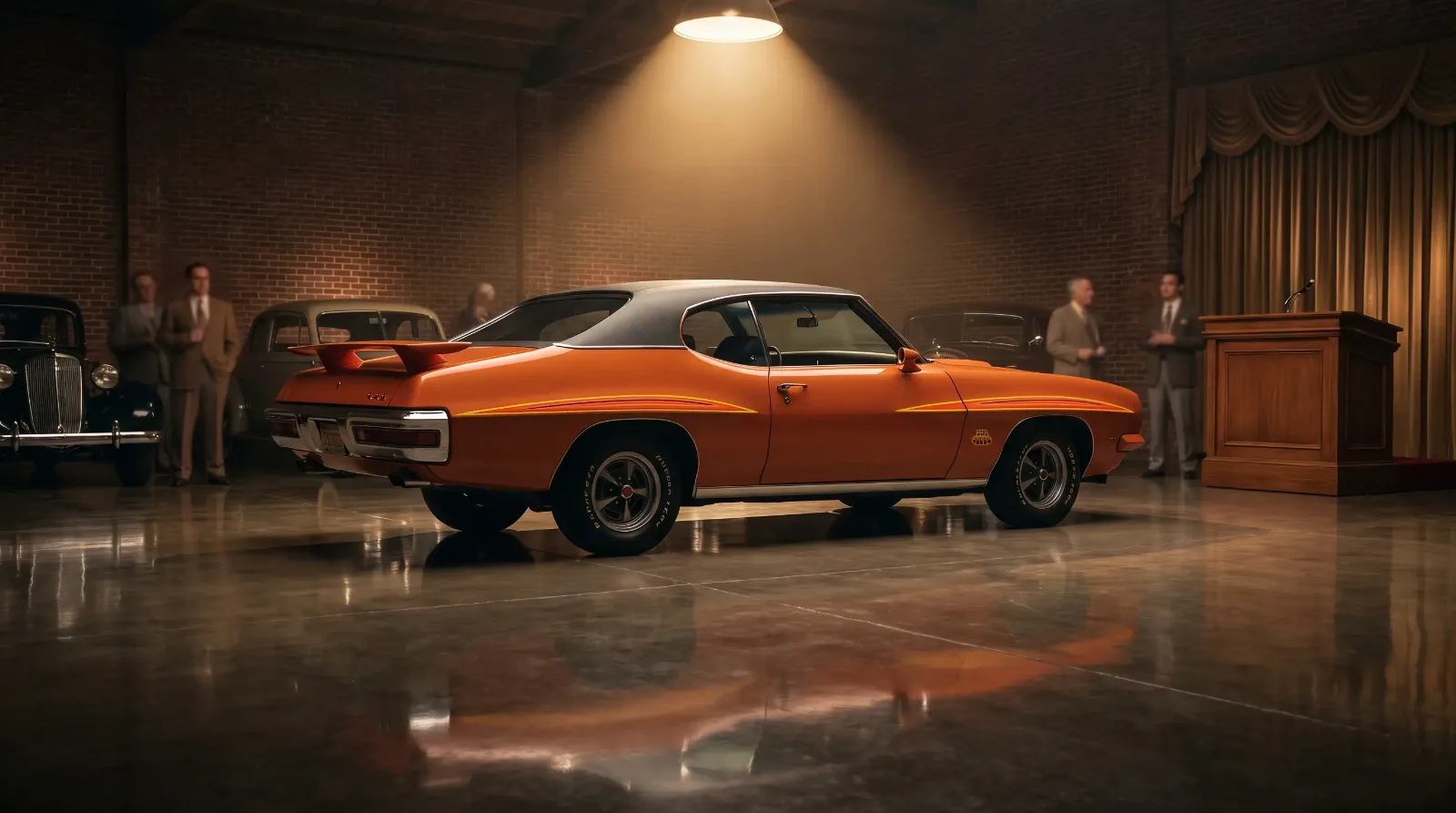
A well-documented 1971 Judge is worth more per surviving unit than most people expect, and that number needs immediate qualification, because the year is also the least understood in the entire Judge run. Buyers either overpay chasing perceived rarity without checking documentation, or underpay because they've never seen one and assume it's a lesser car than the 1969 or 1970 versions. Neither instinct is reliable. The 1971 requires more homework than the years before it, and the homework changes the valuation math considerably.
Why production collapsed
Insurance surcharges on high-performance cars had been climbing since the late 1960s, and by 1971 they'd reached a point where they materially affected which buyers could realistically afford to option a car like this. Compression ratios across the industry dropped that year too, as manufacturers began adjusting engines to run on lower-octane fuel ahead of looming emissions regulations, which softened the performance numbers relative to the 1969 and 1970 cars even before you account for the more conservative net horsepower ratings the industry was starting to adopt. The combination of rising insurance costs and declining advertised performance meant fewer buyers checked the Judge box, and Pontiac's own internal enthusiasm for the option was clearly fading as well, this was visibly the last year before the whole muscle car category contracted hard.
Total 1971 Judge production came in at just 374 cars, including only 17 convertibles, a steep drop from the 6,833 built in 1969 and 3,797 in 1970. That number alone should make this the most valuable year in the run. In practice, values haven't tracked with rarity as cleanly as you'd expect, and that mismatch is worth understanding before you assume scarcity guarantees price appreciation.
The documentation problem
Low production runs create a specific market hazard: when genuine examples are scarce, the incentive to misrepresent a standard GTO as a 1971 Judge goes up, not down. I've evaluated cars presented as documented 1971 Judges where the paperwork trail had gaps that a buyer paying real money should have caught before wiring funds. PHS documentation, when available, is the baseline requirement here, not a nice-to-have. Without it, you're valuing a story, not a car, and stories depreciate to zero the moment someone with real expertise looks closely.
The caveat cuts the other way too. Some genuine, correctly built 1971 Judges lack complete paperwork simply because records from a low-volume final year weren't preserved as carefully as Pontiac's more heavily documented peak years. A missing PHS report isn't automatic disqualification, but it does mean the burden shifts to physical evidence: matching engine codes, correct trim tag data, body evidence consistent with factory assembly rather than later modification. Get a qualified appraiser to walk the car in person before you commit serious money based on photos and a seller's word.
| Factor | 1971 GTO Judge |
|---|---|
| Total production | 374 (17 convertibles) |
| Standard engine | 455 HO V8, 335 hp gross / 310 hp net, 8.4:1 compression |
| Documentation baseline | PHS report strongly recommended |
| Market liquidity | Thin, fewer comparable sales than 1969-1970 |
What liquidity actually looks like at this rarity level
Thin production means thin trading volume, and thin trading volume means price discovery is genuinely difficult. You can't lean on twenty comparable sales from the last two years the way you can with a 1969 base Judge. Auction results for 1971 examples are infrequent enough that a single outlier sale, a particularly clean car at the right auction with two motivated bidders, can distort perceived market value for years afterward. I tell clients not to anchor to a single headline sale price when valuing their own car. Look at the trend across whatever sales data exists, weight recent transactions with strong documentation more heavily, and discount outlier results that lack clear provenance.
The flip side of thin liquidity is that a genuinely documented, well-preserved 1971 Judge can sit on the market longer than you'd expect for a car this rare, simply because the buyer pool who both wants this specific year and has the budget for it is small. Rarity does not automatically equal fast liquidity. If you need to sell quickly, a 1971 Judge is not the asset you want to be holding, regardless of how well documented it is.
"Rare doesn't mean liquid. A car nobody's ever heard of can sit for eighteen months even with perfect paperwork, because the buyer who wants exactly this car isn't always shopping when you're ready to sell."
— Marcus Feld
Reading condition against this level of rarity
Condition assessment on a 1971 Judge has to account for the fact that many surviving examples spent decades treated as ordinary used cars rather than future collectibles, since nobody in 1975 or 1985 was pricing these as the rarest year of the run. That means a higher proportion of survivors show honest, accumulated wear, repainted panels, replaced interior components, non-original wheels, than you'd find in the more heavily preserved 1969 population, where enthusiasts started stashing cars away earlier once the model's collector status became obvious. A 1971 example presenting as a numbers-matching, largely original survivor is genuinely rarer within its own already-thin production run than the equivalent claim would be for a 1969 car.
That scarcity within scarcity is where the real premium sits. A driver-quality 1971 Judge with a mix of original and replaced parts, honestly represented, trades at a level that reflects both the low production and the practical reality that most surviving examples aren't concours-ready. A fully documented, largely original example commands a considerably wider premium over that baseline than the equivalent gap would be for a more common year, because so few 1971 cars exist in that condition to begin with. Appraising this year correctly means weighting originality more heavily than you would for a year with a larger surviving population to draw comparisons from.
The downside case
Buy a 1971 Judge on incomplete documentation and you're accepting real downside risk that a more common, better-documented year simply doesn't carry. If the car's story doesn't hold up under later scrutiny, whether from a future buyer's appraiser or from a club registry that eventually catalogs known genuine examples, you can find yourself owning a nicely optioned GTO clone worth a fraction of what you paid for a "genuine" Judge. That risk is the trade-off for chasing the rarest year in the run. Buyers comfortable with that risk, who've done the diligence and are confident in what they're buying, can find real value here precisely because the market's uncertainty keeps some prices lower than the raw rarity numbers would otherwise justify.
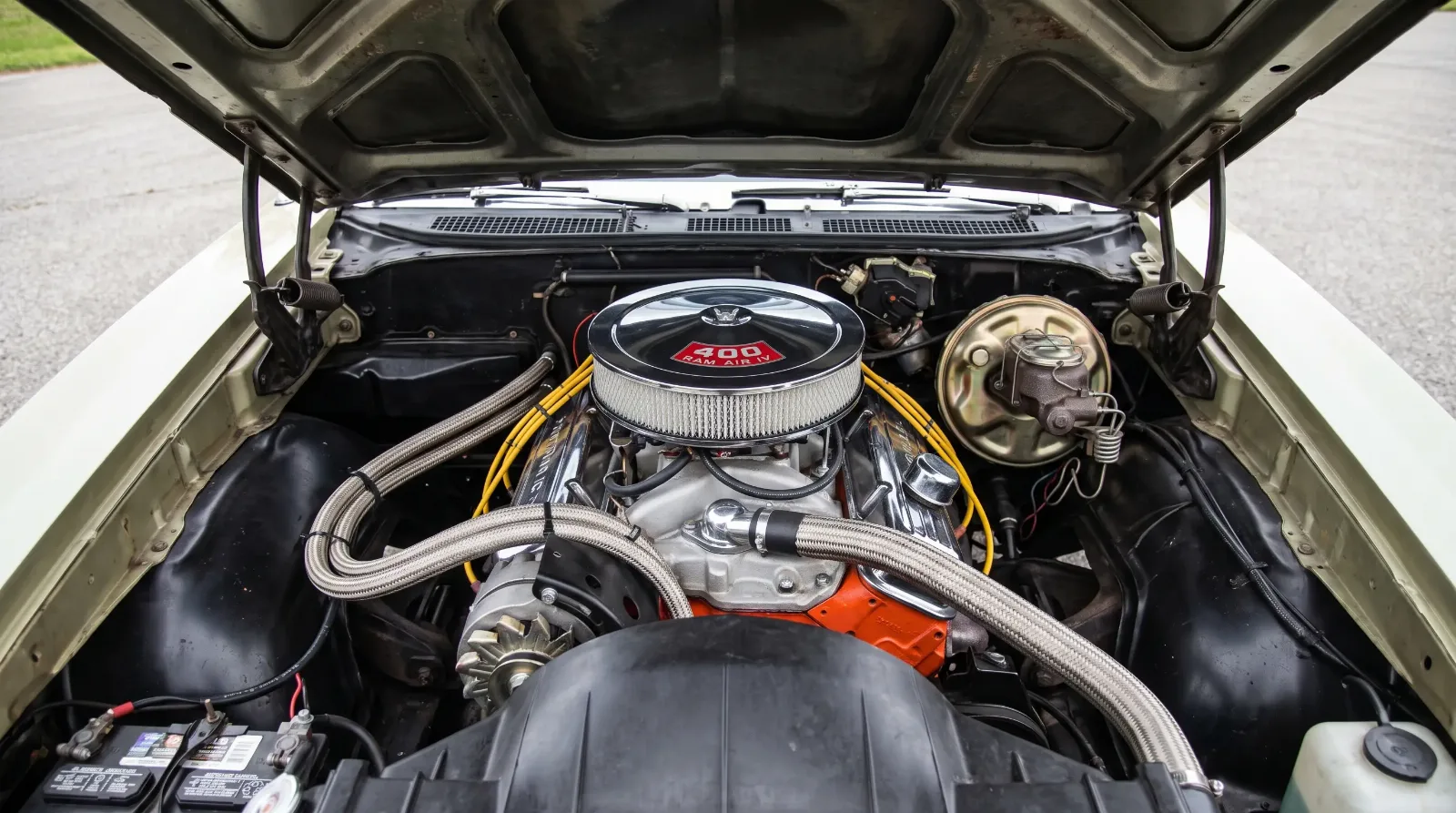
For buyers who want rarity without quite this level of documentation risk, the story shifts again once you look at specific engine options within these years rather than model years alone. The Ram Air IV, offered primarily in 1969 with limited carryover, presents its own separate rarity case with a somewhat clearer documentation trail in most instances. If you're weighing which kind of scarcity is worth paying for, read on for how that comparison plays out.
The broader context for how Pontiac's Judge arrived at this quiet final year, from a loud mid-year 1969 launch to a near-extinction event by 1971, explains why the market treats this specific year with the caution it does. Production collapses rarely happen because a car got worse. They happen because the world around the car changed faster than the product could adapt, and 1971 is that story condensed into a single, thin model year.