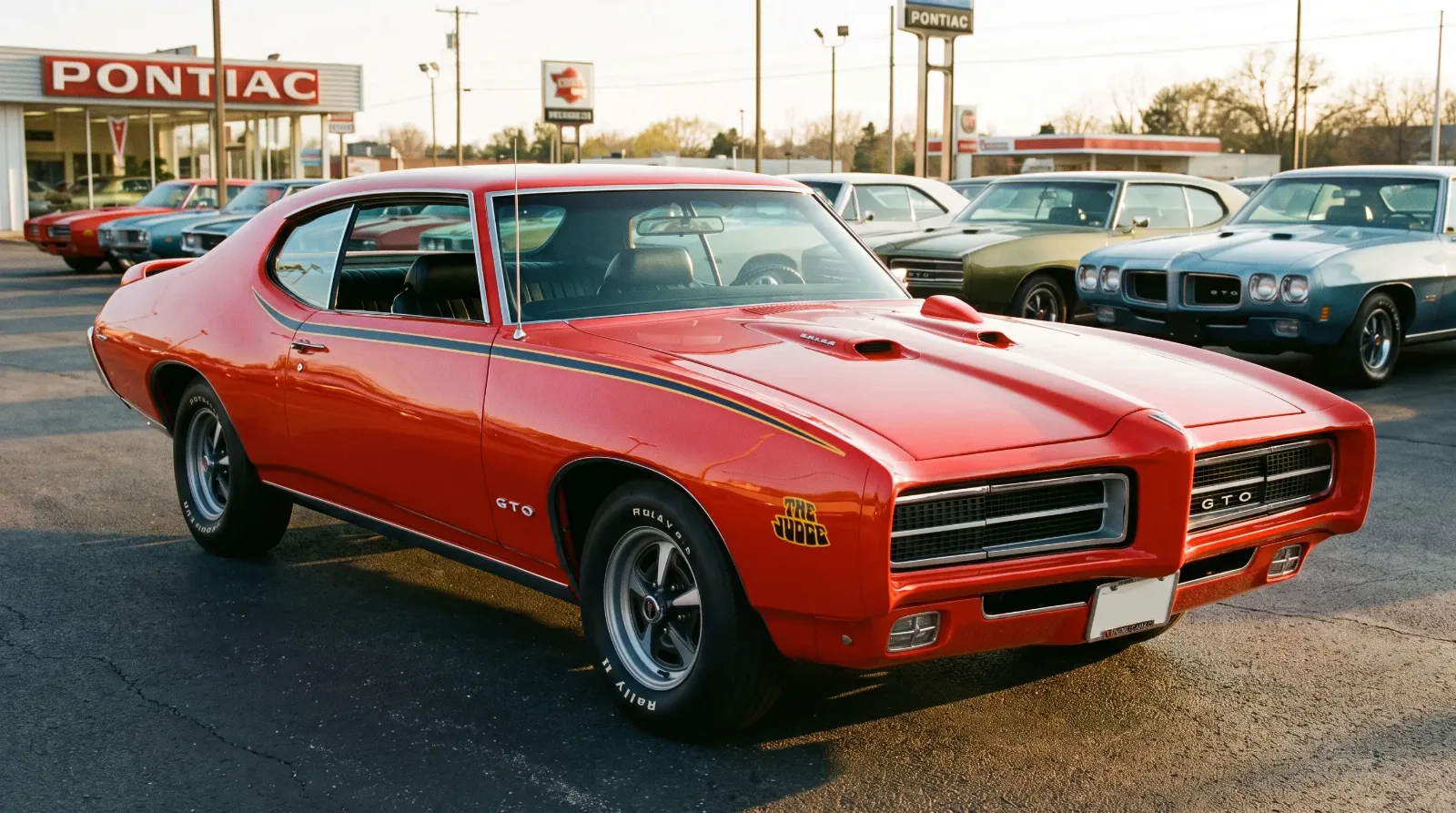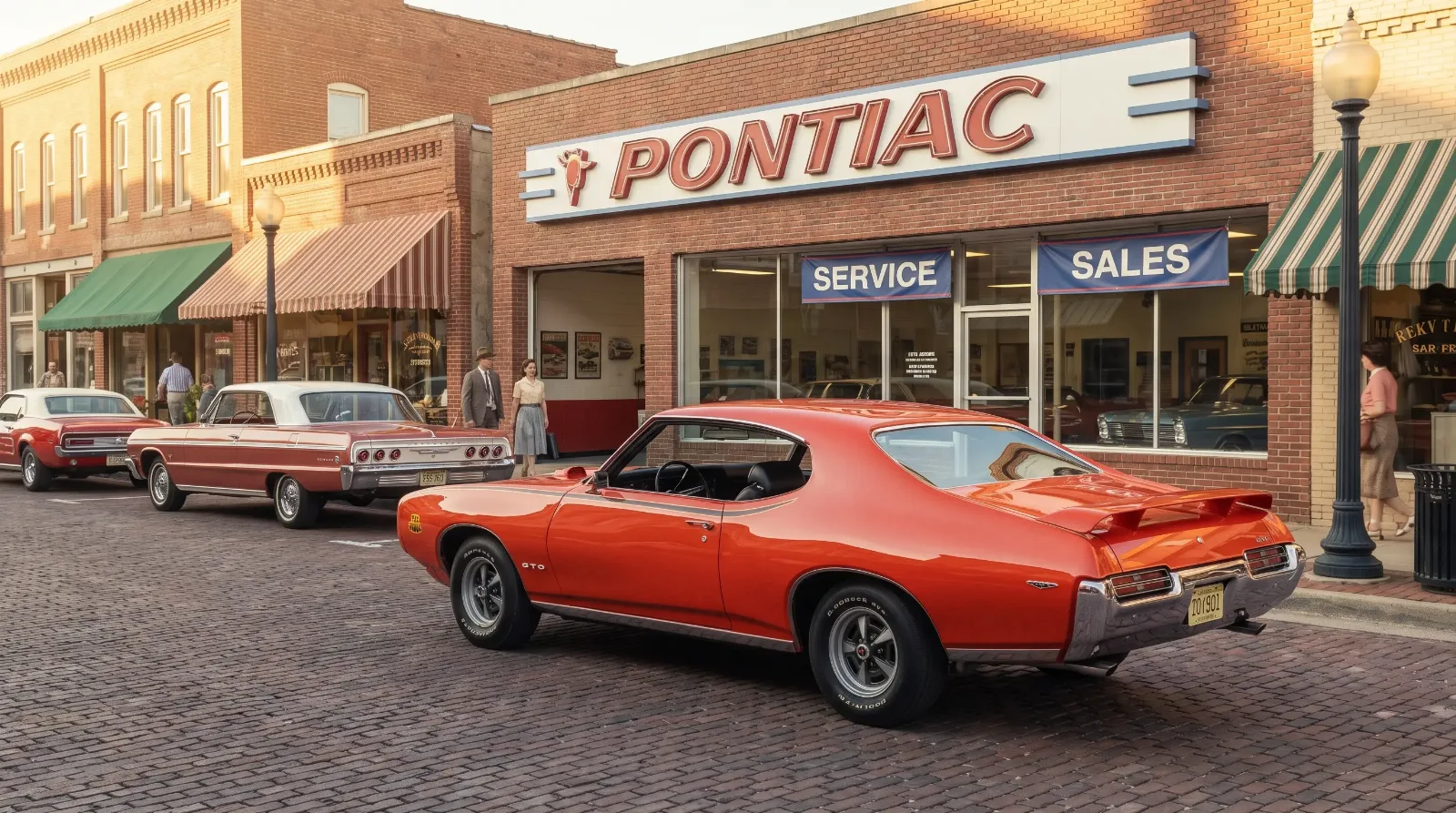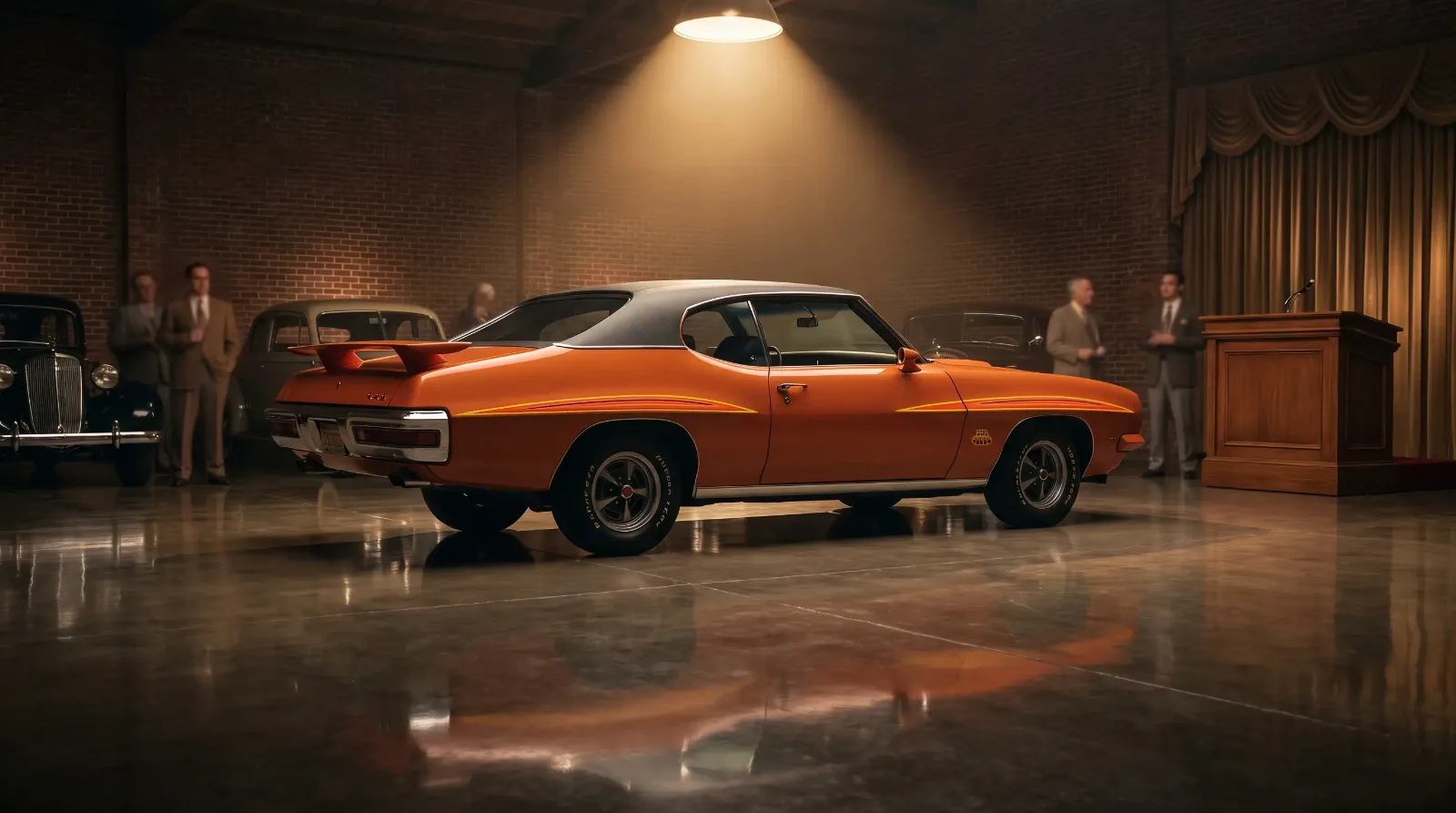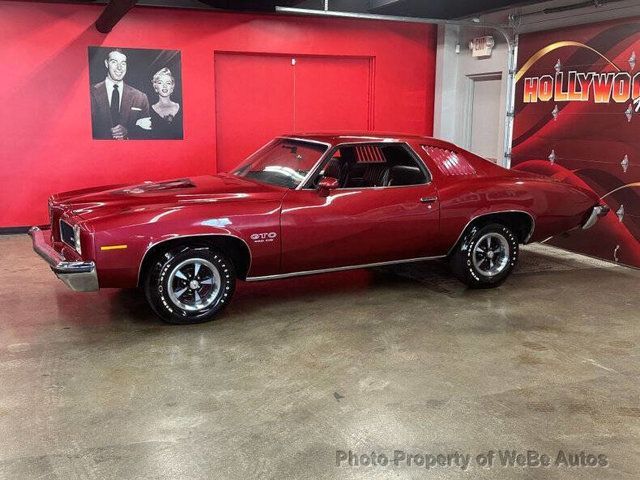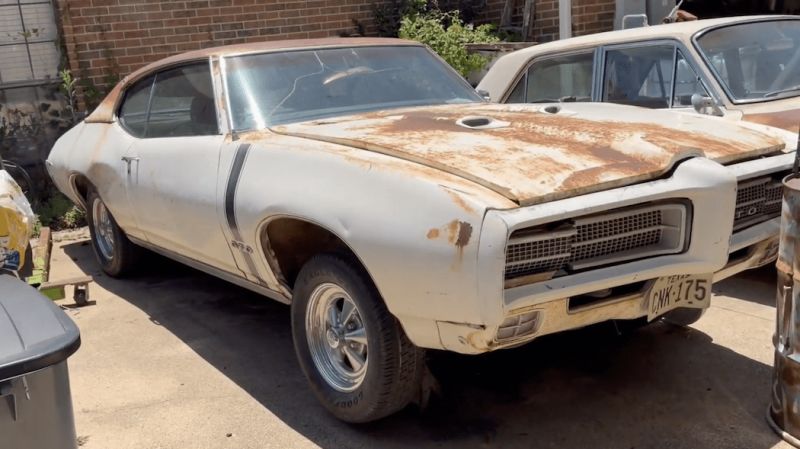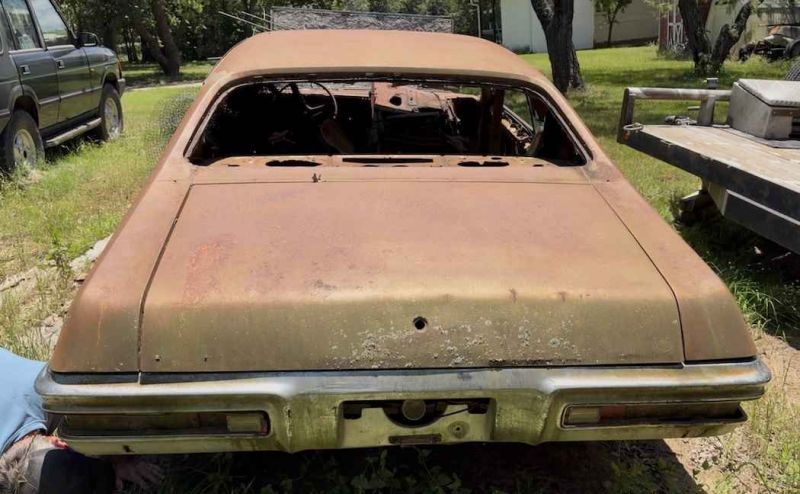
The 1970 Judge is the one I actually recommend to guys who ask me which model year to chase if they want the most car for the money. It's not the rarest, it's not the first, but it's the version where Pontiac had a full year to sort out what worked in 1969 and push it further instead of rushing a mid-year package out the door. That extra development time shows up in the details once you get one on a lift.
The styling changes that actually matter
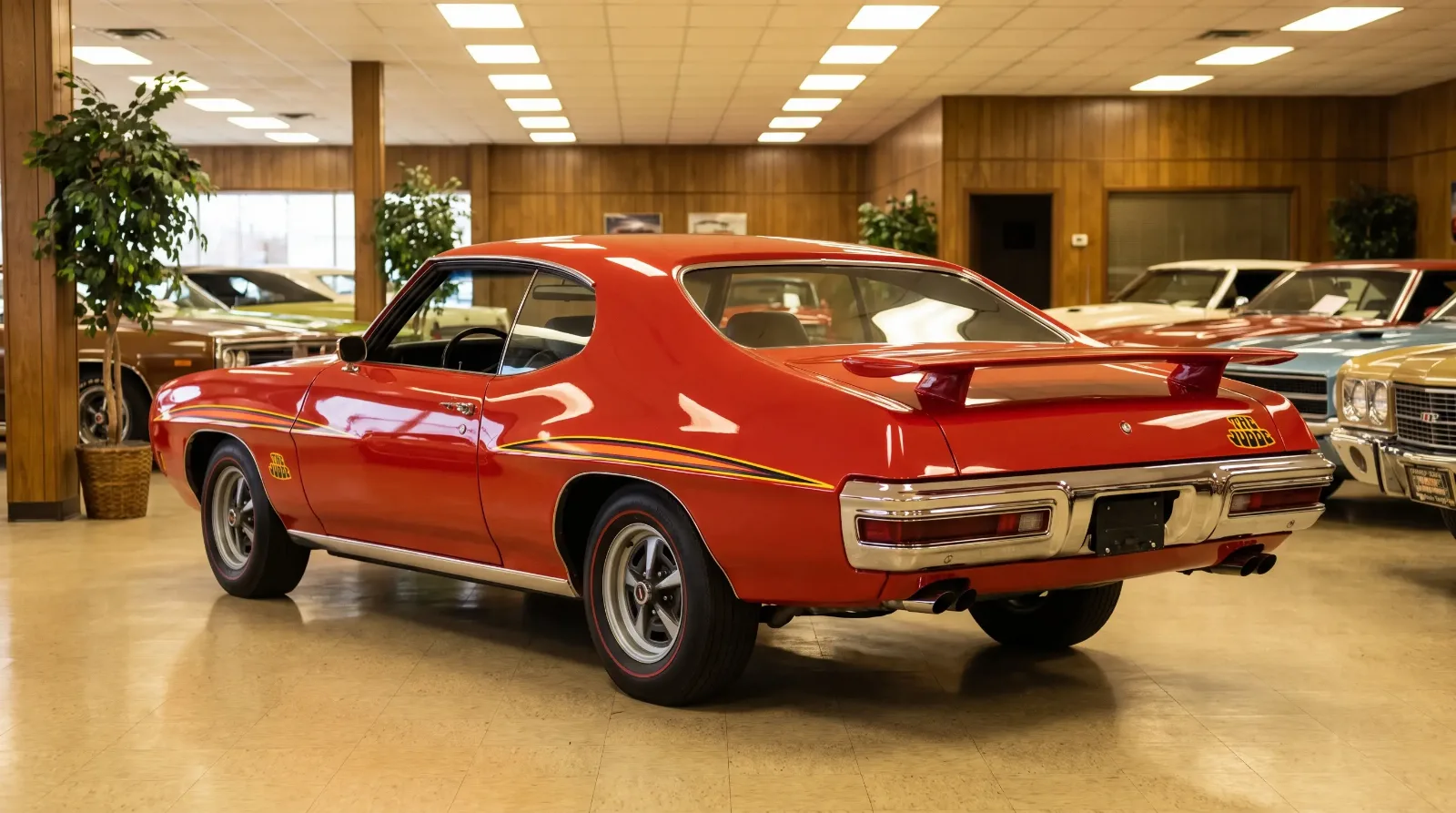
The biggest visible difference is the rear spoiler. Pontiac enlarged it for 1970, giving the car a more aggressive stance from behind that photographed better and, more importantly for guys who actually drove these hard, provided a bit more real downforce at speed than the smaller 1969 piece. The Endura front end got a mild refresh too, and the overall body received subtle changes across the GTO lineup that carried over to the Judge package. None of it was a full redesign, GM wasn't about to blow the budget on a car that was already selling well, but the changes were enough that a trained eye can tell a 1970 apart from a 1969 at a glance, even before checking the VIN.
Color choices expanded that year as well. Carousel Red carried over as the signature Judge shade, but Pontiac added new options to the broader GTO palette, and buyers increasingly ordered Judges in colors beyond the original red, orange, and yellow theme that dominated 1969 advertising. By 1970 the Judge wasn't just a red car with decals anymore, it was available in a real range of colors while keeping the same multicolor stripe package that made it instantly identifiable regardless of the base paint.
| Spec | 1970 GTO Judge |
|---|---|
| Base engine | Ram Air III 400 V8, 366 hp gross |
| Optional engine | Ram Air IV 400 V8, 370 hp gross |
| New optional engine | 455 HO V8, 360 hp gross, arriving late in the 1970 model year |
| Rear spoiler | Enlarged versus 1969 |
| Colors | Expanded palette beyond original 1969 range |
The 455 changed the conversation under the hood
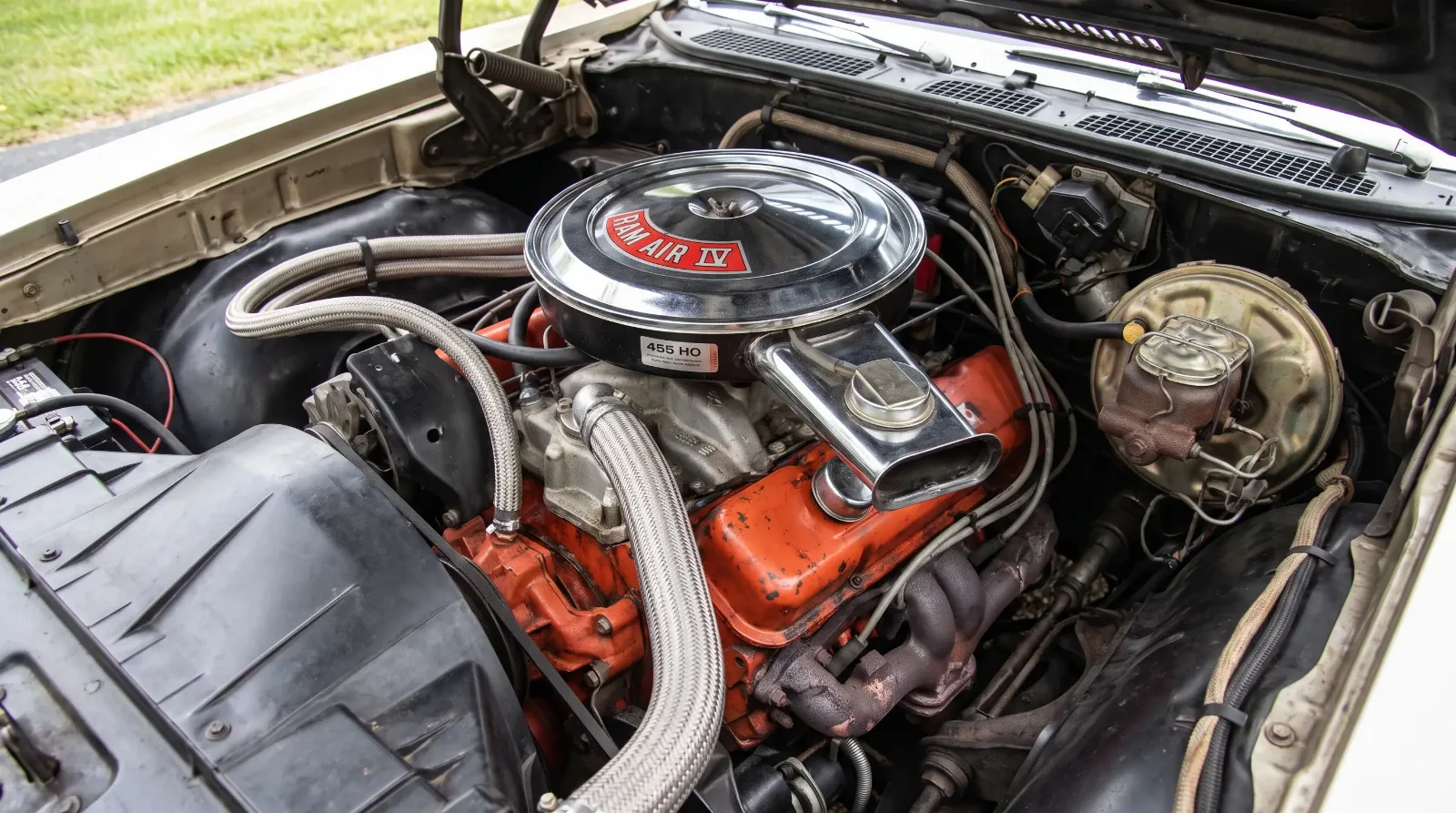
Pontiac introduced the 455 cubic inch V8 as an option late in the 1970 model year, and its advertised 360 hp actually came in a bit under the 366 hp Ram Air III and 370 hp Ram Air IV it was sold alongside, but the torque numbers told a different story. The 455 HO made significantly more low-end grunt than the 400-based engines, and on the street that torque advantage mattered more to most owners than a handful of extra horsepower at high RPM ever would. A Judge with the 455 HO pulls differently off the line than a Ram Air III car, and once you've driven both back to back the difference isn't subtle.
What I tell guys shopping this generation is that the 455 cars tend to be underappreciated relative to Ram Air IV examples, partly because the Ram Air IV carries more collector cachet from its 1969 halo status. But a well-sorted 455 HO Judge is a genuinely satisfying car to drive today, arguably more usable on modern roads than a peaky Ram Air IV that wants to be revved hard to make its power. Depends what you actually want out of ownership, a numbers-matching investment piece or a car you're going to drive on weekends.
What breaks and what to check first
Cooling systems on these cars get stressed hard, especially with the bigger displacement 455 option shoehorned into an engine bay designed around smaller blocks a few years earlier. I always check radiator condition and fan clutch operation first on any 1970 Judge that comes through the shop, because overheating issues on these cars cascade into head gasket problems fast if they're not caught early. The Turbo Hydra-Matic 400 automatic, when equipped, is generally reliable if it's been maintained, but a lot of these cars sat unused for long stretches over the decades and transmission fluid that's been sitting for years causes seal problems that show up the first time someone actually drives the car hard again.
Rust is the other big one, particularly around the lower rear quarters and the trunk floor near the spoiler mounting points, since water tends to collect there if the drain channels get clogged. I've seen otherwise beautiful 1970 Judges with hidden rust damage right under a nicely restored spoiler, because nobody thought to check underneath it during the restoration. Pull the spoiler or at minimum inspect around its mounting hardware before you commit to buying one sight unseen based on photos alone.
"Everybody wants to talk about the engine first. I want to know what's happening under the spoiler mounts before we even start the car."
— Mike Sullivan
Interior updates worth knowing about
Inside, the 1970 cars picked up minor trim revisions over 1969, new door panel patterns, some updated switchgear, and a slightly different steering wheel design on cars equipped with the optional Rally gauge cluster. None of this is dramatic, and most casual observers wouldn't clock the difference walking past the car in a parking lot. But for buyers doing a numbers-matching restoration, getting the interior details correct for the specific model year is part of what separates a documented, accurate car from one that's been pieced together with whatever parts were available at the time of restoration. I've had customers spend real money chasing down the correct door panel pattern for their exact build date, and while that level of precision isn't for everyone, it does affect resale value when the car eventually changes hands.
Seat belt hardware and shoulder harness mounting also shifted slightly across these model years as federal safety regulations tightened heading into the seventies. It's a small detail, but it's one more data point when you're trying to confirm whether a car's interior components actually match its claimed build date, especially on cars that have had seats reupholstered or swapped over the decades.
Why 1970 is the sweet spot for a lot of buyers
Production numbers were solid enough that parts availability and support from the enthusiast community are strong today, unlike some of the lower-production years in the Judge lineup where certain trim pieces are nearly impossible to source. Prices generally sit below the 1969 originals and well below Ram Air IV convertibles from any year, which makes 1970 an entry point for buyers who want a genuine, correctly optioned Judge without competing against the deepest-pocketed collectors in the hobby. That combination of styling improvements, the 455 option, and more reasonable market pricing is why I steer people here when they ask where to start.
If you want the full picture of how the GTO got to this point, from a 1964 option package to a car aggressive enough to spawn its own sub-brand, the complete GTO story covers the whole arc. And if 1970 isn't quite rare enough for what you're after, the following year brought a much lower production run and a quieter send-off for the classic Judge era. For that story, read on.
For current market options, you can browse GTO listings to see what 1970 examples are actually trading for right now, including how documentation and originality affect asking prices across the range.