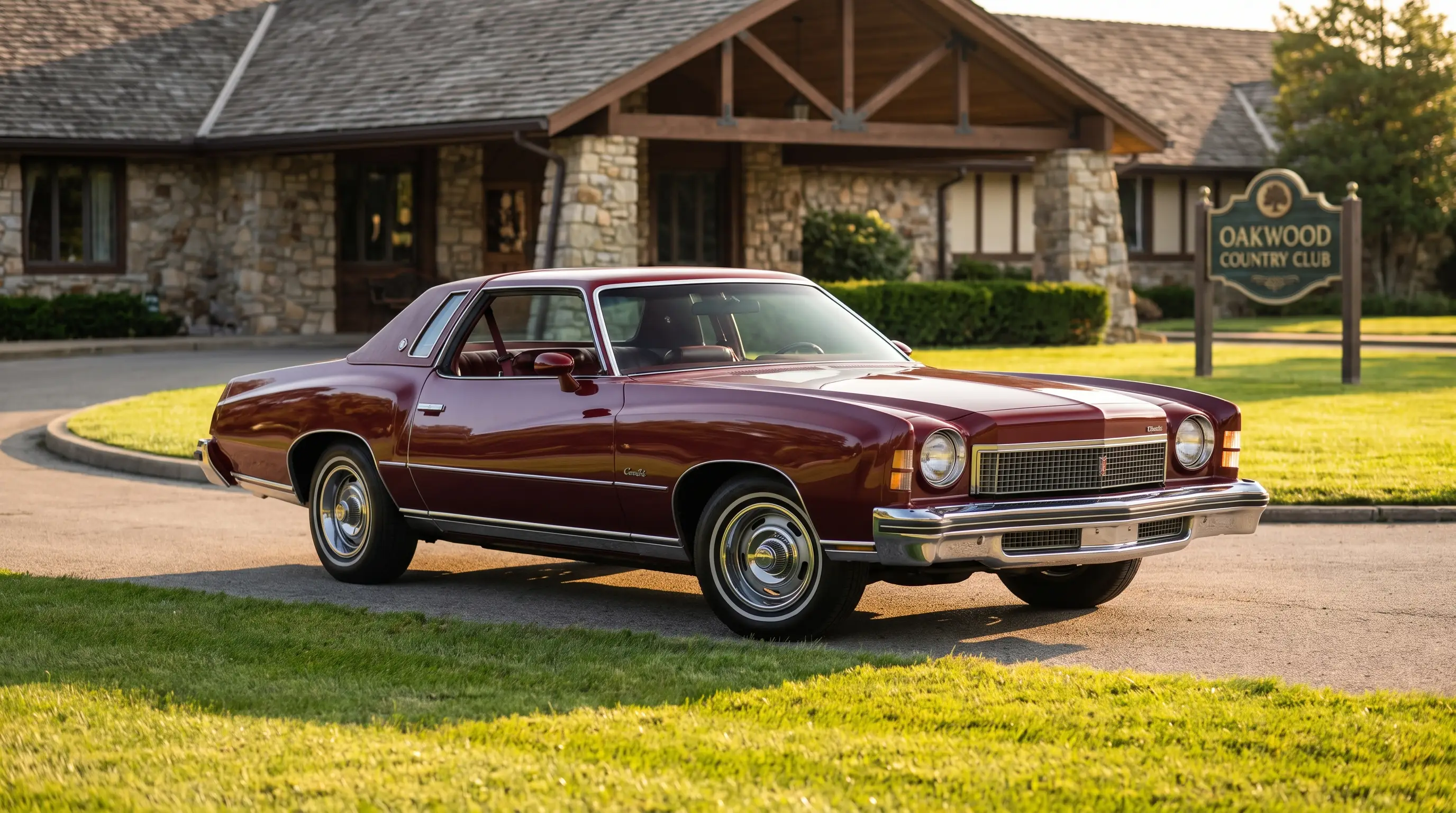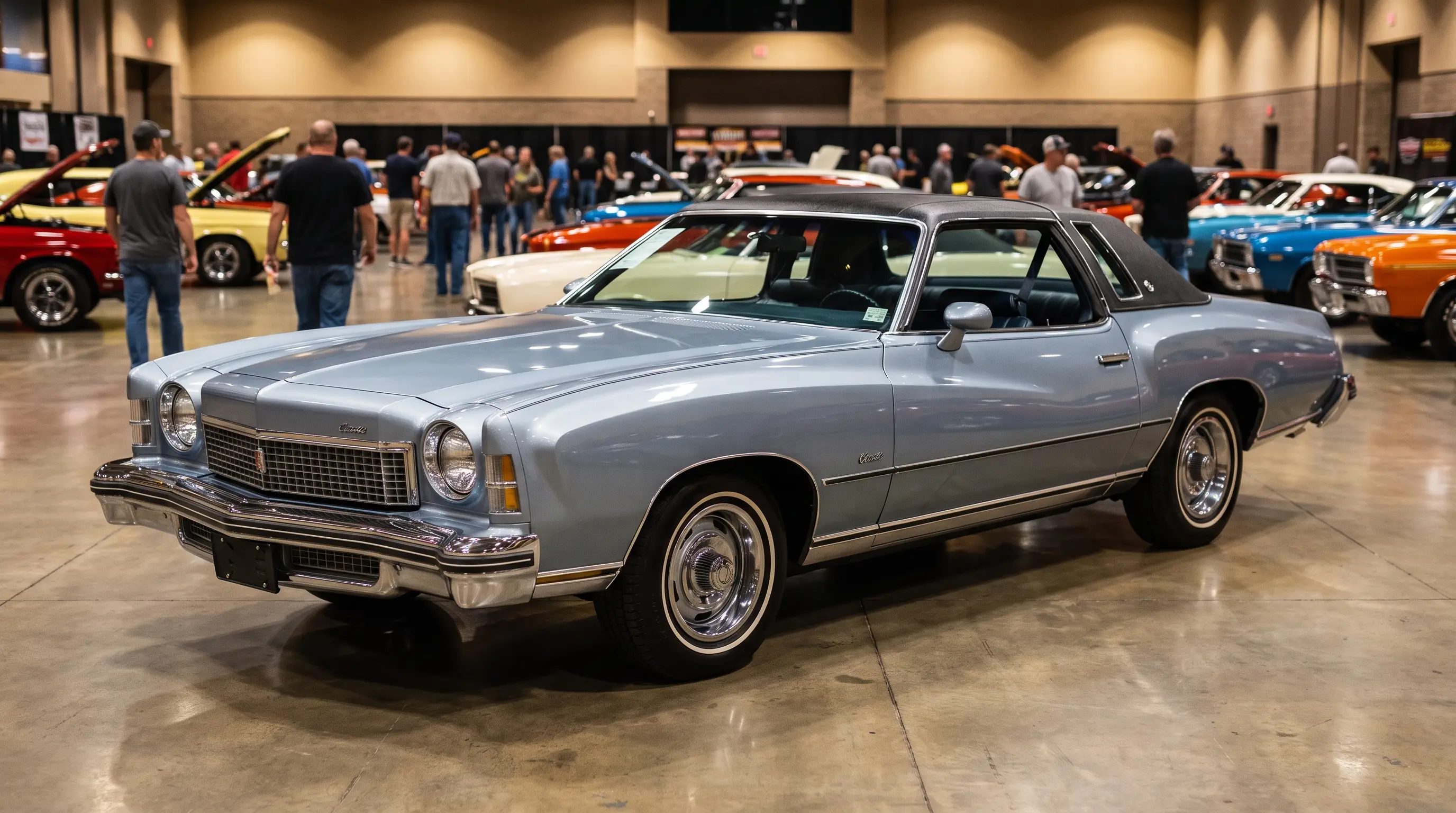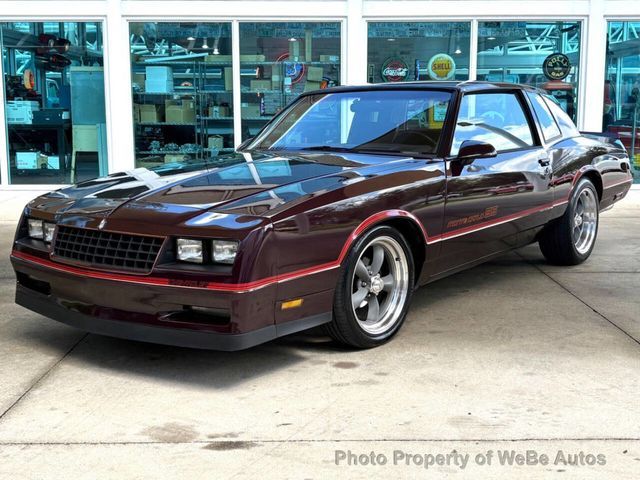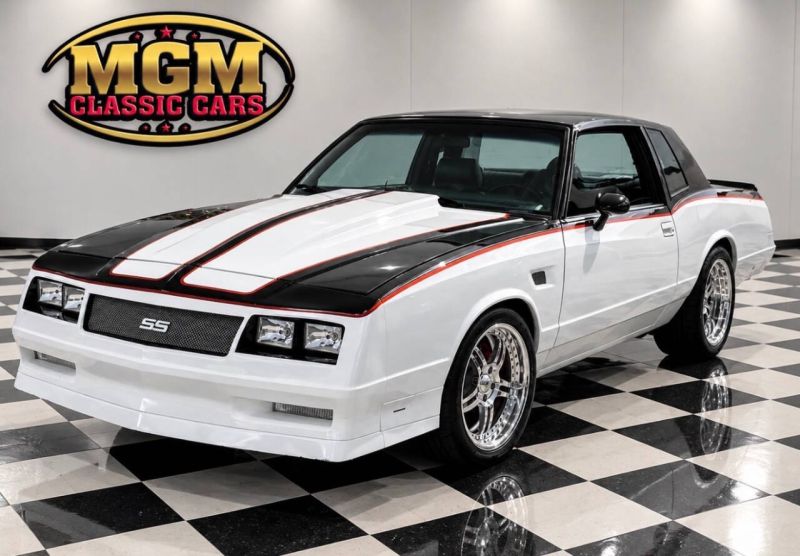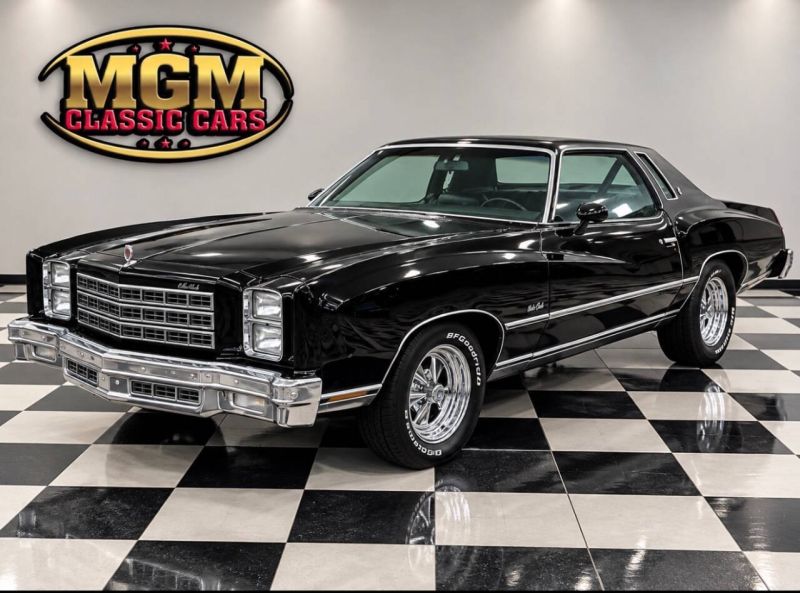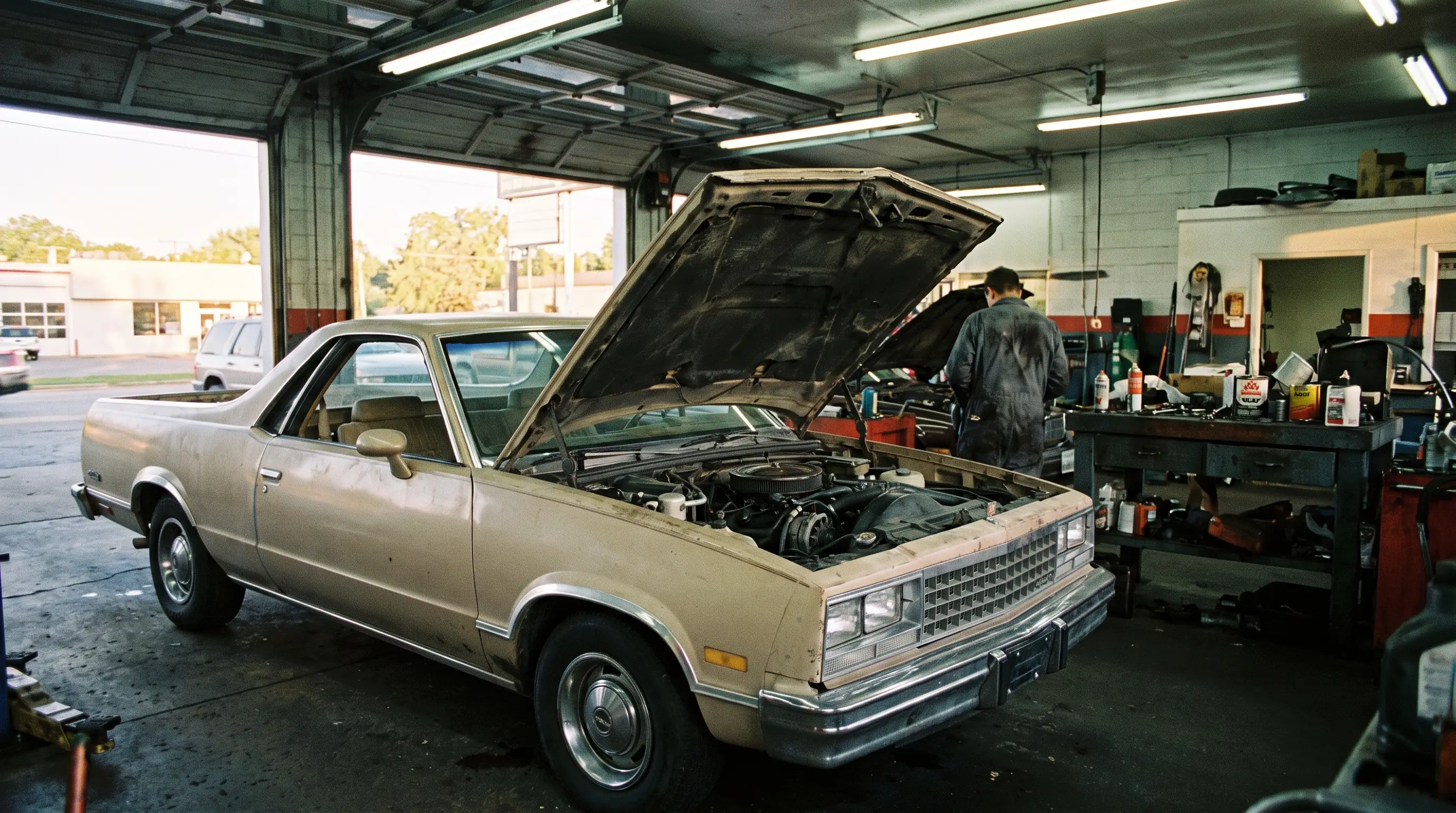

Every era of the Chevrolet Monte Carlo has its own community of people who keep it alive, and the restoration scene around the 1973 Colonnade car has quietly grown into one of the more interesting corners of the classic Chevrolet hobby, populated by shops, swap meet regulars, and club members who spent years explaining to skeptics why this generation deserved the same attention as the first-generation SS 454.
The shops that specialize in this era
Ask around at any Chevrolet-focused car show and you will hear the same handful of restoration shop names come up whenever the 1973 Colonnade Monte Carlo comes up in conversation, small operations that built their reputation on knowing this specific body style's quirks better than the bigger, more generalist muscle car shops ever bothered to learn. These shops did not appear overnight. Many were founded by mechanics and body men who worked on these cars when they were simply used vehicles rather than collectibles, and who kept their knowledge current as the Colonnade generation slowly transitioned from daily driver to show car over three or four decades.
That institutional memory matters enormously to owners today. A shop that has handled dozens of these cars knows exactly where the rust hides under a Landau vinyl roof, which reproduction trim pieces fit correctly and which do not, and which paint suppliers have actually matched the factory color codes rather than approximating them. New owners entering the hobby lean heavily on that accumulated knowledge, often finding it through club referrals rather than a general internet search, since word of mouth still carries more weight in this corner of the hobby than online reviews.
The people who never stopped believing in this generation
Long before the broader collector market started paying attention to Colonnade-era Monte Carlos, a small but committed group of owners kept these cars running, showing them at regional meets even when judges and spectators paid more attention to the muscle car rows nearby. Those early holdouts are now something like elder statesmen within the restoration scene, the people newer owners seek out for advice on sourcing parts or verifying a car's original specification. Their patience, maintaining cars that the broader market largely ignored for years, is part of why so much documentation and knowledge about this generation survived at all.
Club gatherings built around this specific model year have grown steadily, moving from informal parking lot meetups to organized regional and national events with judged classes specifically for Colonnade-era cars rather than lumping them in with later, less structurally distinct Monte Carlo generations. That kind of dedicated recognition within club judging standards is itself a marker of how seriously the restoration community now takes this era.
Parts sourcing as its own subculture
Locating correct trim, interior fabric, and vinyl roof material for a 1973 Monte Carlo has become a specialty within a specialty, with certain suppliers earning near-legendary status among owners for stocking discontinued patterns or working with original manufacturers to reproduce specific colors accurately. Swap meets remain a genuine hunting ground for this generation's parts in a way that has faded for more mainstream muscle cars, since Colonnade Monte Carlo parts rarely command the same aggressive bidding that a Camaro or Chevelle part might, making patient searching still a viable strategy rather than an exercise in frustration.
That patience runs both directions. Owners describe a genuine sense of camaraderie in this restoration scene, trading leads on parts finds and sharing documentation freely in a way that feels more collaborative than competitive, a cultural trait that longtime members trace back to the years when this generation had few enough dedicated owners that everyone effectively knew everyone else.
"What I find remarkable about the 1973 Monte Carlo restoration community is how much institutional knowledge survived purely through word of mouth, passed between owners and shop mechanics for decades before anyone thought to write any of it down formally."
- Tom Ramirez
Where this scene is headed
The restoration scene around the 1973 Colonnade Monte Carlo is clearly growing rather than shrinking, driven by the same generational nostalgia and market appreciation reshaping how collectors view this car more broadly. New shops are entering the space, existing ones are expanding their parts inventories, and club participation numbers for Colonnade-specific events continue to climb year over year. Readers interested in the full 1973 monte carlo history behind why this generation looks and drives the way it does will find useful context for understanding what these restoration specialists are actually working to preserve. The community's overlap with other niches within the Monte Carlo hobby runs deep too, and anyone curious about how these cars found a second life in an entirely different subculture should check out a related story exploring that connection.
For anyone thinking about entering this scene themselves, the community's openness is genuinely one of its biggest assets, and new owners looking at Monte Carlos for sale now will find a welcoming, knowledgeable network ready to help rather than the gatekeeping attitude that sometimes surrounds more established collector car segments.
Documentation habits this scene has adopted
One change worth noting over the past decade is how much better this restoration community has become at actually recording what it knows. Where knowledge used to pass almost entirely by word of mouth between shop mechanics and longtime owners, club newsletters, online forums, and dedicated registries have started capturing paint codes, production figures, and known trouble spots in a form that outlives any single person's memory. That shift matters because the generation of owners who kept these cars alive through the lean years, when nobody else cared about Colonnade-era Monte Carlos, will not be around forever, and the community has recognized the need to preserve that expertise deliberately rather than hope it survives informally.
Younger builders entering the hobby now benefit enormously from that documentation push. A newcomer today can access reference material that took decades of trial and error for earlier owners to accumulate, compressing a learning curve that once required years of relationships with the right shop or the right club member. That accessibility is changing who gets involved in this scene, drawing in enthusiasts who might never have found their way in through the old word-of-mouth network alone.
Regional variation still shapes how this documentation gets used, though. Clubs in the Southwest and Southeast, where dry-climate survivors are more common, tend to focus their shared records on originality verification and color code accuracy, while clubs in areas that historically saw heavier road salt use have built up more detailed shared knowledge around structural repair and rust remediation specific to the Colonnade body. That regional specialization within the broader community means a builder relocating from one part of the country to another often finds a slightly different, but equally deep, well of accumulated knowledge waiting at the local club level.