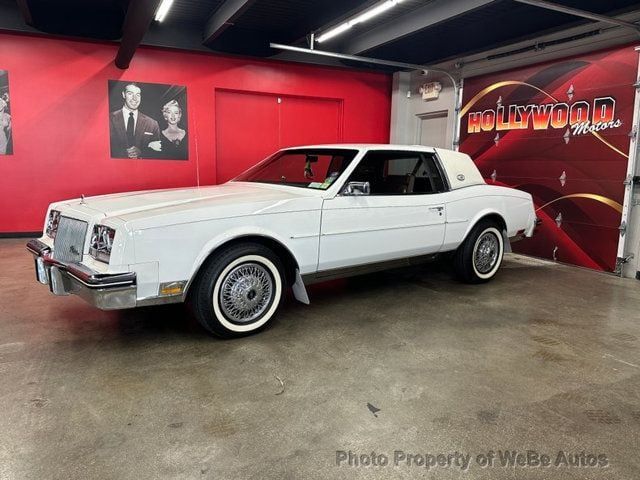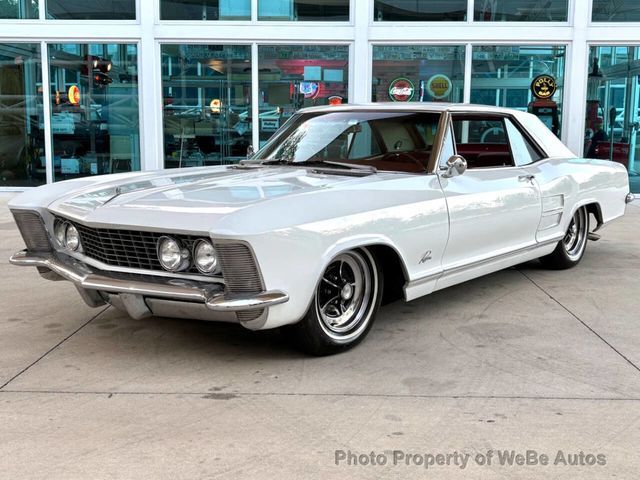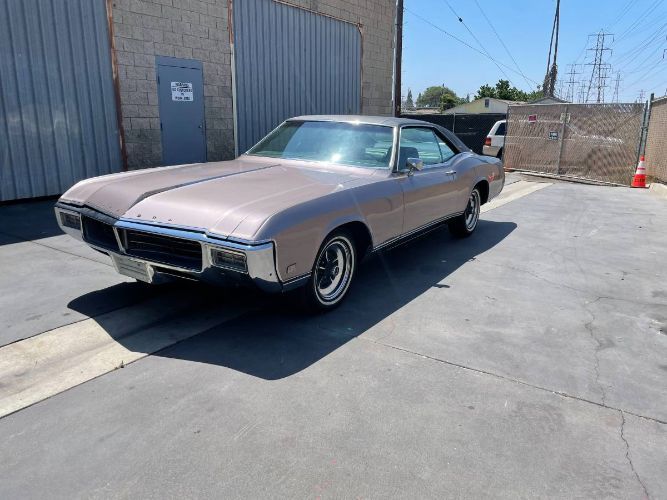

Some silhouettes fade the moment you look away, and some stay printed on the inside of your eyelids long after the car has driven off. The buick riviera boattail silhouette that lasts belongs firmly to the second category, a shape people can sketch from memory decades after seeing one, whether they know the model name or not.
What makes a silhouette memorable
I have asked people to sketch cars from memory before, an unscientific exercise but a revealing one. Most people struggle past a few rough boxes and wheels when asked to draw a generic sedan from the 1970s. Ask the same person to sketch a boat-tail Riviera after seeing one just once, and the tapering rear deck tends to show up in the drawing even when the rest of the proportions are wrong. That single detail is doing an outsized share of the memory work, and it is worth understanding why. Most car shapes register as a general impression, a rough sense of size and era rather than anything specific enough to reproduce from memory. The boat-tail Riviera works differently because its most distinctive feature, the tapering rear deck, sits exactly where the eye naturally lingers on a coupe. People remember the front of a car less often than they remember the profile, and this Riviera put its boldest idea precisely where a passing glance would catch it.
There is also a simplicity to the shape that helps memory rather than hurting it. The taper is one continuous idea rather than a collection of separate details competing for attention. A viewer does not need to catalog several unrelated features to recall the car. One sweeping line does most of the work, which is exactly the kind of visual economy that tends to stick in memory over time.
Seeing it fresh versus seeing it once
People who encounter this car for the first time as adults often describe the same reaction, a kind of double take followed by an attempt to place the shape somewhere in memory even when they have never seen this specific model before. That reaction suggests the silhouette taps into something more general than familiarity with this one Buick. It resembles enough of the boattail tradition, stretching back to prewar coachbuilt cars, that something in the shape reads as recognizable even to people encountering the specific execution for the first time.
Owners describe a related but distinct phenomenon. They say the shape reveals new detail on repeated viewing rather than becoming boring with familiarity, an unusual quality for a design this bold. Most dramatic styling choices lose impact once the initial surprise wears off. This one seems to gain nuance instead, rewarding the kind of slow, repeated attention that owners naturally give a car they see every day in their own driveway.
"I have seen people who could not tell you the difference between a Buick and an Oldsmobile identify this car by its tail alone. That is not luck. That is a designer who understood exactly where memory lives in a silhouette."
- Nora Beckett
Why the shape resists dating itself
Cars from the early 1970s often carry visual signatures that firmly anchor them to their decade, chrome treatments or proportions that read as dated the moment fashions moved on. The boat-tail Riviera's core idea, a body that narrows dramatically toward the rear, does not belong exclusively to any single decade. The concept predates the Riviera by decades and has resurfaced in various forms since, which may explain why the shape reads as distinctive rather than simply old-fashioned even to people encountering it for the first time today.
That timelessness is not an accident. Bill Mitchell was explicitly drawing on a design idea with real history behind it rather than inventing a purely contemporary trend, and ideas with that kind of depth tend to age more gracefully than shapes built entirely around a passing style.
A shape that keeps earning a second look
Fifty years after this car left the factory, its silhouette still does the job it was designed to do, catching attention and holding it long enough to be remembered rather than simply noticed and forgotten. That is a rare accomplishment for any piece of industrial design, let alone a mass-production car built to a budget and a production schedule rather than a single artist's uninterrupted vision.
For the complete account of how Mitchell's studio arrived at this exact shape, the buick riviera boattail story covers the design process from the earliest sketches through the final production car. Since this whole shape only makes sense against the earlier Riviera it evolved from, the full story traces the nameplate back to where it began in 1963. And if reading about this silhouette has you wanting to see one for yourself, there are classic Rivieras on the market worth a look.
How the silhouette holds up under scrutiny
A shape can look striking in a single photograph and fall apart the moment someone studies it from every angle, which happens more often in car design than people assume. Plenty of dramatic styling choices rely on flattering lighting or a favorable angle to work at all. The boat-tail Riviera's silhouette does not need that kind of help. Walk a full circle around the car and the taper reads consistently from every position, narrowing gradually rather than looking correct from one angle and awkward from the next.
That consistency is harder to achieve than it sounds. A design team can chase a dramatic look from a single hero angle, the kind used in a brochure photograph or a showroom display, without fully solving how the shape reads from a less flattering position. Mitchell's studio clearly worked the problem from every side, because the boat-tail holds its composure whether you are looking at it head on, from the rear quarter, or straight down the flank.
Why it lasts when so much else fades
I think about the silhouette most clearly in the moment right after someone sees the car for the first time, before they have decided whether they like it. There is a beat of pure recognition, a sense that something specific and deliberate just passed by, before opinion even enters the picture. Plenty of cars never earn that beat at all. Plenty more earn it once, in period, and lose it entirely once the styling dates itself. The boat-tail Riviera still gets that reaction from strangers who were not alive when it was new, which tells you the silhouette is doing more than nostalgia's work.
Design trends from the early 1970s have mostly become period curiosities, interesting to look at but rarely mistaken for anything current or timeless. The boat-tail Riviera's silhouette sidesteps that fate by tapping into an idea older and more durable than its own decade, and fifty years on, that choice still pays off every time the car catches someone's eye for the first time or the hundredth.