
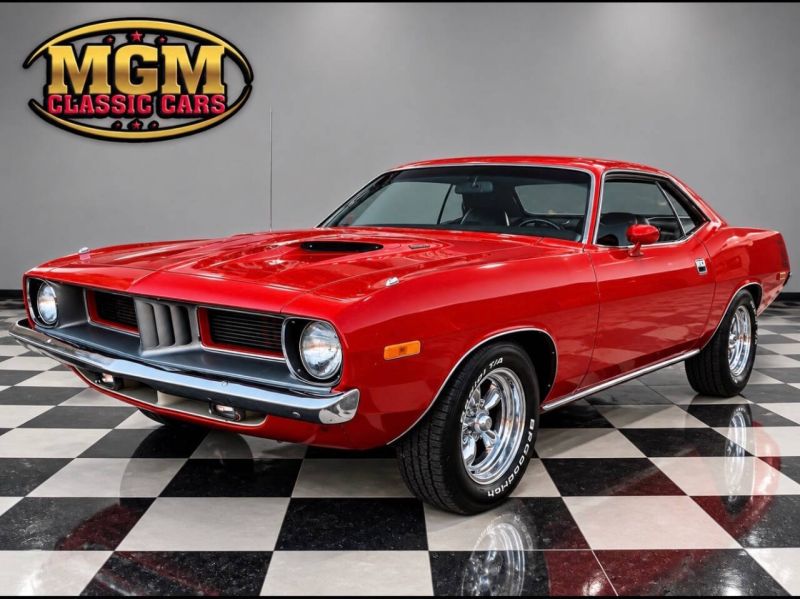
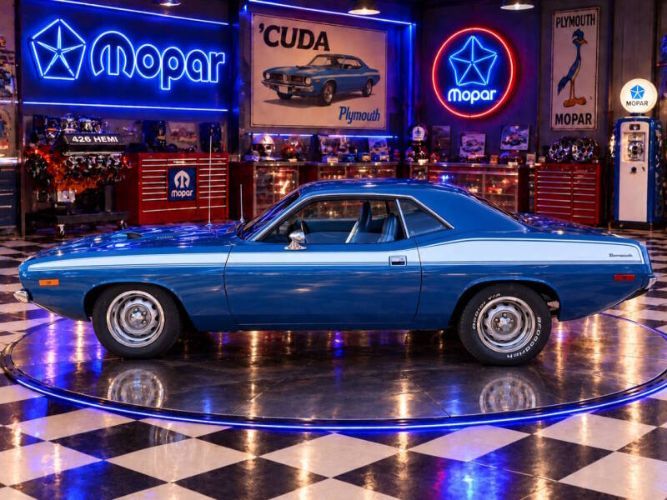
Stand in a parking lot at a Mopar show and count the second generation Barracudas next to the shark nose E-body cars. You will run out of the second generation cars long before you run out of fingers. That is the forgotten Barracuda generation in one image: the middle child of a three-act production run, sandwiched between the original 1964 fastback that started it all and the 1970 Cuda that everyone remembers, quietly doing excellent work while nobody was watching.
Car Features
7 min read
The Forgotten Middle Child of the Barracuda Line
Sandwiched between the original fastback and the famous E-body Cuda, the second generation Barracuda is the forgotten chapter that deserves its own story.
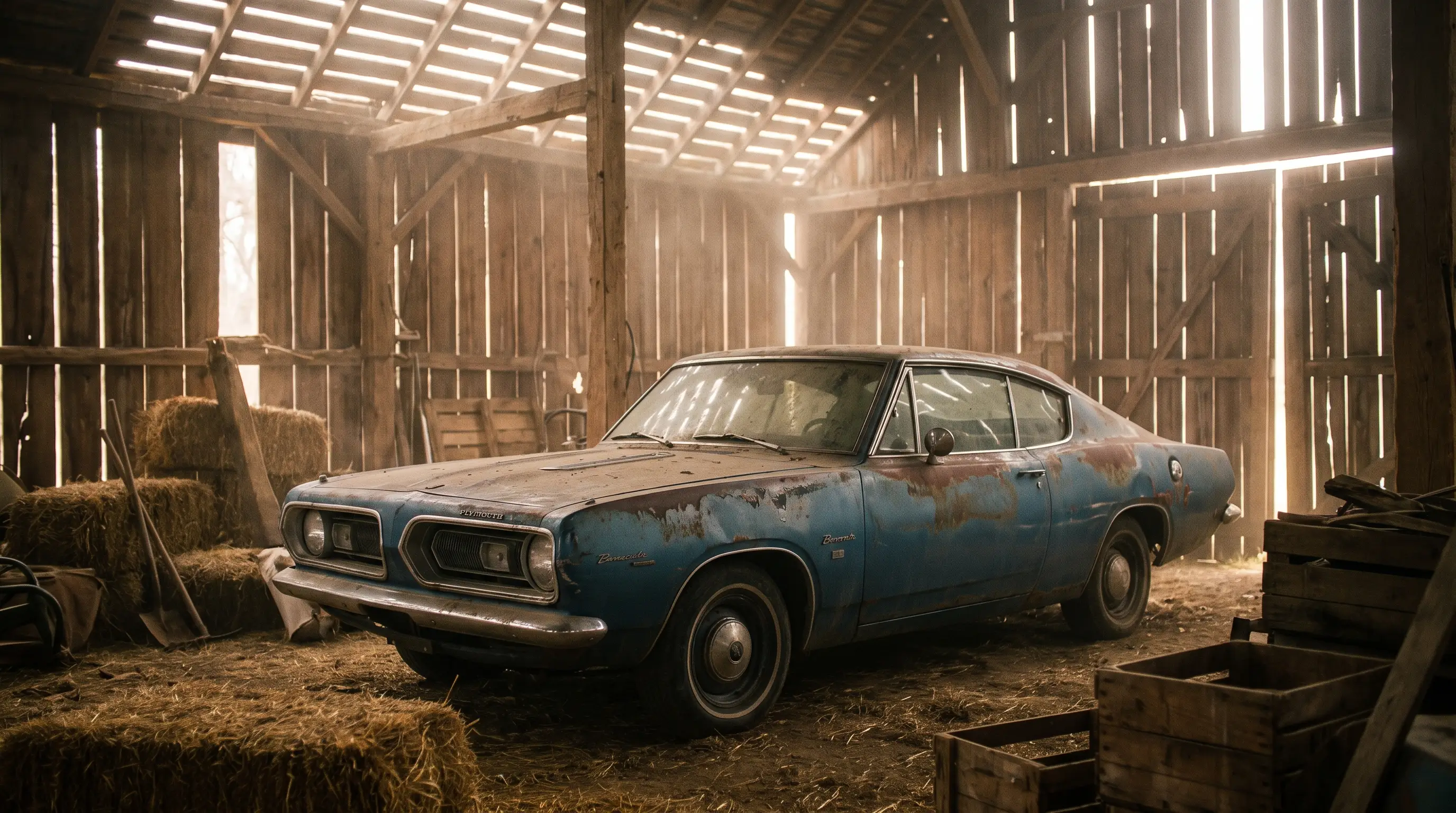
The middle child problem
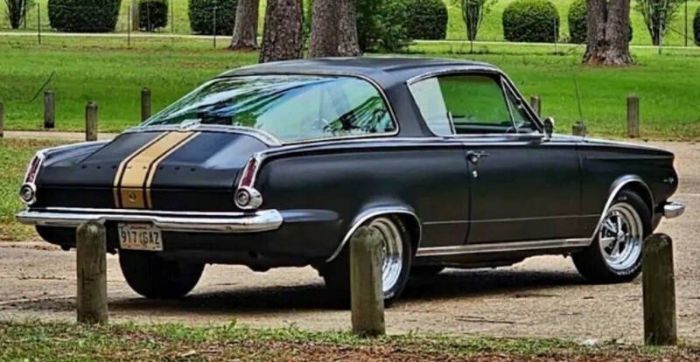
Every family has one. The kid who was neither the trailblazer nor the star, who did solid, sometimes remarkable things, and still gets left out of the photo album because the eldest and the youngest took up all the attention. The 1967 through 1969 Barracuda is that kid in Plymouth's product history. It gets footnoted in most muscle car retrospectives as a transition, a stepping stone between the compact original and the properly muscular E-body, rather than being examined on its own terms.
That framing does the car a disservice. This generation introduced the Formula S performance package, brought the 383 big block into the lineup for the first time, and gave Plymouth a genuine handling-focused performance car years before "handling" was a word muscle car buyers cared much about. It deserves a chapter of its own, not a paragraph in someone else's.
Why it got overshadowed
Timing is brutal in the collector car world. The second generation Barracuda's production run ended right as the muscle car era hit its visual and commercial peak, and the E-body that replaced it in 1970 arrived with a wider stance, more aggressive fender flares, and a name, Cuda, that had already started to separate itself from the Barracuda badge in buyers' minds. The 1970 car looked like the future. The 1969 car, by comparison, looked like where the future came from, and looking like a predecessor rather than an arrival is a hard position to market from.
Sales numbers didn't help the case either. Second generation production, while healthy, never approached the volumes of Ford's Mustang or Chevrolet's Camaro during the same years, and lower volume eventually becomes lower visibility at shows, in magazines, and in the collective memory of an entire hobby. Fewer cars on the road means fewer cars in the conversation, and fewer cars in the conversation means fewer stories told about them.
"Everybody remembers the shark nose Cuda. Almost nobody remembers that the car it replaced was arguably the better handling machine."
- Patrick Walsh
The case for reappraisal
Spend real time with a well sorted Formula S from this generation and the argument for reappraisal writes itself. The 340 small block option delivers a genuinely balanced driving experience that the heavier, more aggressively styled E-body cars couldn't always match. The compact dimensions that made the car look almost modest next to a 1970 Cuda also made it nimble in a way that period road testers noticed and praised, even if that praise never translated into the sales or the cultural cachet the styling alone might have earned.
There is also a simple economic argument buried in the neglect. Because this generation has spent decades in the E-body's shadow, prices for excellent examples remain lower than the car's actual merits justify. Collectors who have caught on to this are quietly building some of the more interesting second generation Barracuda collections in the hobby, betting that recognition eventually catches up to reality.
A body style that got forgotten within the forgotten generation
Even within this overlooked generation, there is a further layer of neglect. The notchback hardtop body style, distinct from the more celebrated fastback, sold in real numbers but rarely gets discussed even among owners of this generation. It represents a smaller, more specific story worth its own telling, and readers curious about it should check out a related story that goes deep on exactly that body style and why it deserves more attention than it gets.
For the fuller account of how this three-year generation developed, from the introduction of the Formula S through the arrival of the 383 and the eventual handoff to the E-body cars, the second generation barracuda history covers the whole arc in detail.
Why now is the moment to pay attention
Every forgotten chapter in car history eventually gets rediscovered, usually right around the time the generation that overshadowed it becomes too expensive for most buyers to enter. That process is well underway with the E-body Cuda, and it is starting to push curious buyers back toward this earlier, quieter generation. If you have been waiting for the right moment to get into the Barracuda story without competing for a car everyone else already wants, this is that moment. There are Barracudas for sale now from this exact generation, still priced like the overlooked middle child it has always been.
What the car magazines of the era actually said
Period road tests told a more generous story than the car's current reputation suggests. Reviewers testing the Formula S package in contemporary magazines routinely praised the handling balance, calling out the car's willingness to change direction in a way that some rival pony cars of the same displacement class could not match. That praise rarely made it into the retrospective coverage decades later, largely because retrospectives tend to get written by people chasing the most dramatic story, and "handled well for its class" is a much quieter headline than "fastest quarter mile in its class."
This gap between contemporary critical reception and modern popular memory is not unique to the Barracuda, but it is unusually pronounced here. Few other cars from this era earned genuine praise from period reviewers while simultaneously fading this far from public memory a few decades later.
The community keeping the story alive
What has kept this generation from disappearing entirely is a dedicated pocket of the Mopar community that never bought into the E-body's dominance of the conversation. These owners, often multi-generational within a single family or club chapter, have quietly preserved cars, documentation, and stories that would otherwise have been lost to the more fashionable pull of the shark nose cars. Their persistence is the main reason there is still a rich enough historical record to write this kind of reappraisal at all.
That grassroots preservation effort deserves real credit. Without it, the forgotten Barracuda generation might have genuinely been forgotten, rather than merely underappreciated, and the difference between those two outcomes matters enormously for anyone trying to research or restore one of these cars today.
Giving the middle child its due
The forgotten Barracuda generation was never actually a lesser car. It was a car that arrived at the wrong moment in the cultural timeline, overshadowed by what came before and what came after. Judge it on its own terms, on the strength of the Formula S package and the genuine engineering improvements it introduced, and it earns a place in the conversation that decades of neglect have denied it.
Sources and notes
- Plymouth Barracuda - Wikipedia
- The 1967-1969 Plymouth Barracudas Were Out to Win You Over - MotorCities
- 1967-69 Plymouth Barracuda Formula S Profile - HotCars
- 1967-1969 Plymouth Barracuda Guide - Amazing Classic Cars
- Plymouth Barracuda Generations Guide - HotCars
- Plymouth Barracuda Production Numbers 1964-1974 - 440 Magnum Network
Related Reading
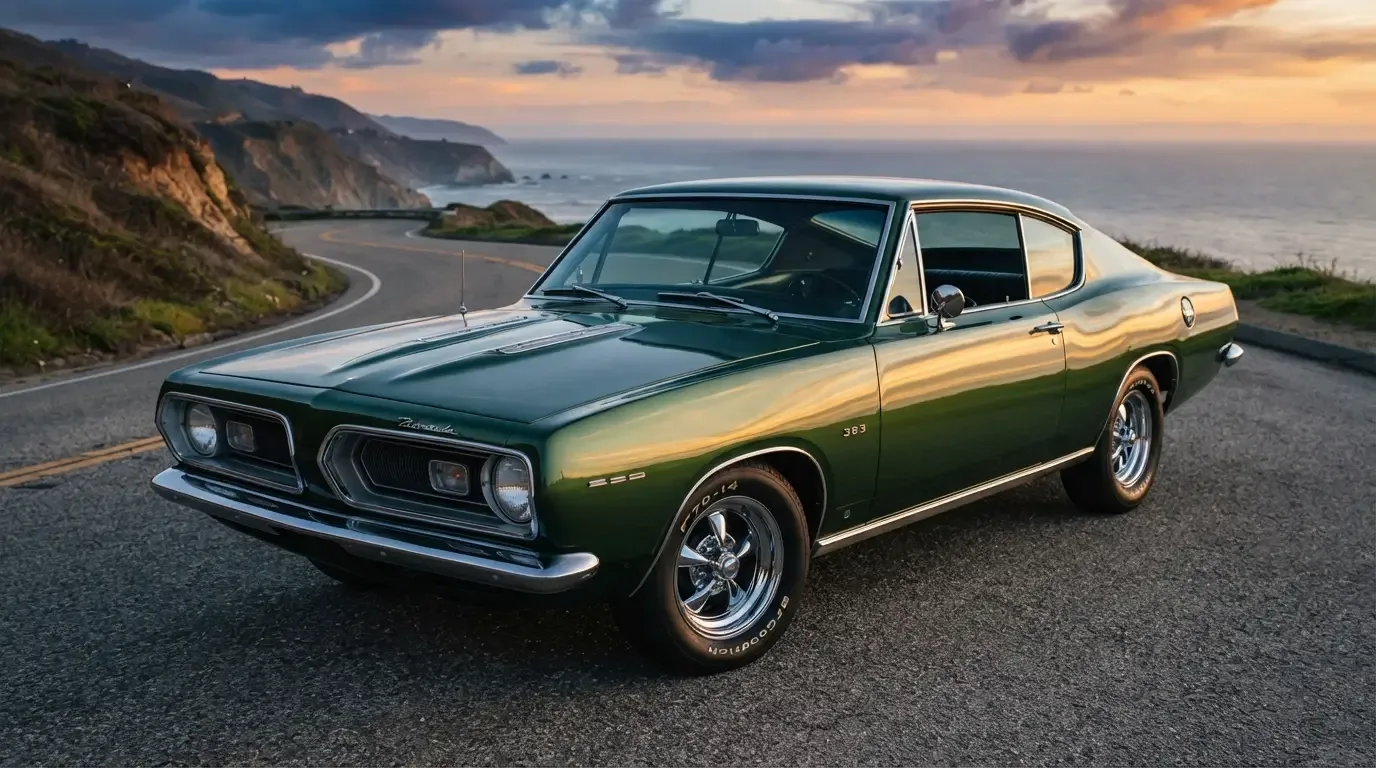
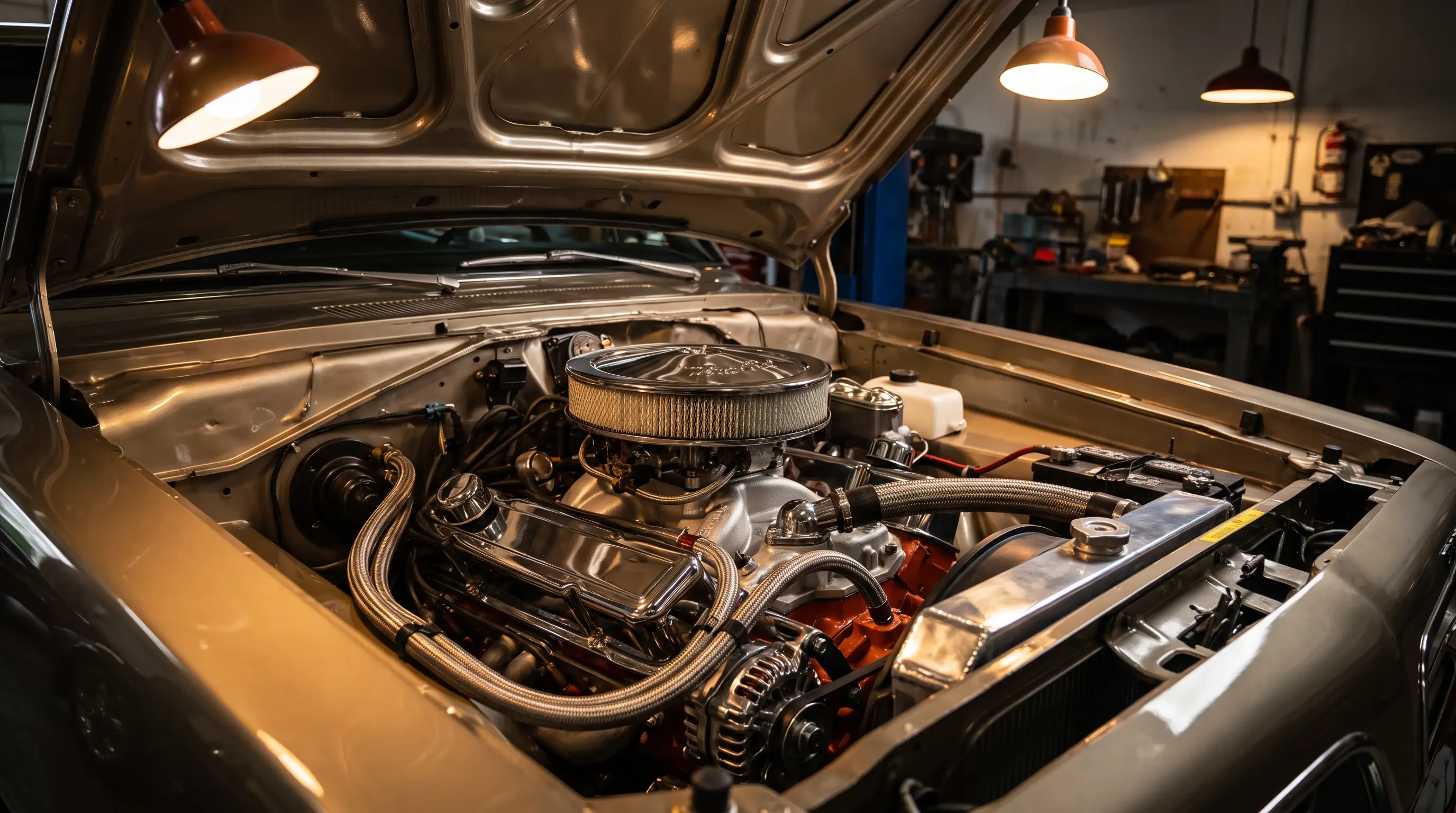
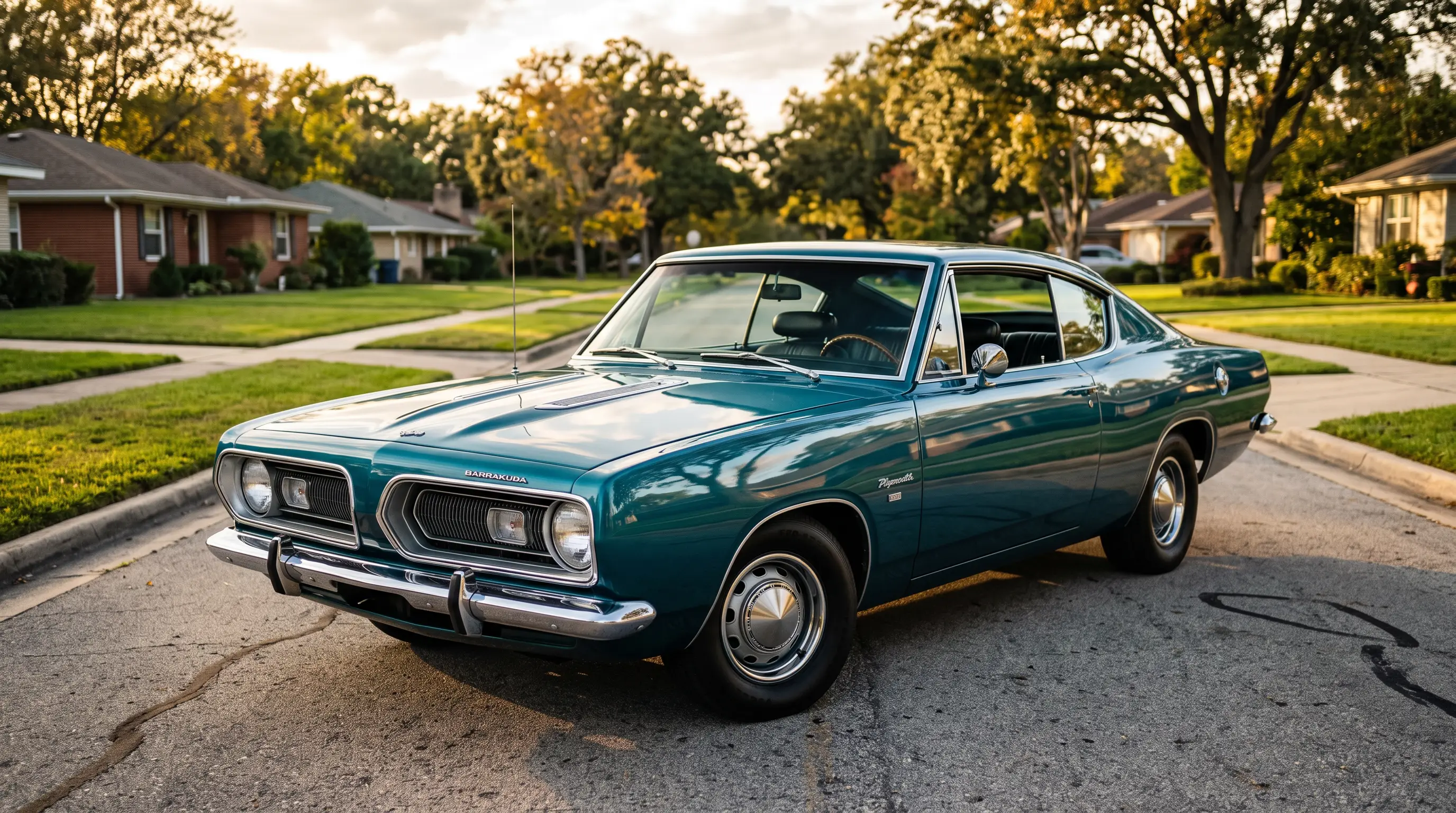
Have a
Plymouth Barracuda
for Sale?
Reach thousands of serious classic car collectors across the US.
Sell It Here →
Are You a Classic Car Dealer?
List your full inventory and connect with targeted classic car buyers.
Join as a Dealer →
#muscle car history
#Plymouth Barracuda
#classic car collecting
#Formula S
#second generation Barracuda
#Mopar culture

About the author
Patrick Walsh
Automotive journalist covering classic car shows, events, and the enthusiast community across North America.
Related Listings - Plymouth Barracuda
Comments
Be the first to comment on this article.