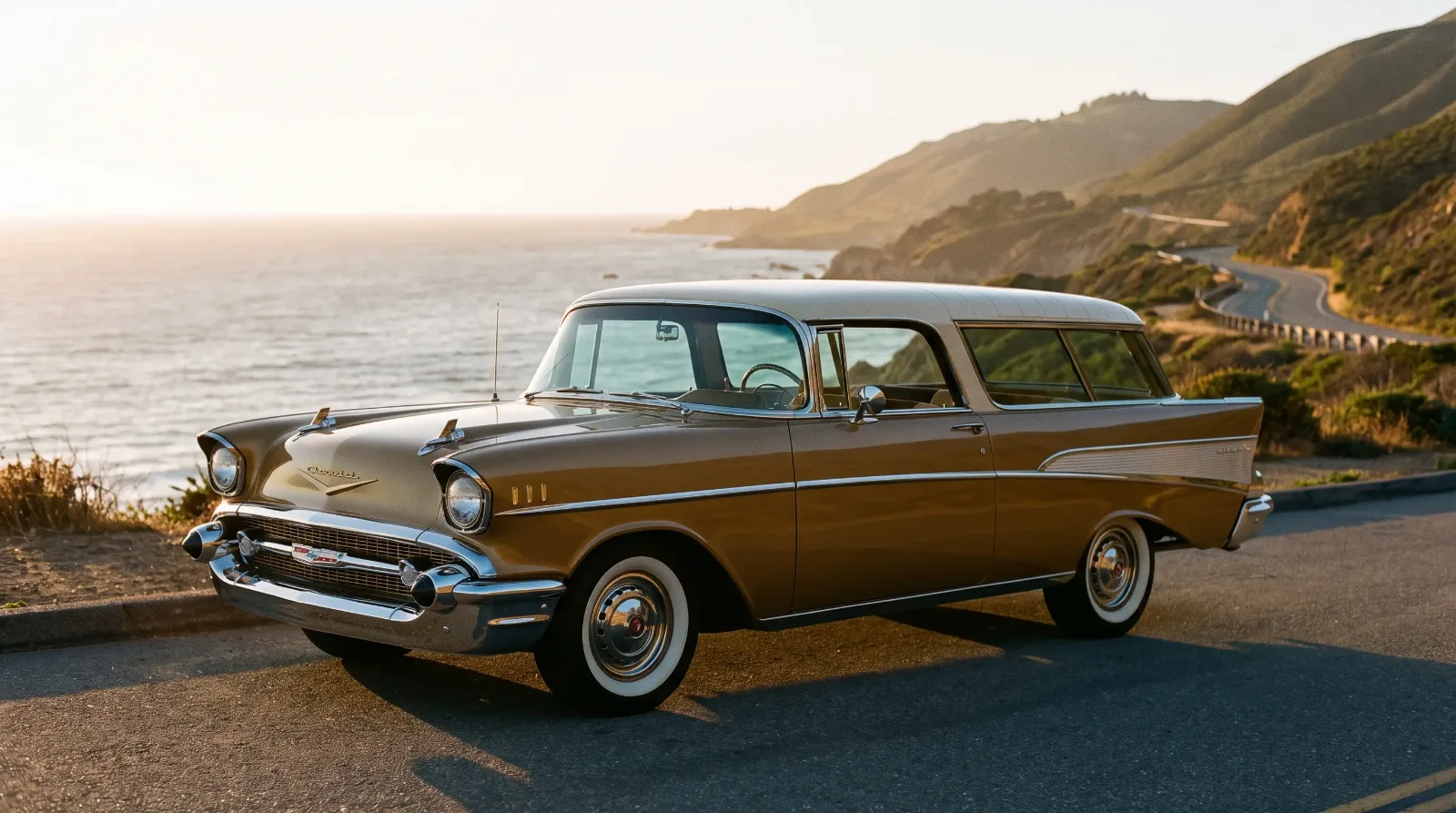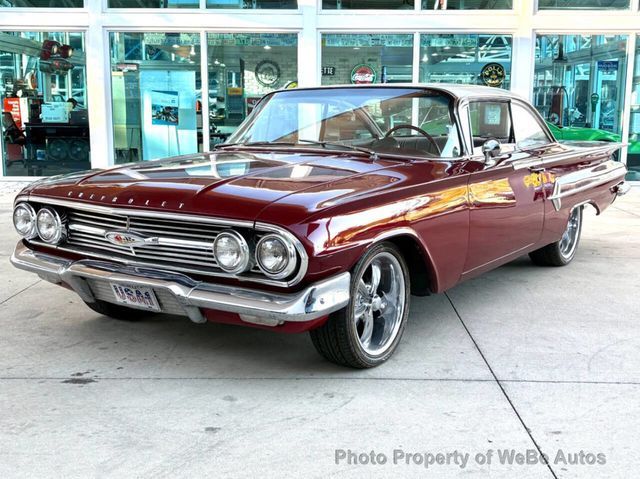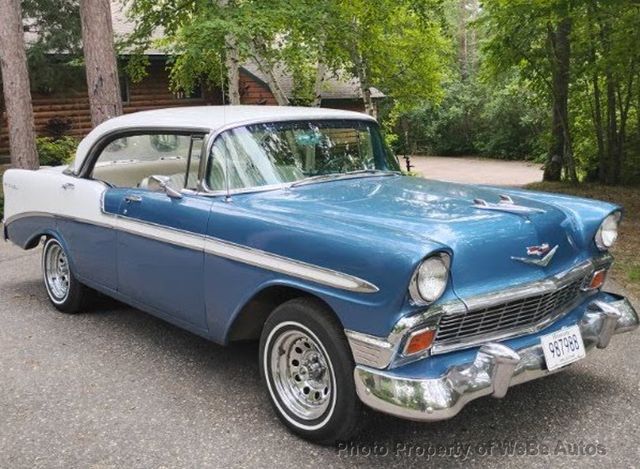
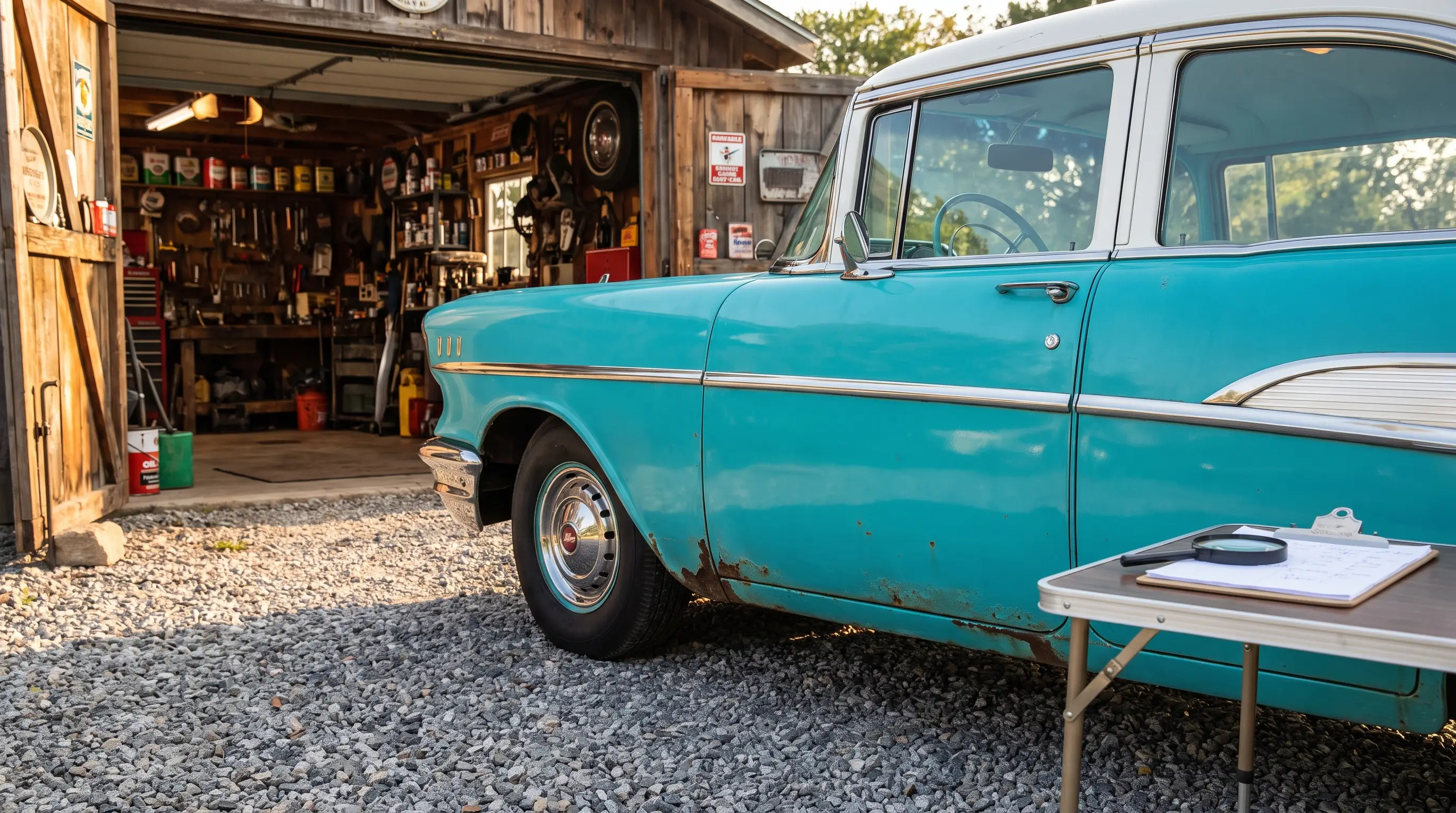
A friend of mine spent eighteen months looking at tri five Chevys before he bought one, and by the end he could spot a bondo repair from across a parking lot. That is the tri five buyers perspective in a nutshell, a slow education that turns a car shopper into something closer to an amateur appraiser, whether they meant to become one or not.
The first decision is which year, and it is bigger than it looks
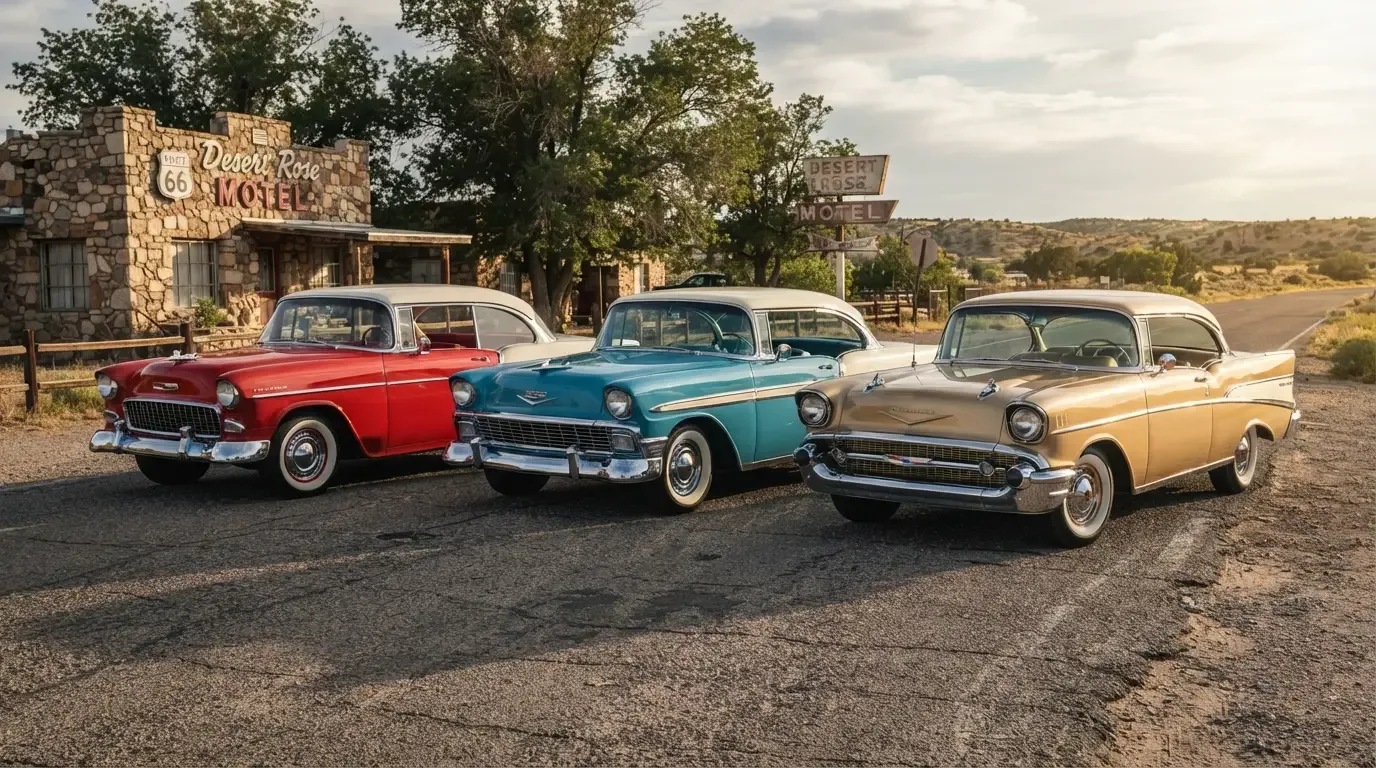
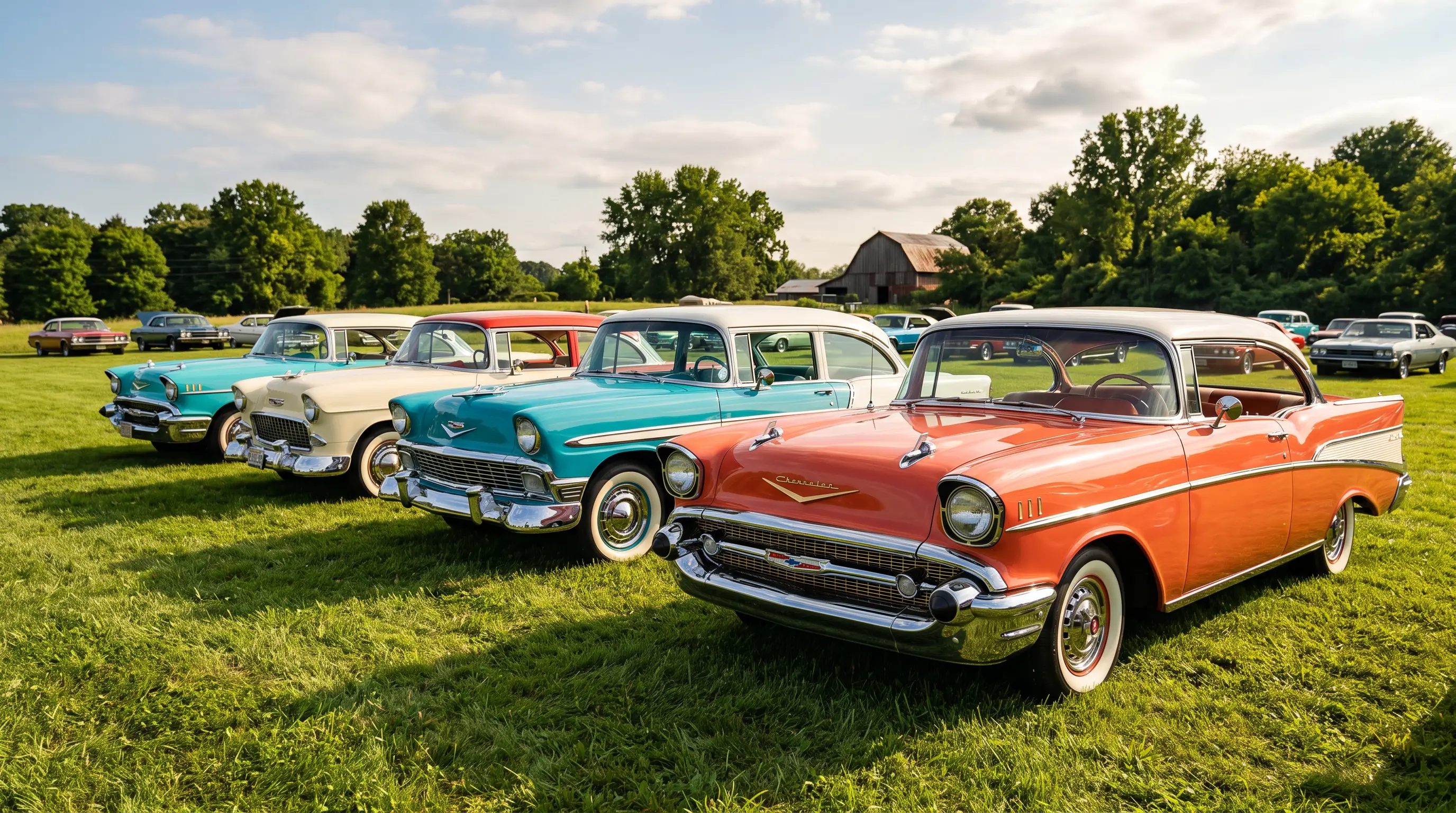
Every new buyer walks in assuming the choice is mostly about condition and budget, and then discovers the year matters just as much. A 1955 has the cleanest, simplest lines and carries the weight of being the first small block V8 Chevy. A 1956 is the quiet middle child, often the best value of the three because it lacks the "first" story of 1955 and the fin drama of 1957. A 1957 has the most recognizable styling and, usually, the highest price tag before you have even looked at condition.
None of those three is objectively correct. A buyer chasing maximum recognition at a cruise night usually ends up at a 1957. A buyer chasing the best mechanical car for the least money usually ends up at a 1956. A buyer who wants the story of where the small block began usually ends up at a 1955. Figure out which of those motivations is actually yours before you start looking at listings, because it will save months of indecision.
What experienced buyers check first
Rust is the first filter, always. Floor pans, trunk floors, lower quarter panels, and the areas around the rear window and windshield are where tri fives rot from the inside out, and a car that looks clean in photos can hide serious rust in exactly those spots. A magnet, a flashlight, and patience under the car matter more than a shiny paint job on top of it.
Numbers matching status comes next. A buyer who cares about long term value needs to know whether the engine, transmission, and rear end are original to the car or replacements, since that single fact can swing the price substantially. It does not make a car unbuyable if the drivetrain has been swapped, but it changes what a fair price looks like and it should change what you are willing to pay.
Documentation rounds it out. Build sheets, original title history, prior restoration receipts, and club judging records all add confidence that a seller's claims hold up. A buyer without documentation is relying entirely on a stranger's word about a sixty year old car, and that is a riskier position than most first time buyers realize until something goes wrong after the sale.
Budget realities nobody tells first time buyers
The purchase price is rarely the full cost. A tri five that looks driver ready can still need brake work, a fuel system cleanout, and cooling system attention before it is genuinely reliable, and buyers who budget only for the sale price often find themselves stretched thin in the first six months of ownership. Set aside a real cushion, not an afterthought, for the mechanical sorting every used sixty year old car needs regardless of how good the paint looks.
Insurance and storage costs also surprise new buyers. Classic car insurance is usually cheaper than daily driver coverage if the car is stored properly and mileage stays low, but that assumes covered, secure storage, which is its own ongoing cost that needs to be part of the honest budget from day one, not something figured out after the purchase is already done.
"Every buyer thinks they are shopping for a car. What they are actually shopping for is a relationship with a sixty year old machine that will ask something of them every single season. Go in knowing that and you will be a lot happier a year from now."
- Patrick Walsh
Body style changes the buying calculus too
Beyond year, body style narrows the search further and each one comes with its own tradeoffs. A convertible brings the highest purchase price and the highest restoration cost if the top mechanism or frame needs work, since soft top hardware and structural reinforcement are specialized, expensive repairs. A two door hardtop is the classic show car body style, easier to source parts for than a convertible and generally a smaller repair bill if something goes wrong.
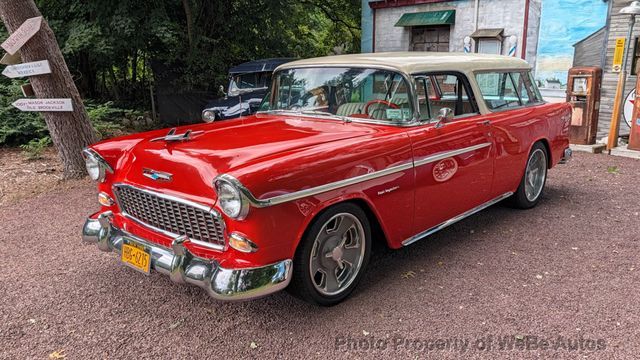
Sedans and wagons, aside from the Nomad, are the entry point for buyers who want the tri five experience without tri five convertible money. They can be had for meaningfully less than a hardtop in similar condition, and a lot of experienced owners actually prefer the four door layout for regular driving, since it is easier to load kids or gear without worrying about a delicate top mechanism. The tradeoff is resale, since the market still pays a premium for two door body styles across nearly every year and condition tier.
Learning from other owners before you buy
The single best move a first time buyer can make is talking to current tri five owners before writing a check. They will tell you which shops in your area actually know these cars, which reproduction parts vendors are worth the money, and which common problems to budget for that a seller might not mention unprompted. That kind of informal due diligence catches things a pre-purchase inspection alone sometimes misses. Buyers wanting the fuller tri five chevy history before making a decision will find it useful background for understanding why certain years and body styles command the prices they do.
It also helps to look sideways at related stories in the same world. There is a related story worth reading for buyers who want the cultural context behind why this specific car still commands so much attention decades later, since understanding the why makes the budgeting and the patience a lot easier to justify to a skeptical spouse.
Once the homework is done and the budget is realistic, the last step is simply looking at real cars instead of reading about them. There are always Airs for sale now across a range of years, body styles, and conditions, and nothing replaces standing next to an actual example, popping the hood, and deciding for yourself whether the eighteen month search my friend went through sounds like patience or torture. Either way, it is worth it once the right one turns up.
Patience is the real skill
The buyers who end up happiest are rarely the ones who moved fastest. They are the ones who walked away from two or three cars that almost worked before finding the one that actually did, and who treated the search itself as part of the ownership experience rather than an obstacle standing between them and the fun part. My friend's eighteen months looked like indecision from the outside. From the inside it was a slow, deliberate process of learning what he actually wanted, and by the time he found his car he knew exactly what he was looking at and exactly what it was worth. That kind of confidence is worth more than any shortcut, and it only comes from putting in the time before signing anything.