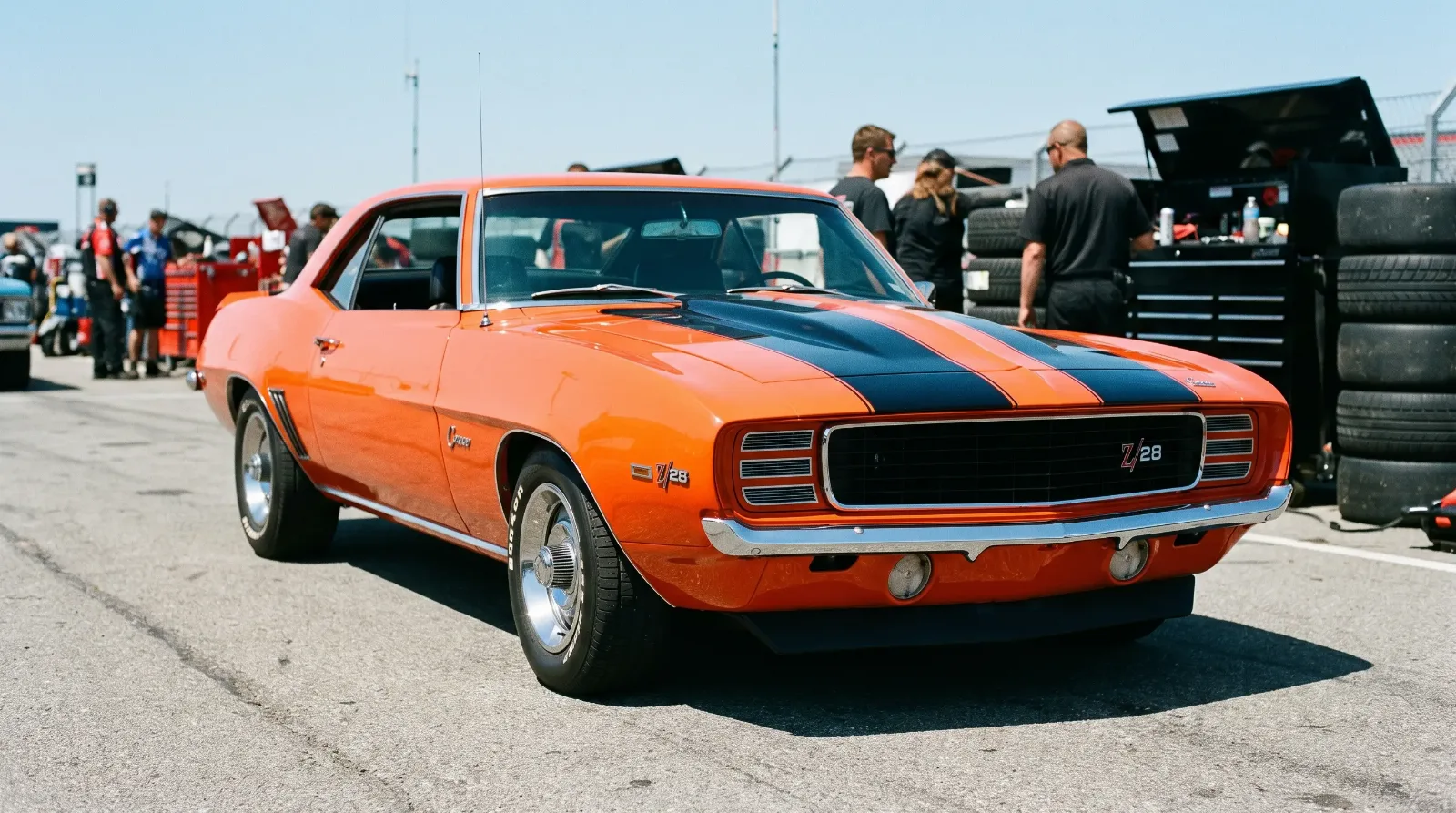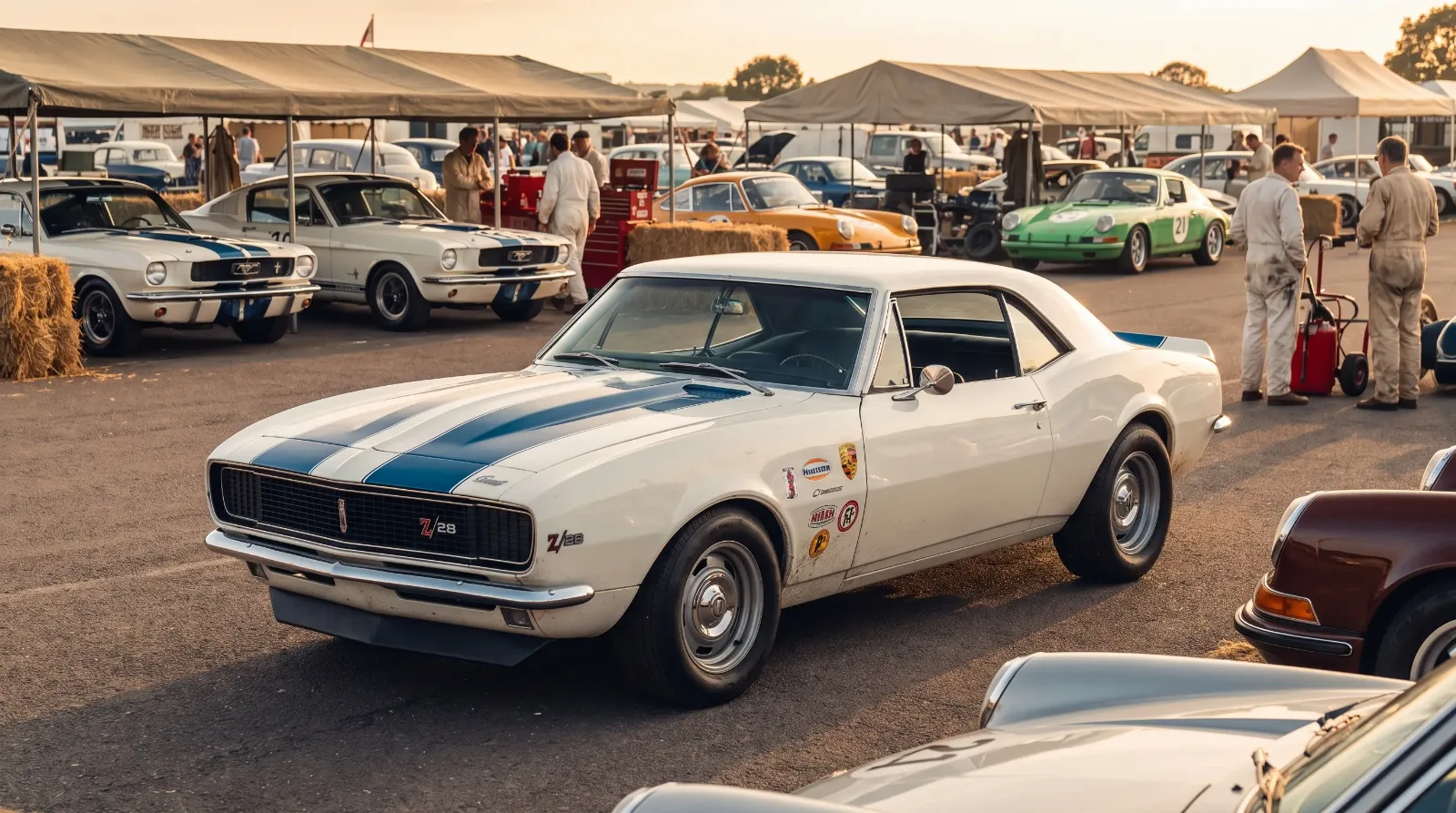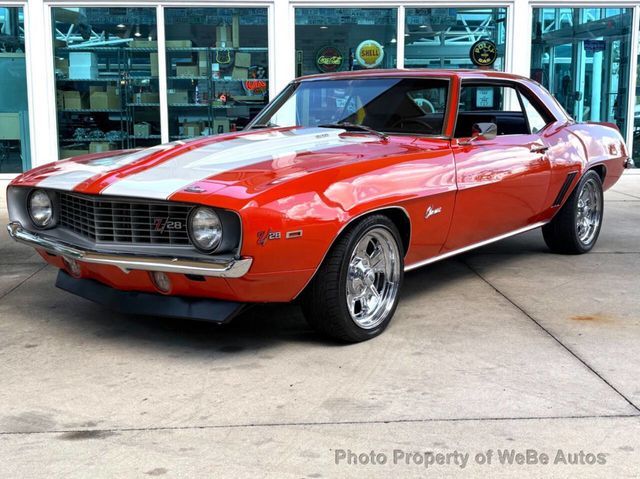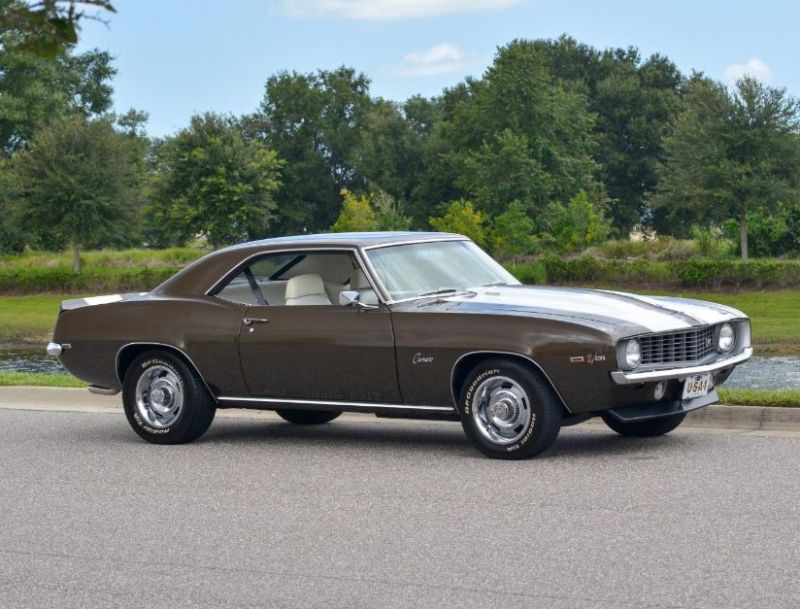
In 1969, Chevrolet's official performance guidelines prohibited any engine larger than 400 cubic inches in the Camaro. The rule existed to keep the car from overshadowing the Corvette and to satisfy corporate liability concerns about installing big-blocks in lighter, cheaper ponycar bodies. Don Yenko, Nickey Chevrolet, and a handful of other high-volume dealers found the workaround: the Central Office Production Order system, which allowed fleet and commercial buyers to request vehicle configurations outside the standard retail catalog.
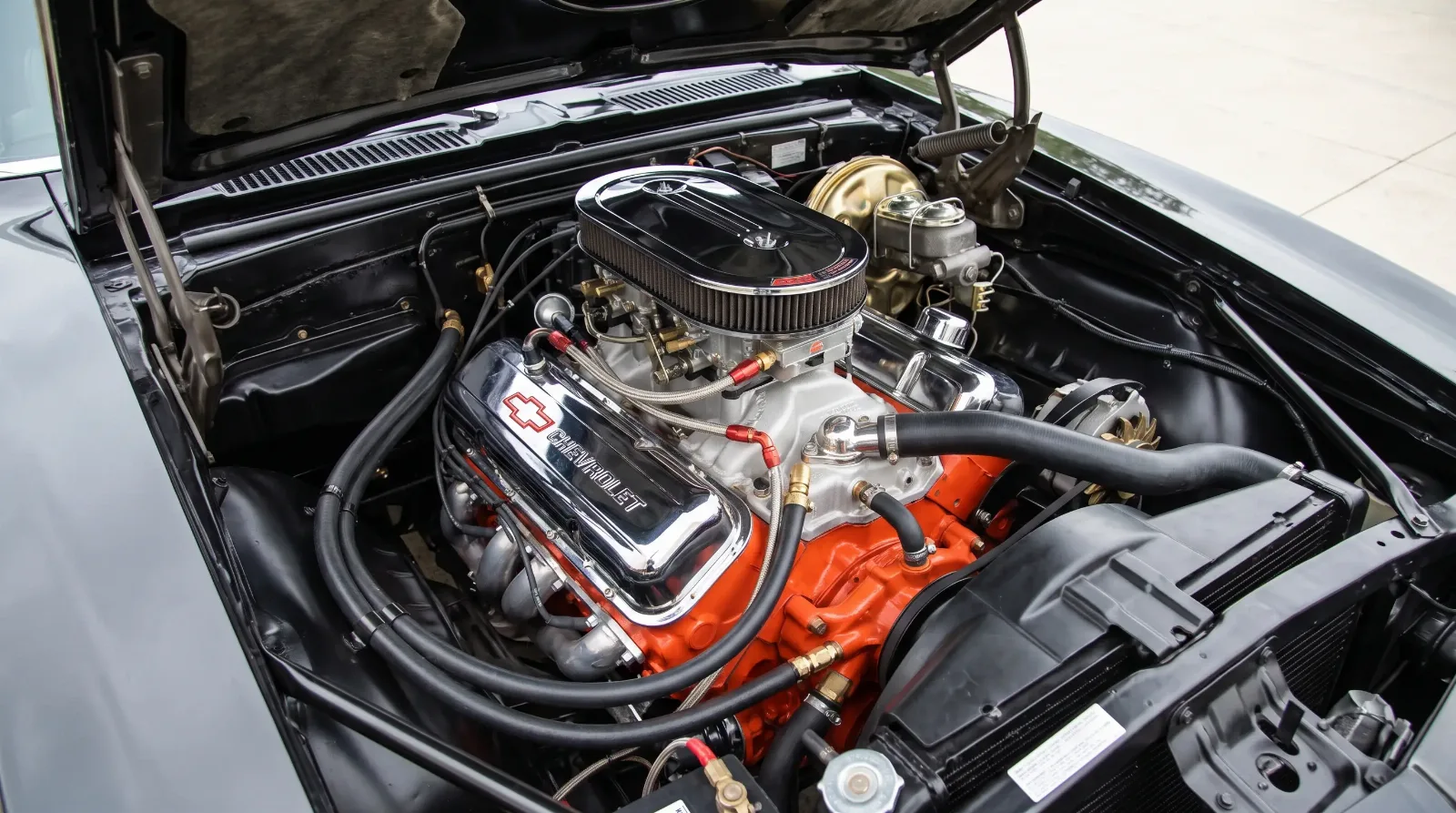
The specific code was COPO 9561, and it authorized installation of the L72 427 cubic inch big-block in the Camaro. This was the same iron-block 427 used in full-size Chevrolets and, with some variations, in the Corvette. In the Camaro, which weighed considerably less than a full-size car, the combination produced quarter-mile times that embarrassed nearly everything else on the street.
How the COPO ordering system worked
COPO was not a retail option. Dealers could not order a COPO Camaro through the normal RPO system that consumers used at showrooms. Instead, a dealer or fleet buyer had to submit a request through the Central Office in Detroit, where special-vehicle coordinators processed orders that did not fit standard production specs. The system was designed for police cars, taxi fleets, and commercial vehicles, but creative dealers realized it could be used for performance applications.
Don Yenko of Yenko Chevrolet in Canonsburg, Pennsylvania, is the dealer most associated with COPO Camaros, but he was not alone. Fred Gibb Chevrolet in La Harpe, Illinois, and Nickey Chevrolet in Chicago were also early adopters. These dealers understood drag racing's commercial value: a customer who wins on Friday night buys more parts on Saturday morning. The COPO Camaro was their competitive weapon.
You can read about the entire Camaro performance lineup to understand how the COPO cars fit into the broader factory special picture, alongside the Z/28 and the SS package.
The L72 427: specifications and output
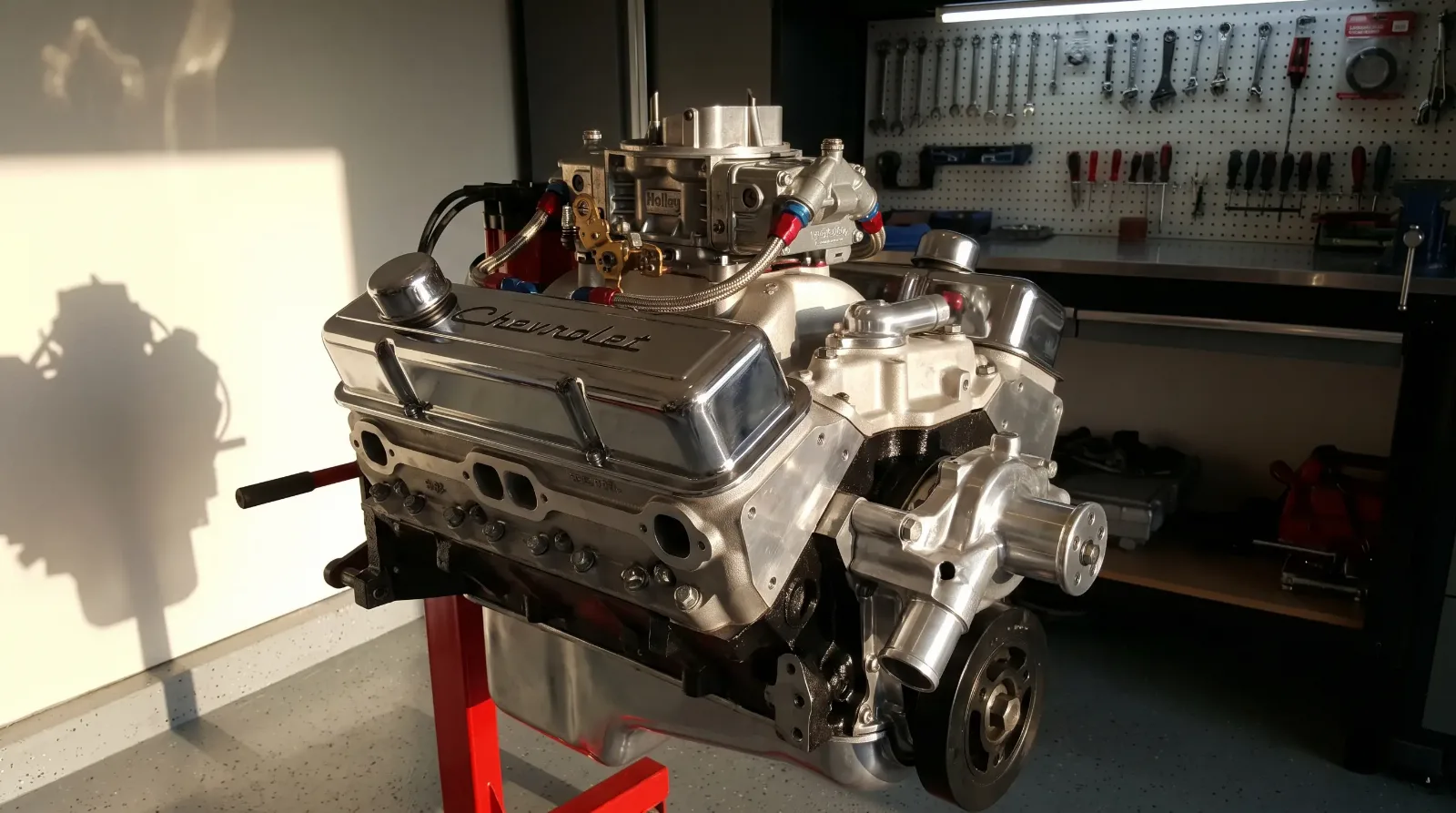
The engine at the center of COPO 9561 was the L72 427, an iron-block, iron-headed big-block displacing 427 cubic inches. Chevrolet rated it at 425 horsepower at 5,600 rpm and 460 lb-ft of torque at 4,000 rpm, figures that were almost certainly understated to avoid corporate scrutiny and insurance surcharges. Period testers and dyno operators consistently found more power than the official rating suggested, with healthy stock examples dynoing in the 450-460 horsepower range at the flywheel; the L72 was in fact originally announced at 450 hp before Chevrolet restated it at 425.
| Specification | Detail |
|---|---|
| Engine code | L72 |
| Displacement | 427 cu in (7.0 L) |
| Block material | Cast iron |
| Compression ratio | 11.0:1 |
| Rated horsepower | 425 hp @ 5,600 rpm |
| Rated torque | 460 lb-ft @ 4,000 rpm |
| Carburetor | Holley 4150, 780 cfm |
| Transmission options | Muncie M21 or M22 "Rock Crusher" 4-speed; Turbo-Hydramatic 400 |
| COPO order code | 9561 |
The COPO 9561 cars came standard with the Muncie M22 "Rock Crusher" close-ratio four-speed, named for the sound its straight-cut gears made under load. The Turbo-Hydramatic 400 three-speed automatic was also available for buyers who prioritized consistency over driver involvement at the drag strip. Both transmissions were considered adequate for the torque output, though neither was bulletproof under sustained hard use without maintenance.
Production numbers and what they mean today
Total production of COPO 9561 Camaros in 1969 is documented at approximately 1,015 units (commonly cited as 822 four-speed and 193 automatic cars), though researchers working from production records have debated this figure, as some cars ordered through COPO channels may have been recorded differently at the factory. The number is small enough to make authentic examples genuinely rare, and large enough that a meaningful number survived into the collector market.
A companion COPO code, 9560, authorized a different engine: the ZL1 all-aluminum 427 built by Corvette racing engineer Fred Gibb at enormous cost. Only 69 ZL1 COPO Camaros were produced, making them among the rarest factory performance cars in American history. The 9561 iron-block cars are the more accessible version of the same concept.
The full history of the Chevrolet Camaro provides essential context for understanding how factory special cars like the COPO fit into Chevrolet's official and unofficial approach to performance during the muscle car era.
Authenticating a COPO 9561
The VIN on a 1969 Camaro does not encode the COPO designation directly. Authentication requires the trim tag (also called the cowl tag), which is riveted to the firewall and lists the paint codes, trim codes, and build-date information. More importantly, factory build sheets sometimes survive under carpeting or inside seat cushions, and these documents list every RPO and COPO code applied to that specific car at the factory.
The partial VIN stamp on the engine block pad must match the last digits of the car's complete VIN. Any mismatch is a red flag, as engine swaps were common over the past five decades. Restamped or ground pads are also a known problem in the authentication world. Broadcast sheets, protect-o-plates, and dealer invoices all add layers of documentation, but no single document is sufficient on its own for a high-value transaction.
"When you look at the production records, COPO Camaros were not corporate strategy, they were a compliance gap that aggressive dealers exploited. Chevrolet knew, and they let it happen because they needed the wins. The paper trail tells the real story if you know where to look."
— Tom Ramirez
The engine that made the Z/28 famous deserves its own detailed examination. Discover what set the DZ 302 apart from every other small-block Chevrolet built in that era.
Sources and notes
Production figures, engine specifications, codes, and dates in this article are cross-referenced from established Camaro references, period documentation, and owner registries. Where sources differ, the most commonly cited value is used. Cost figures are indicative and vary by supplier, region, and condition.