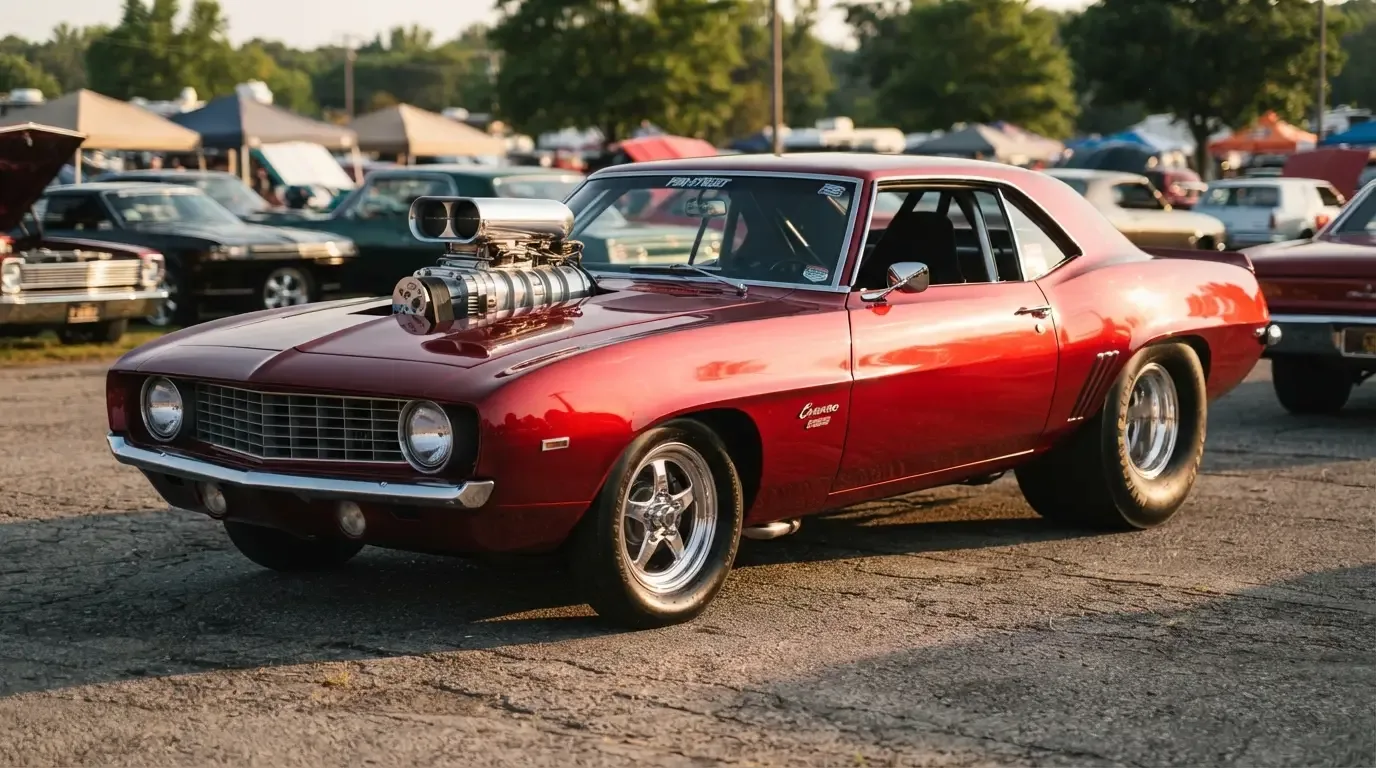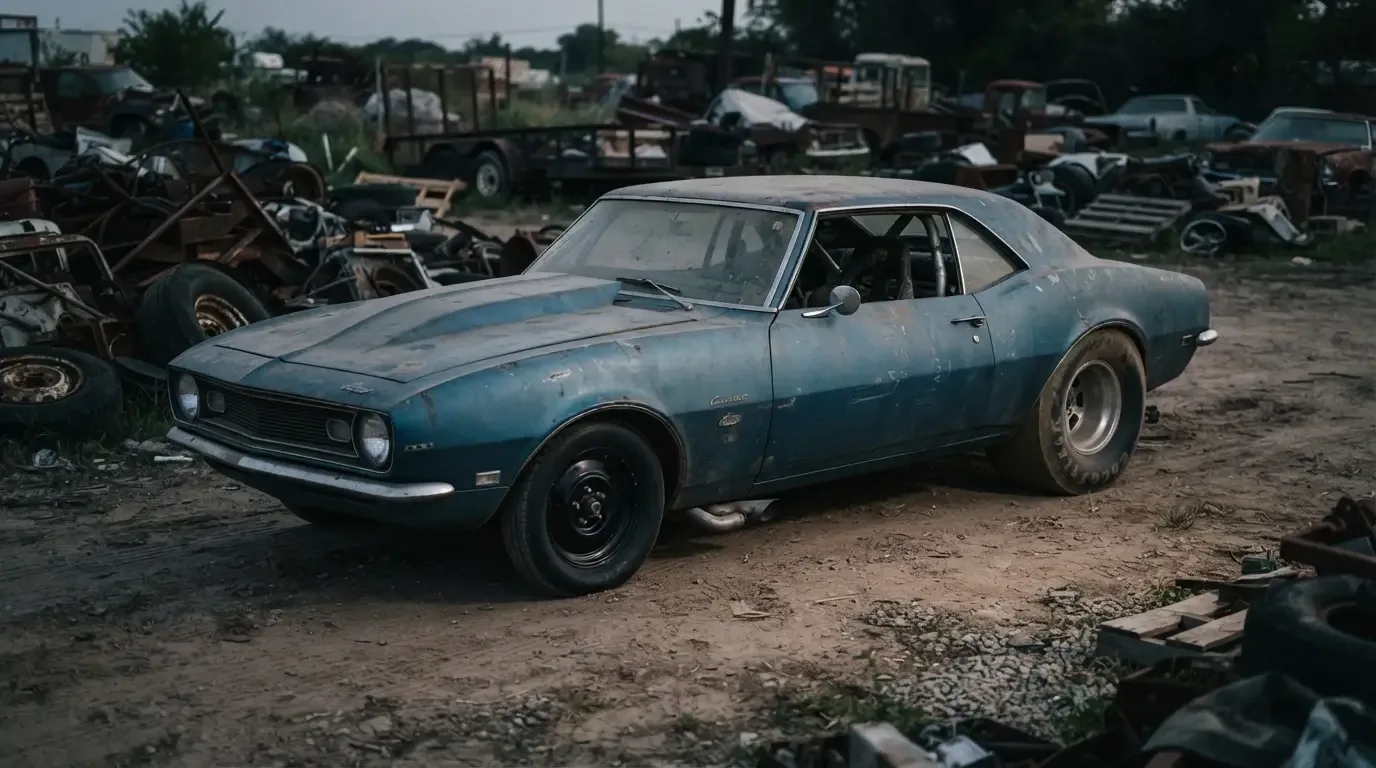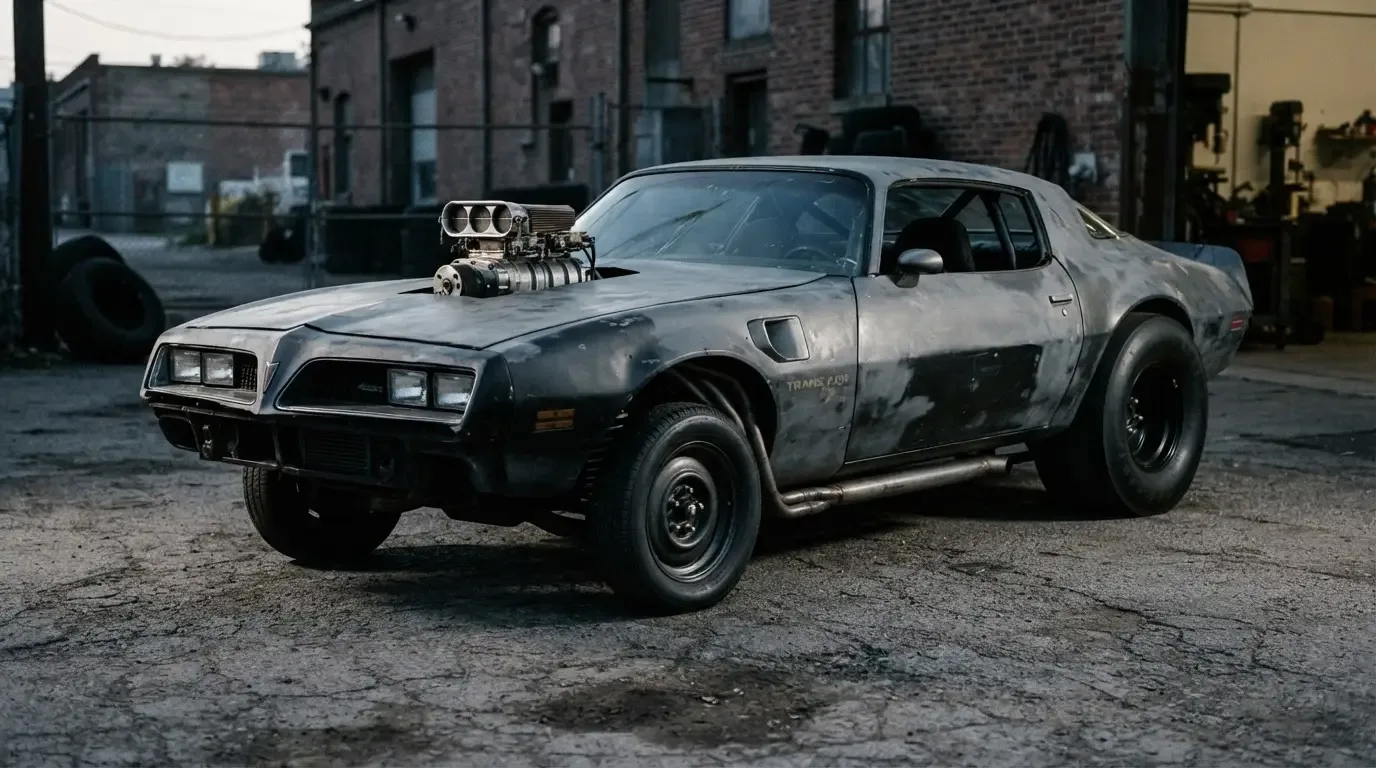
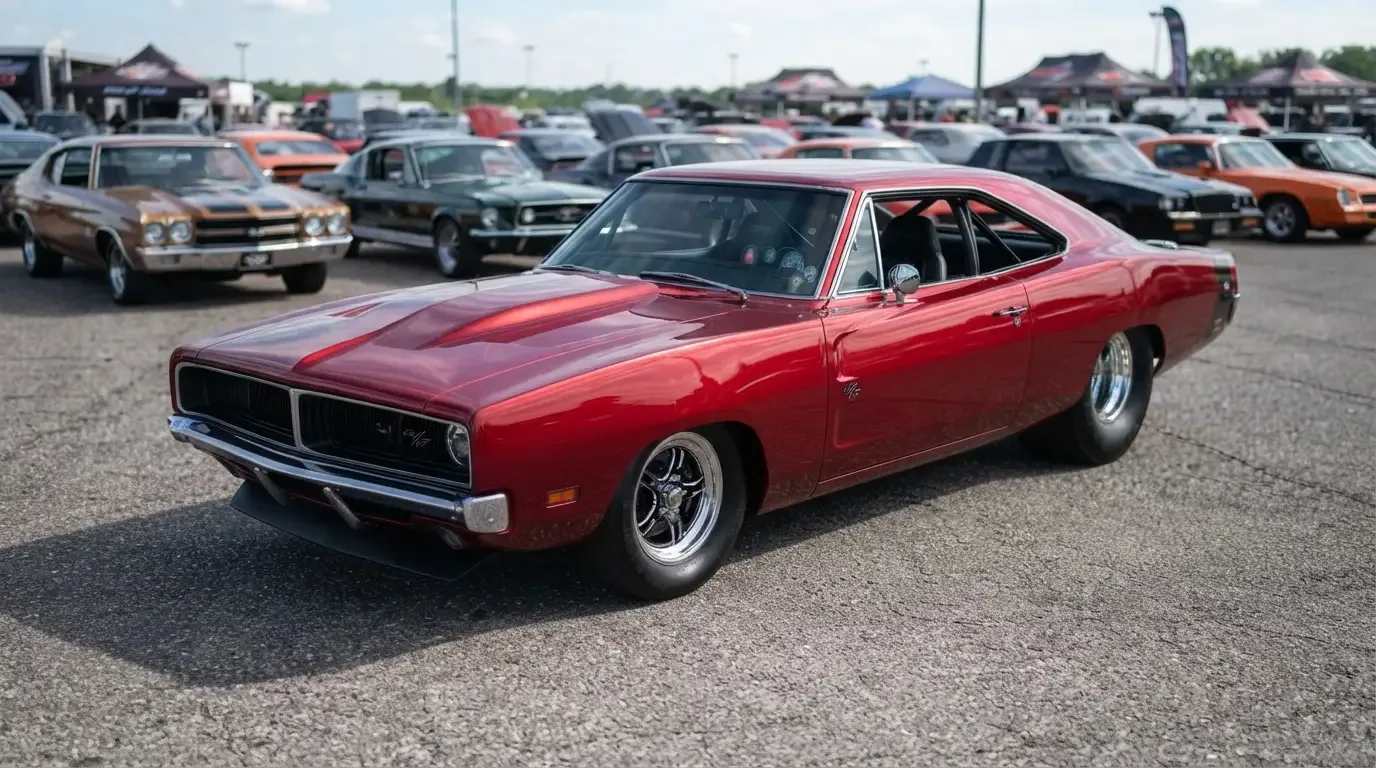
The Pro Street revival did not arrive with a single defining moment the way the style's original rise did. Instead it built gradually, through auctions, restoration projects, and a generation of collectors who came of age watching these cars in magazines they had inherited from an older relative. By the 2010s, tubbed muscle cars with big engines and dramatic stances were once again commanding serious attention, and the movement that had faded through the 1990s found itself back in the spotlight, this time framed as heritage rather than trend.
How the interest returned
Documentation matters enormously in any revival of this kind, and Pro Street benefited from the fact that so much of its golden era had been recorded in print. Magazine archives, event photography, and club newsletters from the 1980s and 1990s gave collectors a rich record to draw on when authenticating a car's history, and that documentation made period-correct examples far more desirable than undocumented tribute builds. Provenance became a genuine market factor, not just a nice-to-have detail.
Social media accelerated the process considerably. Enthusiast forums and later dedicated groups allowed original builders, many of whom were now decades older, to reconnect with cars they had sold years earlier or to share photographs and stories that had never made it into print. That direct connection between original builders and a new audience of collectors gave the revival an authenticity that a purely nostalgic marketing push could never have manufactured on its own.
What today's revival looks like in practice
Modern Pro Street enthusiasm splits roughly into two camps. One group focuses on preserving original cars exactly as they were built during the style's peak, treating tub work, period paint schemes, and period-correct induction setups as historical artifacts worth protecting rather than updating. The other group builds new cars in the spirit of the movement, often incorporating modern chassis engineering, updated brakes, and contemporary tire technology while keeping the visual language, the tub, the stance, the big engine, faithful to the original formula.
Both approaches have earned respect within the collector community, though they appeal to somewhat different buyers. A documented survivor from the 1980s carries historical weight that a new build simply cannot replicate, while a modern tribute build offers better drivability and reliability for owners who actually want to use the car regularly rather than treat it as a static piece of history.
| Era | Typical focus | Collector appeal |
|---|---|---|
| Original golden era build (1980s-90s) | Period tub work, era-correct engine and paint | Historical provenance, documented record |
| Modern tribute build | Updated chassis and brakes, classic silhouette | Drivability, reliability, personal customization |
Why context from the original era matters
Understanding the revival properly requires understanding what came before it. Read the background on how the movement started in the late 1970s drag racing scene and grew through the 1980s to see why today's collectors treat these cars with the same seriousness usually reserved for far older classics. The revival is essentially collectors applying preservation standards, developed for pre-war classics and early muscle cars, to a style that many people once dismissed as a passing fad.
That shift in how the cars are valued has had real consequences for the market. Cars that might have sold for a few thousand dollars in the lean years of the late 1990s now regularly command five and sometimes six figures at auction when they carry strong documentation and a clean, well-preserved build. The revival transformed Pro Street from a niche enthusiast interest into a legitimate collector category with its own specialists, appraisers, and dedicated events. Insurance companies that specialize in collector vehicles now routinely write agreed-value policies for well-documented Pro Street builds, something that would have been unusual for these cars even fifteen years ago, and that alone reflects how far the category has come toward mainstream collector acceptance.
"What strikes me about the revival is how closely it mirrors what happened with early muscle cars a generation earlier. A style gets dismissed as excessive, falls out of favor, then returns once enough time has passed for people to see it as a genuine historical record of its era."
- Sarah Whitfield
The role of auctions and organized events
Specialty auction houses played a significant part in legitimizing the revival by giving these cars a proper stage with catalog descriptions, condition reports, and pre-sale research that treated Pro Street builds with the same seriousness applied to any other collector vehicle category. Once a handful of well-documented cars crossed the block at strong prices, other owners took notice and began investing in proper documentation and restoration for cars that had previously been treated as garage projects rather than collectible assets.
Organized club events and dedicated Pro Street gatherings followed a similar arc. What started as informal reunions among original builders gradually grew into structured shows with judging categories that recognized period-correct fabrication and historical accuracy rather than simply rewarding the widest tire or the loudest paint scheme. That shift in judging philosophy pushed owners toward preservation-minded restoration work, which in turn improved the overall quality and documentation available across the surviving population of cars.
Museums and permanent collections have also taken an interest in recent years, occasionally acquiring particularly significant examples for public display. That kind of institutional recognition, however limited in scope, signals that Pro Street has moved beyond enthusiast nostalgia and into the broader conversation about which vehicles deserve long-term preservation as artifacts of American automotive culture.
Where the revival stands today
The current market reflects a mature, informed collector base rather than a speculative bubble. Buyers ask pointed questions about tub work, engine history, and documentation before committing to a purchase, and sellers who can answer those questions with paperwork command a real premium over those who cannot. That level of scrutiny is a healthy sign for the long-term stability of the category, since it rewards genuine preservation and quality fabrication over cosmetic shortcuts.
For anyone interested in participating in the revival, whether as a collector of original survivors or a builder working on a modern tribute, the current market offers real opportunity. Take a look at listings to find a classic Pro Street car and see firsthand how documentation, build quality, and period authenticity are shaping prices across the category today.
The revival also changed how younger enthusiasts encounter the style in the first place. Rather than discovering Pro Street through a current magazine feature the way earlier generations did, most newcomers now find it through archival photography, restored survivor cars at shows, or conversations with owners who lived through the original era. That secondhand introduction has, if anything, deepened appreciation for the craftsmanship involved, since new fans are absorbing decades of context alongside the visual style rather than just chasing a passing trend the way some original builders admittedly were.